|
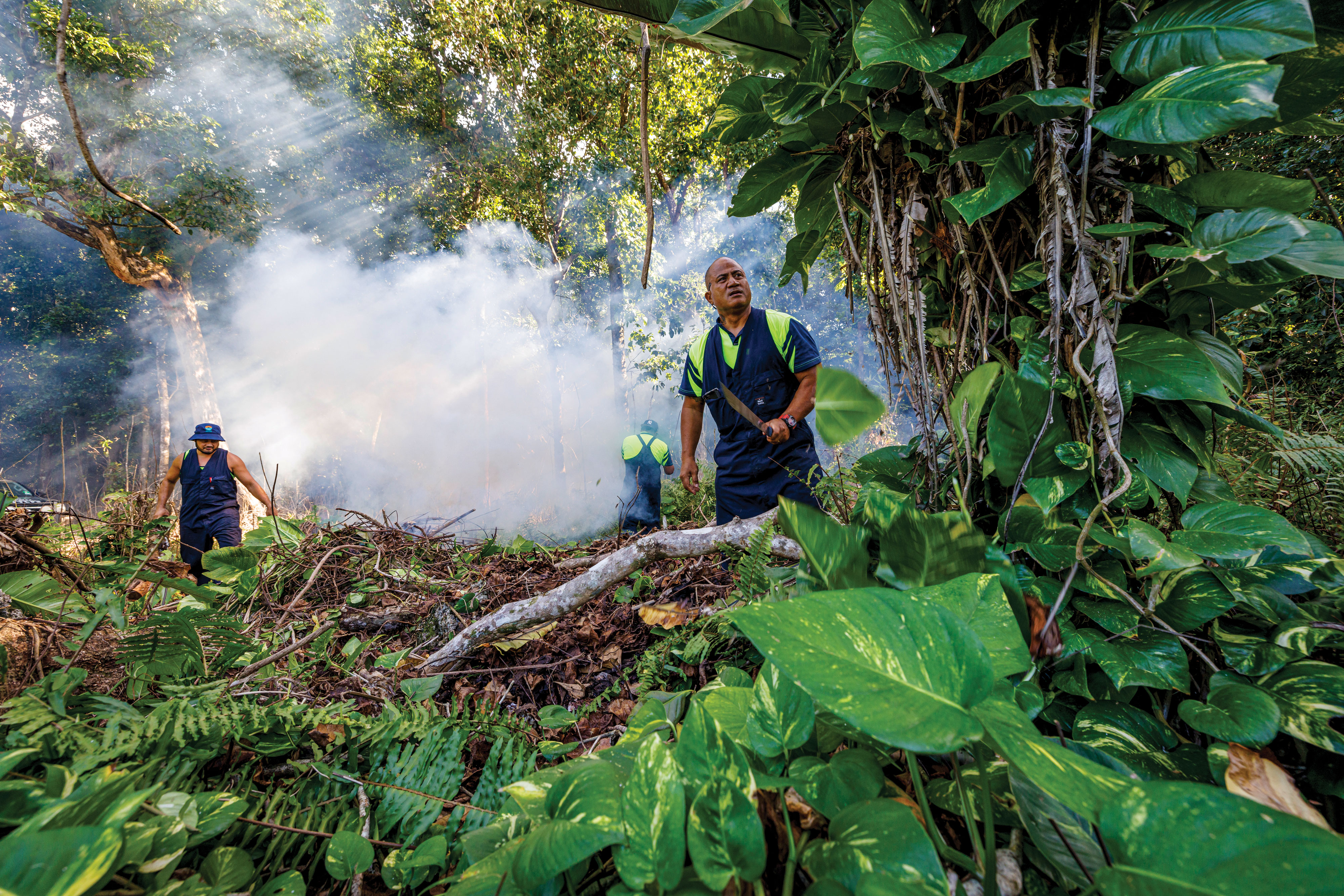
Niue has an audacious battle plan. It’s not just going to do something, it’s going to do everything—the aim is to be the first country in the world to eliminate or control its main invasive species by 2030.
|
The Weekender |

|
|
|
Free newsletter
|
SEPTEMBER 27, 2024
|
|

|
Publisher |
|
If you haven't seen this newsletter for a while, hello again. We've endured a long technical battle with Google, whose robotic filter insisted we were a Nigerian prince angling for a quick buck. In the end, it turned out to be a glitch in their algorithm that was blocking us from half of our audience. It's a salient reminder—if one was needed—of the level of control the tech giants exercise over our digital experience, and of course the fate of local media organisations, New Zealand Geographic being no exception. You will be hearing more about this before the end of the year, but in the meantime, thank you for hosting us in your inbox, it's nice to be back. (If you find this email under a Promotions tab, you can click the 'Not Promotion' button to move the newsletter to your inbox in future.) As always, if you don't want this email, you can unsubscribe—we might be disappointed, but not offended :) |
|
|
|
INVASIVES The urgent battle against invasive species on NiueJobs are few on Niue and it’s a tough place to get by on gardening or fishing alone: the volcanic rock is covered in a thin and patchy layer of soil, and the fishing is nothing like what it once was. So imports are a lifeline. The island’s 1600 inhabitants could not get by without supplies from the flights that land here twice a week and the boats that arrive once a month. But now the island is swarming with exotic pests. Taro vine escaped in Niue after being brought in as an ornamental. Feral cats, rats and mice are decimating birds. Wild pigs are devastating hard-won farms. Underwater, thousands of snails are steadily chomping through corals. If the people of Niue do nothing, in a matter of decades their island will go silent—their reef sucked dry, their forest replaced by an alien emerald monoculture. “It’s like a war,” says Moira Enetama, Tongatule’s aunt and a community leader on the island. But Niue has an audacious battle plan. It’s not just going to do something, it’s going to do everything—the aim is to be the first country in the world to eliminate or control its main invasive species by 2030. Taro vine, pigs and snails are first on the list. And later, rats. |
MORE STORIES ABOUT NIUE: |
|

|
|
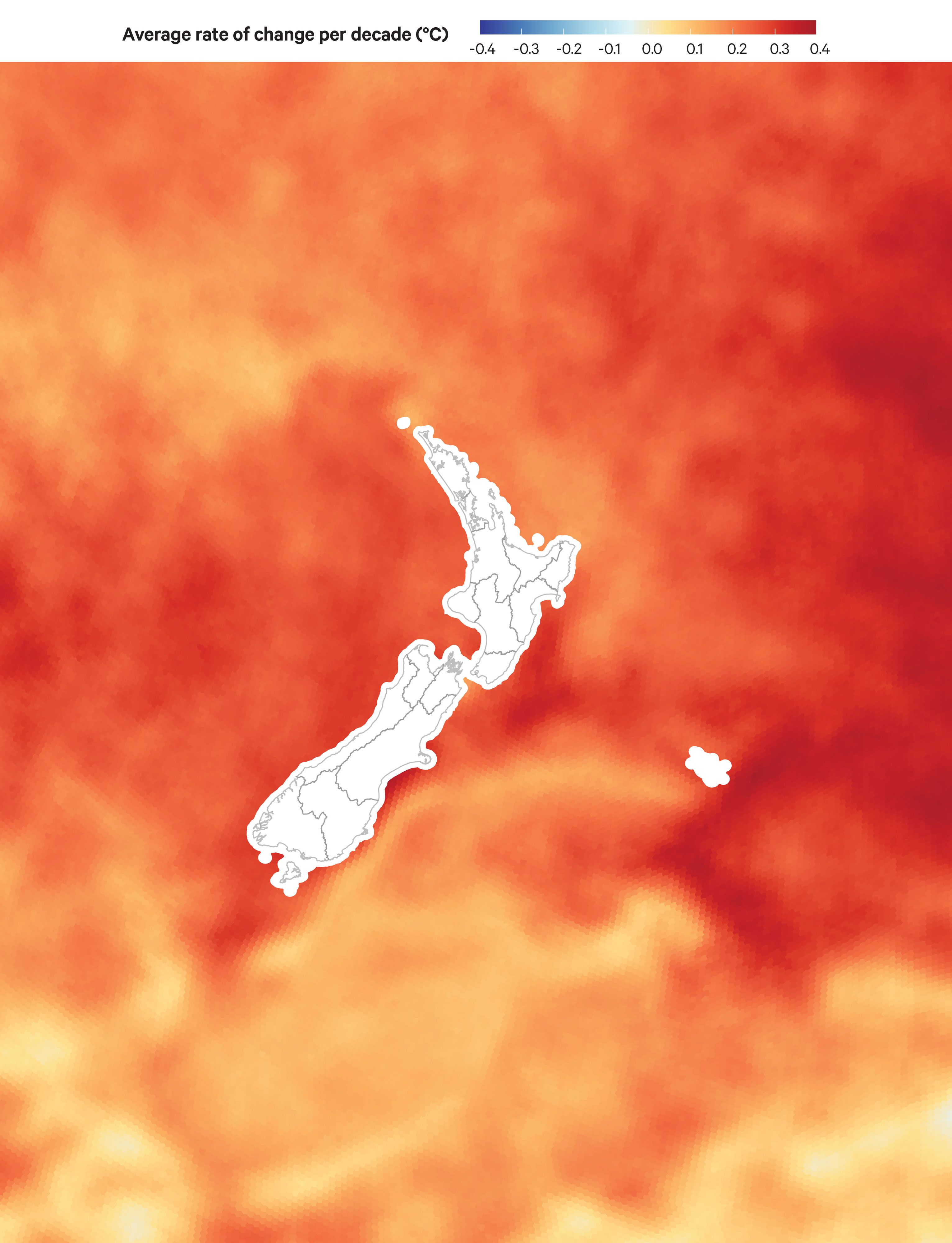
CLIMATE Fire at seaThe oceans surrounding New Zealand reached their highest-recorded temperatures either in 2022 or 2023, according to data released last month by Stats NZ. Our coastal waters warmed between 0.74 and 1.35°C in the past four decades. |
|

|
|
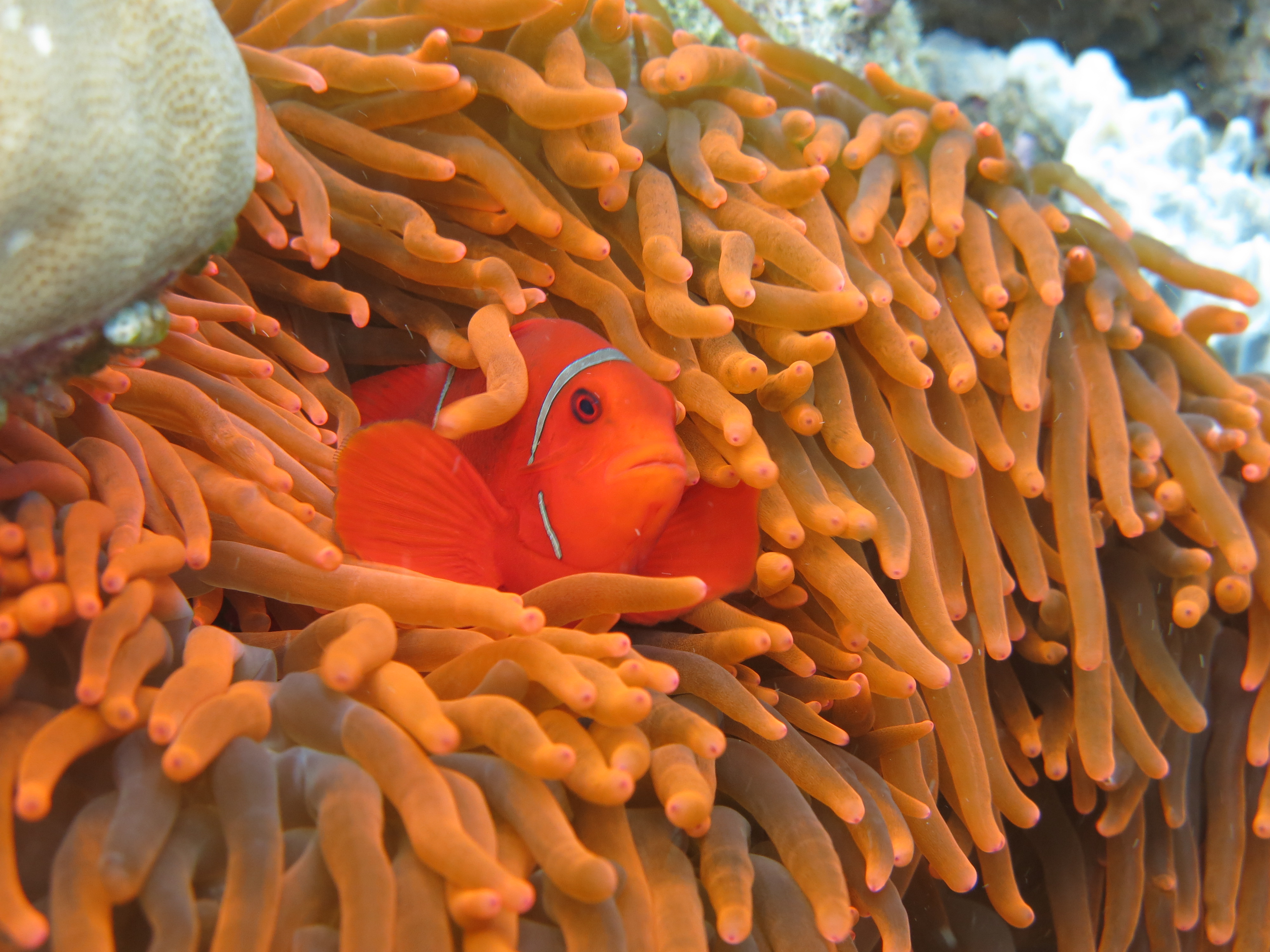
Reader expeditions A taste of the tropicsThere are just a few berths left on New Zealand Geographic and Heritage Expeditions' next reader voyage, a 17 day Melanesian extravaganza that takes in the best of Papua New Guinea, the Solomon Islands and Vanuatu. SHIP: Heritage Adventurer |