|
| |
Inside the first-ever national siren battle
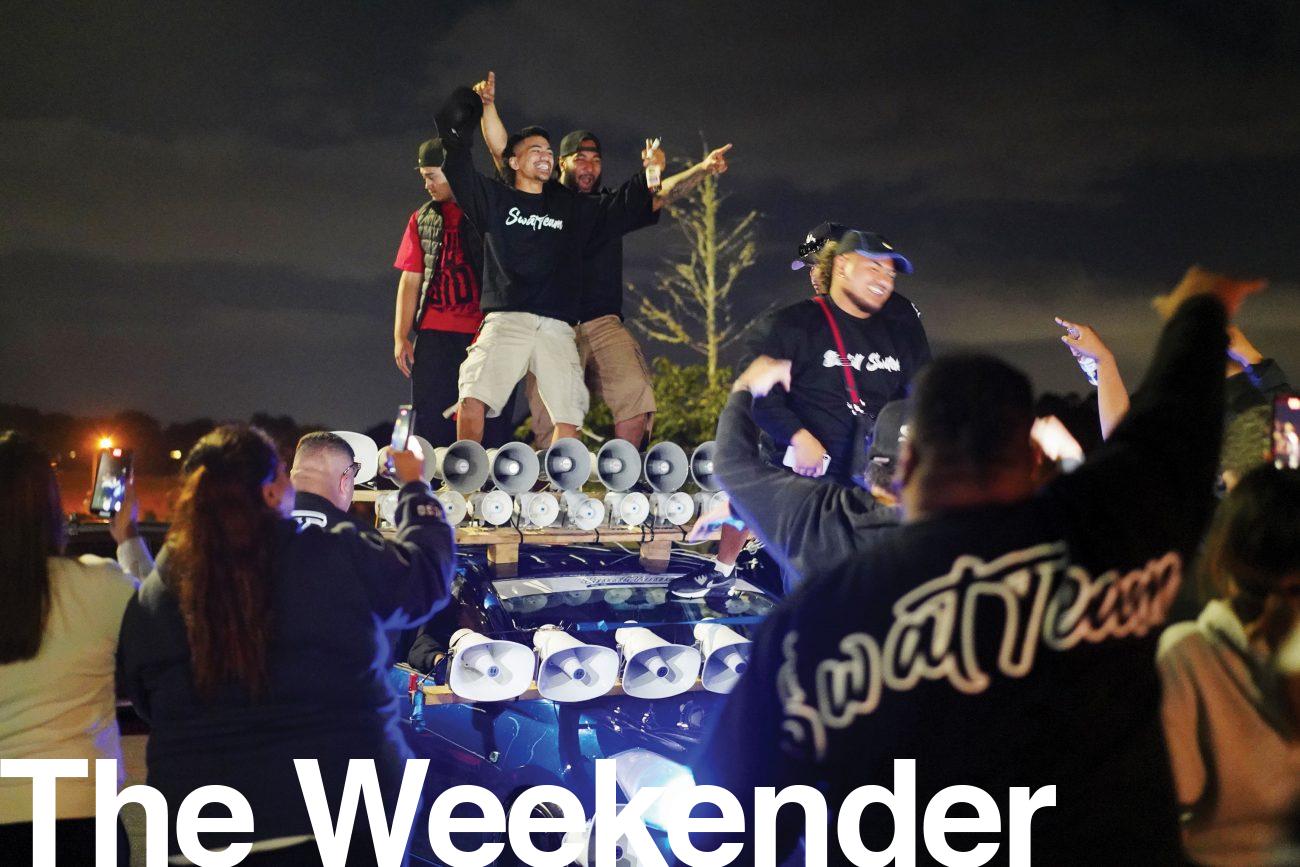
On wide, empty streets in the industrial part of Petone, people dressed in hoodies and jeans and pristine white Nike or New Balance sneakers are standing around a glossy black car with an array of sirens. It's their last chance to test the car that will be competing a few streets away. When one of the sirens blasts, the sound reverberates through the empty lot. A flock of birds rises above a concrete warehouse. The air is crisp and cool.
Tonight is the first-ever national siren battle. The victor will be the one with the loudest or clearest sound. And failing that, they'll be the one who drowns out everyone else. Keep reading...
|
|
|
| |
View and vote...
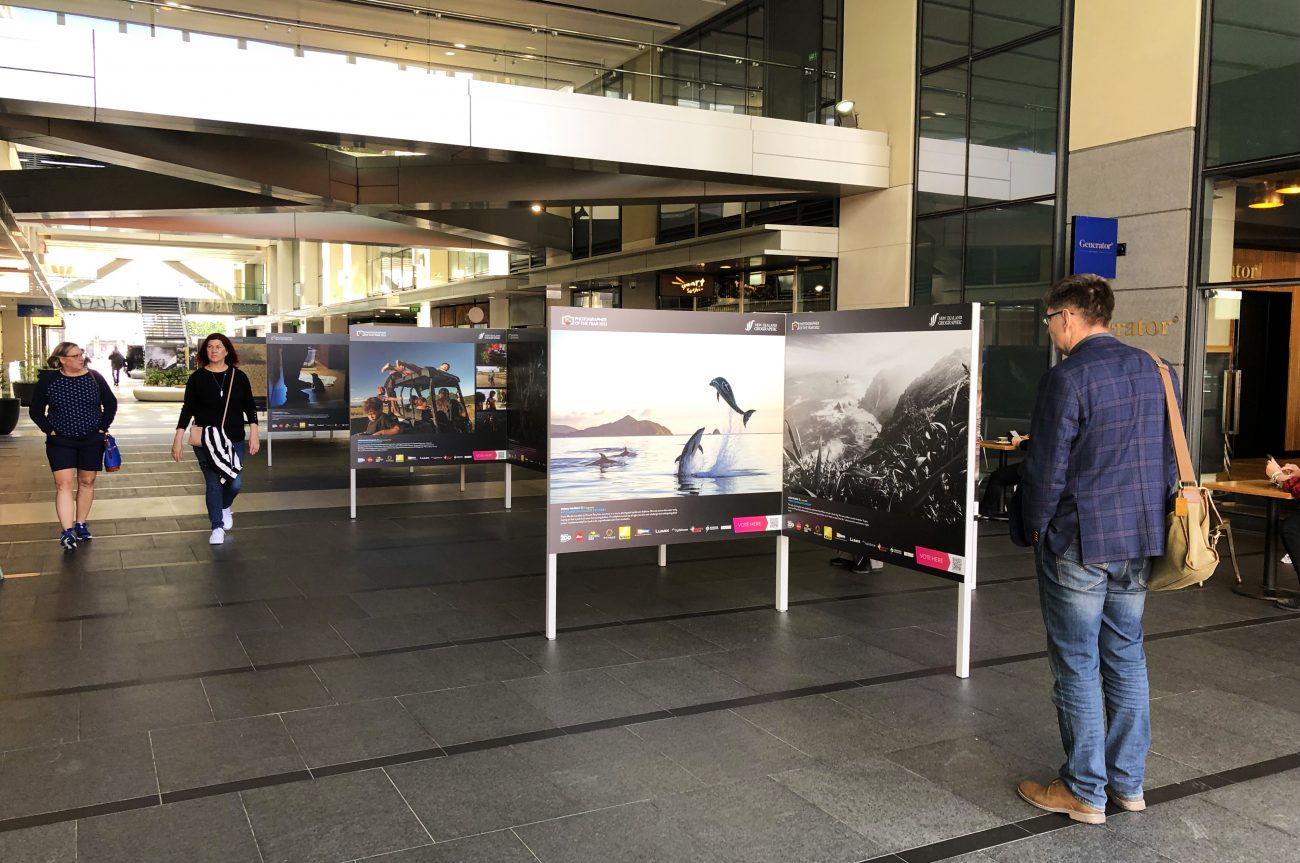
The Photographer of the Year 2022 exhibition is now open in downtown Auckland. Head along to the atrium under the Westpac Building off Takutai Square in Britomart to see large format prints of all 55 finalists, and vote on your favourites. It will be in place until mid-October. If you can't make it to the exhibition, view and vote online—even if you're not feeling very judgy, its a pleasure to just to scroll through the best images of the past year.
|
|
|
| |
Two tunnels down
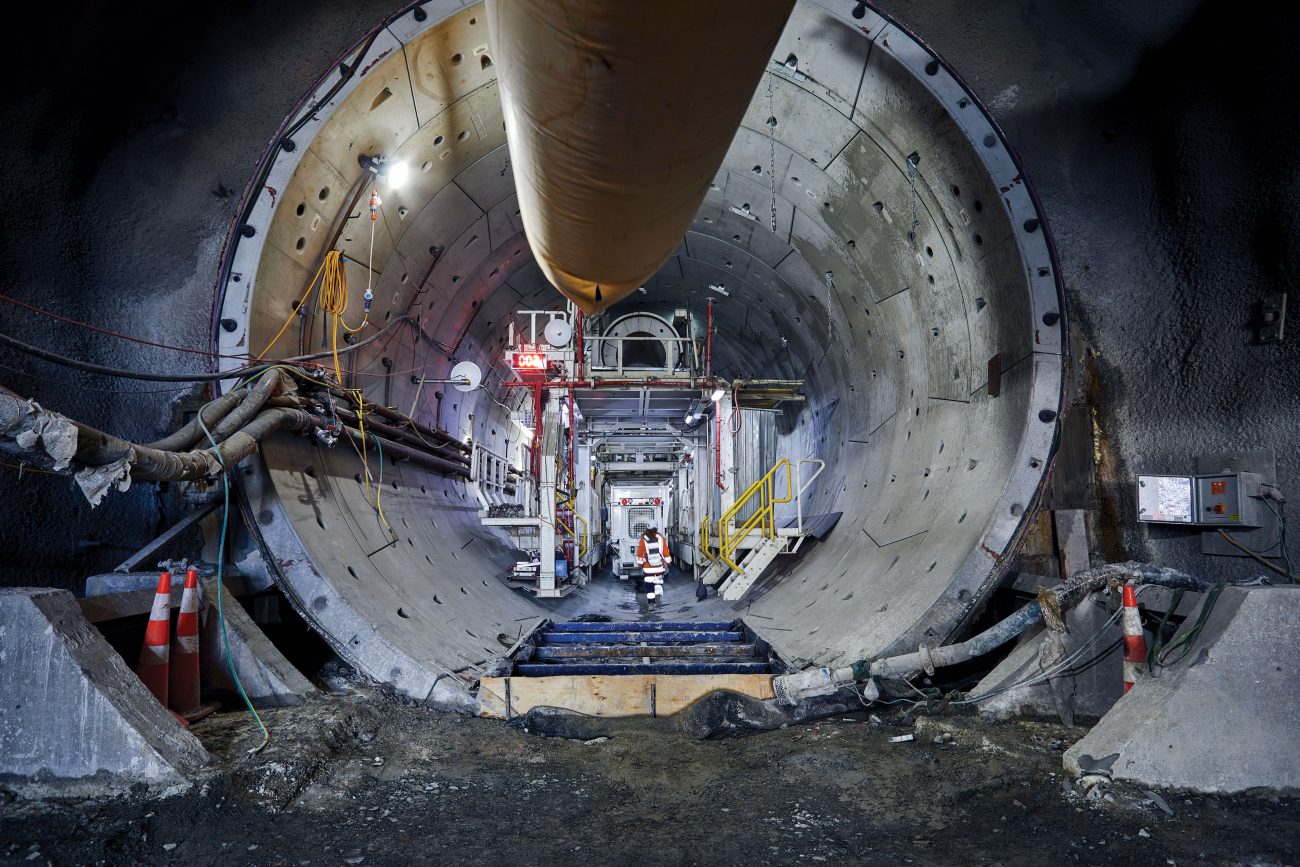
Last week, reports the Herald, the redoubtable tunnel-boring machine Dame Whina Cooper completed the second of two parallel rail tunnels running between Mount Eden and Aotea Square.
The giant machine is longer than a rugby field, chews through substrate day and night, and is attended at all times by 12 people.
She's also been documented by photographer Mark Barber, who spends two days a month underground with her, suited up in safety gear, an emergency rebreather unit bumping at his waist.
He understands that above ground the $4.4 billion City Rail Link project might feel like an interminable disruption—but the rate of change between visits, he says, is immense. "A lot of the really big things are starting to look a little more like they're finished. They don't look like a giant cave any more—they've had floors put in, and major work... It just happens so quickly." Keep reading...
|
|
|
| |
PARTNER CONTENTGood to go
The world's most innovative environments typically have world-class academic institutions at their heart—think Silicon Valley, New York, Boston or London. In these places, researchers, commercialisation arms and investors find ways to turn their findings into businesses and this is the environment Wellington-based investment company Booster aimed to create when it set up partnerships with Te Herenga Waka–Victoria University of Wellington in 2018 and the University of Otago in 2020. The goal was “getting New Zealand capital to work for New Zealand”, says Melissa Yiannoutsos, the Innovation Fund Manager at Booster, and supporting companies that were looking for solutions to big global problems. “How do we support New Zealand companies to grow? How do we build a future New Zealand? And how do we get more diversity in the kind of companies that make up our economy? We’ve got a good base of companies that generate wealth through the primary sector, but we want to help build more companies off the back of deep research and development and innovation.” Keep reading...
|
|
|
|
| |
Subscribe and support local journalism
While advertising and retail income goes up and down, it is subscriptions from readers like you that power long-term journalism projects from around New Zealand and help us keep the lights on.
It's not as much as you think—$8.50 every two months for digital, $12 for print or $16.50 for both... a gold coin a week. Check out the options.
|
|
|
|
| |
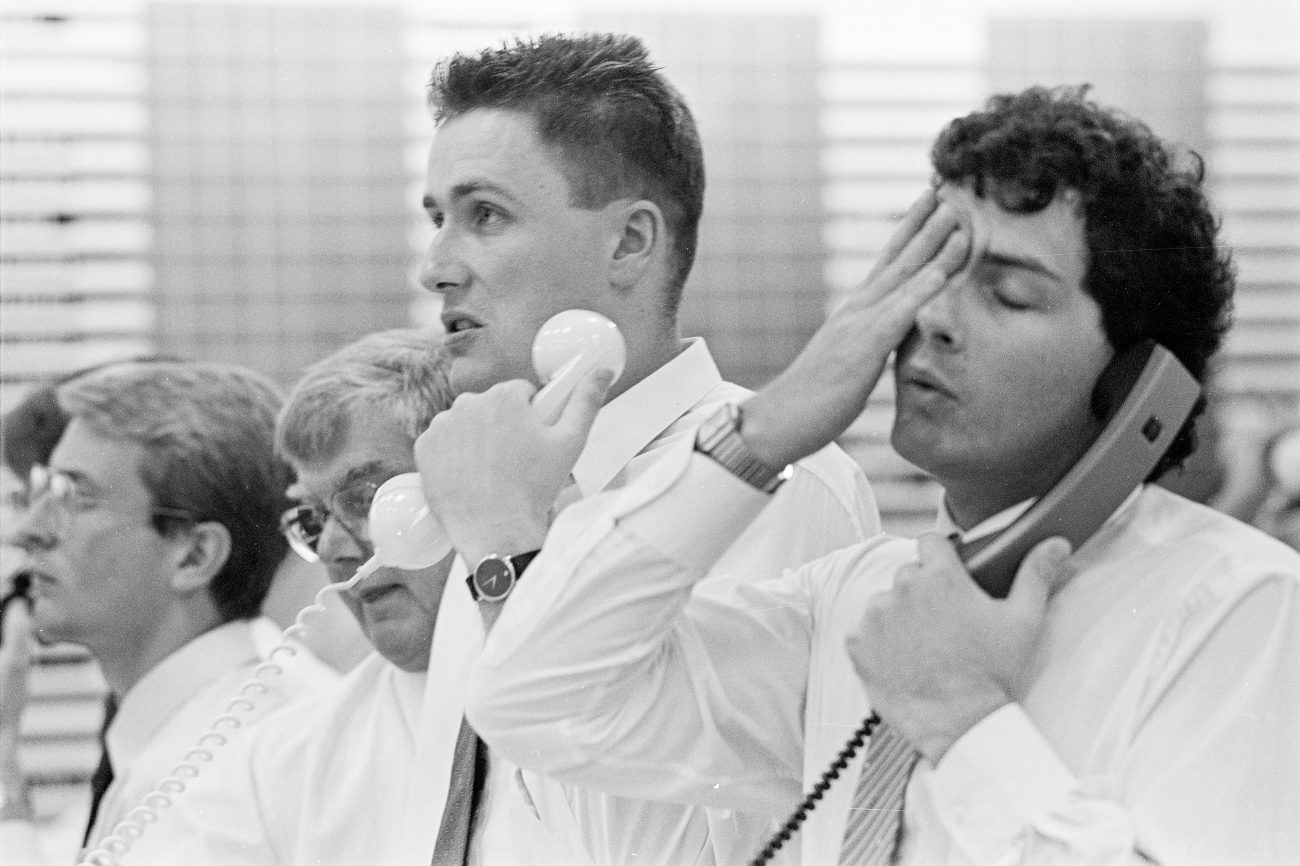
Black Tuesday: When the hammer blow fell
In 1980s New Zealand, fashion was flamboyant and confident—all power suits and Lycra—our cricket test side were on form, and local music had dropped into a golden groove. But economically, things were just plain weird. The disasters of Muldoon-era meddling had been followed by the risky experimentation of Rogernomics, and in the shadow of fiscal deregulation, out-of-control interest rates, and worsening unemployment, people of all description had embraced what the New Zealand Herald likened to a highly lucrative off-course betting substitute. It was called the New Zealand Stock Exchange, and for many it must have seemed a magic escalator to financial heaven.
By mid-1987, more than 40 per cent of New Zealand's adult population owned shares. Some took out second and third mortgages to fund ever-more-reckless investments.
Few heeded the warning signs. Keep reading...
|
|
|