|
Freshwater crayfish are both great creators and cleanup crew. Plus, they’re delicious.
|
The Weekender |

|
|
|
Free newsletter
|
SEPTEMBER 20, 2024
|
|

|
Publisher |
|
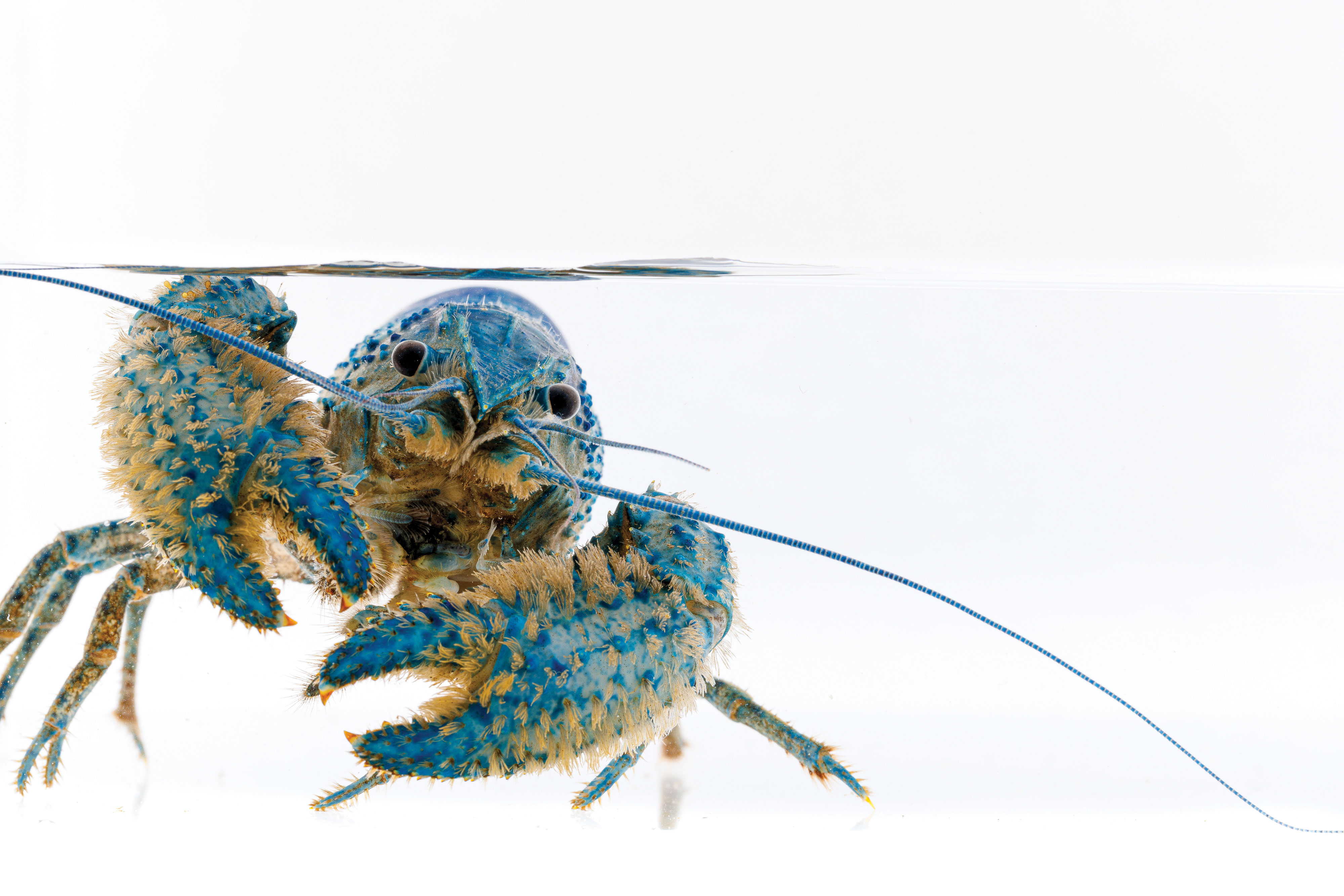
You may have seen we ran a poll for readers to help us with our decision on the cover of the latest issue—an electric blue freshwater crayfish, or a gnarled bonsai tree. The bonsai won, and ever since I've felt strangely sorry for our jilted kōura, its beady black eyes drilling holes through me every time I see the image. So do me a favour, click on the crayfish, and let its story of survival against all odds inspire you this weekend. |
|
|
If you haven't seen this newsletter for a while, hello again. Google has been sending The Weekender into the spam folder for some Gmail users. If you click a link or two, maybe this will impress the algorithm that decides these things. If you have found this in your spam, click the "Report as not spam” or “Not spam” buttons, or remove the spam label. As always, if you don't want this email, you can unsubscribe—we might be disappointed, but not offended :) |
|
|
|
WILDLIFE Freshwater crayfish are both great creators and cleanup crew. Plus, they’re delicious.In a freshwater ecosystem, crayfish hunt smaller creatures like fish, snails and insect larvae, keeping populations in check and maintaining balance in the food chain. As scavengers, they clean up organic matter sifting off the land and swarm the waterlogged carcasses of dead animals, helping decompose them. The rising of the Southern Alps over 12 million years shook kōura into two species—the southern kōura, found in the southeastern part of the South Island and on Rakiura, and a northern species found in the North Island, Marlborough, Nelson and the West Coast. Then came an Ice Age. Glaciers filled mountain valleys. Some kōura survived, staying out of reach in lowland areas. But when the ice retreated, they were unable to recolonise the rugged heart of Te Waipounamu—moving upstream is not one of their strengths. So as a rule, there are no crayfish deep in the Southern Alps. Except, in places, there are. A single, isolated stream in Te Awa Whakatipu/the Dart River has kōura—to anyone’s knowledge, they’re the only crays in the entire Kawarau catchment. There are also outlier populations of crayfish in South Westland and Fiordland. Up north, there is a strange, lone population on the East Cape. How did they get there? |
MORE STORIES ABOUT CRAYFISH: |
|

|
|
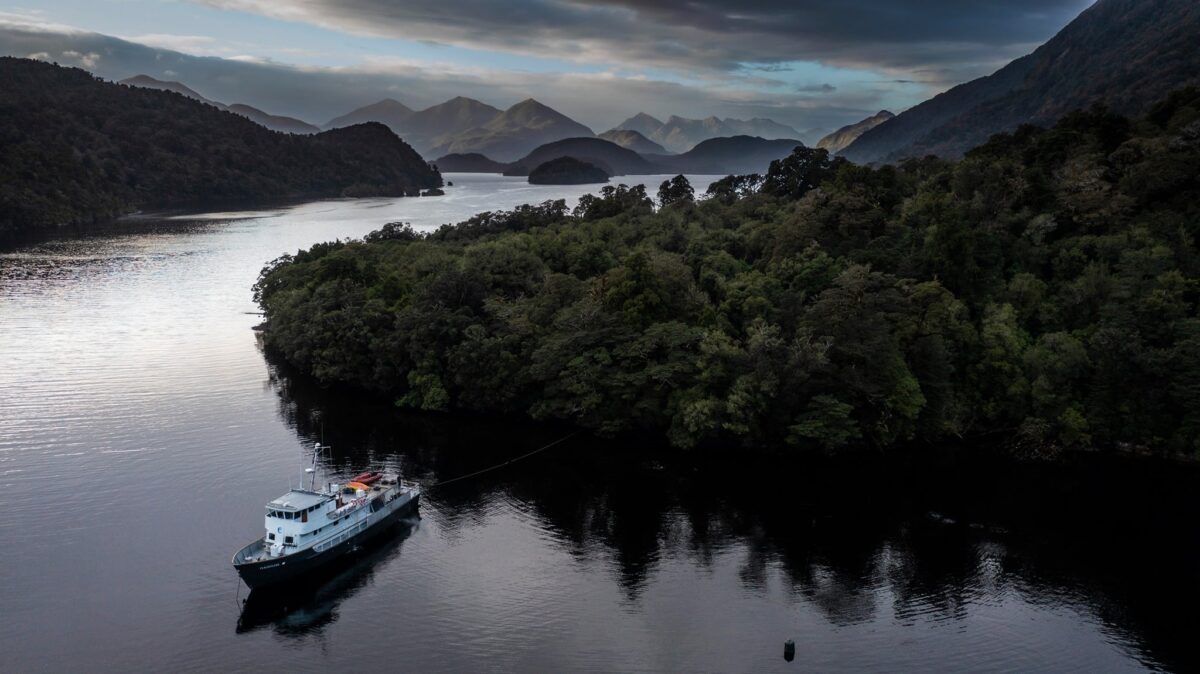
GiveAWAY Gift a trip to a beautiful humanThe line on Pure Salt's website says it all: 'we make a living by what we get, but we make a life by what we give.' |
|

|
Photographer of the Year Exhibition is open—and it's freeThe finalists for 2024 are printed in large-format and available for viewing in the atrium under the Westpac Building in Britomart Precinct, Auckland. The 15 Portrait finalists, are on vertical display panels around the pavilions in the same area. Each has been judged for its photographic brilliance, but now it’s your turn to tell us which images resonate most with you. Visit the exhibition or vote for five of your favourites for the People’s Choice award online... |
|

|

|
|
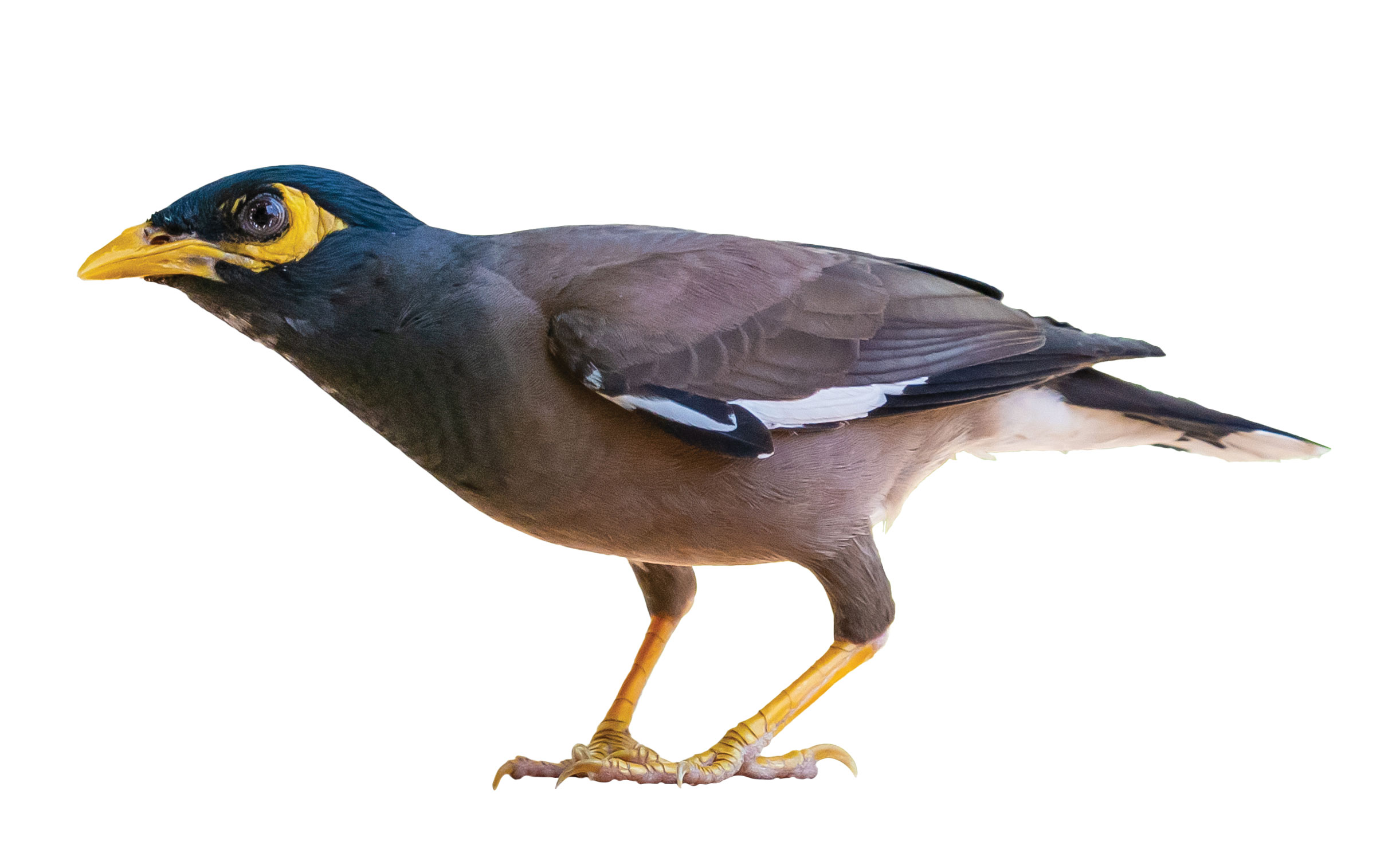
INVASIVES Bully bird incomingClimate change will help one of the most pernicious pest birds in the country spread south, a new study has found—and reports from Christchurch suggest it’s already happening. Common mynas, native to India, were introduced to New Zealand in the late 1800s in an attempt to control agricultural pests. Introductions in the South Island mostly failed, but the bolshie birds became well established in the upper North Island. |