|
| |
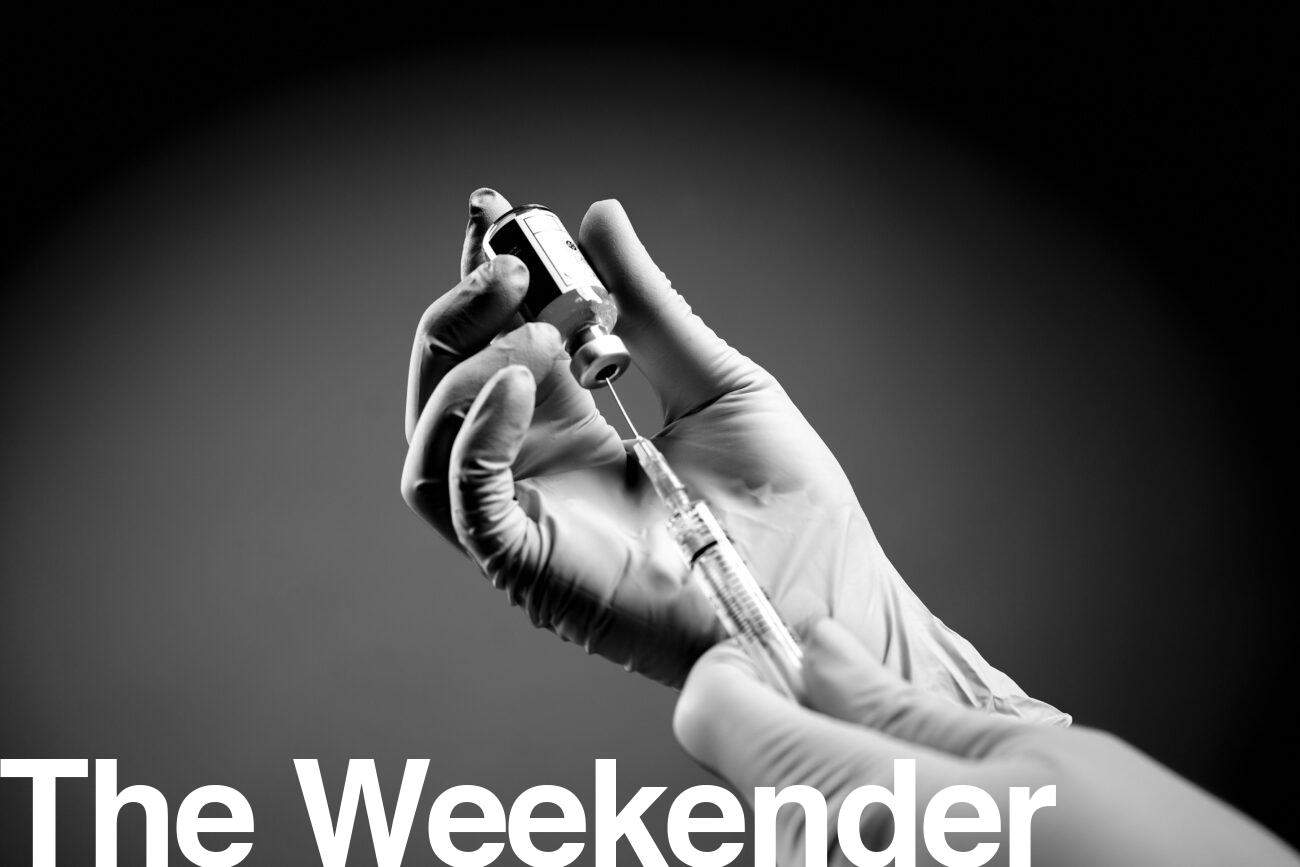
Understanding the COVID-19 vaccine
The first time your immune system encounters a new virus, it has to start pretty much from scratch. It takes a while to learn about that particular pathogen, but that lag time is all a virus needs to secure a foothold and start spreading.
A vaccine works by giving your immune system an identikit in advance, so it can lock on to the virus early in infection, shutting it down before it can spread too far.
At least, that's the mechanics of it. New Zealand Geographic journalist Dave Hansford takes a look at some of the common questions about the vaccine: Will it alter your DNA? How effective is it? Will it connect you to the internet? Does it work on the variants of the virus? What don't we know about it? Keep reading...
|
|
|
| |
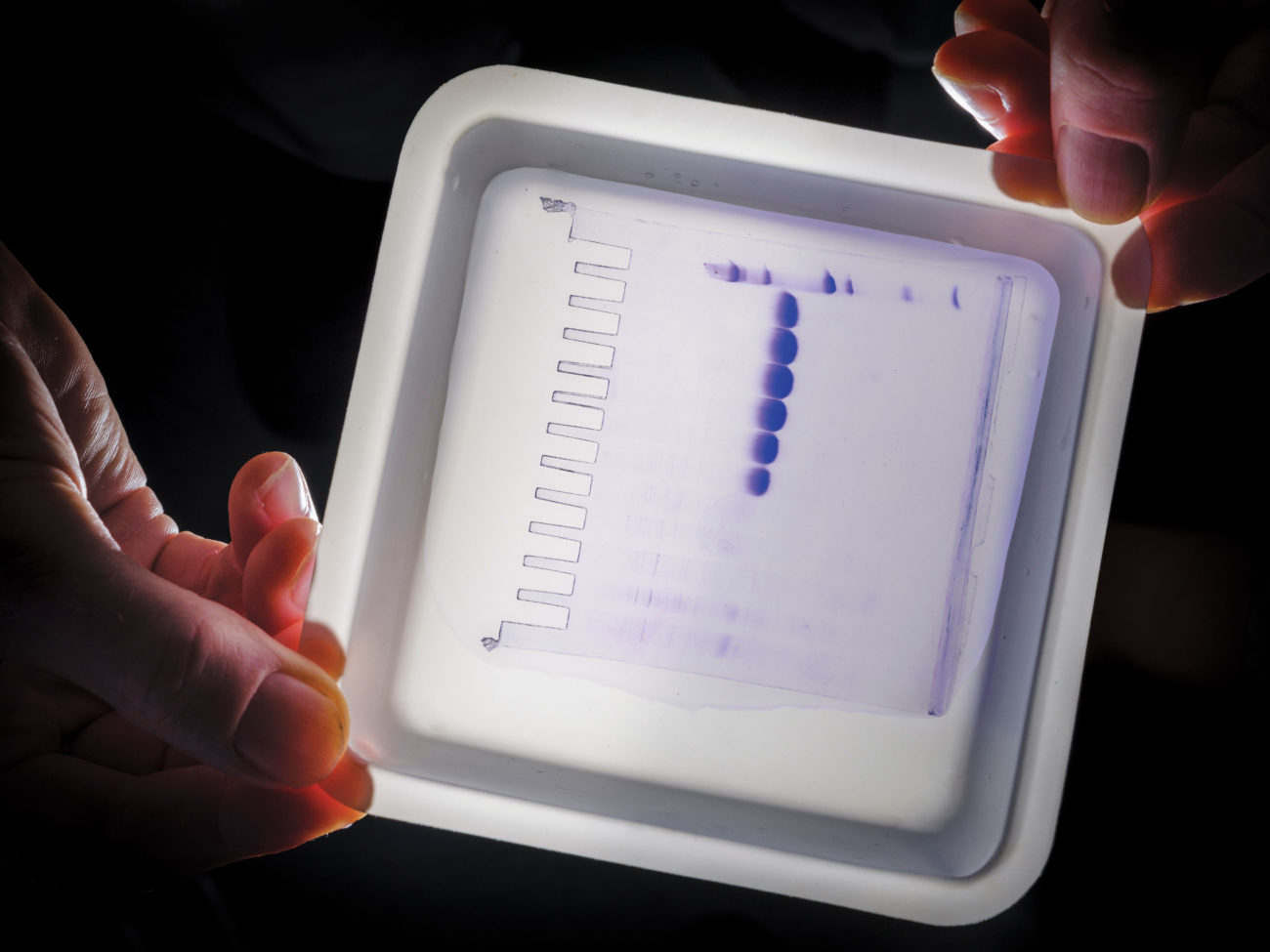
The phantom menace
An invisible pathogen has gripped the world in a deadly and difficult battle. At first we aimed at flattening the curve, then elimination, now immunisation. But even as we understand more, the virus mutates and the rules change again. How do we prevail? See all our stories about COVID-19...
|
|
|
| |
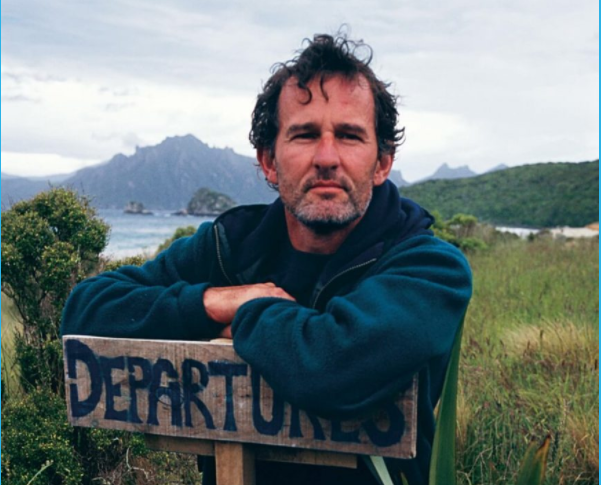
Travel with our Editor-at-Large into the Hauraki Gulf and beyond...
New Zealand Geographic celebrates New Zealand and all its diversity—its people, places and wildlife. Now we’re bringing you even closer to the country through a new partnership with Heritage Expeditions. For our inaugural New Zealand Geographic & Heritage Expeditions voyage, the magazine’s co-founder and former editor, explorer, marine biologist and celebrated author Kennedy Warne will join the tour as we expedition cruise the famed waters, islands and coastlines of the Hauraki Gulf Marine Park and Bay of Islands on an exclusive 8-day partner voyage.
There are just a few berths remaining so book now.
|
|
|
|
| |
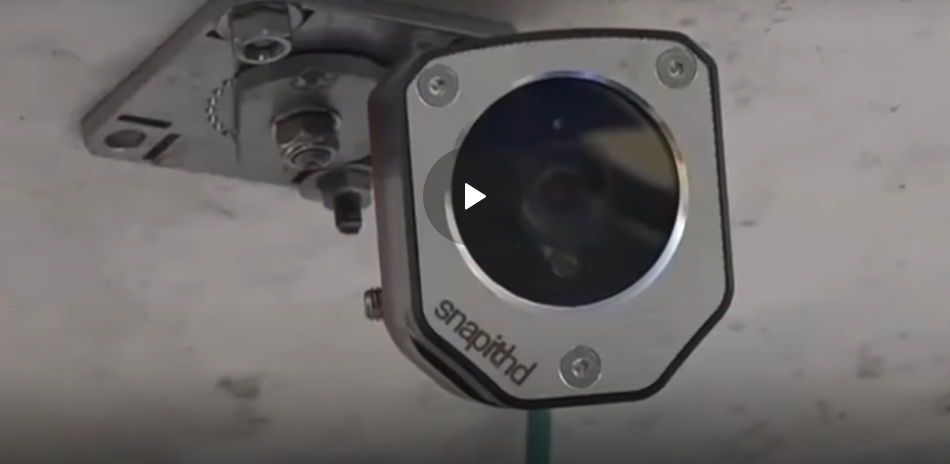
Better Ancestors: Candid camera
Environmental groups concerned about the amount of fish being dumped back into the sea by the fishing industry have been asking for cameras to be put on boats for years. While new regulations came into place this year requiring boats to land everything they catch, the industry has resisted the move to place cameras on those boats and those in power have continued to delay the requirement. Without cameras to ensure compliance, we are reliant on self-reported data. But, says Barry Torkington, a fisheries strategist and ex-director of Leigh Fisheries, that self-reported data is not particularly accurate. “All the delays have been red herrings,” he says. “There’s nothing to invent. There’s nothing to test … It’s hard to find a serious fishing nation that hasn’t embraced it.” Watch the video ...
|
|
|