|
What happens to the psyche when a person walks and walks, starving and alone?
|
The Weekender |

|
|
|
Free newsletter
|
November 29, 2024
|
|

|
Publisher |
|
Today we cover the story of Peter La Fleming, a 21-year-old who had a fall on the 78-kilometre Heaphy Track in January 1980, became disorientated and lost for almost a month. He was rescued after 29 days, starving and fragile. To this day, La Fleming's ordeal remains the longest of any lost tramper in New Zealand, and attracted worldwide headlines. The writer, John Summer, spoke to others who had been lost too, who vividly described hallucinations of friends, houses, boats. Who reflected on the insecurity they felt even talking about the events, like they were clouded in shame. They also mentioned the presence of another person, sometimes a companion, perhaps death itself, lurking. It's a remarkable insight into the human psyche, when deprived of normality and society, and a tribute to the quiet urge to survive. |
|
|

|
It's crazy, but I think we might get there! When I started this appeal four weeks ago, I had no idea if readers would understand our circumstances, feel a sense of agency, and support us... or not. I did know that I would have my answer shortly after pressing the button on that first story, We need your help. Today we need less than 500 subscriptions to reach sustainability. NZGeo also makes a fantastic Christmas present—it's good value, enjoyed by all the family and arrives six times a year! It also ensures we'll be around to keep telling these stories. |
||
|
|
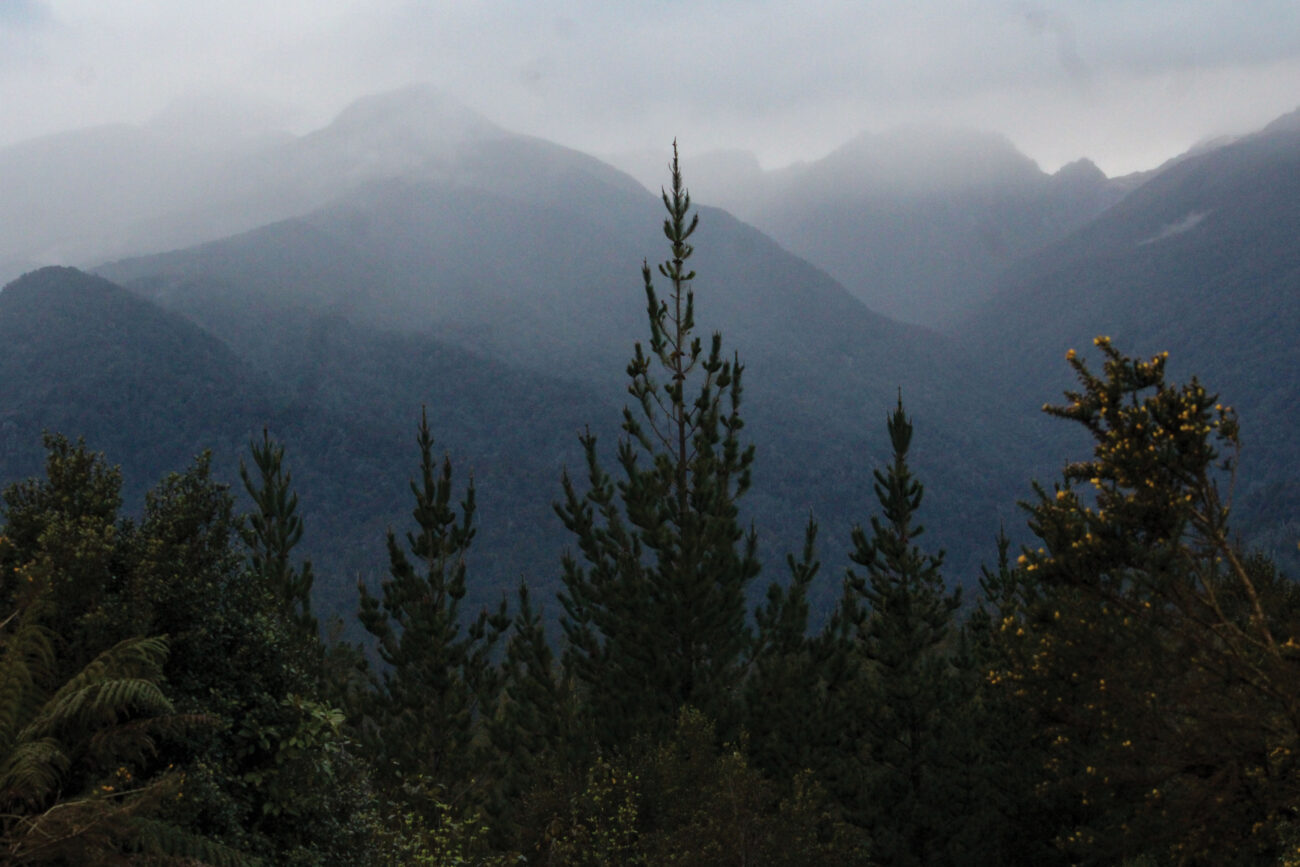
OUTDOORS What happens to the psyche when a person walks and walks, starving and alone?I went to see the Yeti in Palmerston North. He lived at the end of a cul-de-sac in a 1970s split-level. I brought biscuits. “What are they?” he said. “Chit Chats,” I told him. “They’ll be okay,” he said. Sitting down, I laid them on the carpet, giving them a little nudge so they slid to sit between us. There they would stay, untouched, an offering, for as long as we spoke. Peter Le Fleming was his name, but he’d been called that, the Yeti, in his youth for his beard and long hair. He was in his 60s now, the beard and hair grey, both cropped short. Wrinkles splayed at the edge of each eye. Still he was spry. He wore a tiny pair of shorts, and his bared legs were lithe, suntanned. He had played and refereed rugby as a young man, and he remained a diligent fan, attending all the local games. Rugby almanacs sat in a tidy row on a bookshelf. He had also been a tramper, walking the Ruahine and Tararua Ranges. But it was the Heaphy Track that I had come to talk to him about. Its 78 kilometres, from Golden Bay to the beaches of the upper West Coast, takes in beech and podocarp forest—standard tramping fare—but also plains of tussock, sandy coastal tracks and groves of nīkau palm. Le Fleming had attempted it at age 21, walking the length to arrive at the West Coast, and then doubling back so he might emerge where he started. It was January 1980—one of the wettest Januaries recorded in the region. The track was churned boggy by trampers’ boots, and, about 37 kilometres into the return trip, Le Fleming had to spend an extra day holed up in a hut waiting for bad weather to pass. The next day, as he was crossing a stretch of open ground, the marsh-like Gouland Downs, he fell into a deep pool of water and was soaked through. Even the matches he kept in a plastic bag became damp from condensation. But it was the last leg of his trip. When he left Gouland Downs Hut early on the morning of January 19, the plan was to walk all the way out. He made it first to Perry Saddle Hut, six and a half kilometres to the east, and noted his plans in the hut’s intentions book. He set off again, with a final 15 kilometres to go. It was soon afterwards that something happened. This something has never been clearly defined. “I reckon I had a fall but it could have been a trip or whatever,” he told me. The most likely location of this trip or fall was a wide and consistent stretch of track. Somehow, Le Fleming banged his head severely, cut his back and thighs, and tore a chunk out of the sole of his tramping boot. Whatever happened sent him off the track, disorientated, out into the unmarked spaces of bush. There he wandered for 29 days, a record for as long as we’ve been counting. He remains New Zealand’s longest lost. |
MORE STORIES ABOUT GETTING LOST: |
|

|

|
FOLLow-Up The world’s smallest robberyIn September we ran a feature about the art of bonsai in New Zealand, and how practitioners are coaxing great things out of tiny trees, including native species. We noticed this week a post from one of the artists, Michelle Whimp, Whimp said she would “happily pay to get them back, but please return them. They're specialised plants that will die under the wrong care.” |
|
|
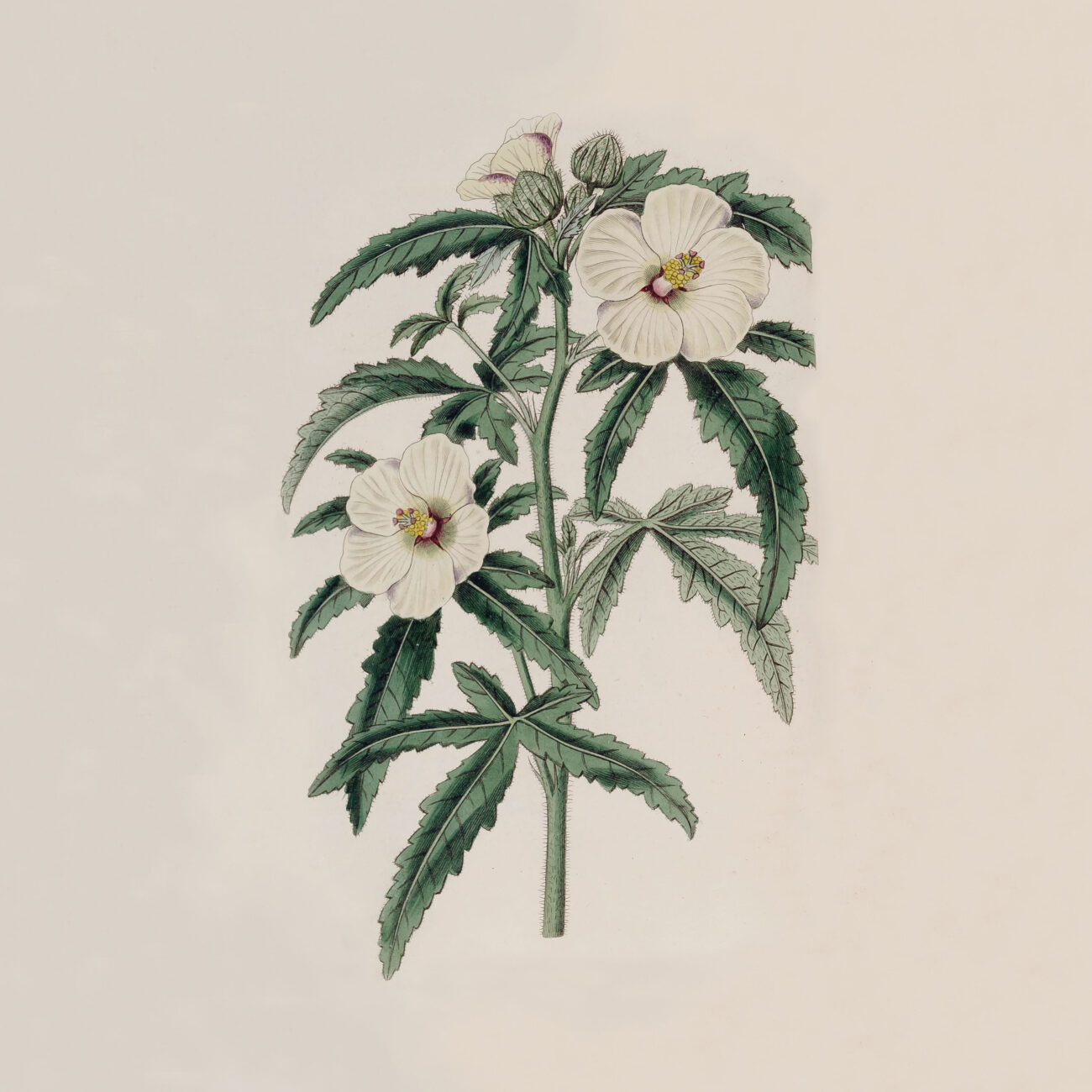
NEWS It’s tough to be a wallflowerBuff-tailed bumblebees, important pollinators in Aotearoa, have a taste for flowers with bigger “bullseye” markings at the centre, a study published in Science Advances indicates. UK scientists 3D-printed targets to mimic three species of hibiscus, and laced them with sugar water. |
|
|
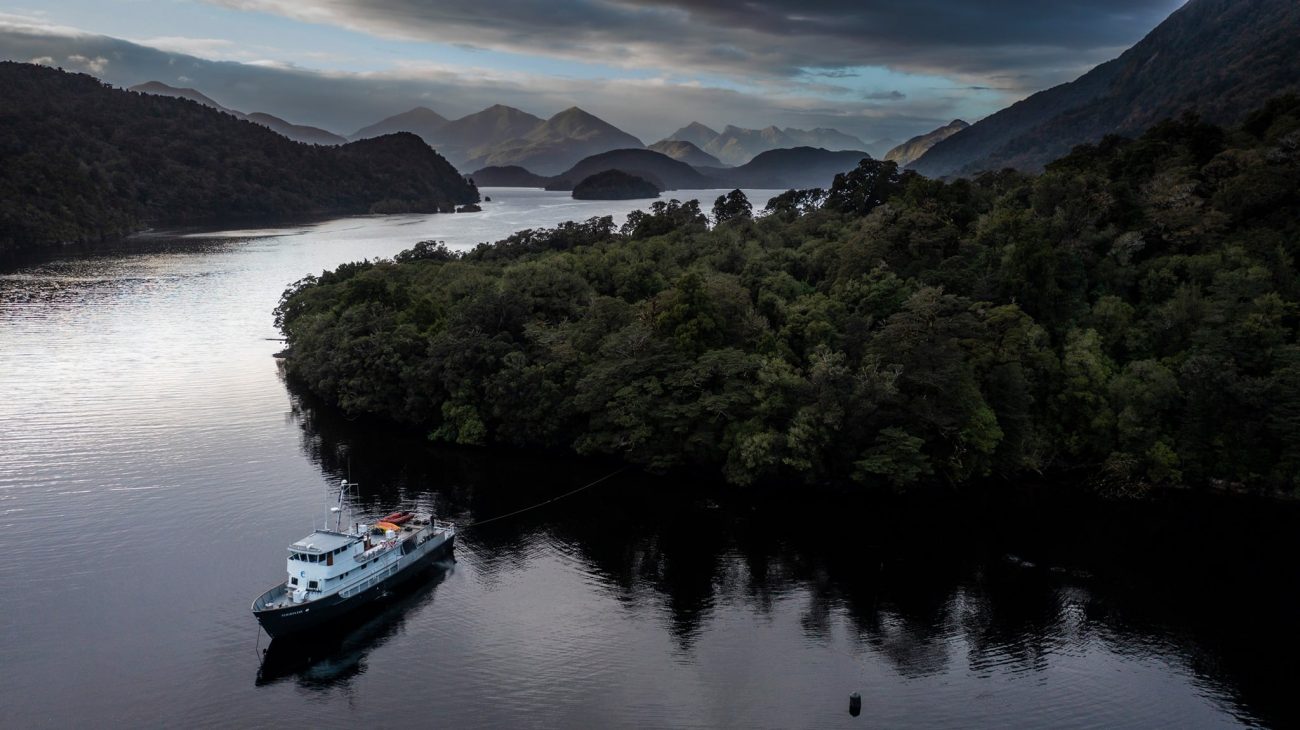
GIVEAWAY Be part of the storyPure Salt has been a long-time supporter of New Zealand Geographic—and a long-time protector of Fiordland—and they're offering subscribers a unique opportunity to join a research trip taking place next year. NZGeo writers and photographers will be aboard, searching for the elusive hāpuka, which were once abundant enough for midwater trawling in the fiords and regularly seen by scuba divers. Now, numbers are growing and they are returning to shallow waters, so the team will be exploring two of the 14 marine reserves in Fiordland as part of an editorial assignment. Paid berths are available for this excursion on 2nd - 6th of June 2025. As well as seeing the story up close, there will be plenty of time for all the regular activities. But anyone who has a subscription to NZGeo and fills in the entry form on the Pure Salt website will be in the draw to win a free berth worth almost $5000. |
|