|
|
Richard Robinson
|
|
|
ENVIRONMENT
The seafloor stores carbon, but trawling releases it again
A new study reveals that New Zealand’s huge ocean territory contains two billion tons of carbon, locked in the seafloor. If we want to fight climate change, it might be a good idea to keep it there.
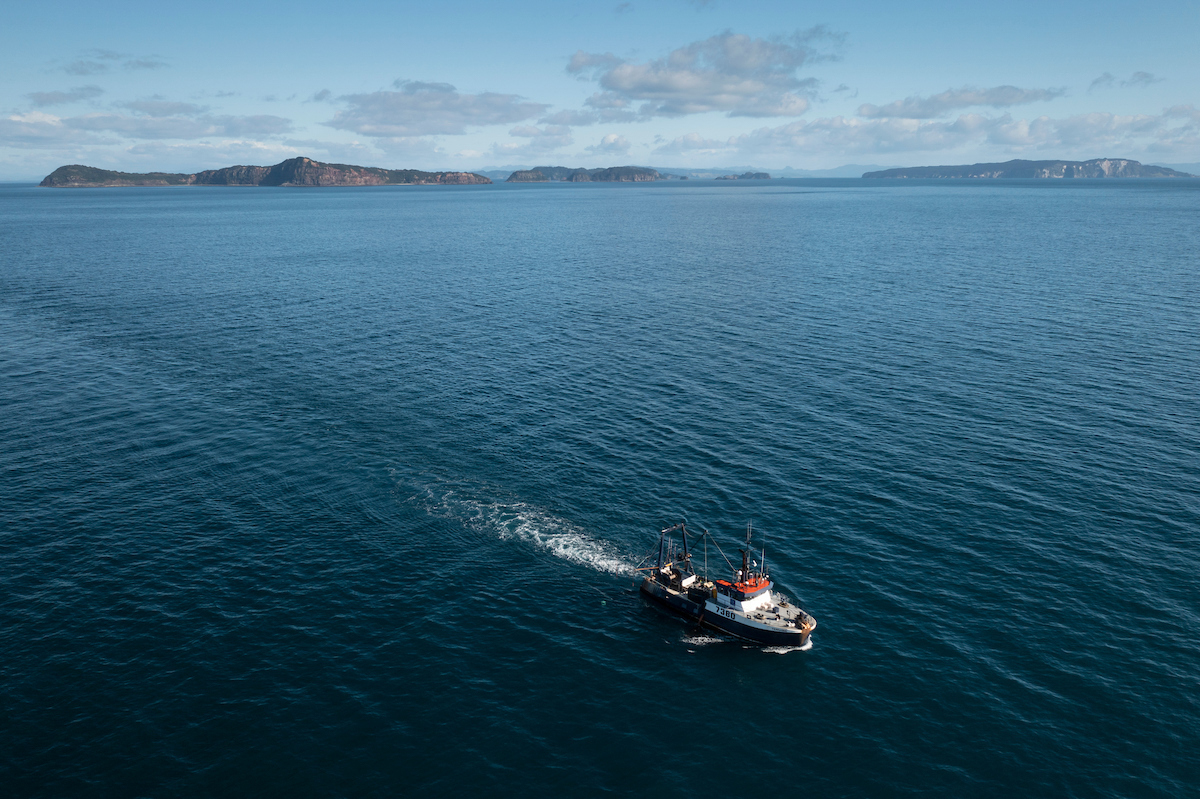
Currently, we’re the only nation still trawling on the high seas of the South Pacific, and we permit trawling within marine parks, such as the Hauraki Gulf Marine Park, pictured above.
Bottom-trawling isn’t the only activity which releases the ocean’s stored carbon. Deep-sea mining also disturbs carbon storage, and while new exploration is currently banned, it’s set to resume, according to the new government’s coalition policy announced this afternoon.
Keep reading...
|
|
|
|
Giselle Clarkson
|
|
|
JUST SO
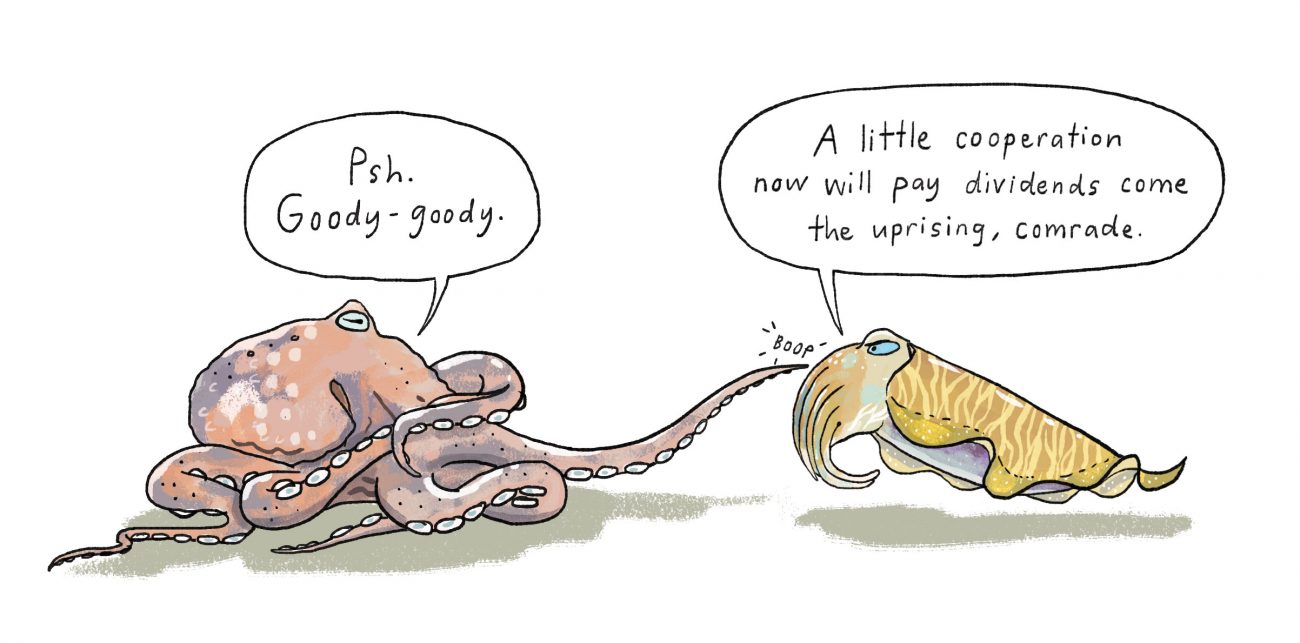
If octopuses are colour-blind, how do they camouflage themselves?
And why do cuttlefish make better lab subjects?
Both species are famous for their colour-rippling skin. Octopuses have a lightning-fast ability to match their environment, or to pretend to be something poisonous. Cuttlefish can change colour in less than a second.
And yet, octopuses and cuttlefish are colour-blind, with just one type of visual pigment in their eyes. Humans have three. Even blind Iberian moles have colour vision—they can sense colour through the skin covering their eyes. So how do these animals camouflage themselves with colours they can’t even see? Keep reading...
|
|
|
|
Neil Silverwood
|
|
|
WEEKEND READ
Qualifying as a rescue dog is the toughest test these pups will face
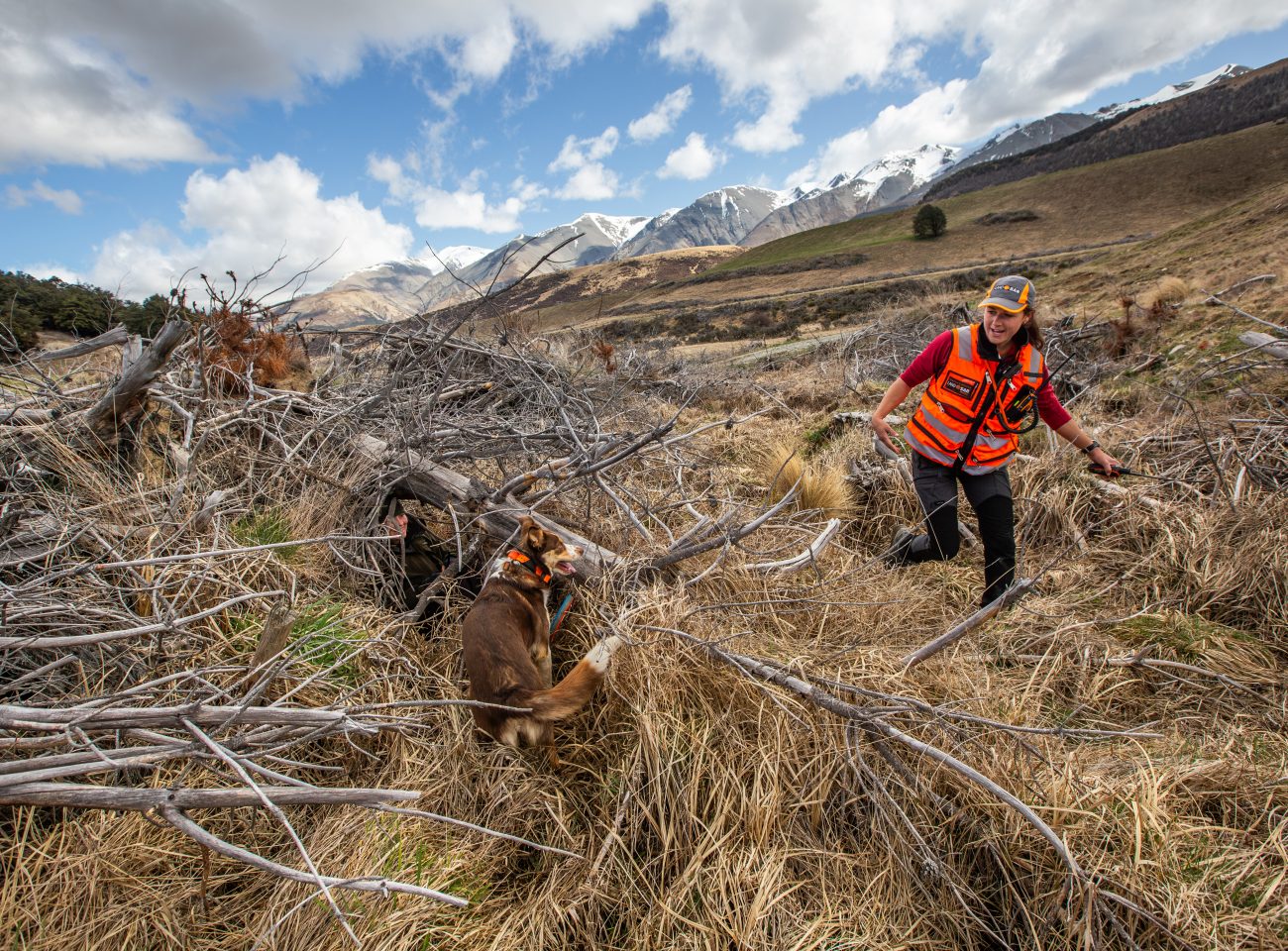
Trainee search-and-rescue teams—one dog, one human—meet at a twice-yearly event that’s part boot camp, part Survivor. Not all of them will make it through and become operational.
Becoming operational is when a team is officially certified by LandSAR to look for missing people. In practical terms, becoming operational means getting the chance to save a person’s life. And they do: New Zealand’s 16 operational dog teams were called on more than 100 times in the last year.
Standing between the trainees and becoming operational is an assessment they have to pass with perfect marks. Air-scenting dogs have to find hidden people; ground-scenting dogs have to follow a track. Both types of dog have to find hidden objects, known as articles. Keep reading...
|
|
|
|
SUBSCRIBE TO SUPPORT OUR WORK New Zealand Geographic is a Kiwi-owned family business striving to celebrate and investigate our environment and society. While advertising and retail income goes up and down, it is subscriptions from readers like you that power long-term journalism projects from around New Zealand and help us keep the lights on. It's not as much as you think—$8.50 every two months for digital, $12 for print or $16.50 for both... a gold coin a week. Check out the options.
|
|
|
|