|
Every winter, tens of thousands of New Zealanders fly to the Cook Islands. But what does the influx mean for the islands?
|
The Weekender |

|
|
|
Free newsletter
|
November 15, 2024
|
|

|
Publisher |
|
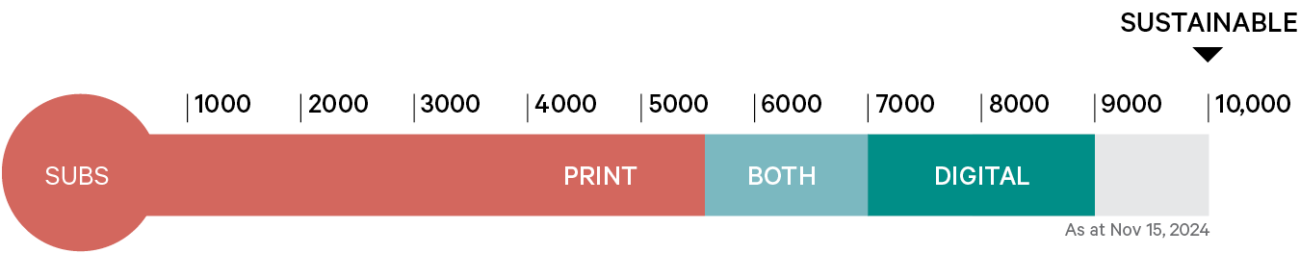
I'd like to start by thanking everyone who has responded to our We Need Your Help appeal. On Thursday we ticked over 1000 new subscriptions, putting us just 1000 short of our goal. Hundreds of readers have responded to our survey this week—it's still open if you'd like to participate in shaping the future of New Zealand Geographic. Next week I will do a full analysis of the results, but interestingly, when as about how we cover 'political' stories, 55% of readers said we got the balance about right, 31% wanted us to be more strident with our views, and 9% wanted us to be less politically engaged. Do you agree? Let us know. |
|
|
|
1000 new subscriptions received! Just over two weeks ago we had less than 8000 subscriptions, and thanks to the generosity of readers, today we have 9000. We need 10,000 to be sustainable. You can read more about why, here. NZGeo also makes a fantastic Christmas present—it's good value, enjoyed by all the family and arrives six times a year! Check out the options. |
||
|
|
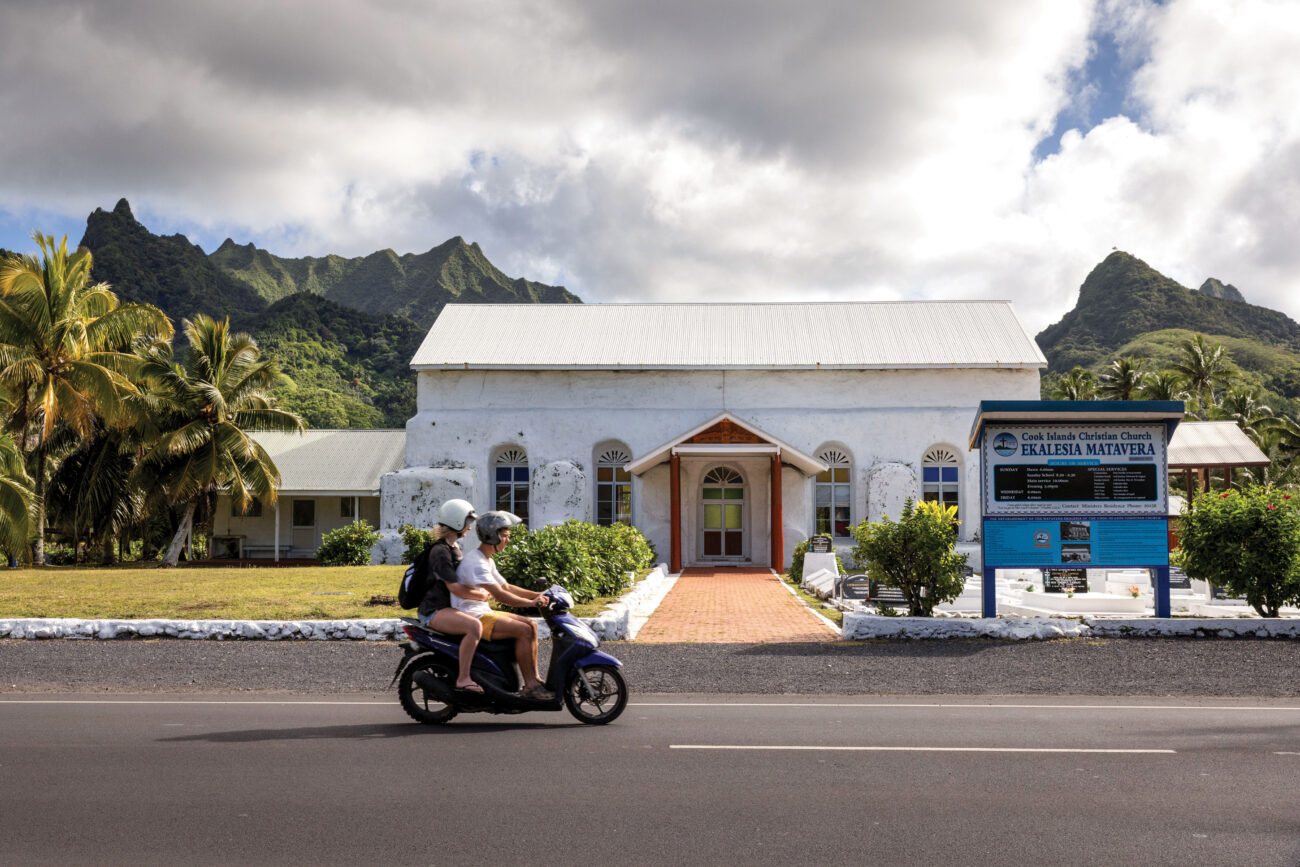
COOK ISLANDS Every winter, tens of thousands of New Zealanders fly to the Cook Islands. But what does the influx mean for the islands?Watched by a group of tourists in togs, Ravenga “Rav” Teau drags his index finger through the white sand. He sketches the Avaavaroa Passage—a break in the reef that rings Rarotonga and divides its see-through lagoon from the deep-blue ocean. The passage, about a kilometre from the shore, is a portal to the currents and creatures of the open sea. It’s a dangerous spot, but a favourite hangout of turtles, rays and fish—and, more recently, tourists like these, many of whom are new to snorkelling. “Most locals haven’t even done this,” Teau tells his charges. “Kids here get told to stay out of the passages. They really tried with us.” He laughs, nodding to his childhood friends standing nearby. As kids, these men lived to surf and to spear fish in this passage. Now they are trained lifeguards, paid to show people around it. This month, their group, Go Local Cook Islands, will be running five tours daily, alongside 11 other operators who have gravitated to this passage in the last few years. There are increasing concerns about what impact so many snorkellers might be having on the biodiversity of this spot—and for their safety. Don’t struggle against the current, Teau tells today’s group. Cruise with it, like Crush, the stoned turtle from the Disney movie Finding Nemo. Let the turtles come up for air. Don’t touch them. Don’t stand on the reef; it’s alive, and it takes years to regrow after it’s damaged. The currents change fast. Follow our lead. |
MORE STORIES ABOUT THE COOKS: |
|
|
|
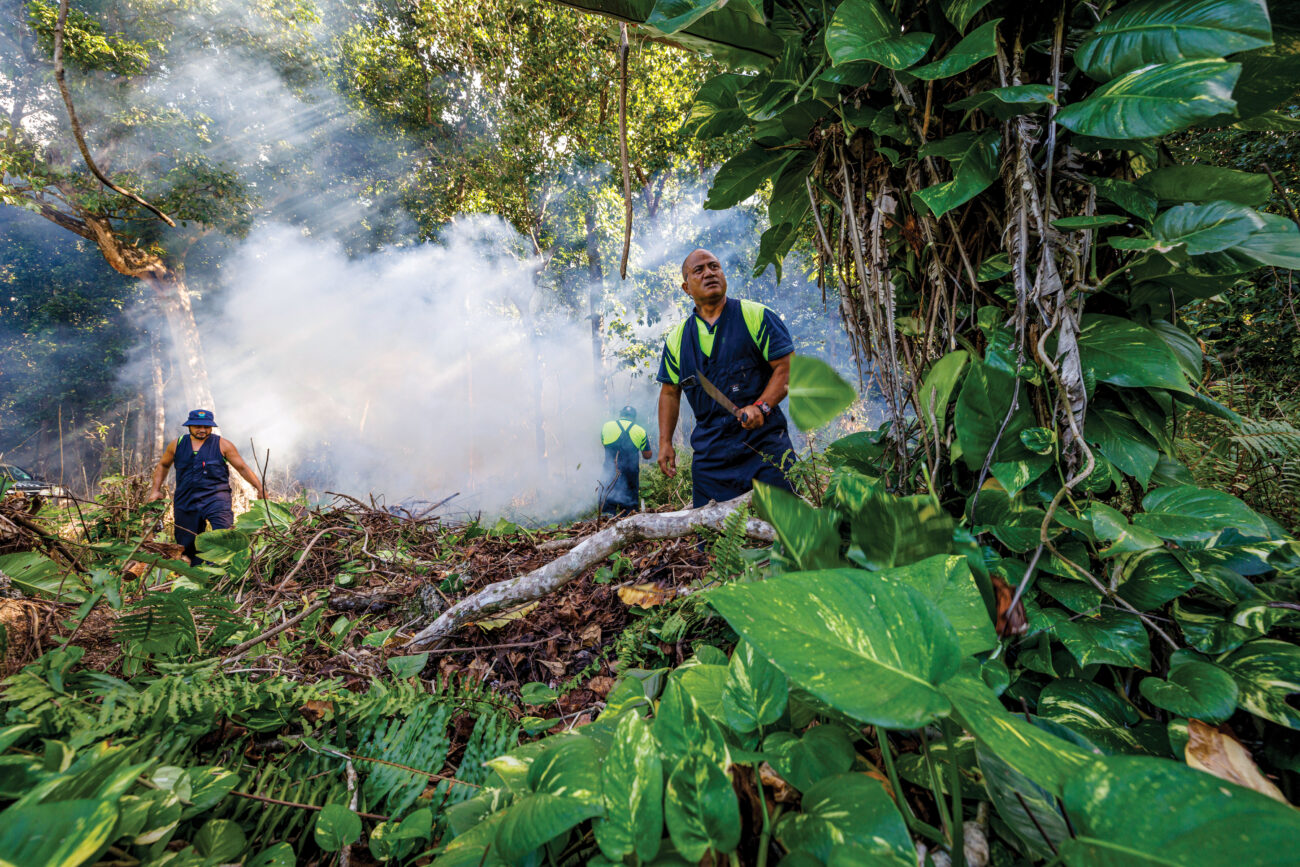
ENVIRONMENT Join the fight for NiueFor a journalist, there’s nothing better than seeing a story bring about real change. In ‘The Fight for Niue’ (Issue 189) Pete McKenzie and Richard Robinson tell the story of an endless ecological war with existential stakes: Taro vine escaped in Niue after being brought in as an ornamental. Feral cats, rats and mice are decimating birds. Wild pigs are devastating hard-won farms. Underwater, thousands of snails are steadily chomping through corals. If the people of Niue do nothing, in a matter of decades their island will go silent—their reef sucked dry, their forest replaced by an alien emerald monoculture. Now, reinforcements are on the way. The story inspired a reader, Barry Scott, to get in touch with Huggard Tongatule, the lead officer from Niue’s Department of Environment, who starred in the piece. The pair have set up a “weedbusters” trip—Scott wants to hear from anyone keen to visit Niue from September 8-19th 2025, for a holiday that’s part-tourism and part chainsaw massacre. The group, backed by officials from Niue and New Zealand, will target a one-hectare patch of the highly invasive African Tree Tulip. BYO secateurs, gardening gloves and whale-watching binoculars. The trip will cost upward of $5000 per person. Interested? You can contact Scott directly on 021 070 4848 or barryscott10@icloud.com. Meanwhile, a specialist squadron of beetles raised by Manaaki Whenua—Landcare Research has just landed on the island and set to work munching hoi, or air potato. The invasive vine chokes native plants and can form thick mats, smothering whole ecosystems. Because the vine wraps itself around other plants, it’s very hard to target with herbicides. But the air potato leaf beetle Lilioceris cheni has already proven effective in the US. The adults and larvae only eat hoi, leaving skeletonised leaves behind. They’re expected to thrive on Niue. Tongatule said using such “natural enemies” is the type of longterm, cost-effective and natural strategy “that is so desperately needed here”. |
|

|
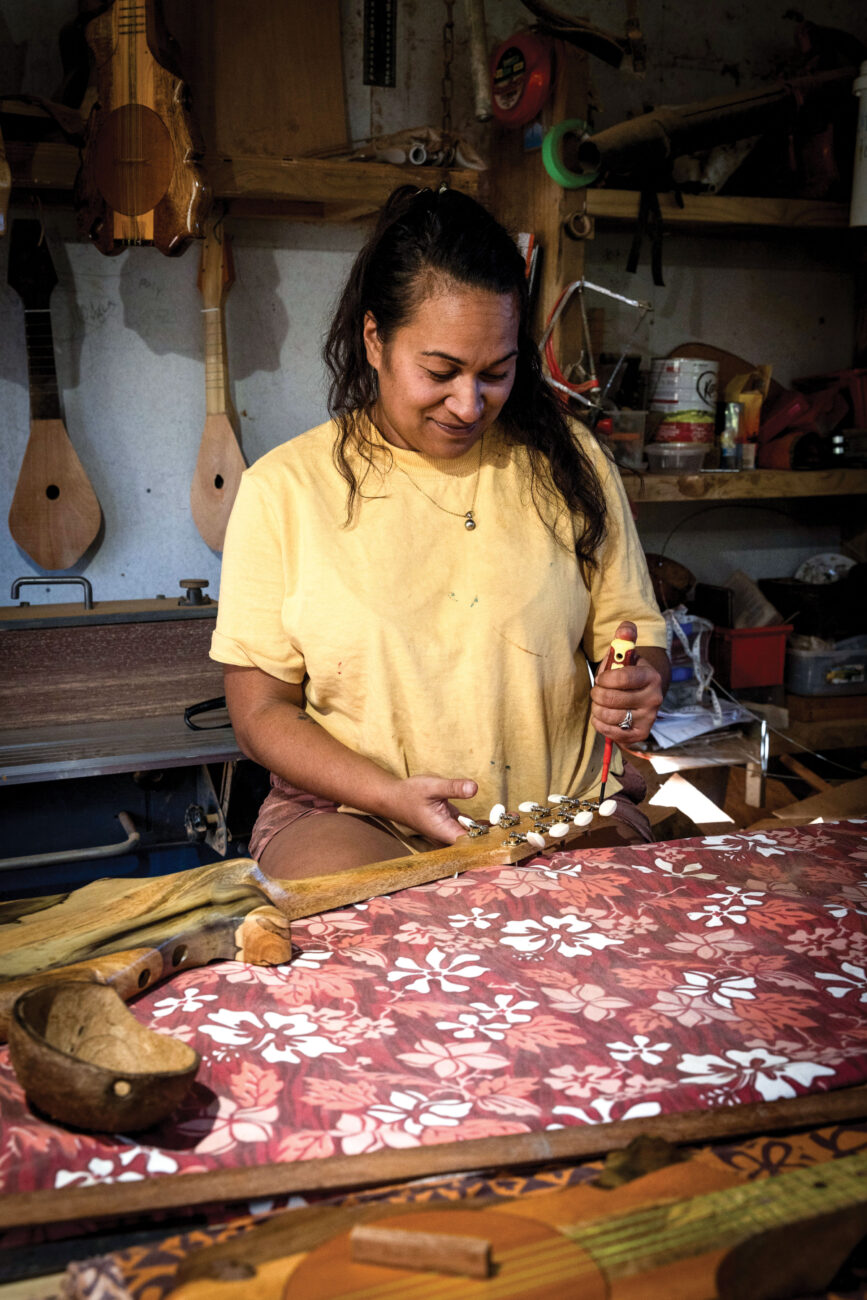
|
COOK ISLANDS How building a traditional vaka, and navigating like her ancestors, led Ana Maine home.In all the settings of her world, Ana Maine plays ukulele, and sings. Lullabies for her toddlers, Ahipakeka and Amos. Cook Islands Māori when she’s earning her living, carving and building ukuleles. When she’s voyaging aboard Marumaru Atua, a traditional canoe on which she’s a crew member, she serenades the night watch. Maine, 35, grew up on music. She was born in Invercargill. Her parents, who still live there, steeped their five children in the song, dance, and ethos of the Cook Islands culture. Both are first-generation migrants to New Zealand; the threads of their respective heritages connect to Rakahanga in the north of the Cooks and Mangaia in the south. Maine was trained to be the lead dancer and soloist in the Cook Islands dance troupe her father ran. Her sisters trained in dance, too; her brothers learnt ukulele. “We had no time for play after school,” she recalls. “It was always: practise dancing. It was always: practise a new song till midnight.” She studied art at the Southern Institute of Technology and started working at the age of 17. She also kept dancing. |