|
Unity. Discipline. Endless bobby pins. A story about what draws women to marching—and why they stay.
|
The Weekender |

|
|
|
Free newsletter
|
MAY 16, 2025
|
|

|
Publisher |
|
I’m in Europe to attend the World Press Photo awards, where NZGeo photographer Tatsiana Chypsanava tonight receives a gong for her long-term project documenting ten years of self-determination for Tūhoe. It’s a recognition of photojournalism that I don’t believe has been won by a Kiwi before. Drop her a congrats on Insta. Either side of the event I’ve been meeting with the Pulitzer Center, Reuters Institute, and publishers in the UK and Europe, all grappling with how to maintain quality journalism in the context of crippling commercial conditions, a lack of market regulation, changing media habits and the spectre of AI. It feels like truth, democracy and indeed reality have all become commodities of negotiable value, making real stories—that of Tatsiana’s—all the more important. For another story oozing local relevance, see Connie Buchanan and Lottie Hedley’s feature on marching, below. |
|
|
|
|
Is journalism about our environment important to you? If so you can support our work with a subscription—either print or digital or both— please check out the options.The more subscribers we have, the more great work we can produce. |
||
|
|
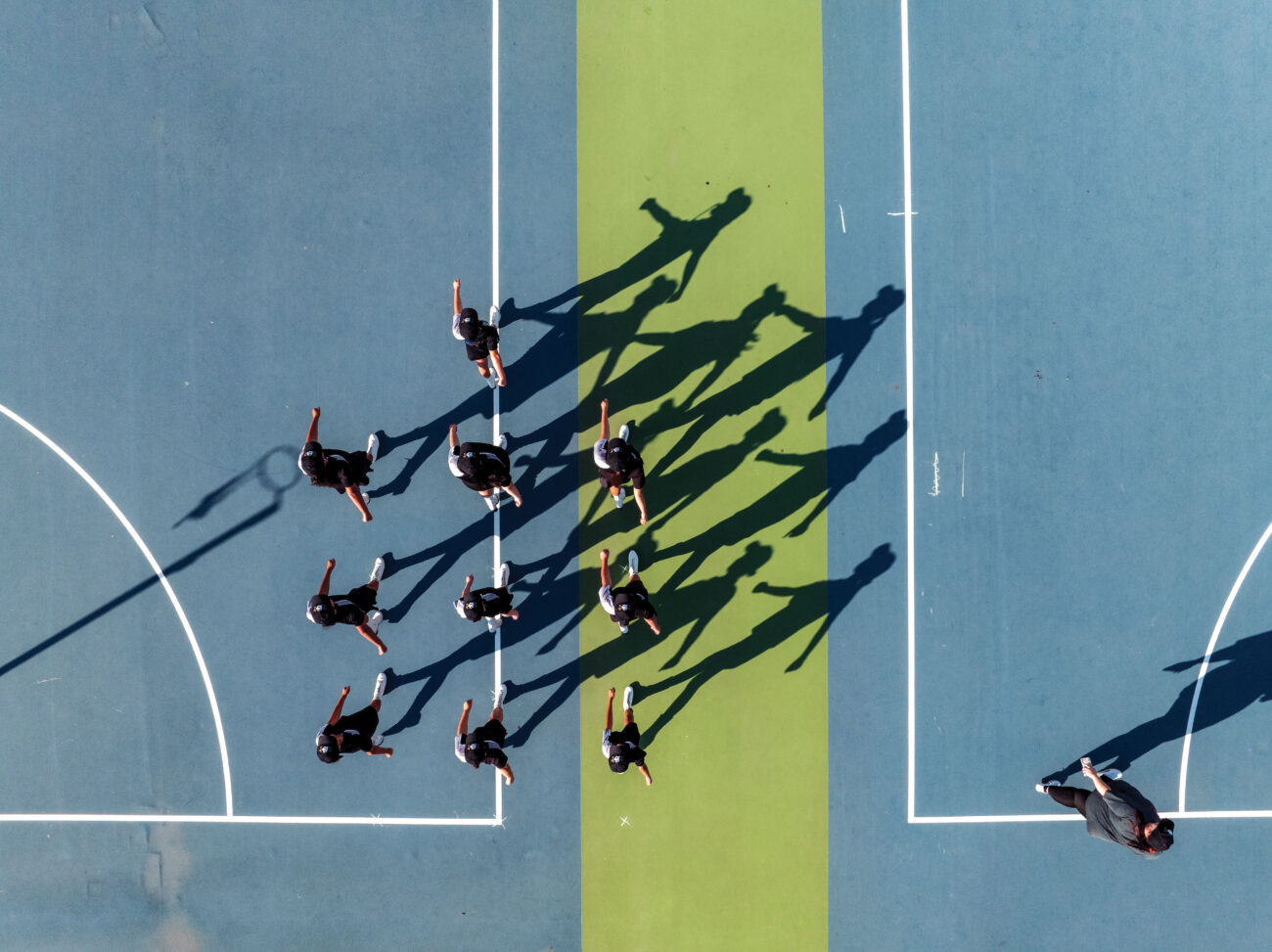
CULTURE Unity. Discipline. Endless bobby pins. A story about what draws women to marchingIn an empty carpark behind a hockey centre next to the Hamilton lake, the Madison Blues masters are warming up. Twelve women, aged between 32 and 67, get in the zone. They throw shoulders back, chests out, bodyweight forward, and lock eyes on middle distance. They’re in identical practice outfits: navy visors, pale blue polo shirts, navy trousers and those white leather boots that announce “marching”. On top of each head is a tightly wound bun gripped by a navy scrunchie. “Are you Karyne?” I ask the woman with the whistle. “No, I’m the other Karen,” she says, eyes whisking to one side, “Step up, Cherie!” A portable speaker blasts brass-band music and they’re off. Heel toe, heel toe, steel rods for spines, piston arms, around and around the carpark. Watching from a patch of shade, I’m aware of my slumped posture, the scruffy hem on my shorts. The women have been up since dawn. They’ve travelled from Rotorua, Tauranga, Tokoroa, Morrinsville, Whakatāne, Te Kuiti and elsewhere, arriving loaded up with matching navy-blue hanger bags, and containers full of sausage rolls and biscuits neatly imprinted with the fork-tines of home baking. |
MORE CULTURAL ODDITIES: |
|

|
|
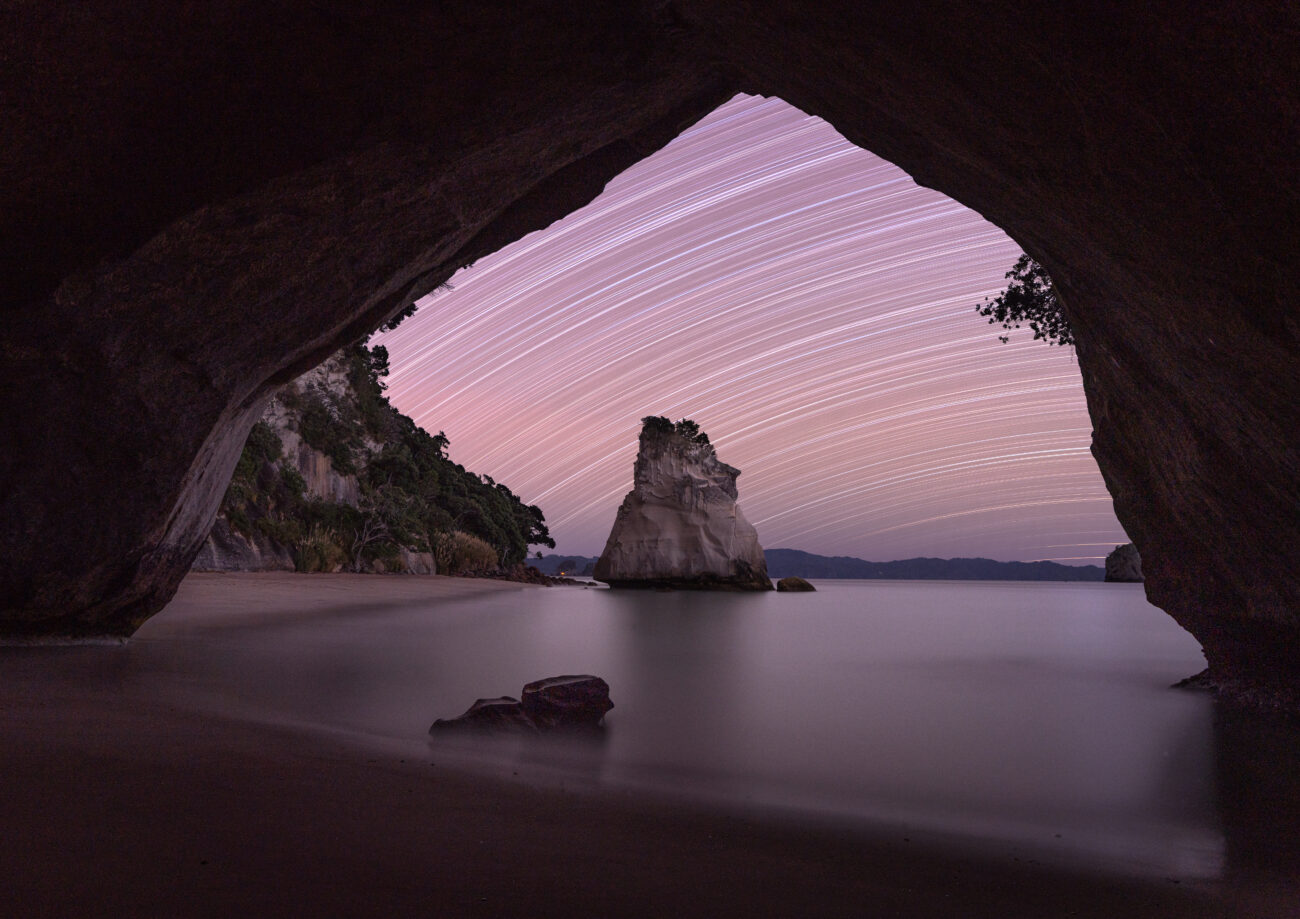
PHOTOGRAPHER OF THE YEAR Introducing a new category: Stardome AstrophotographyIn 2025 we are introducing a new category for Photographer of the Year in association with a new sponsor, Stardome. Astrophotography is one for the stargazers and night owls, as much a technical challenge as a celestial art. For those interested in the nerdy details, all of the same rules of the competition apply to ensure that this is real photography, but it does allow for some of the in-field and in-camera tricks employed by astrophotographers to get the most of their gear: exposure-stacking, star-tracking, de-noising, light-painting, panoramic-stitching are all allowed... but not dodging/burning or adding/deleting anything from the frame. Software enthusiasts can stay at home—this is one for those patient, practical intrepid star followers. |
|

|
|
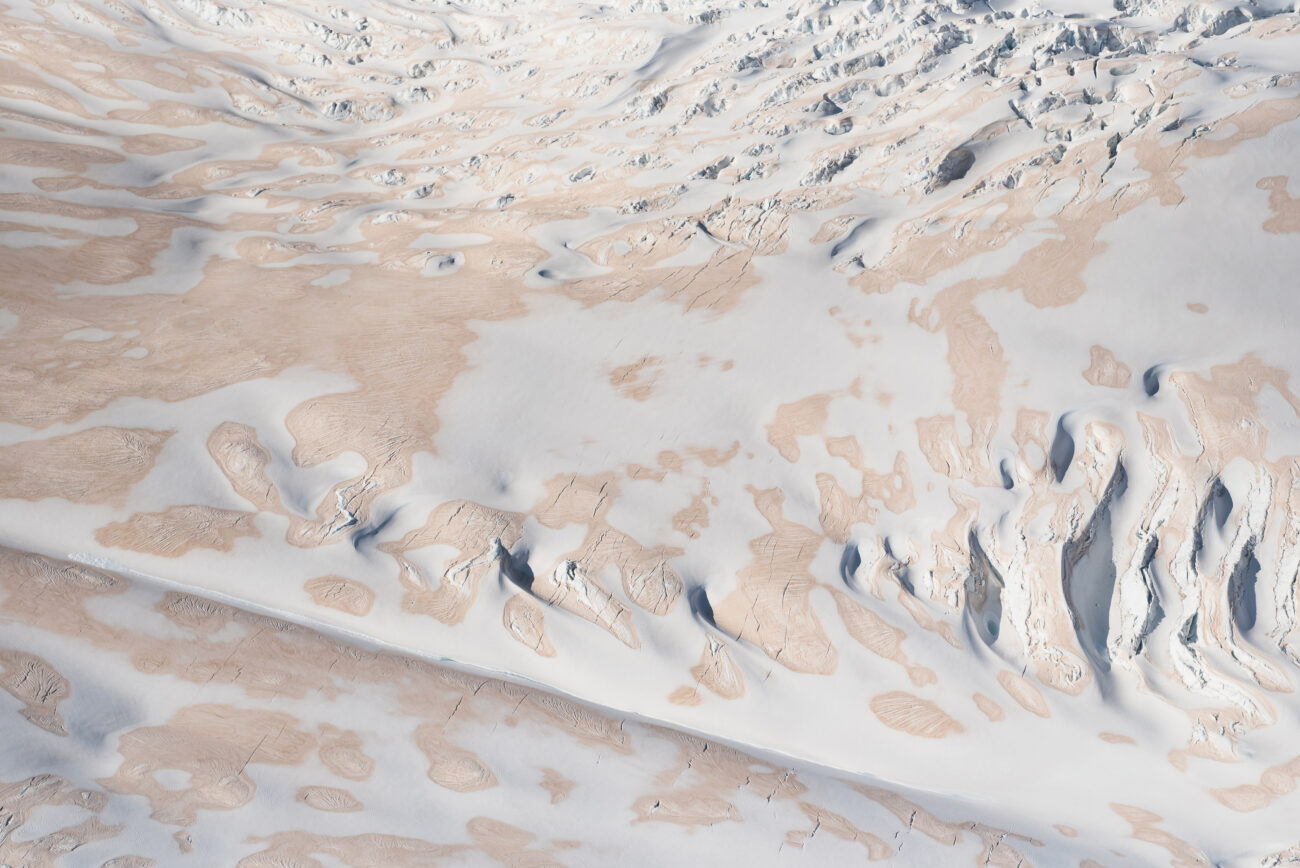
SCIENCE Dust to dustRemember the sky on New Year’s Day of 2020? Across the South Island the air was thick and hazy, the sky an eerie yellow. Satellite images showed a brown cloud of smoke from massive Australian bushfires stretching all the way across the Tasman. When it reached the North Island, clouds over Auckland turned an apocalyptic orange. About the same time, caramel-coloured dust appeared on Fox and Franz Josef Glaciers and blanketed the snow cap on the Southern Alps. This was caused by the bushfires, too, the media reported. Or was it? Photography showed the dust coating the alps weeks before the late-December bushfires. New Zealand researchers analysed dust samples and found it actually came from the Australian desert, not the fires, and was carried across the sea on extraordinarily high winds. This phenomenon is rare, but not unprecedented: desert dust has coated the alps nine times since 1902. It’s not just an aesthetic change. Dust absorbs more sunlight than ice because it’s darker in colour, so it causes snow and glaciers to melt more quickly. |
|
|
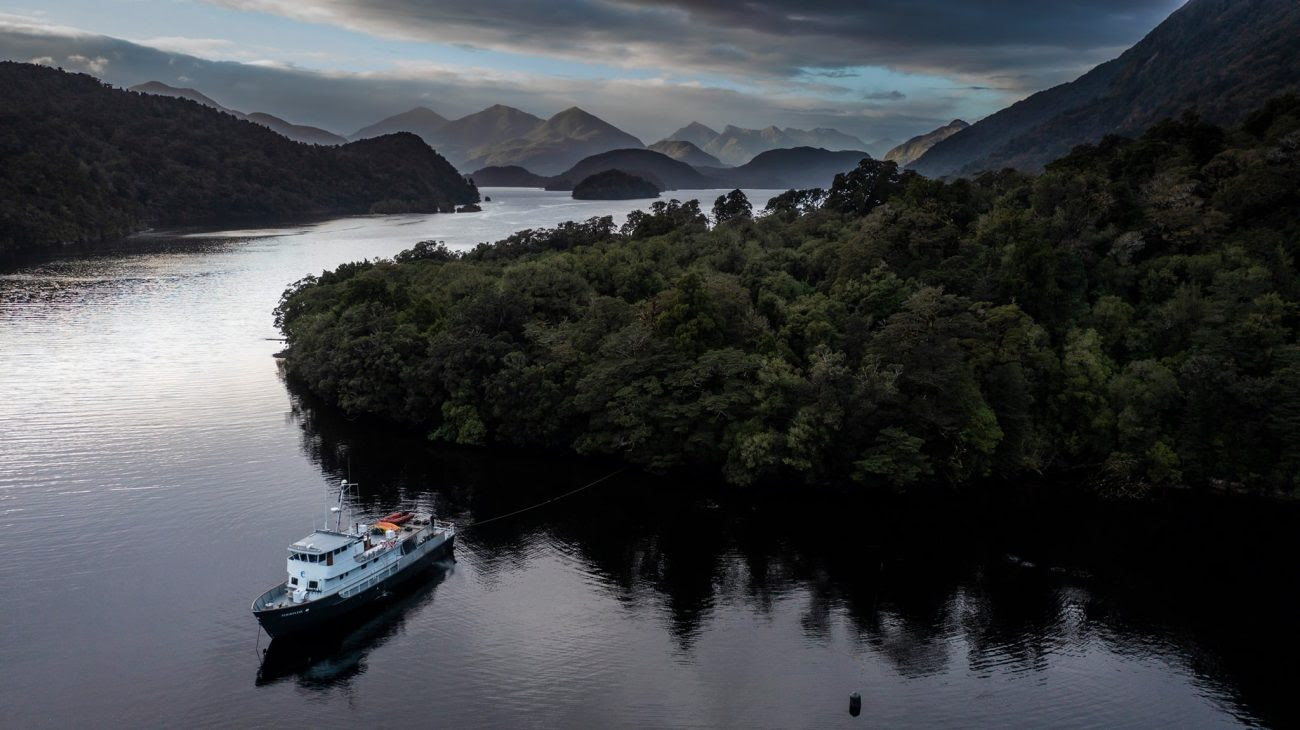
PARTNER CONTENT She's part of the storyPure Salt has been a long-time supporter of New Zealand Geographic—and a long-time protector of Fiordland. They have just announced the winner of a competition offering NZGeo subscribers an opportunity to join a research trip taking place soon as part of an editorial assignment. Congratulations to Sandy Connon, who will join NZGeo writers and photographers searching for the elusive hāpuka, which were once abundant enough for midwater trawling in the fiords and regularly seen by scuba divers. Now, numbers are growing and they are returning to shallow waters, so the team will be exploring two of the 14 marine reserves in Fiordland. Paid berths have sold out of this excursion, but you can always put your name down for the 2026 expedition here. |