|
What's a bird gotta do these days to get ahead; competitive woodchopping; eating our problems.
|
The Weekender |

|
|
|
Free newsletter
|
MARCH 8, 2024
|
|
 |
Senior editor, digital |
|
Is it just me, or is every piece of environmental news terrible right now? I feel like I’m at my limit of reading about how microplastics are giving us heart attacks and that last month was the hottest February in ever. My bad-news meter is over the limit. Which is why I’m so interested in this new finding that the majority of people around you would give up some of their own money to stop climate change. And an even greater proportion of people want more political action on climate change. It sounds almost fake, right? Sometimes you look at a study like this and it turns out to a survey of 30 undergraduates in one European country–too small and biased to be remotely useful. Not so here. This study surveyed 130,000 people across 125 countries, and found that almost 70% of them would pay 1% of their household income to help stop climate change. The most fascinating part? The researchers also found that the majority of people didn’t think others around them wanted to help. As they say: We’re constantly underestimating the willingness of those around us to act. |
|
|

|
WILDLIFE The life and times of Shag 224796Shag 224796 got her GPS backpack in September 2023, a couple of months after her face turned bright green and the ring around her eyes went from grey to turquoise. Disco season. Up until Christmas Eve, her life was pretty ordinary. Over spring, she clocked up hundreds of dives a day, mostly at the mussel farm in the Firth of Thames, commuting back and forth between there and her nest on Tarahiki/Shag Island to feed her chicks. Tarahiki is a jumble of rocks off the eastern coast of Waiheke Island, and it’s the only shag colony left in the Hauraki Gulf. Turns out that staying alive is pretty hard work these days. |
|

|
|
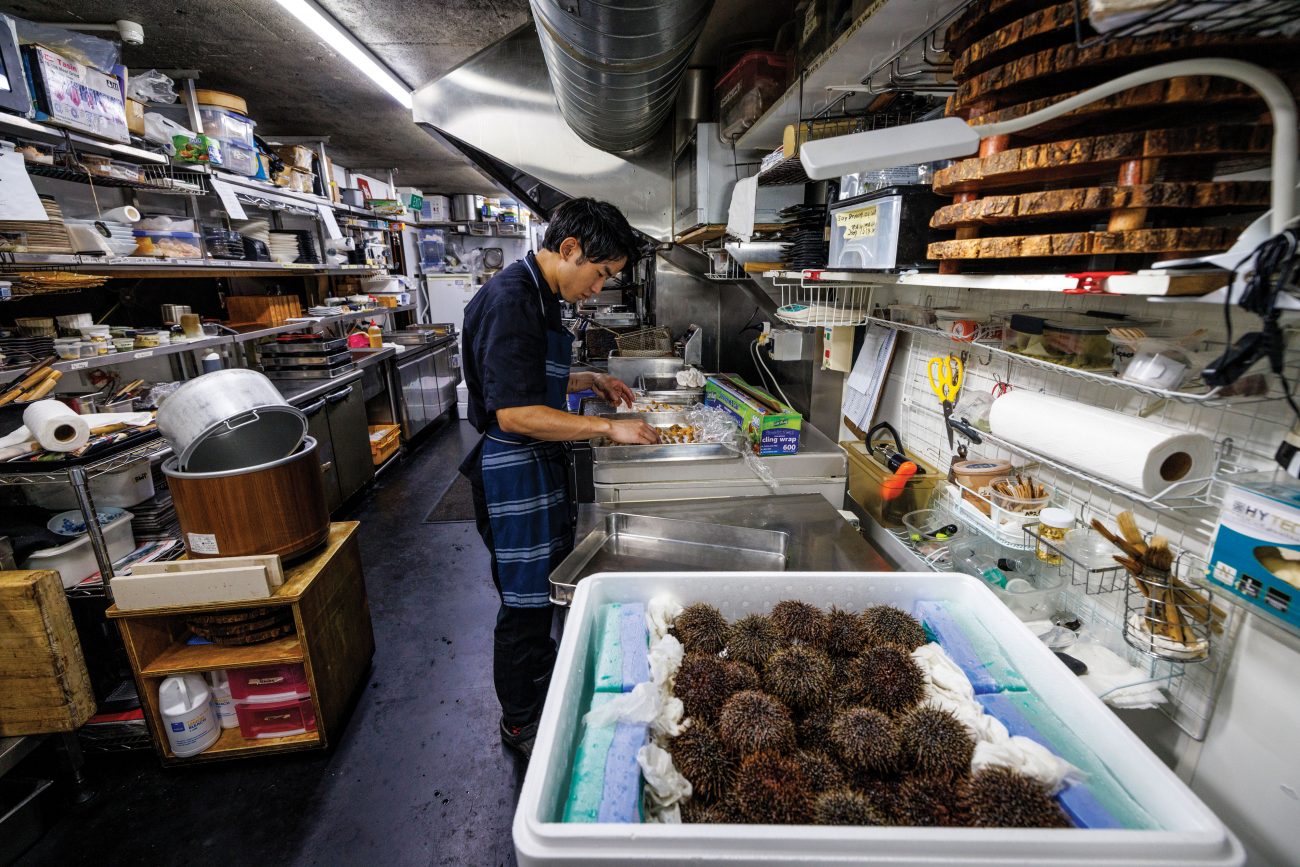
OCEANS Latest podcast episode: can we eat our way of our kina problem?You might remember this story from the previous issue of New Zealand Geographic—now it’s been brought to sonic life with the help of RNZ. There’s never been a New Zealand kina export industry, even though sea-urchin roe is a delicacy around the world. The problem is, people overseas don’t love the flavour of our kina. They find it bitter, with a metallic aftertaste—perhaps because of the particular kelp our species grazes on. It turns out kina is an acquired taste, like Marmite or feijoas. A bunch of entrepreneurs, though, have a secret weapon. In fact, it’s a secret recipe. The idea: feed up captive kina on great-tasting food, and see if that turns New Zealand sea urchins into a culinary hit overseas. |
|
|
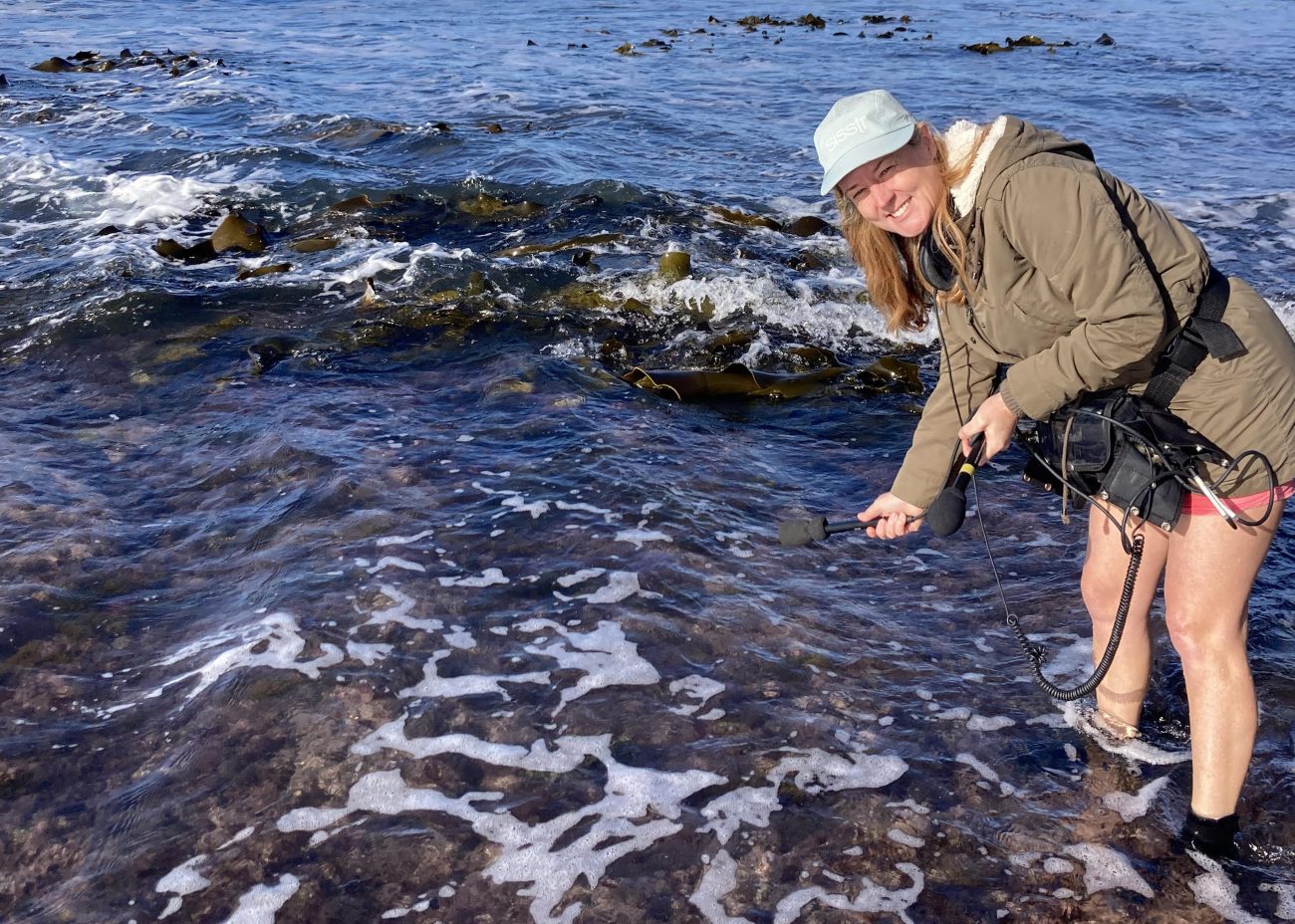
IN THE FIELD Kate Evans interviews the oceanOver the last two years, Raglan-based journalist Kate Evans has been reporting stories about the sea. A year ago, she switched to using radio-quality audio-recording gear so that her stories could become podcasts. (The first two are out now.) She’s been trying to capture the sound of kina cracking open, the noise of a baby whitebait feeding frenzy, and anything other than the drumming of rain during a 24-hour Fiordland deluge. In collaboration with Claire Concannon, who hosts Our Changing World on RNZ, the two have been sending snippets of audio back and forth for the last few months—including one clip for the kina story, above, which was was at first judged to be inadequately romantic. Decide for yourself... |
|
SUPPORT OUR JOURNALISM News this week of the gutting of NewsHub and axing of scores of jobs at TVNZ makes for grim reading. Our thoughts go out to our colleagues with their livelihoods on the line. New Zealand Geographic faces the same pressures—a decline in advertising, skyrocketing costs, and the unregulated influence of international tech giants. It is subscriptions from readers like you that keep the lights on, and power long-term journalism projects to understand New Zealand's environment and society. Our paywall allows free access to a limited amount of content per month, but if you like what you see and value our work, please subscribe. It's not as much as you think—$8.50 every two months for digital, $12 for print or $16.50 for both... a gold coin a week. Check out the options. |
||
|
|
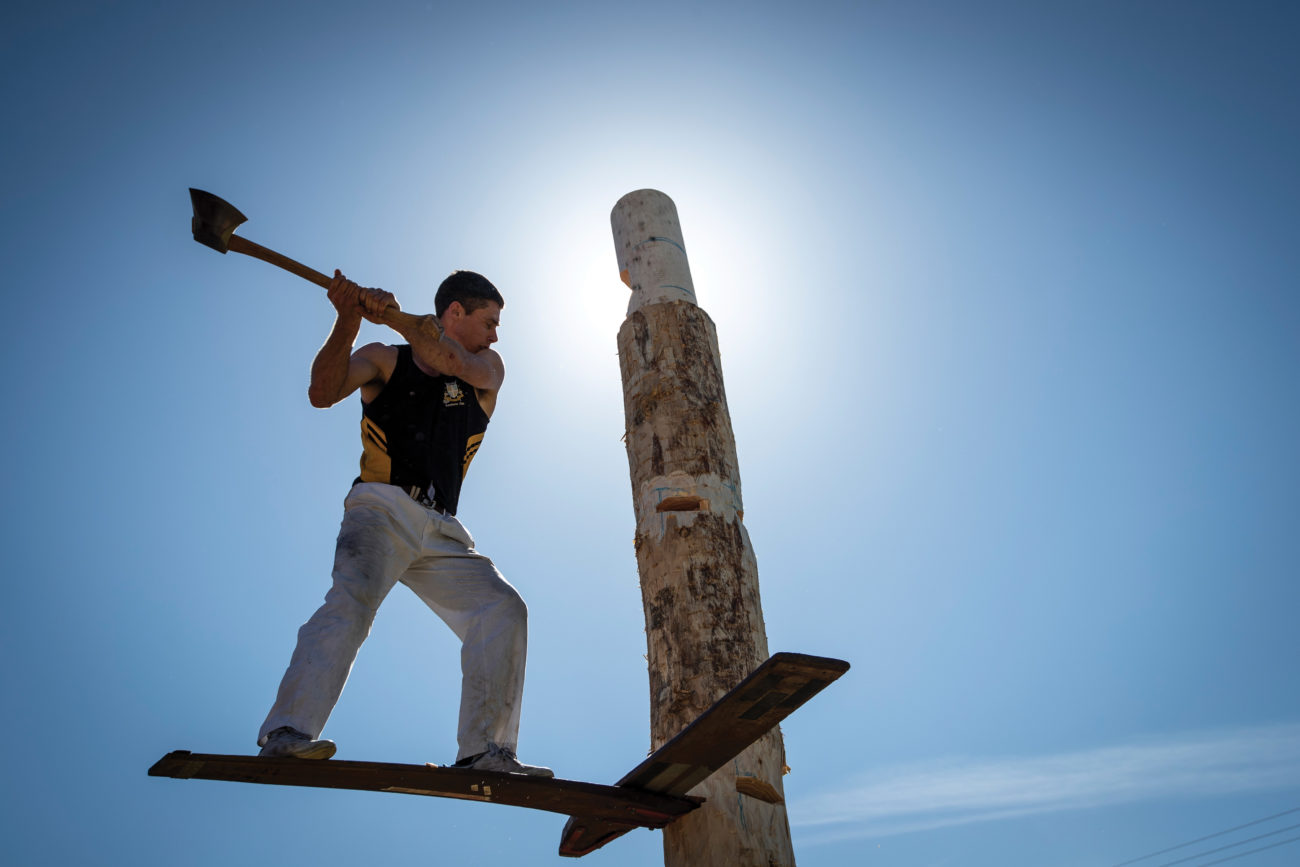
FROM THE ARCHIVES Up for the chop: a new star in the world of timbersportsThis week, I was chuffed to read about an up-and-coming champion: 16-year-old Jack Matthews, who’s busy taking timbersports titles off people a decade older than he is. In the world of competitive woodchopping, Matthews’ star is ascendant: he’s already made the New Zealand Under 21 team (which crucially beat Australia 3-0 in a series of chops last year). For a look into the world of timbersports, I highly recommend Naomi Arnold and Richard Robinson’s story on axemen and axewomen, the A&P shows that host them, and our country’s top chopper. |
|
|
|
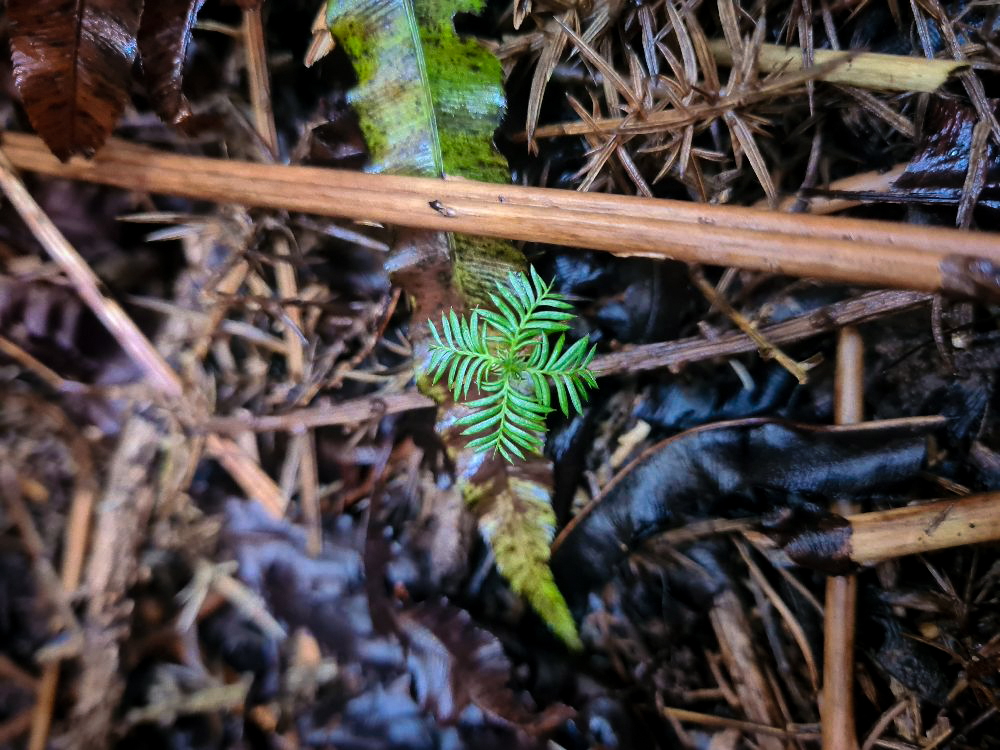
PARTNER CONTENT Our three-dimensional climate challengeTo get even close to climate targets, the government estimates New Zealand needs to permanently reforest at least one million hectares of land—3.7% of the total 26,871,000 hectares that make up our home. Climate Commission advice says we must reduce climate pollution by the equivalent of 43.5 megatonnes of carbon dioxide between 2026 and 2030—about the same as what 3.6 million cars would emit in the period. “There’s also an estimated million hectares of permanent reforestation needed to protect erosion-prone areas,” says Ekos founder Sean Weaver. “Add in addressing lost biodiversity, and we face a three-dimensional climate action challenge. We each need to make a decision to be part of the solution. No matter how small the step, it all matters.” |