|
Dolphins vs politicians; what happens when you don't have an emergency plan; penguin intel
|
The Weekender |

|
|
|
Free newsletter
|
March 29, 2024
|
|
 |
Senior editor, digital |
|
Happy Easter! By the time you read this, I’ll hopefully be in front of the fire in a DOC hut drinking my second hot chocolate. It’s been an eventful week. On Monday, a report revealed that Hawke’s Bay hadn’t made emergency plans for a large-scale flood, despite 80 per cent of its people living on a flood plain. The worst part: investigators found that compared to other regions, its emergency preparedness was pretty good. Take a look at Rachel Morris’s story about what “pretty good” emergency planning looks like... and then perhaps ask your regional council about its civil defence plans. On Thursday, the government definitively squished plans for an ocean sanctuary at the Kermadecs. Minister of Oceans and Fisheries Shane Jones derided the idea of “a no-go area for Kiwis making a living from the sea”. Very few Kiwis presently make a living from the sea in this area, points out Victory University professor Jonathan Gardner. But Jones’s comments highlight a false notion that protecting nature is fundamentally at odds with economic prosperity, as opposed to a prerequisite for it. It was the unfortunate bookend on a week that had started with a controversy that unnecessarily pitted dolphins against development. |
|
|

|
SOCIETY Hawke’s Bay had no emergency plan for a big flood“When I started reporting on Cyclone Gabrielle,” writes journalist Rachel Morris, “I assumed that the entire purpose of Civil Defence was to game out the worst things that could possibly happen and develop plans to deal with them—the institutional equivalent of a go-bag.” But it turns out that under New Zealand’s rickety emergency management system, a plan can mean many things depending on where you live. In theory, local and regional councils in charge of civil defence are required to have various planning documents, and Bush’s review found Hawke’s Bay’s overall civil defence strategy to be ‘as good as any we have seen’. In fact, there are no national standards or oversight to ensure civil defence plans have the kind of practical, operational specifics needed to run a disaster response. Cyclone Gabrielle was an object lesson in just how much can go wrong when you don’t have a plan. |
|
|
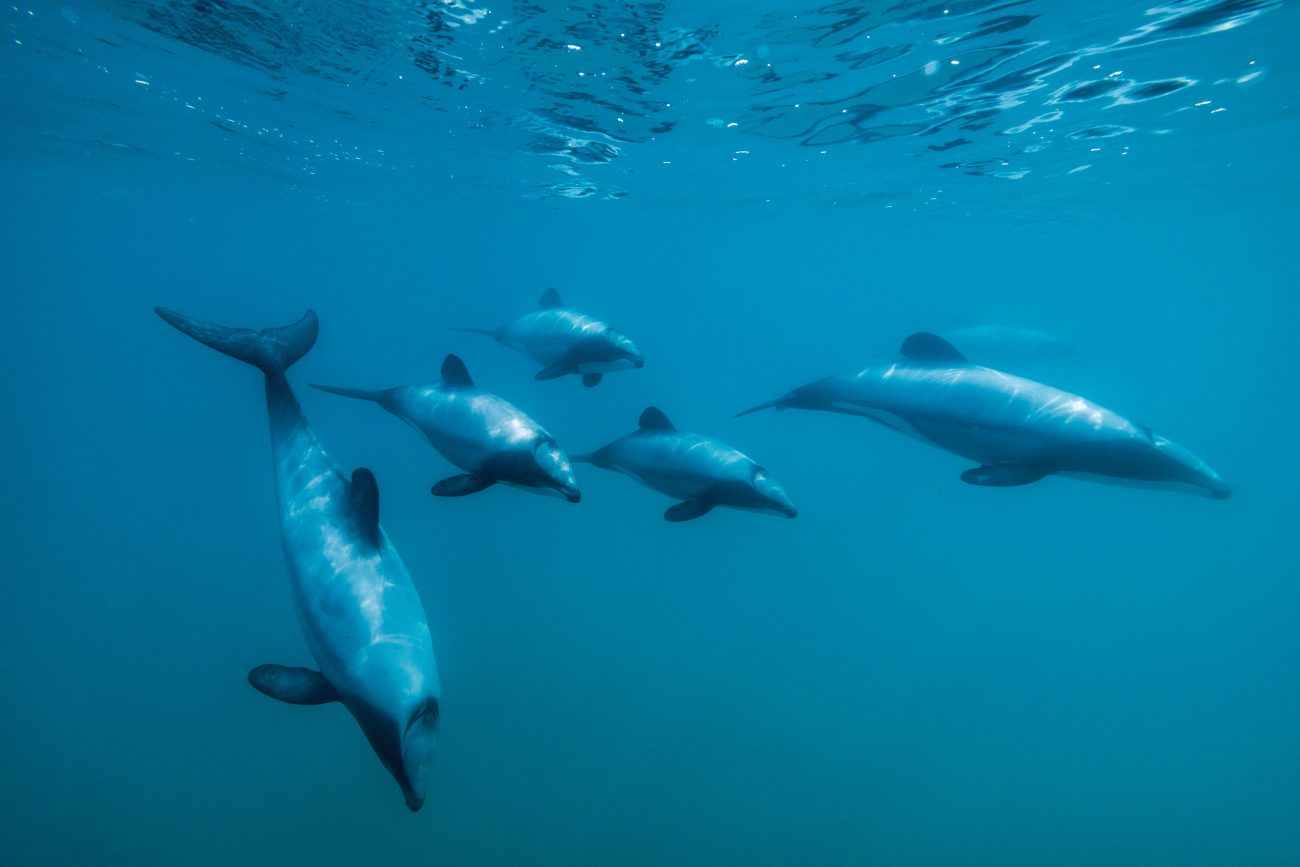
OCEANS We don’t have to make a choice between dolphins and prosperitySailGP wanted to run a yacht race in a marine mammal sanctuary. They made a plan in the event of dolphins swimming into the course. Dolphins happened. They stuck to the plan. The racing was wildly successful. “Is it just me,” asks publisher James Frankham, “or does this seem like a good outcome for New Zealand?” This is the smallest dolphin in the world, about about the size of golden retriever, with a similar temperament—they will bound up to any boat in the harbour and surf on the bow wave or skip along its wake. They’re the colour of an overcast sky but for a sooty paintbrush stroke along the side that appears to describe the flow of water. A crescent fin on top, two dish-shaped pectoral fins on the side. But in the weekend, the dolphin—just one dolphin—was intent on persistent loops around the centre of the SailGP course. |
|
|

|
SUBSCRIBE TO SUPPORT OUR WORK New Zealand Geographic is a Kiwi-owned family business striving to celebrate and investigate our environment and society. Subscriptions from readers like you that power long-term journalism projects from around New Zealand. It's not as much as you think—$8.50 every two months for digital, $12 for print or $16.50 for both... a gold coin a week. Check out the options. |
||
|

|
FROM THE LATEST ISSUE Every living thing leaves a tiny trace, and we can follow themShaun Lee hunts a ghost, a silvery apparition that dwells now only in museums and regret. And maybe—just maybe—a last few backwaters. The grayling is the bad-joke poster child of Aotearoa’s freshwater management: famous as our only protected freshwater fish, and farcical for the fact that it’s extinct. The last time anybody indisputably saw one was in 1925, in the Waipu River in Northland, although newspapers ran anecdotal reports of sightings up to the 1950s. Freshwater ecologists who’ve modelled its oblivion say a few may have hung on in the backcountry until the 1970s. But Lee reckons it’s worth one last look. His chances, he allows, are as remote as the distant reach of Lake Alice at the head of Fiordland’s George Sound. But that is where the experts pointed him, and so Lee chartered a helicopter to take him there. The trip cost as much as a trip to London, and he was allowed only minutes at the lake. But that was enough. After all, it’s not like he has to actually catch a grayling, or even see one. All he has to do is fill a few small syringes with water. |
|
|
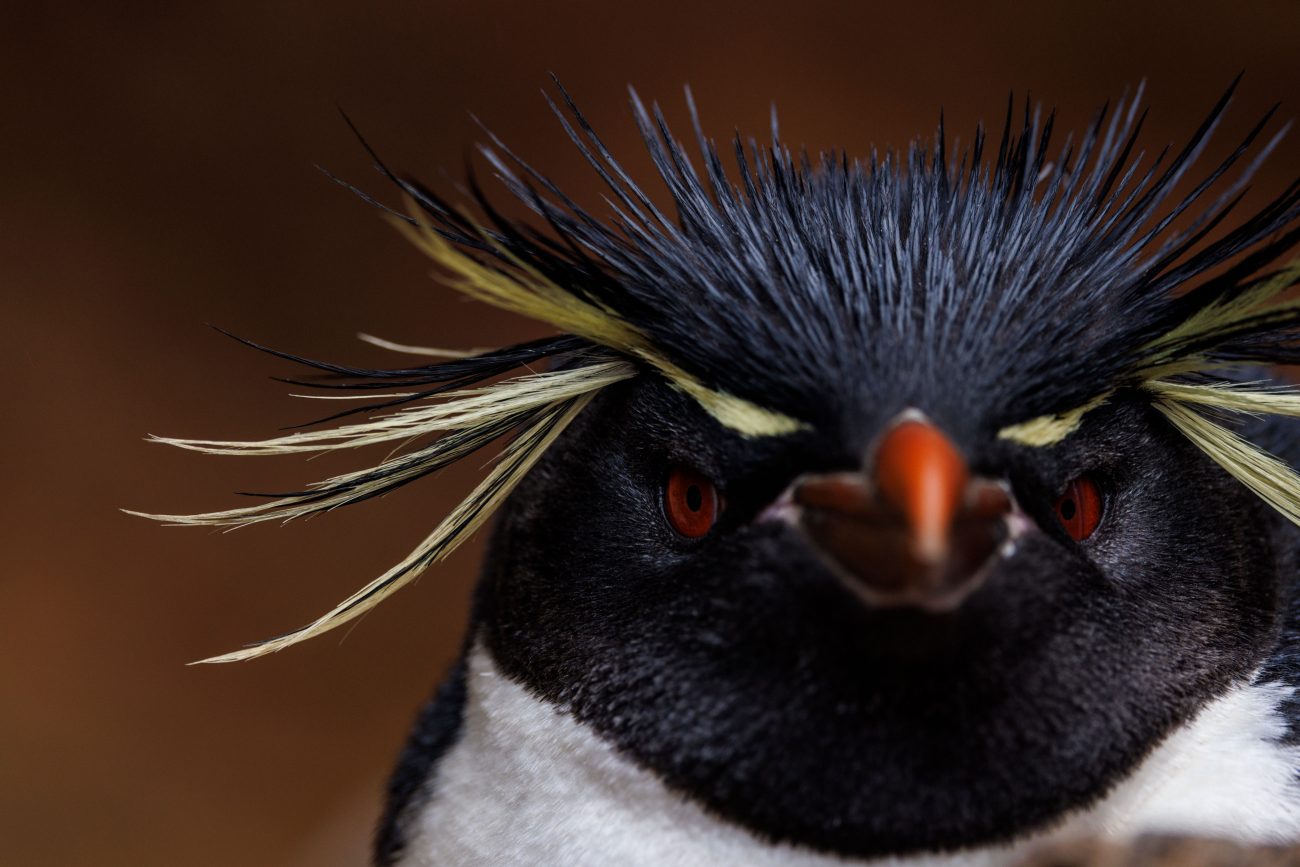
OCEANS Latest podcast episode: A tale of two islandsThe Bounty Islands jut out of the water like giant granite fins. Steep and sheer, with no greenery in sight. They are covered instead by a mottled white—guano or bird poo from the tens of thousands of penguins and albatrosses that come here to breed. They are one of two remote, subantarctic island groups home to the erect-crested penguin. Stout and handsome, with bright yellow crests that look like elaborate punk rock hairdos, the penguins’ remote homes mean they’ve not been studied in depth. Now, scientist Thomas Mattern plans to change that. Listen to the podcast episode here, then read the story here to see photographer Richard Robinson’s pictures. |
|

|

|
reader expeditions Melanesian mosaicNew Zealand Geographic’s next reader voyage in collaboration with Heritage Expeditions will head outside New Zealand borders for the first time, with guests invited to experience the rich history, cultures and wildlife of Melanesia. Joining the 17-day voyage to some of the most remote and rewarding parts of Papua New Guinea, the Solomon Islands and Vanuatu will be acclaimed author, scientist, environmentalist and explorer Tim Flannery. SHIP: Heritage Adventurer For more information about the expedition and to book your trip, click here. |