|
Tatsiana Chypsanava wins at World Press Photo
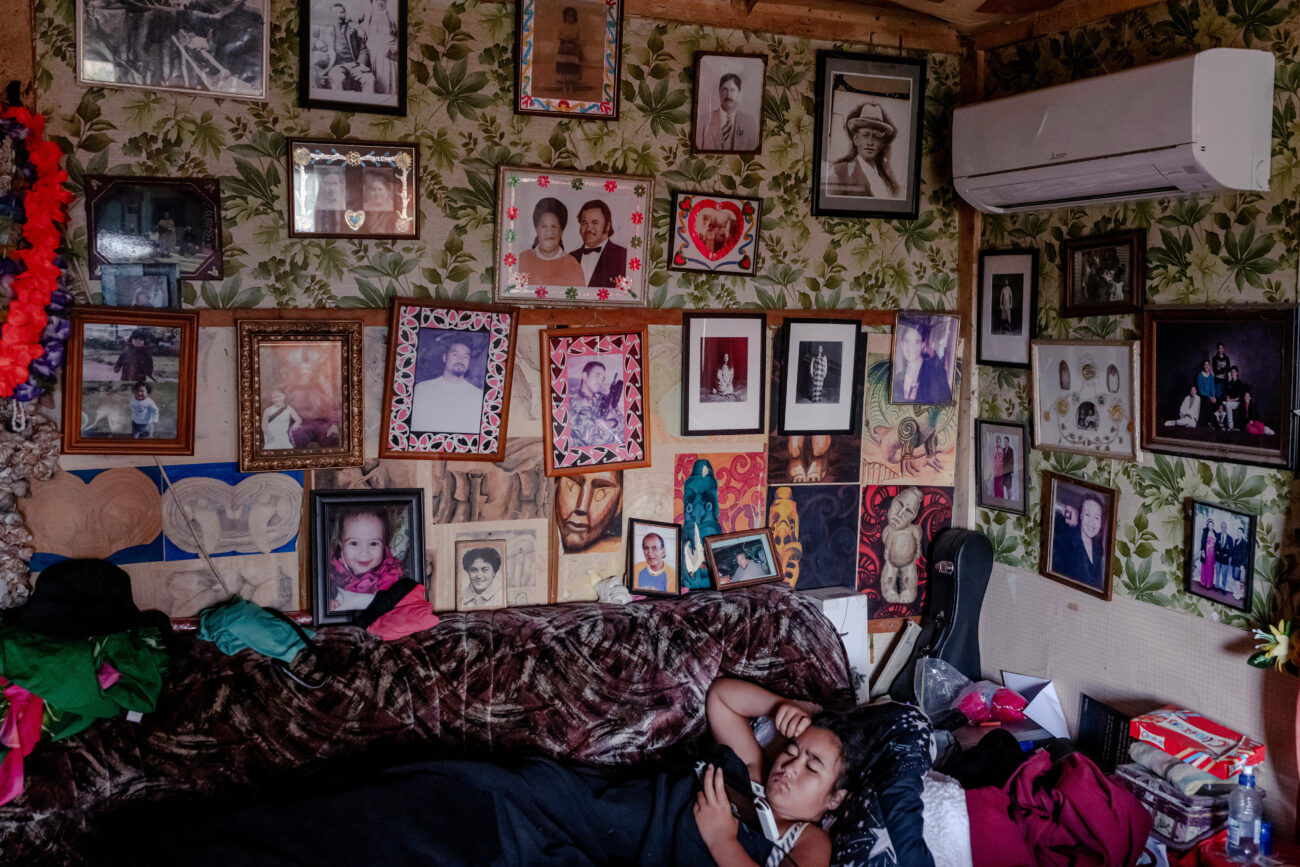
Last night, World Press Photo announced the winners of their most coveted international awards. Among them is Tatsiana Chypsanava, a regular New Zealand Geographic photographer. Her winning portfolio includes work for New Zealand Geographic on what 10 years of self-determination has looked like, and felt like, for Tūhoe. Chypsanava, who lives in Nelson, has made numerous trips to Ruatoki and Tāneatua over the decade, to the extent that she is regarded as whānau, and her daughter considers many of the families as brothers, sisters, aunts and uncles. Her early photographic trips to the region coincided with the signing of Tūhoe's settlement with the Crown, legislation which had two unique aspects: the passage of Te Urewera from a national park to a legal entity in its own right (also referred to as personhood), and the innovative Social Services Management Plan, which transformed the relationship between Tūhoe and the Crown. It was “legally revolutionary here in Aotearoa New Zealand and on a world scale,” says University of Otago Professor Jacinta Ruru. Documenting life for Tūhoe across the intervening years has made Chypsanava's work a perfect cross-section of Tūhoe's journey from colonisation to self-determination. A story about the project is set to appear in our next print magazine, and to celebrate Chypsanava's win we are releasing that story early. As a side note, Chypsanava's work first appeared in New Zealand Geographic as an entrant in the 2014 Photographer of the Year, an event we established to develop and promote photojournalism in New Zealand. Rising from a finalist in those awards more than a decade ago to win at the world's most coveted photojournalism awards is a tremendous achievement, and a recognition of her dogged determination to bring understanding and dignity to Tūhoe.
|
|
|
|
Is journalism important to you? Does photojournalism contribute value to you as a reader? If so you can support our work with a subscription—either print or digital or both— please check out the options.The more subscribers we have, the more great work we can produce.
|
|
|
|
|
Tatsiana Chypsanava
|
|
|
TūHOE
What is life like for Tūhoe after ten years of self-determination?
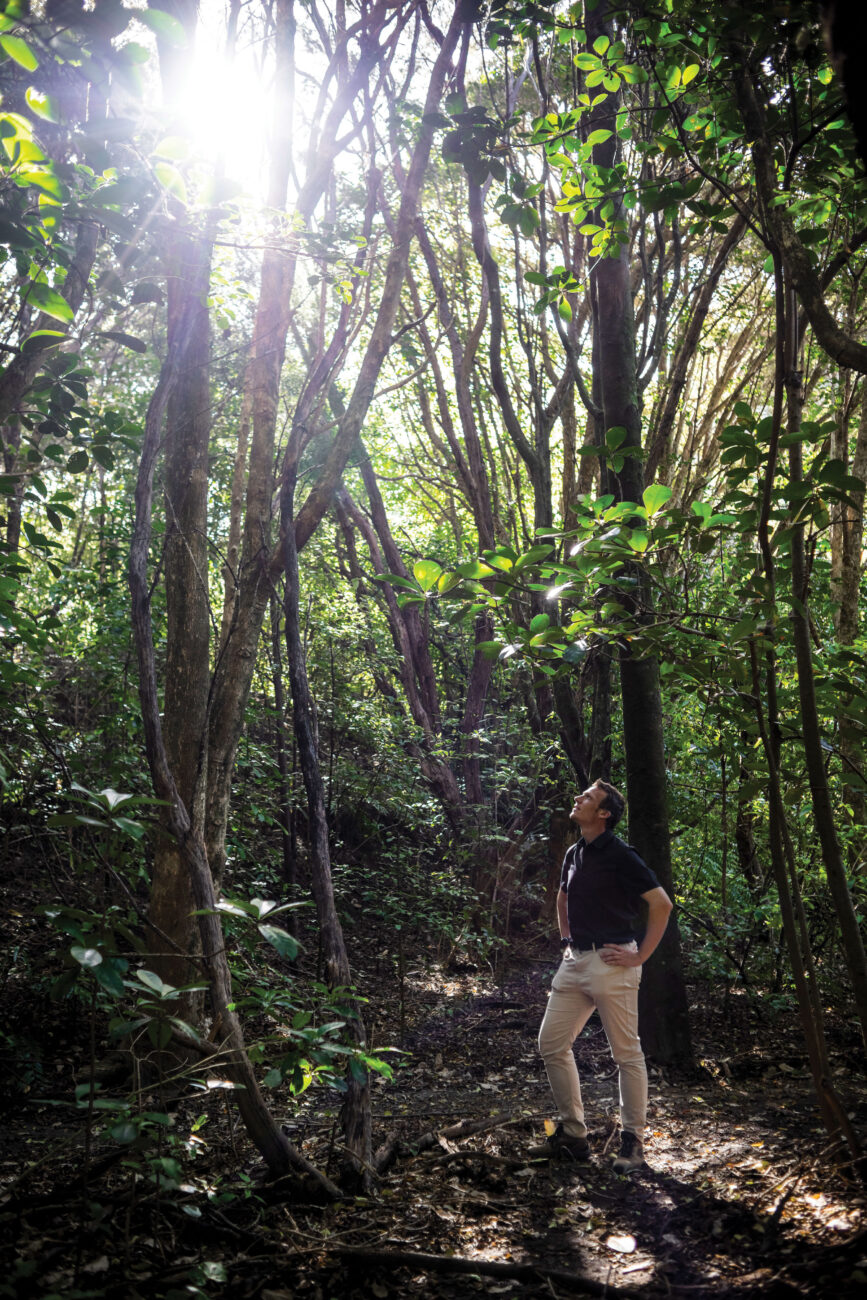
Connection is everything. Connection to family, connection to community, connection to place. Connection was what Tūhoe lost when successive governments from the 1800s onwards sought to render the iwi landless, force them to assimilate to Pākehā ways, and extinguish their fires of inhabitation of Te Urewera, one of the most magnificent rainforests in the country. Disconnection and dispossession were a government agenda for more than 100 years, culminating in the master stroke of declaring Tūhoe’s homeland a national park, leaving Tūhoe with no stake and no say. All that changed in 2014, when Tūhoe reached a settlement with the Crown over its long history of injustice. Te Urewera’s national park status was revoked, the land was designated a legal person and a living ancestor, and a pathway to self-determination—mana motuhake—agreed. In the 11 years since the deed of settlement was signed, reconnection to the iwi and to the land has been dominant in Tūhoe decision-making. Documenting this process has been a photographer for whom connections are at the heart of her work. Keep reading...
|
|
|
PROFILE
A passion for Passiflora
All his life Jay Kuethe has been a collector. When he was growing up in 1990s Britain, his immigrant Dutch parents gave him an old-fashioned, outdoor childhood. From the age of around five, he grew sunflowers and cacti, and filled labelled cabinets with seeds, crystals, and minerals in his bedroom-turned-museum. A passion for plants and adventure ran in the family. A great-aunt had collected epiphytic orchids in Indonesia, and grew a clutch of them from the legs of her oak dining table—right at young Kuethe’s eye level. “I was fascinated by them,” he says. But fate had a different flower in store for Kuethe. As a teenager, he did an internship at a large nursery outside London that specialised in Passiflora. Keep reading...
|
|
|
PARTNER CONTENT: TOYOTA BZ4x
Home on the range
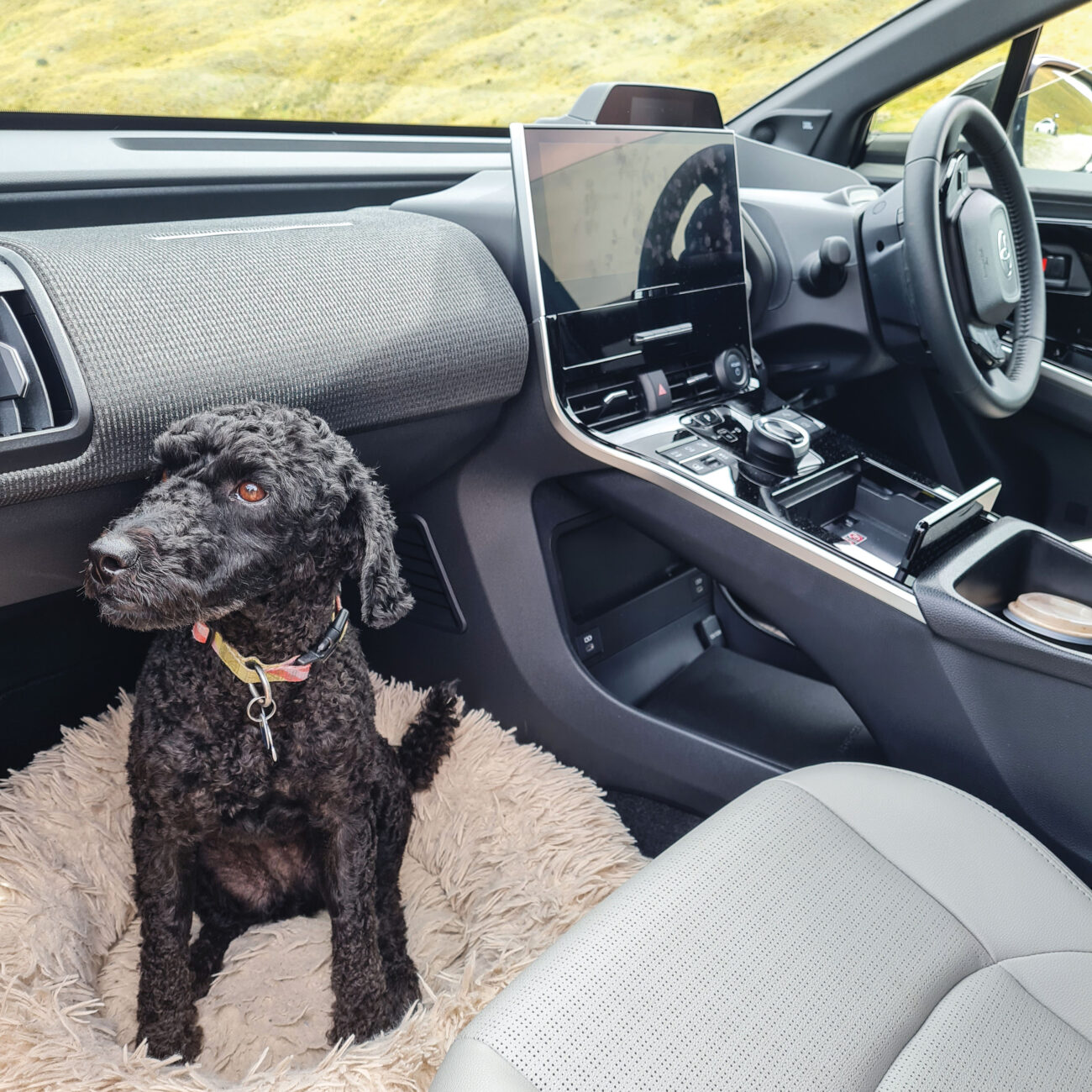
After spending the summer holiday with Toyota’s new all-electric bZ4X, and driving almost 2000 kilometres around the bottom half of the South Island, it’s safe to say that electric road tripping is getting much easier in New Zealand. Keep reading...
|
|
|