|
|
Have something to say? Feel free to get in touch with me directly. You can support our work with a subscription—either print or digital or both—please check out the options.The more support we have, the more great work we can produce.
|
|
|
|
|
Samuel Purdie
|
|
|
WILDLIFE
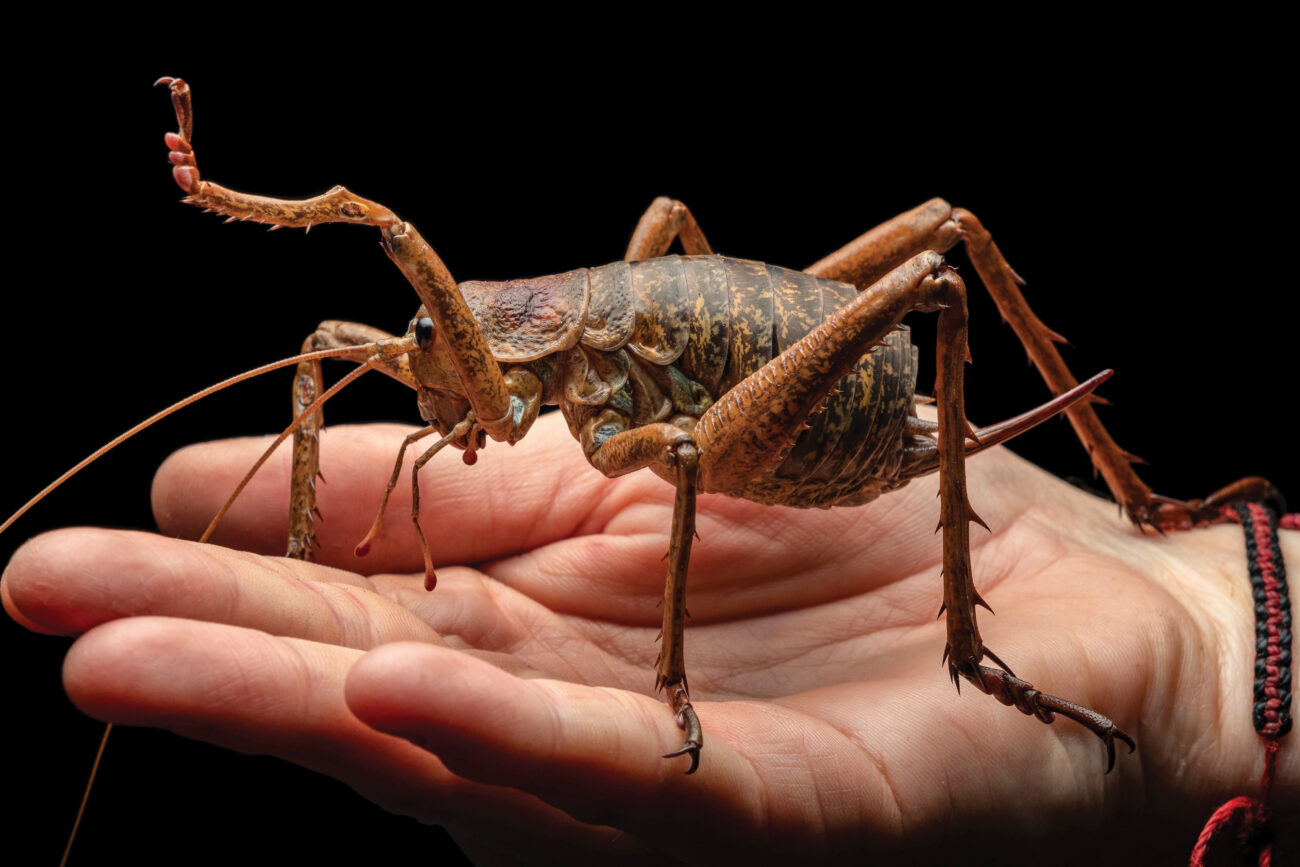
We thought the giant wētā of the south were doing okay. Now, they are under siege.
Evolving from an ancestor that survived the Oligocene drowning of New Zealand, giant wētā reclaimed the country as the land slowly rose from the sea. The enormous insects diversified as the mountains rose, splitting into 11 species from one end of Aotearoa to the other. The coming of people and pests was not kind to these walking protein pouches. In the North Island, various species of giant wētā were reduced to just a few scrappy strongholds. Wētāpunga, the largest species, heavier than a house sparrow, clung to Te Hauturu-o-Toi/Little Barrier Island. Eighty-odd kilometres north, its cousins haunted the Poor Knights Islands. The enormous Stephens Island giant wētā existed only on a few islands in Cook Strait. And in the worst shape of all was the Mahoenui giant wētā, confined to just a few patches of tawa and gorse in King Country farmland. But as recently as the 1990s, it was thought the species of giant wētā in the mountains of the South Island were doing okay. Scientists thought they lived high enough to escape rats and other predators. That, we’re beginning to understand, was a dangerous assumption. Keep reading...
|
|
|
|
Justin Gilligan
|
|
|
ENVIRONMENT
For seabird chicks, eating plastic takes an insidious toll
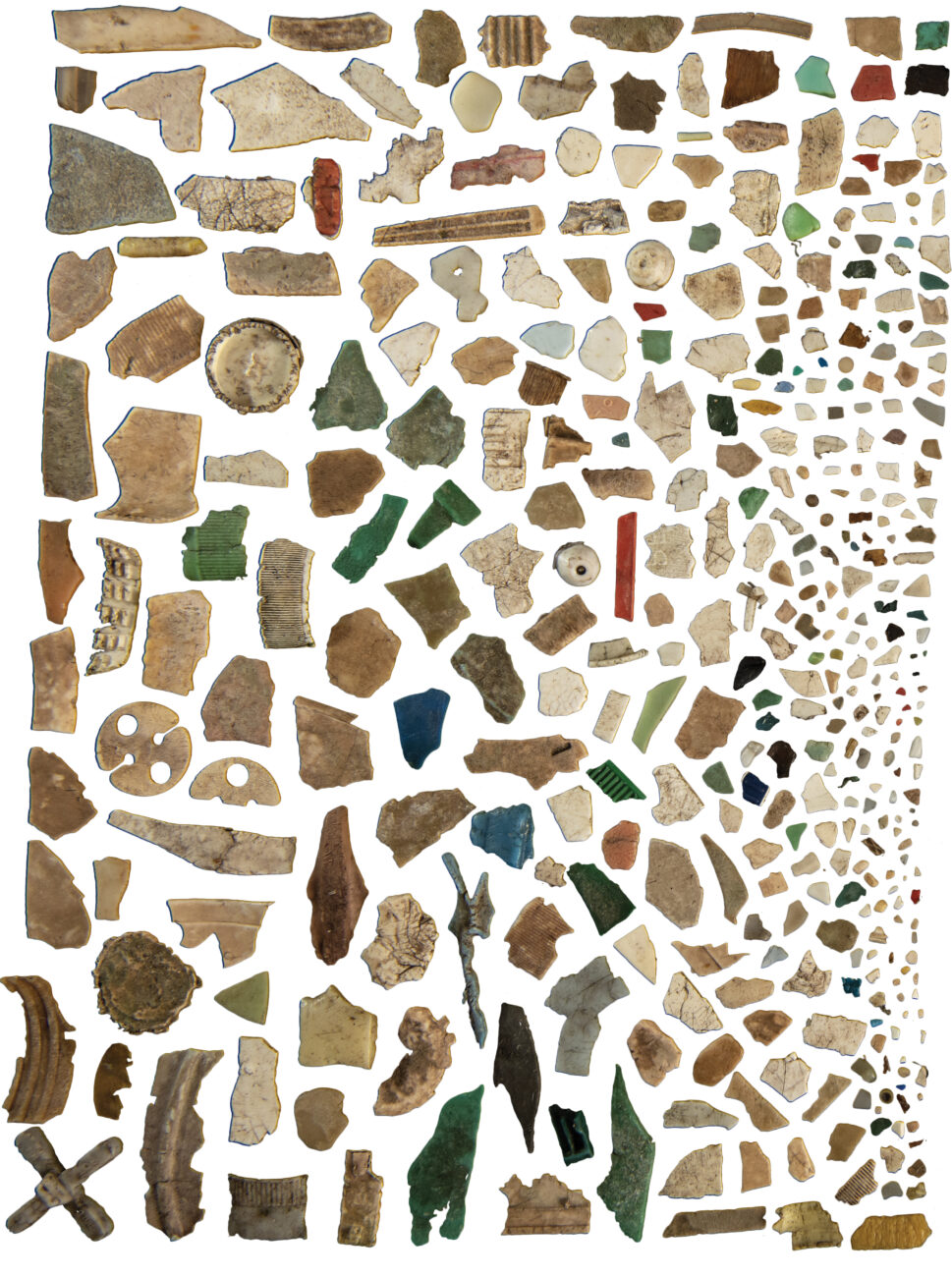
The sable shearwaters of Lord Howe Island, between Australia and New Zealand in the Tasman Sea, are among the most plastic-contaminated seabirds in the world. Unsuspecting parents feed their chicks indigestible bits of plastic, mistaken for squid or fish. “It’s upsetting to see just how much plastic they’ve got, just as they’re starting life,” says Alix de Jersey from the University of Tasmania. In a study she led, one chick had consumed 403 fragments (pictured here) together weighing about the same as a slice of white bread. Keep reading...
|
|
|
|
Te Rawhitiroa Bosch
|
|
|
PHOTOGRAPHER OF THE YEAR
Introducing Te Ao Māori Award, celebrating committed coverage of kaupapa Māori
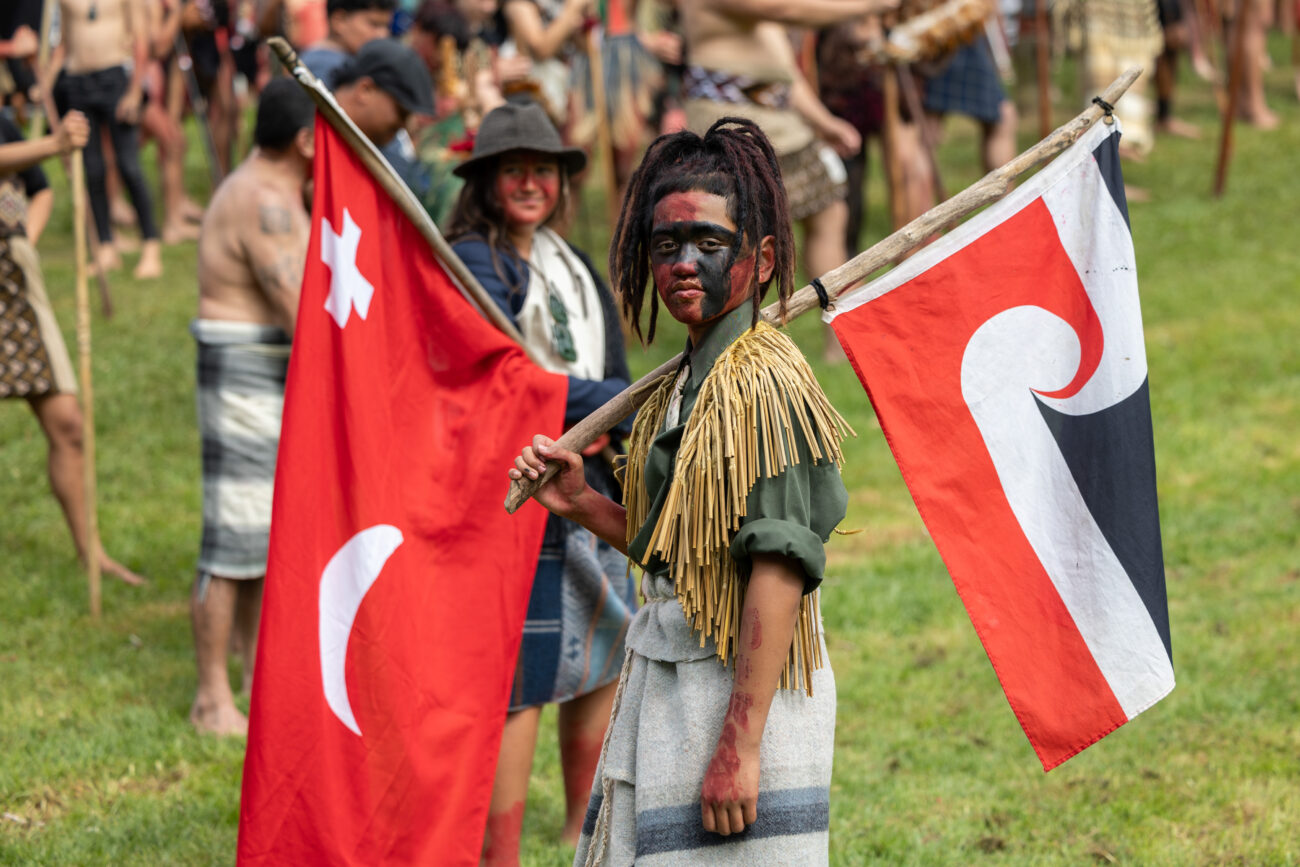
There is a special commitment and relationship required to tell stories from the Māori world. Whether you whakapapa Māori or not, these stories can take longer to develop, longer to shoot and often require a higher level of trust. The new Te Ao Māori award recognises this effort and focus. As well as photographic merit, judges will be looking for deep, committed engagement with the people in the images. As this is an award, not a category, all images in the portfolio you enter—including any PhotoStory images—will be considered. If kaupapa Māori is your world, it's time to have a look through your best work of the past year, or get out and shoot some new stories. Check out Photographer of the Year...
|
|
|