|
Tokelau is one of the smallest and most remote island states on the planet. The people who live here have adjusted to rapid change, retaining a unique model of governance and a culture of quiet determination. Can Faka Tokelau, the Tokelau Way, survive another thousand years?
|
The Weekender |

|
|
|
Free newsletter
|
June 27, 2025
|
|

|
Publisher |
|
It's too easy to make assumptions about Tokelau. A sprinkle of islands near the equator, a protectorate of New Zealand for a century, an aid-dependent state with five times more Tokelauans in New Zealand than in Tokelau. But travel to Tokelau (fly to Samoa, then two days on a boat over open ocean) and many of those lazy impressions melt away. Here is a nation running exclusively on solar power—they swish around in electric carts like at a tropical golf resort. Here they have Starlink, Messenger and complete postgraduate degrees online. And here, for the past thousand years, Tokelauans walk the knife-edge balance between development and environmental sustainability. Yet change keeps coming. Last year, sea surface temperatures peaked at 31.5ºC, and boiled the corals for seven months straight. And next year marks the 100th year of administration by New Zealand, even after two referenda offering self-determination. There are some big decisions looming for this tiny state. |
|
|
|
|
Have something to say? Feel free to get in touch with me directly. You can support our work with a subscription—either print or digital or both—please check out the options.The more support we have, the more great work we can produce. |
||
|
|
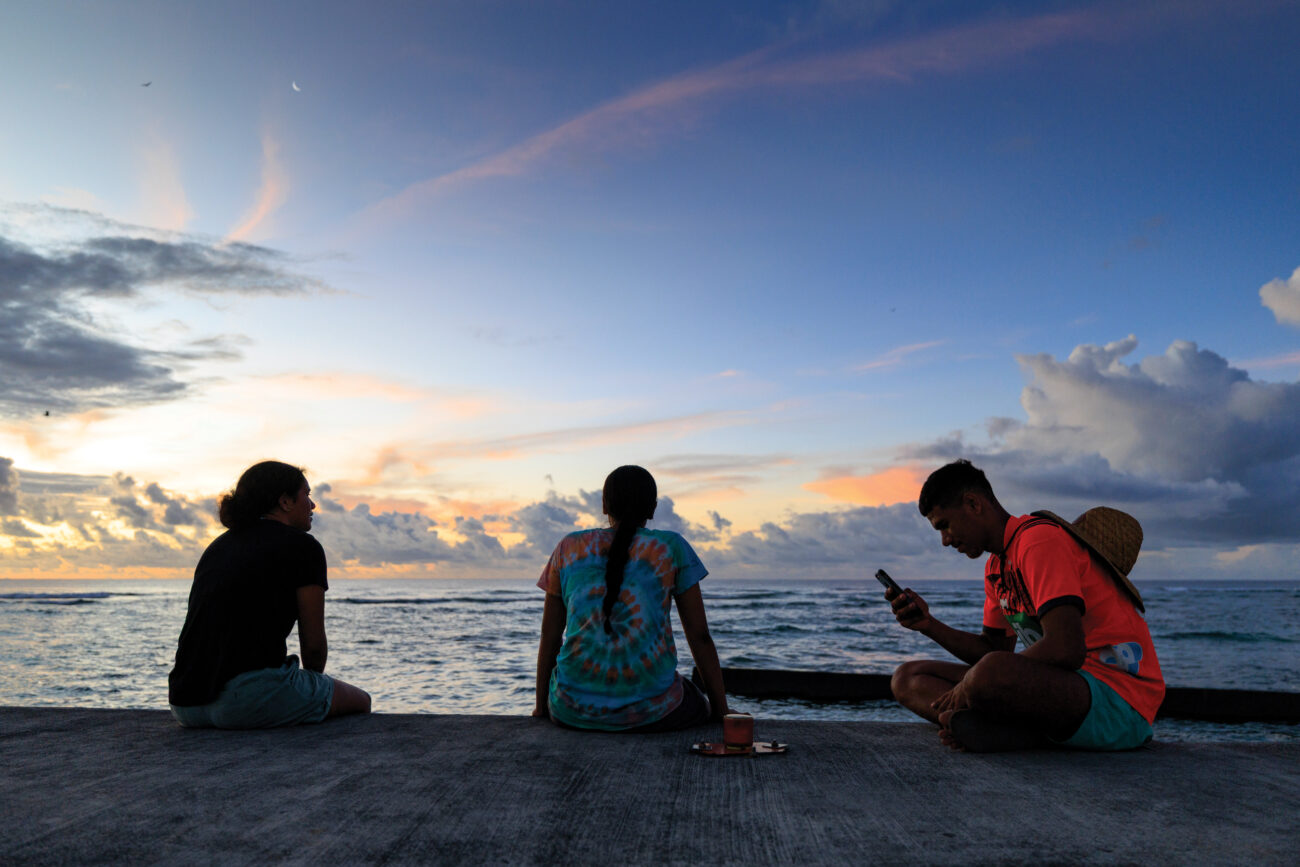
TOKELAU Tokelau is one of the smallest and most remote island states on the planet—can it survive another 1000 years?The fans are going flat out in the fale. It’s 32ºC in the shade, and the leaders of each household are seated behind timber desks lining three sides of a square, facing the speaker, who is flanked by the twin flags of state: New Zealand and Tokelau—the latter features a vaka and the Southern Cross against a midnight blue sky. We have just landed on Atafu, the most northerly of Tokelau’s three atolls, on a Conservation International-led expedition with New Zealand Geographic. We’re here to develop environmental education programmes, gather biodiversity data and put new, high-tech environmental monitoring tools into the hands of the community, so that each atoll council—the Taupulega—is able to make decisions based on better data. The oceans are warming rapidly, changing the environment that Tokelau depends on for its food, livelihood and security. With less than 1700 people, few natural resources, a vast marine estate, and an unavoidable reliance on New Zealand, it is a monumental challenge. In the past two decades, however, the islands have received new vessels, international revenue from fisheries, and have switched from diesel generation to a clean grid completely powered by solar—the first country to do so in the world. “If the environment is healthy, the people are healthy,” says Kelihiano Kalolo, the leader of the council, summarising our presentation for us. Everybody nods. On a small island, the effect of every decision is felt almost instantly. Tokelauans have been living the fine balance of sustainability for a thousand years, but that balance may be getting harder to strike. |
SEE OUR SPECIAL FOCUS SECTION: |
|

|
|
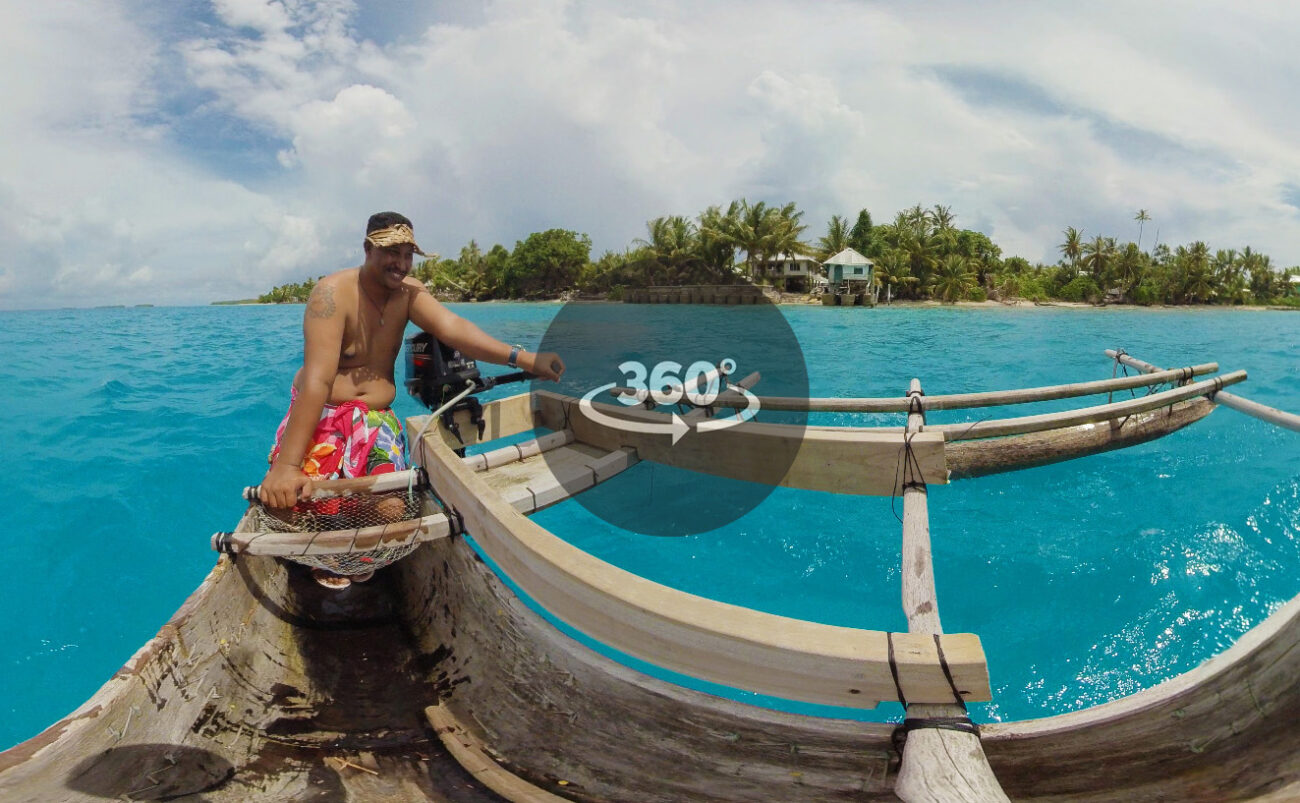
TOKELAU Visit Tokelau using the magic of Virtual RealityTokelau is an international flight and 48 hours on a stomach-churning ferry away, but that doesn't prevent a virtual visit. You can ride along in a traditional paopao with Suega Isaia, dive through the ancient coral in Atafu's lagoon, go coconut crab hunting on Nukunonu with Troy... attend church, play volleyball, plant coral—all from your living room. Click here to see the Tokelau experiences (more will be added over the next month). On a desktop you can make it full screen then grab-and-pan with your mouse to look around. On mobile you can just move the handset around to see through the 'magic window'... you can even view the videos on a VR headset if you have one by pressing hitting the headset button on the player. |
|
|
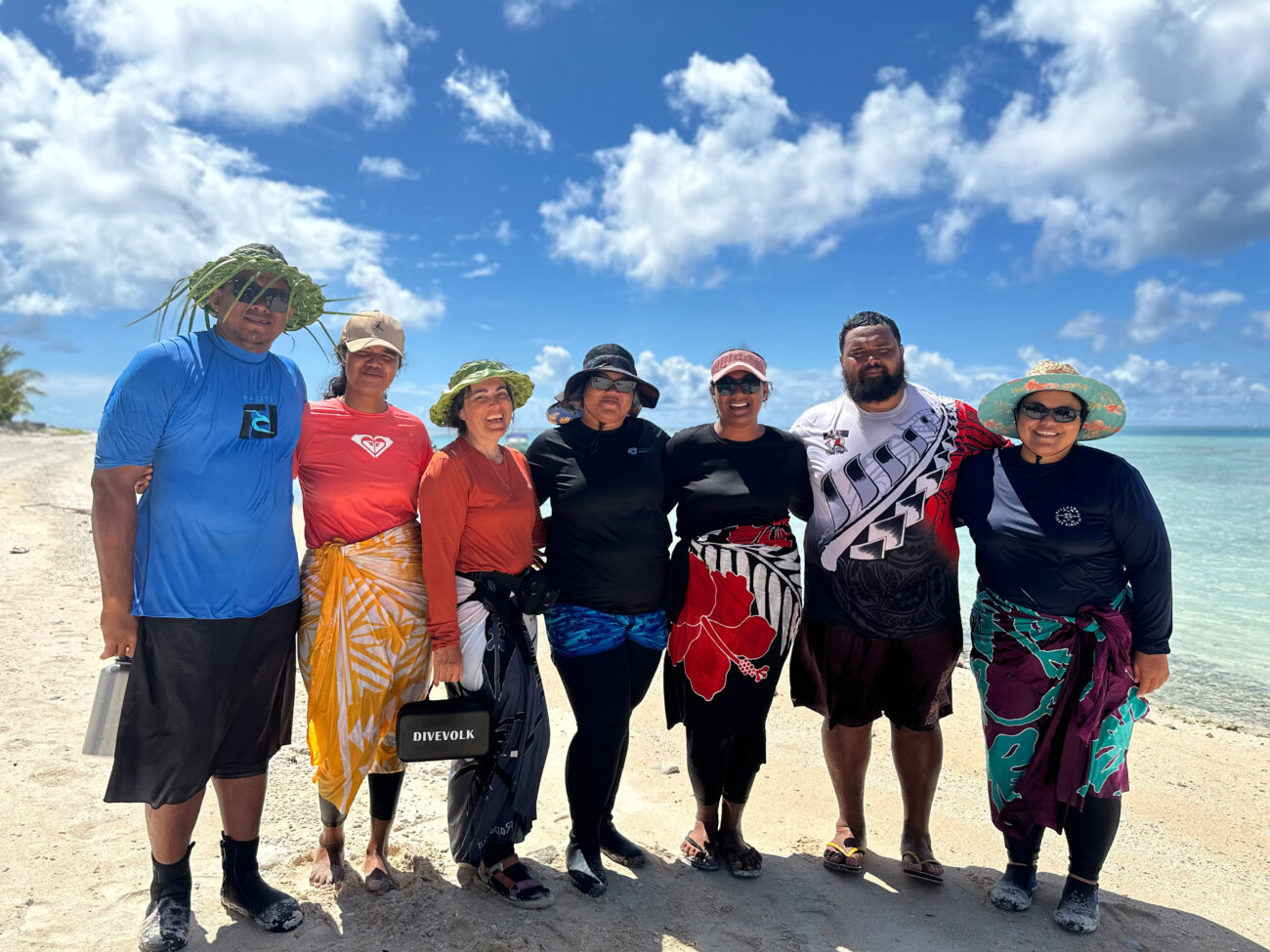
TOKELAU Tech for TokelauThe Tokelau project started with a phone call during lockdown five years ago. Conservation International had been successful with its proposal to MFAT, and wanted New Zealand Geographic to contribute to a very different sort of aid programme—an initiative that allowed communities to take conservation into their own hands. The kaupapa meshed well with new citizen science tools we were developing. Over nine long, hot days in Tokelau, the Conservation International team ran education programmes in each of the schools, conducted biodiversity surveys in the lagoon, and across the dozens of motu, and out at sea. New Zealand Geographic collected environmental DNA samples, trained teams on each atoll to build photogrammetric models of coral reefs using mobile phones and shot virtual reality videos to allow Tokelauans, near and far, to get a first-hand experience of island life. |
|
|
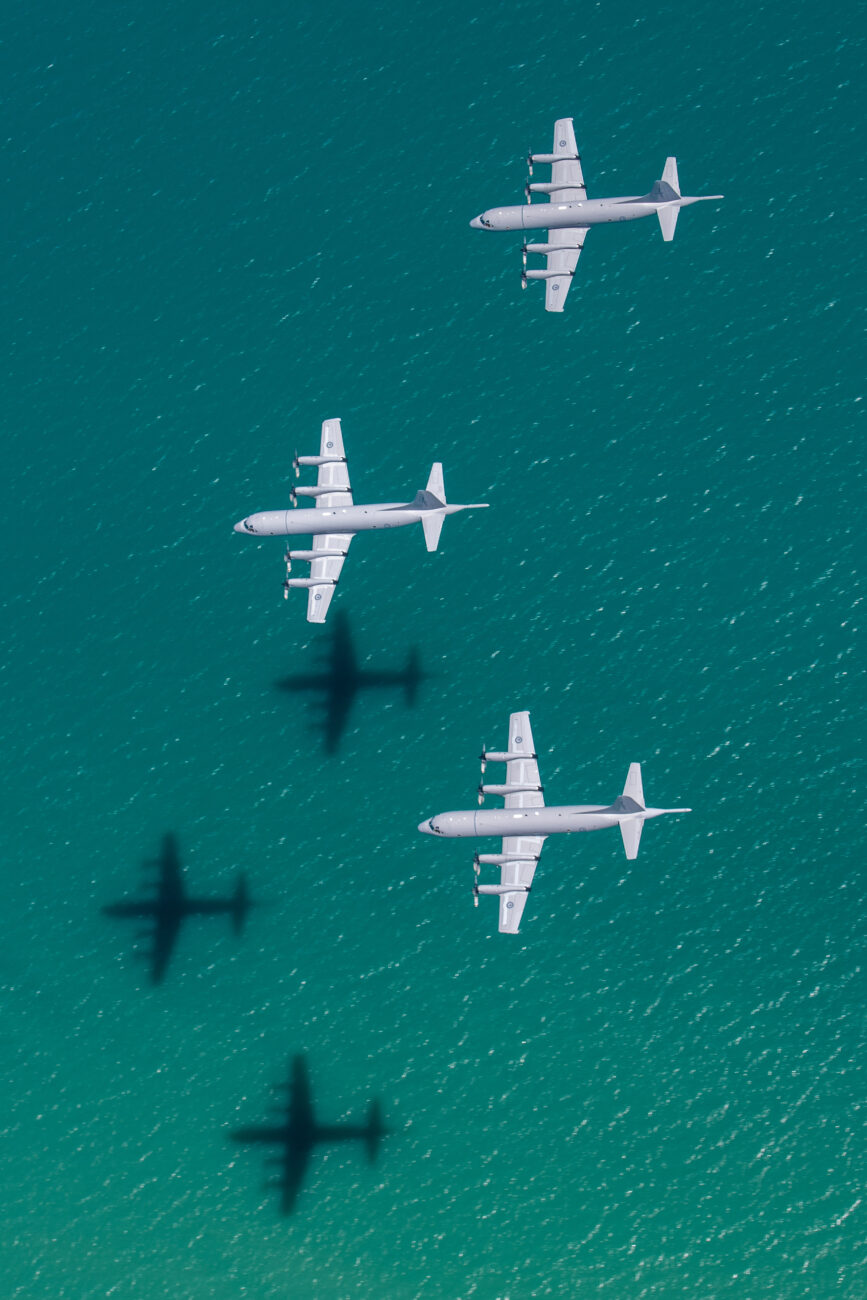
PHOTOGRAPHER OF THE YEAR Not scared of heights?Whether you shoot from a plane, chopper, or drone, the MOTAT Aerial category is the one for you. But note, the standard is high. Naomi James was there to capture of the Royal New Zealand Air Force’s No. 5 Squadron as they conducted a final P-3 Orion flypast before the retirement of their fleet. She shot it from the back seat of a T-6C Texan, which the pilot had rolled upside-down so she could shoot through the canopy looking down on the Orions. Working with the heavy G-forces during the roll was a challenge, she says. Only thing to note—you need to comply with Civil Aviation Authority regulations (check out AirShare if using a drone). |
|