|
How Tara Viggo fled fast fashion and cut herself a new career.
|
The Weekender |

|
|
|
Free newsletter
|
June 20, 2025
|
|

|
Publisher |
|
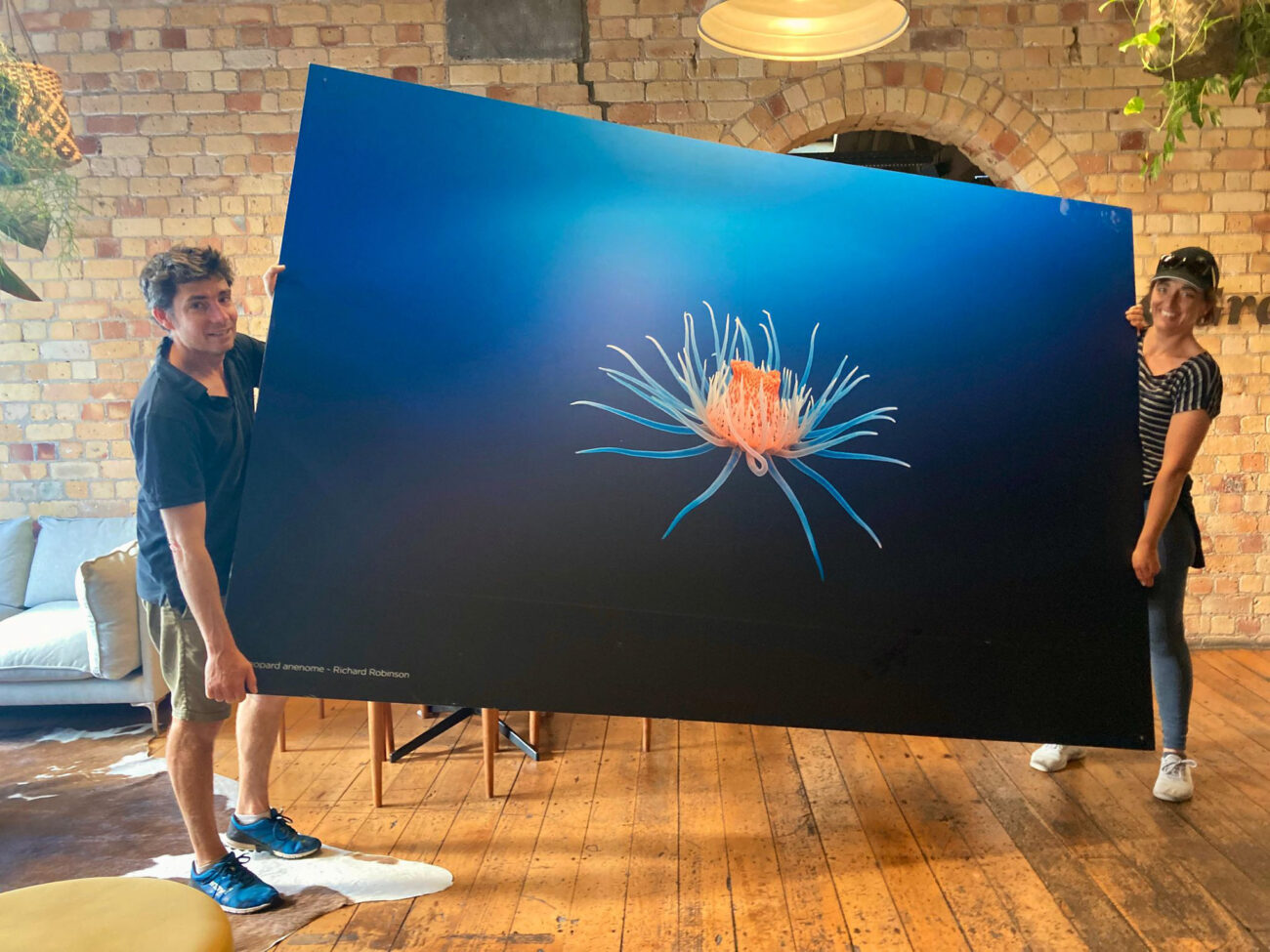
In its larval state, the leopard anemone is a migrant. Translucent, about the size of your little fingernail, it drifts on ocean currents until it detects a safe haven, lands on the reef and fixes itself there to begin the next stage of its life cycle. In 2013, photographer Richard Robinson entered his picture of a leopard anemone into Photographer of the Year. The kind of picture that stops you in your tracks. We printed the 6mm anemone 2.5 metres wide and hung it in our exhibition. Then hung it in our office. When we moved office, the anemone migrated with us, a sort of totem that we can believe in—that there is beauty in small things, that size is no reflection of importance. Twelve years later the NZGeo office is on the move again, and the anemone is going too, lashed to a trailer atop 36 years worth of magazines. This time we’re leaving our downtown loft and moving into a studio looking into the bush in Birkenhead. A safe haven for the next phase of our life cycle. Enjoy your Matariki weekend. |
|
|
|
|
|
Have something to say? Feel free to get in touch with me directly. You can support our work with a subscription—either print or digital or both—please check out the options.The more support we have, the more great work we can produce. |
||
|

|
PROFILE How Tara Viggo fled fast fashion and cut herself a new career.One day, drawing patterns for huge clothing brands in the UK, Tara Viggo made a mistake. On a blouse with a keyhole opening at the front, she omitted an important X. “The keyhole was the wrong length, basically.” The garment was unwearable, but in the grinding demand for more clothing, 60,000 pieces had already been made. They went straight to landfill. “I could see that I was a cog in this big, evil machine,” Viggo says 11 years later from her home in Ōtepoti/Dunedin. “I was totally complicit. It was that gut-wrenching feeling of ‘Shit, I’ve done something really bad.’” She couldn’t bear her colleagues’ assumption that mass destruction of clothing was “just how the world works”. She quit her job. She toyed with becoming a landscape architect. She went back to working in a restaurant, just as she had when she was a beginner designer trying to make ends meet. And still, every week, the trucks rolled in full of clothes from factories in Eastern Europe; every week, the displays in the department stores were switched out. “I realised that evil machine was continuing whether I was there or not.” Was it possible for Viggo to be part of the fashion industry and not be part of the waste and labour abuses? |
MORE PROFILES: |
|
|
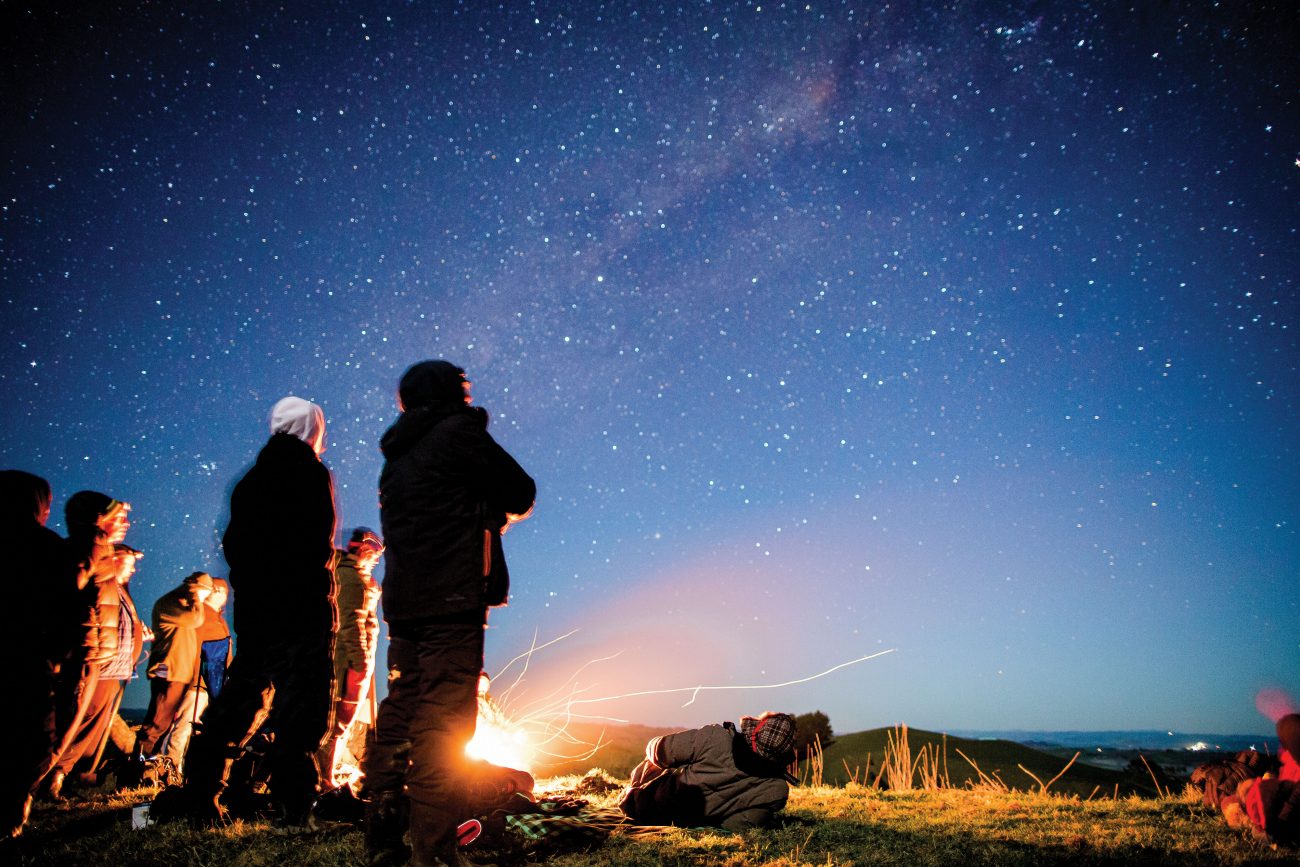
MATARIKI Matariki is the first indigenous celebration to be formally recognised in any colonised countryMatariki. It's the time of frozen rising before dawn, of the wet-dog fug of old blankets, of puffer jackets rustling and the clunk of car doors. Bleary faces in headlights; greetings called into the night. Muddy gumboots stamping icy ground. Beanies and gloves and warm hugs. Matariki. It’s the time of plumed breath quickening with the climbing of hills. Distant car lights streaming below and the net of Te Ika-whenua-o-te-rangi stretching above: huge, infinite, the same brilliant sweep our grandparents saw, and theirs, and theirs, back to when Kupe left Hawaiki, back to the first arrivals who carried the totality of Polynesian star lore in their minds. Matariki. It’s the time of blokes wielding shovels, digging te umu kohukoku whetū, the star-steaming-oven. Kindling sparked, then the bigger logs. That old pallet? Chuck it on, and those ones, too. Heft the umu stones on top. Firelight and starlight, silhouettes in smoke. Tāwhirimātea’s winds lifting and scattering sparks. |
|

|
WILDLIFE Rock onTen years ago, 22 pīwauwau, or rock wrens, went missing following a 1080 operation in the Southern Alps. For conservationists, it was a worry. The poison was certainly controlling rats and stoats, which had been preying on the pint-sized birds—but were the wrens taking the bait, too? In the summer of 2019, in Kahurangi National Park, 15 pioneering pīwauwau were strapped up with radio-tag backpacks weighing half a jellybean, and given colourful identifying ankle bracelets. Mountain slopes were scattered with 1080. Department of Conservation researchers then kept tabs on the wrens for eight days. All the birds remained safe during this risky period when snacking on the bait would have killed them. Then, nine days of heavy rain washed away the 1080. When the weather cleared, researchers couldn’t find one of the wrens—the battery in his backpack had puttered out. A second had been snaffled by a falcon, leaving behind the tag and a tattered feather-fluff. Another bird had died on her nest. Her wee body was sent to Manaaki Whenua—Landcare Research and tested for the presence of 1080. None was detected. In a recent paper, the researchers conclude that 1080 probably hadn’t infiltrated the wrens’ food chain. Those vanished wrens from 2014 had likely succumbed, instead, to an unseasonable snowstorm. |
|

|
PHOTOGRAPHER OF THE YEAR The fine art of the portraitOn holiday in Auckland and strolling through the Samoa Village at the Pasifika Festival, Urlin Mulitalo caught the attention of photographer Dean Purcell, who was documenting people the festival for Viva magazine’s street style column. Mulitalo’s cousin Blessing (left) and brother Gideon (right) hoisted an impromptu backdrop. If you're keen to push the boundaries of portraiture, enter your best work in Photographer of the Year. Plus, we're welcoming a new sponsor for the Portrait category: Simplicity, the good guys of the KiwiSaver investment space. |
|

|
ENVIRONMENT The seafloor stores carbon, but trawling releases it againA new study reveals that New Zealand’s huge ocean territory contains two billion tons of carbon, locked in the seafloor. If we want to fight climate change, it might be a good idea to keep it there. |