|
| |
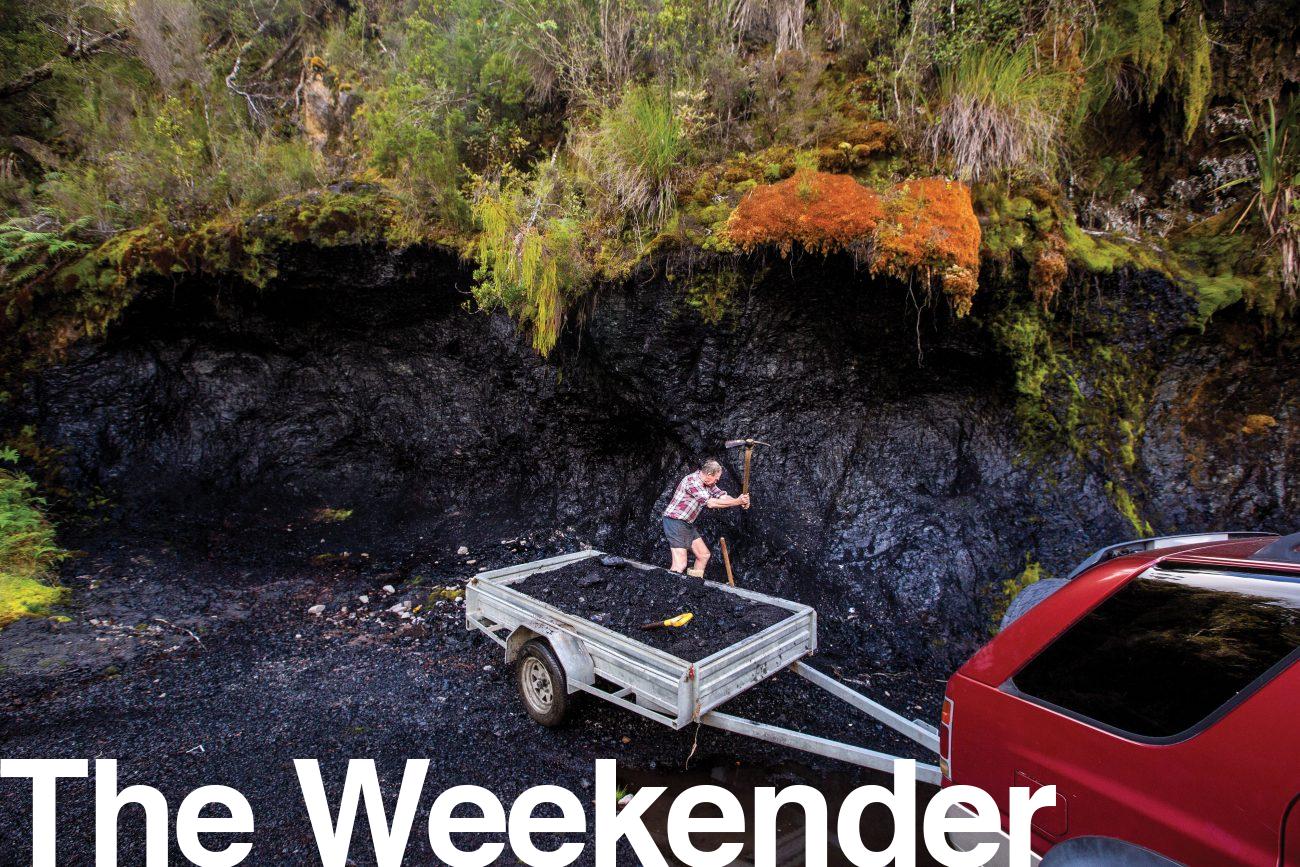
Why are we still burning coal?
Coal warms our hospitals and schools, ripens our tomatoes, makes roses bloom, turns ironsand into steel, dries milk powder for export, and generates electricity when hydro lakes are low and gas production sputters.
Coal also releases close to double its weight in carbon dioxide emissions—and, in 2021, New Zealand imported record volumes of it. If we’re to meet our net zero emissions target in time, we’re going to need a game changer. Keep reading...
|
|
|
| |
Oscar Kightley wishes his play wasn't relevant
The actor, writer and director’s play Dawn Raids is being restaged, 25 years after he wrote it. Keep reading...
|
|
|
| |
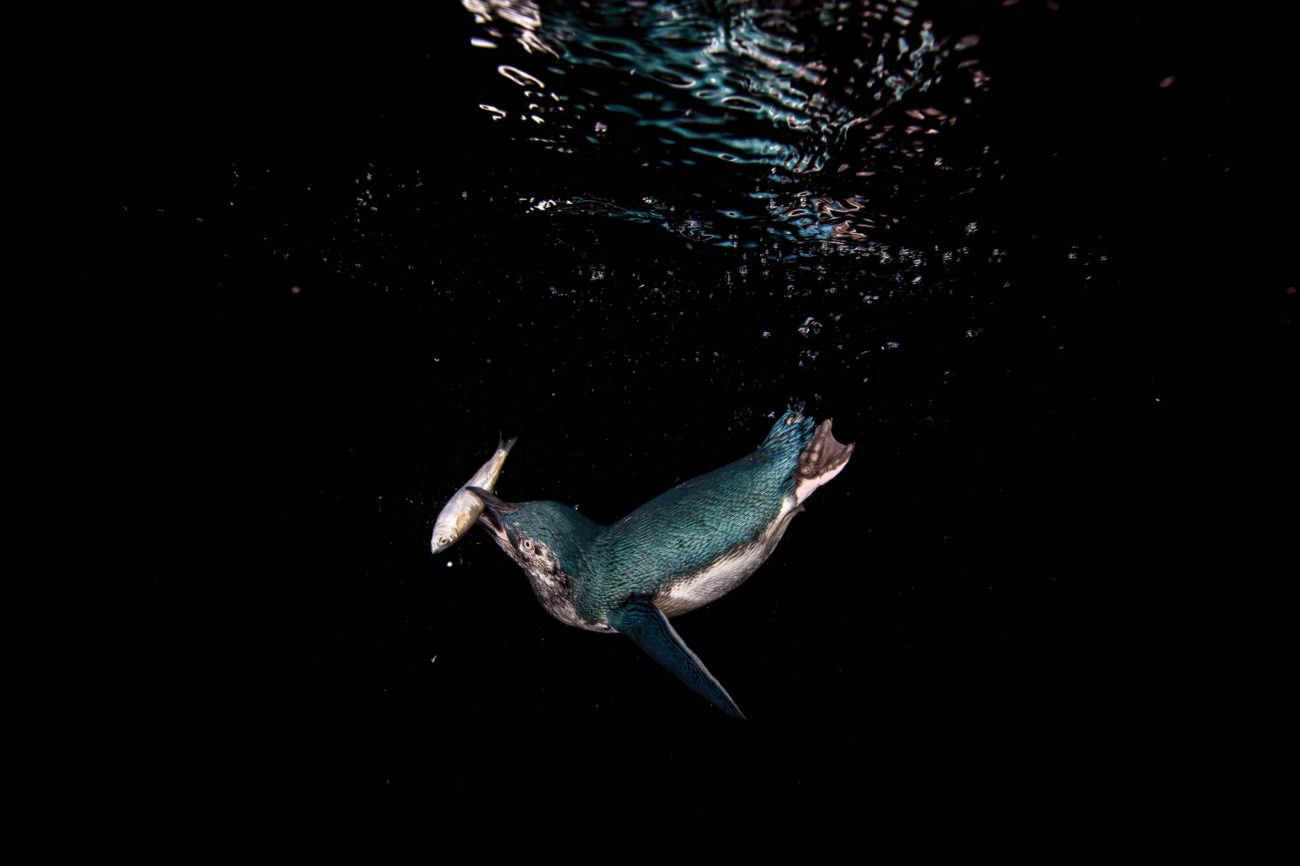
40 penguins wash up in the Far North
At the beginning of May, about 40 kororā/little blue penguins washed up dead on Tokerau Beach in Doubtless Bay, reports Charlotte Cook for RNZ.
These mass-death events are known as penguin wrecks. Why do they occur? Keep reading...
|
|
|
| |
Subscribe and support local journalism
While advertising and retail income goes up and down, it is subscriptions from readers like you that power long-term journalism projects from around New Zealand and help us keep the lights on.
It's not as much as you think—$8.50 every two months for digital, $12 for print or $16.50 for both... a gold coin a week. Check out the options.
|
|
|
|
| |
A new duck, an old owlet-nightjar, a mystery wingbone
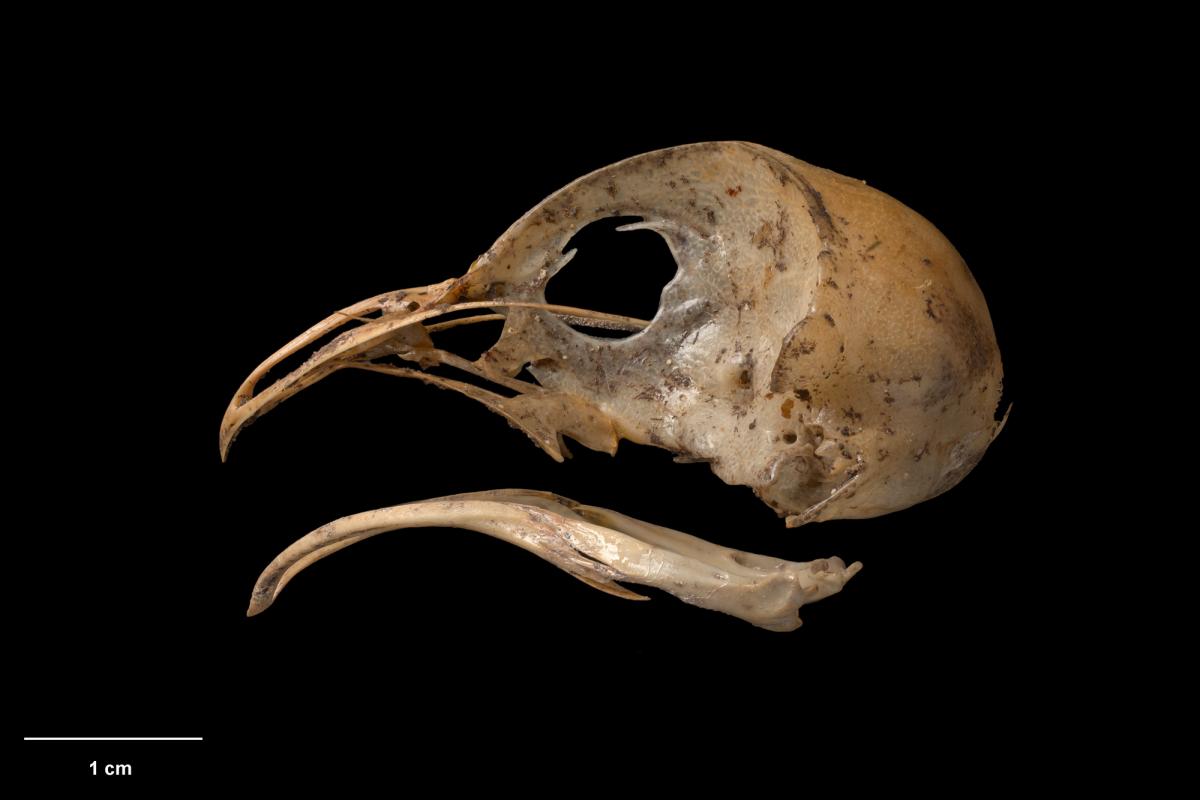
Scientists have identified three new bird species from fossil bones unearthed at St Bathans in Central Otago—which was a massive lake 16-19 million years ago. Among the fossil finds is a wingbone so strange it has sat on a shelf, eluding scientific description, since 2008. “We’ve been puzzling over it, trying to work out what on earth it could be,” says palaeontologist Paul Scofield. Keep reading...
|
|
|