|
| |
Shocked!
Electric eels are living batteries that taser their prey with 860-volt jolts. Sharks use electricity like an extra sense to see fish and sneak up on them. Spiders fly using the atmosphere’s electric charge, and bumblebees and flowers communicate through their personal electric fields. How else does the natural world use electricity? Keep reading...
|
|
|
| |
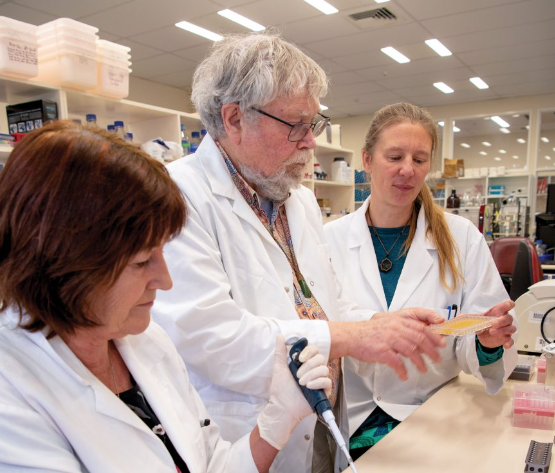
Warren Tate studies unexplained illnesses
A cold and tired student changed the course of Warren Tate’s life. He was deciding what to study at university, and had been considering going into medicine at Dunedin. A medical student told him that the town was permanently shrouded in mist and that he’d have to study all night long.
No thanks, thought Tate, and signed up for a science degree in Wellington instead. There, he got into molecular biology. Wanting to obtain a PhD under New Zealand’s leading DNA researcher, he ended up in Dunedin anyway. It’s not so bad, he thought. He’s been there ever since. Keep reading...
|
|
|
| |
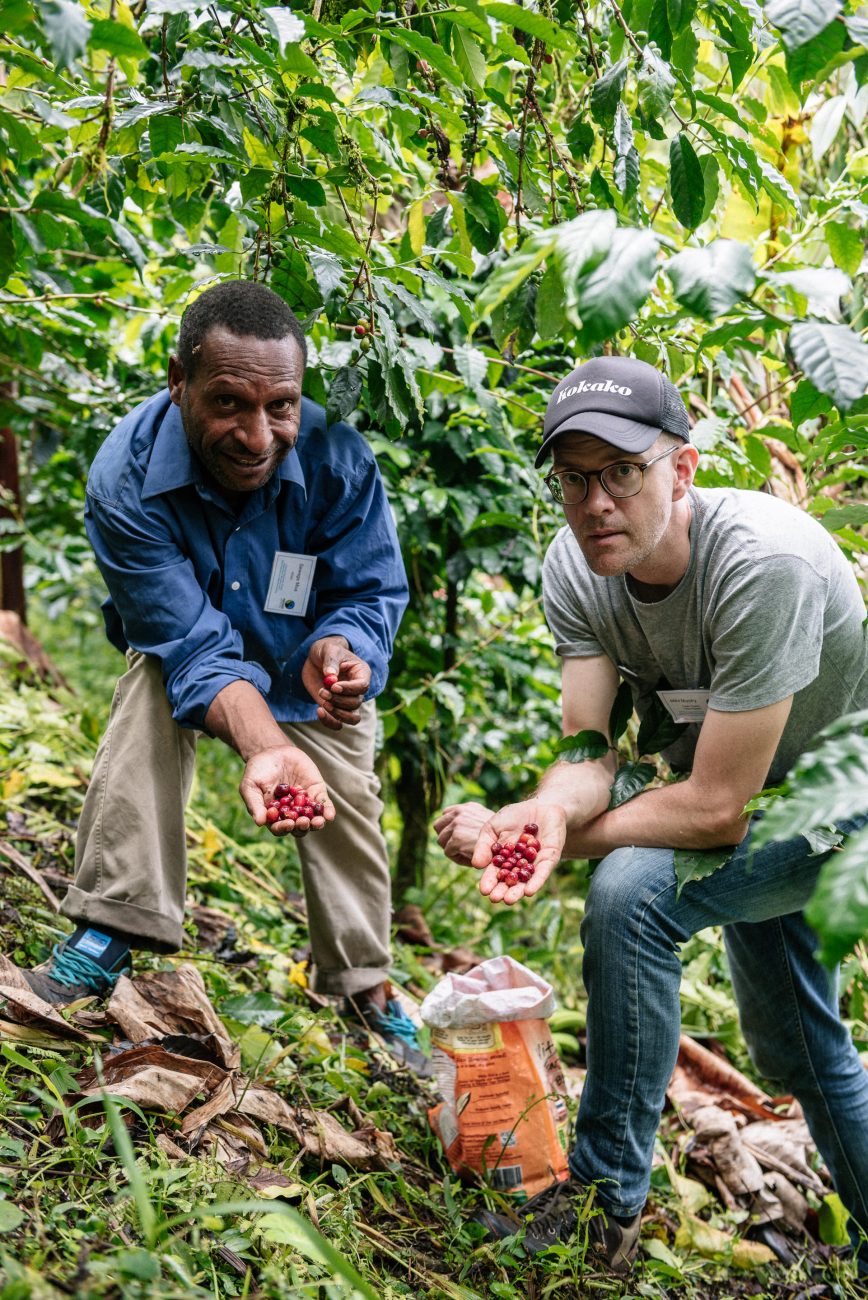
From crop to cup
For Mike Murphy, the managing director of Kōkako Coffee, using certified Fairtrade beans is a total no-brainer. “It helps growers, it helps us and it’s good for consumers,” he says. So there was never any question about whether the company would use Fairtrade beans for its new retail brand Everybird. Keep reading...
|
|
|
|
| |
Subscribe and support local journalism
While advertising and retail income goes up and down, it is subscriptions from readers like you that power long-term journalism projects from around New Zealand and help us keep the lights on.
It's not as much as you think—$8.50 every two months for digital, $12 for print or $16.50 for both... a gold coin a week. Check out the options.
|
|
|
|
| |
"We are everywhere."
If there were such a thing as a social seismograph—a piece of tech that recorded the collisions and ruptures caused by deep-seated movement in New Zealand society—it would have been off the charts in the 1980s. Shock after shock brought a usually restrained public out onto streets, playing fields and harbours. There was the Springbok rugby tour of 1981, French nuclear tests in the Pacific, and, in 1985, the Homosexual Law Reform Bill. Keep reading...
|
|
|