|
| |
Lessons from 10 years in the wild
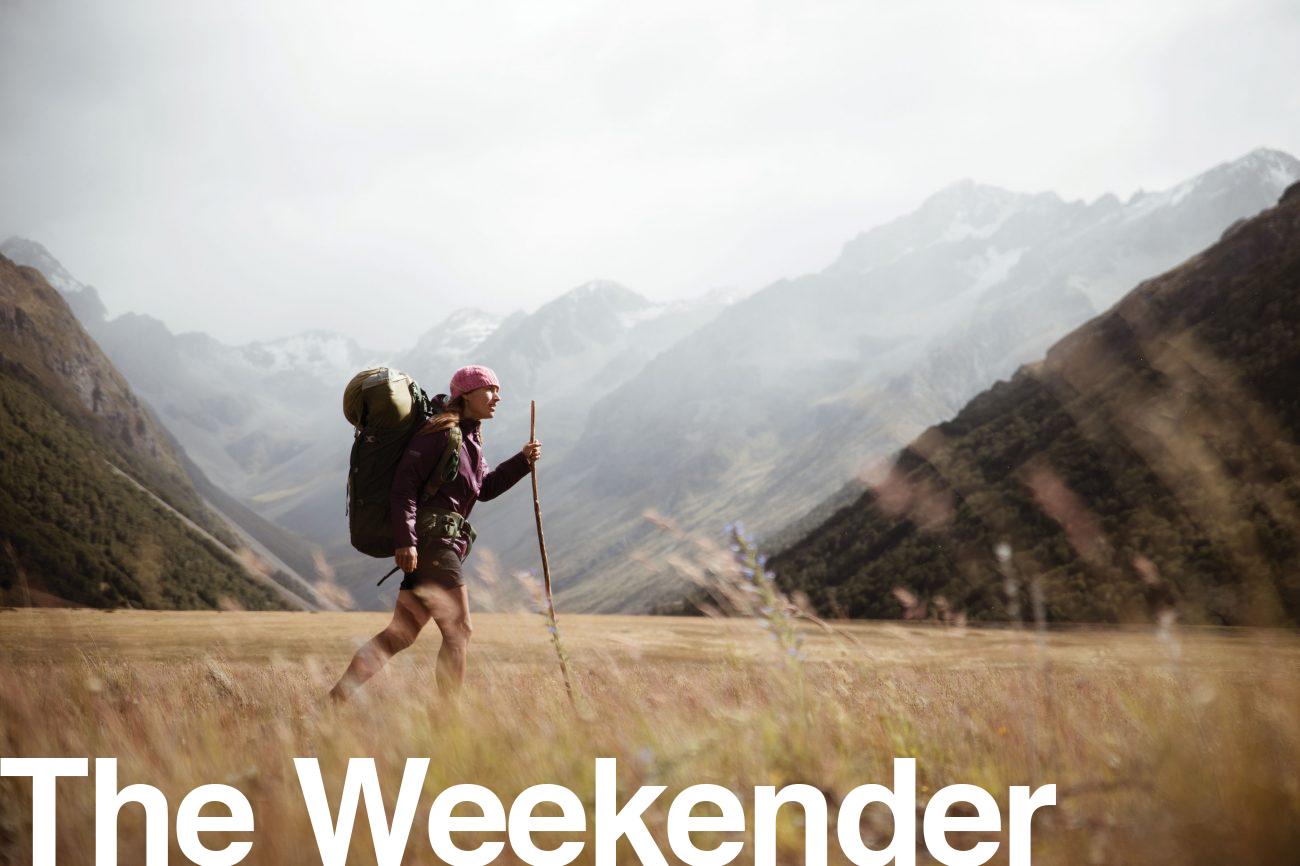
Miriam Lancewood and Peter Raine dreamed of doing something remarkable: finding out what happens to the body and mind when a person lives far away from society, surrounded by the beauty of nature. In 2010, they decided to give it a try. They moved out of their house, gave away their possessions, and spent the winter living in the mountains of south Marlborough. The experiment was going to last for a season. It ended up being seven years. When Peter and Miriam meet new people now, they tell them, “We live in the bush. We are homeless.” Neither of them feels like contributing to a society they believe is slowly consuming the world. Instead, they want to forge a different path. Keep reading...
|
|
|
| |
Voyage with New Zealand Geographic
New Zealand Geographic celebrates New Zealand and all its diversity—its people, places and wildlife. Now we’re bringing you even closer to the country through a new partnership with Heritage Expeditions.
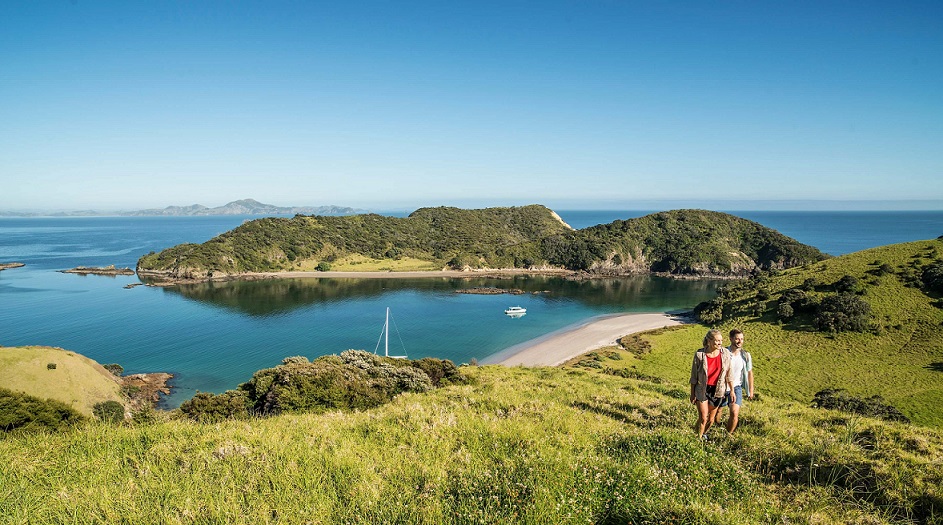
For our inaugural voyage, the magazine’s co-founder and former editor, explorer, marine biologist and celebrated author Kennedy Warne will join the tour as we expedition cruise the famed waters, islands and coastlines of the Hauraki Gulf Marine Park and Bay of Islands on an exclusive 8-day partner voyage. Enjoy lectures, learn about life both above and below the water and pick up pro tips during a photography masterclass with one of New Zealand Geographic’s award-winning photographers as we delve into the region’s early history, visit island sanctuaries and learn about the region’s conservation success on land, and the many challenges that remain beneath the waves Learn more...
|
|
|
| |
Around our coastline by foot, raft...
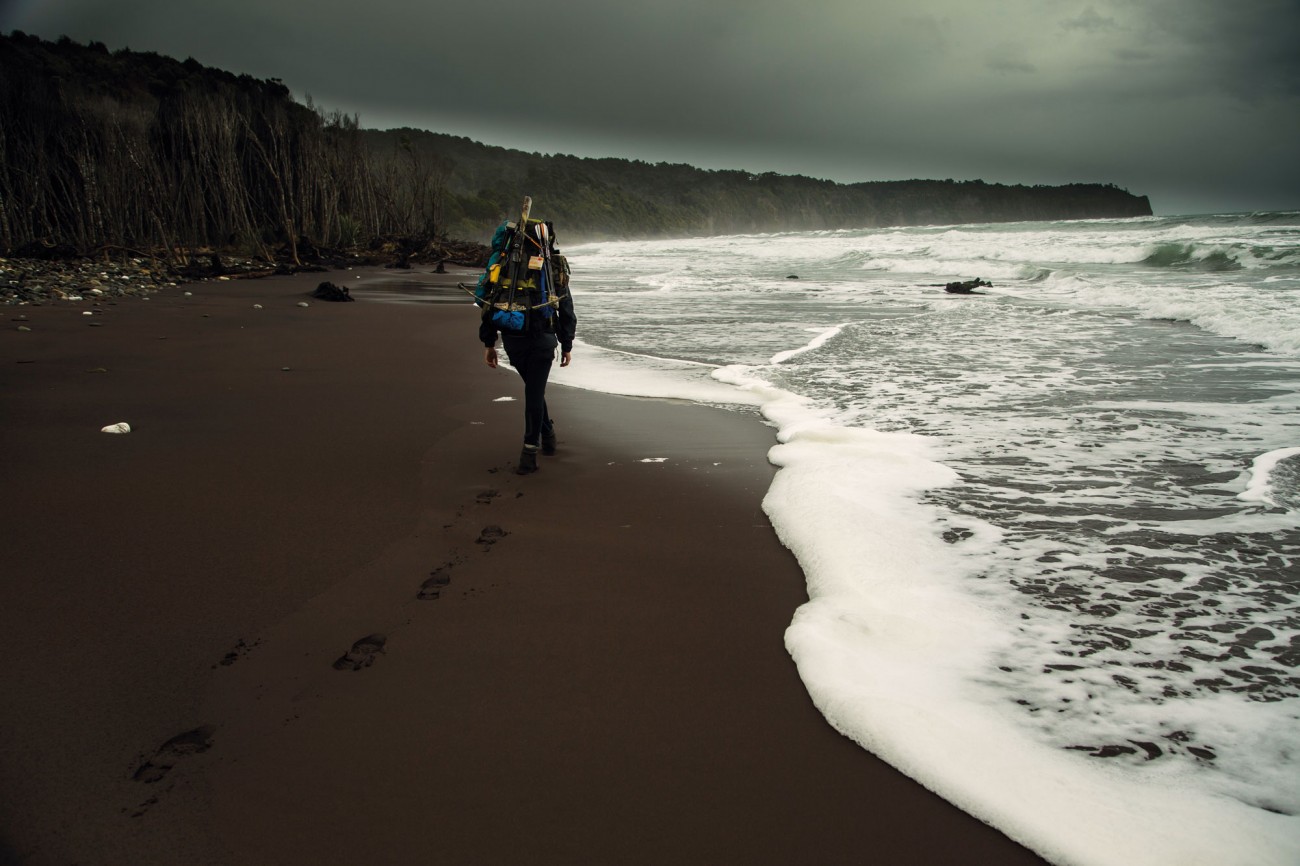
Brando Yelavich remembers February 1, 2013, like it was yesterday. “I remember it better than any of the other days. Taking that very, very first step, I felt this extreme sense of accomplishment, just from even starting. And then I remember looking back and seeing my dad, my uncle and my grandfather’s brother waving goodbye. That was a strange feeling. It didn’t really sink in until after I disappeared over the hill,” he laughs. “And then I was thinking in my head, ‘What the hell am I doing?’” One month earlier, he had been standing on the side of the road holding sale signs for Canterbury Clothing, knowing there was no promotion coming and deflated by the thought of bouncing between jobs making just enough money to get by. “I decided I wanted to change my life. I wanted to do something to inspire myself.” Keep reading...
|
|
|
| |
The big one
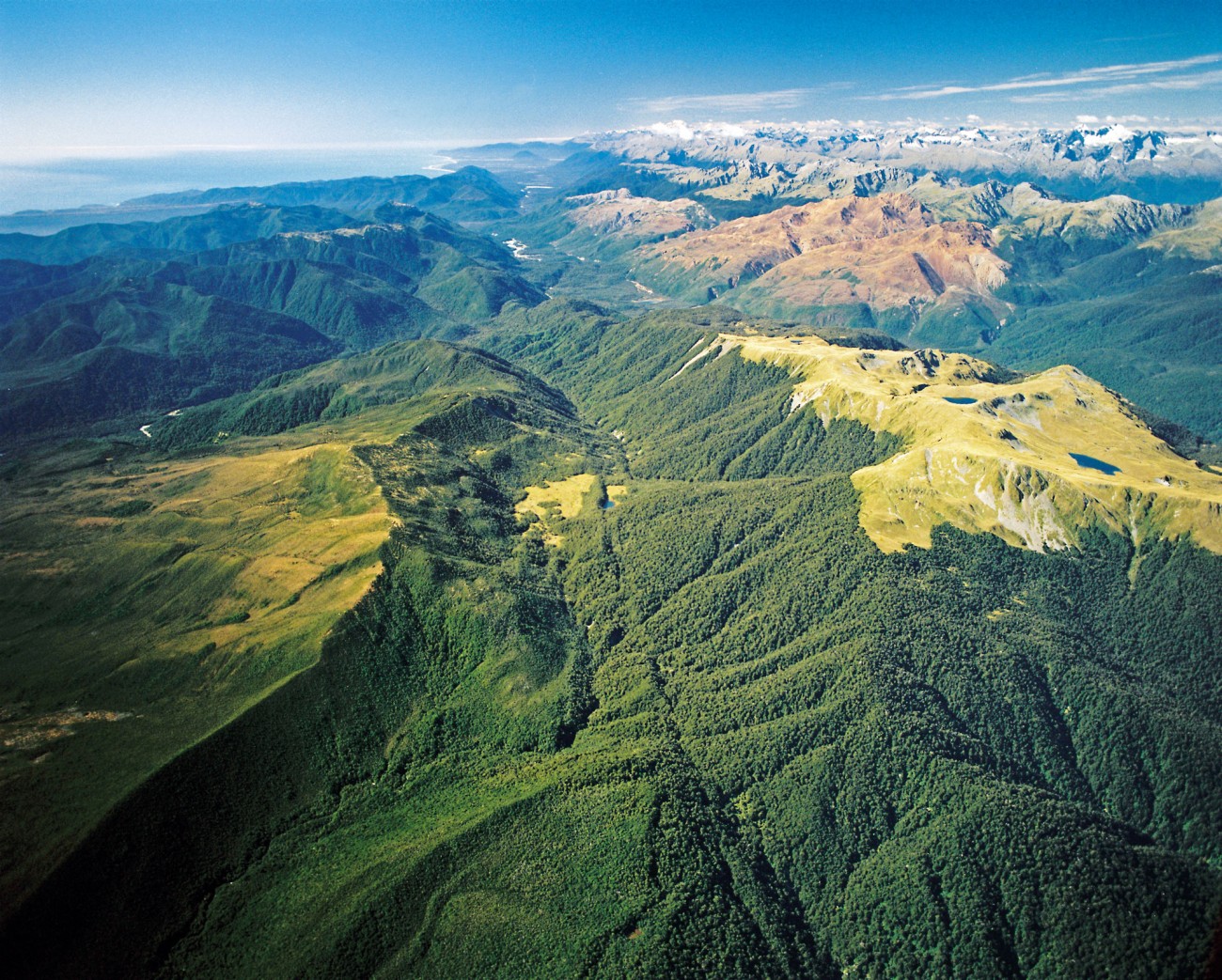
The Alpine Fault ruptures—on average—every 330 years with a magnitude 8 earthquake. Geologists and authorities are racing to quantify what might happen, and how they might respond in the event of the next one, likely to occur some time in the next 50 years. Keep reading...
|
|
|
|
| |
Subscribe and support local journalism
While advertising and retail income goes up and down, it is subscriptions from readers like you that power long-term journalism projects from around New Zealand and help us keep the lights on.
It's not as much as you think—$8.50 every two months for digital, $12 for print or $16.50 for both... a gold coin a week. Check out the options.
|
|
|
|
| |
Finding unclimbed walls in the Darrans
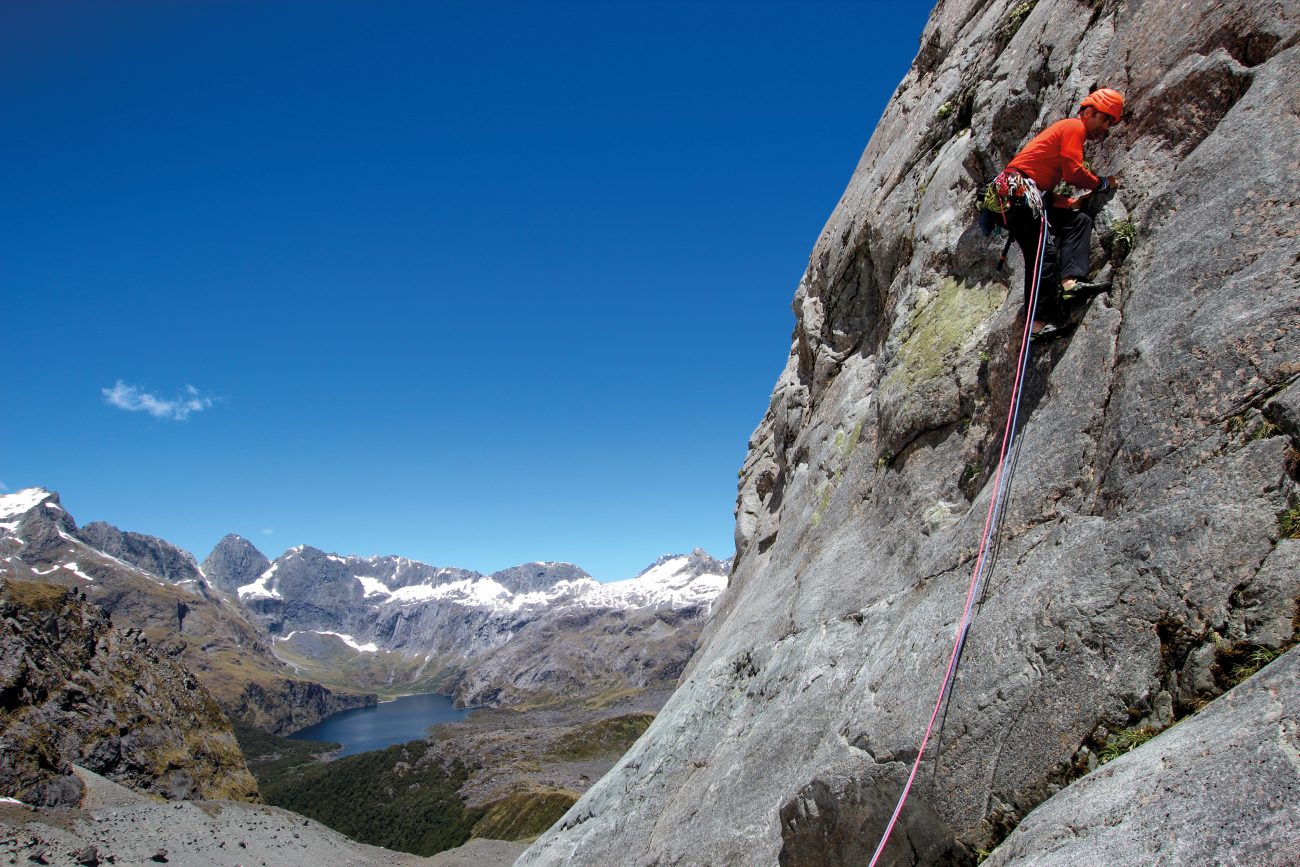
The Darran Mountains lie deep in the marrow of northern Fiordland—a chunky, perplexing range of diorites and sandstones, gneisses and granites. This is a land of extremes, with the country’s most remote summits, the greatest rainfall and the longest, hardest-to-climb alpine rock walls. Adventurers have been coming here since William Grave and Arthur Talbot in the late 1800s, to test themselves and forge new routes through this vertical landscape. Keep reading...
|
|
|
| |
Better Ancestors: from farmland to forest
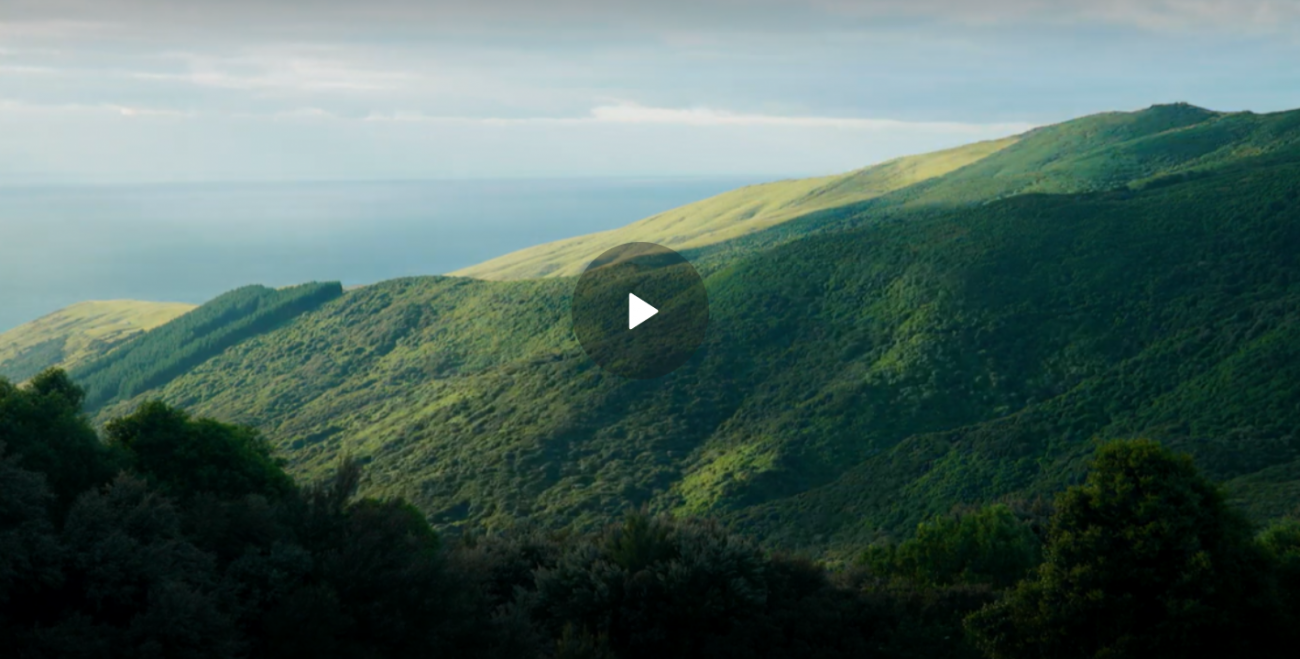
For 30 years, Hugh Wilson has overseen the regeneration of native flora at Hinewai Reserve in Banks Peninsula and provided a blueprint for others aiming to improve biodiversity and increase carbon sequestration. And Warren Begley is using the foundations that Wilson has laid to help oversee the initial stages of regeneration on several other plots of land in Banks Peninsula. Watch the video...
|
|
|