|
| |
Exercise Nemesis
Each year, two metres of rainfall drench the North Island’s volcanic plateau. Most of it immediately seeps through the coarse mixture of pumice and sand in the topsoil. The rest is scoured away by the wind. The result: Rangipō Desert. A sodden, rust-coloured wasteland approximately 100 square kilometres in size. Here, the only vegetation is a tawny, waist-high tussock grass that carpets the towering hills and deep crevices. No farmer ever had much use for the place. So the Army acquired thousands of acres and, in 1940, constructed Waiōuru Military Camp at the desert’s heart. Every year since, hundreds of new recruits have trudged through the tussock, tracking imaginary enemies. Keep reading...
|
|
|
| |
Seabirds bring nutrients and plastic to land
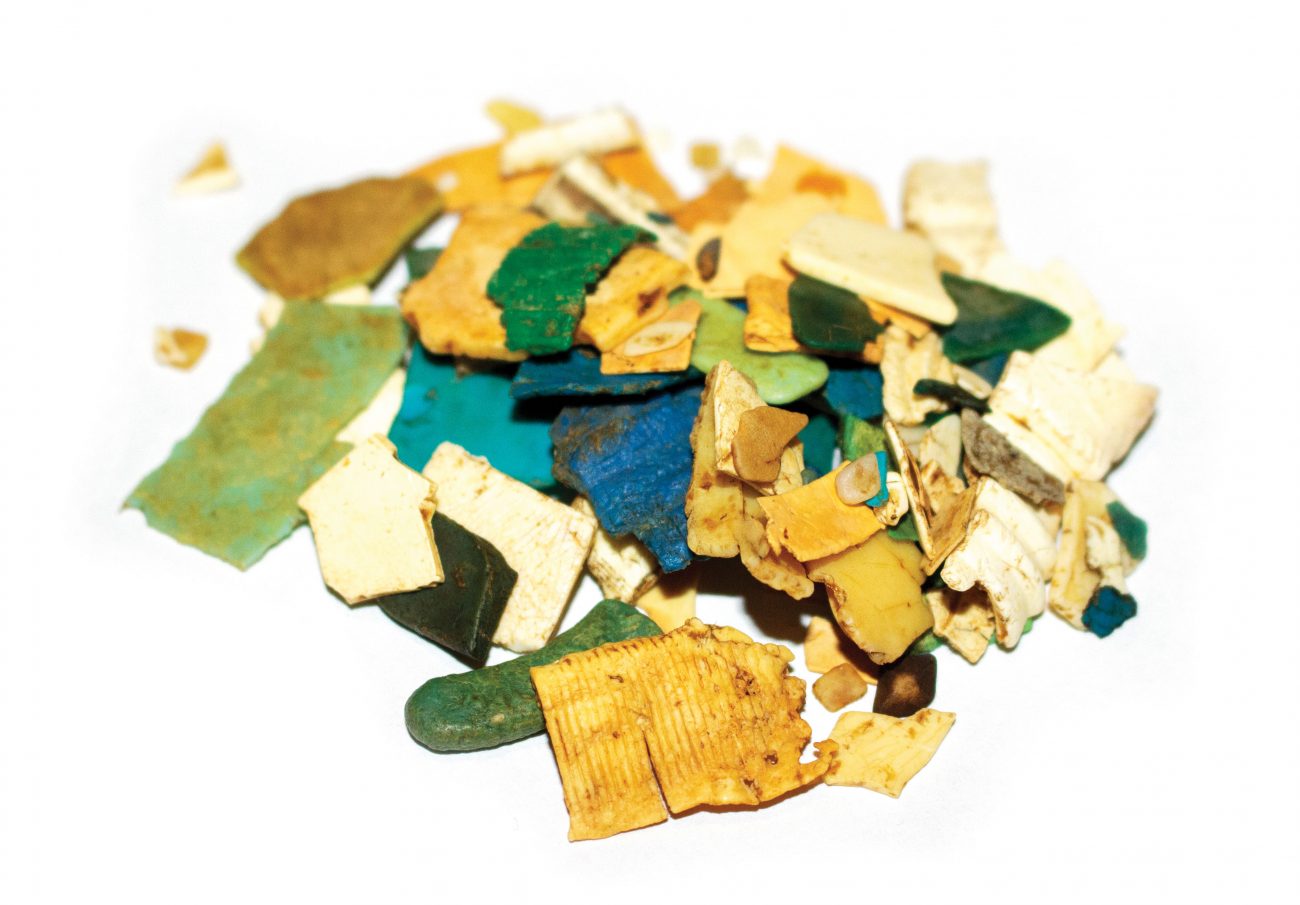
Dan Burgin was holding the flesh-footed shearwater chick when it vomited a hard white square of plastic—and stinky stomach oil—over Simon Lamb. The two ecologists, from the consultancy Wildlife Management International, were on predator-free Ohinau Island, off the eastern side of the Coromandel Peninsula, collecting data on the shearwater breeding season. They couldn’t help noticing the plastic scattered around the seabird colonies, especially near the shearwaters’ burrows. Keep reading...
|
|
|
| |
Catching rays
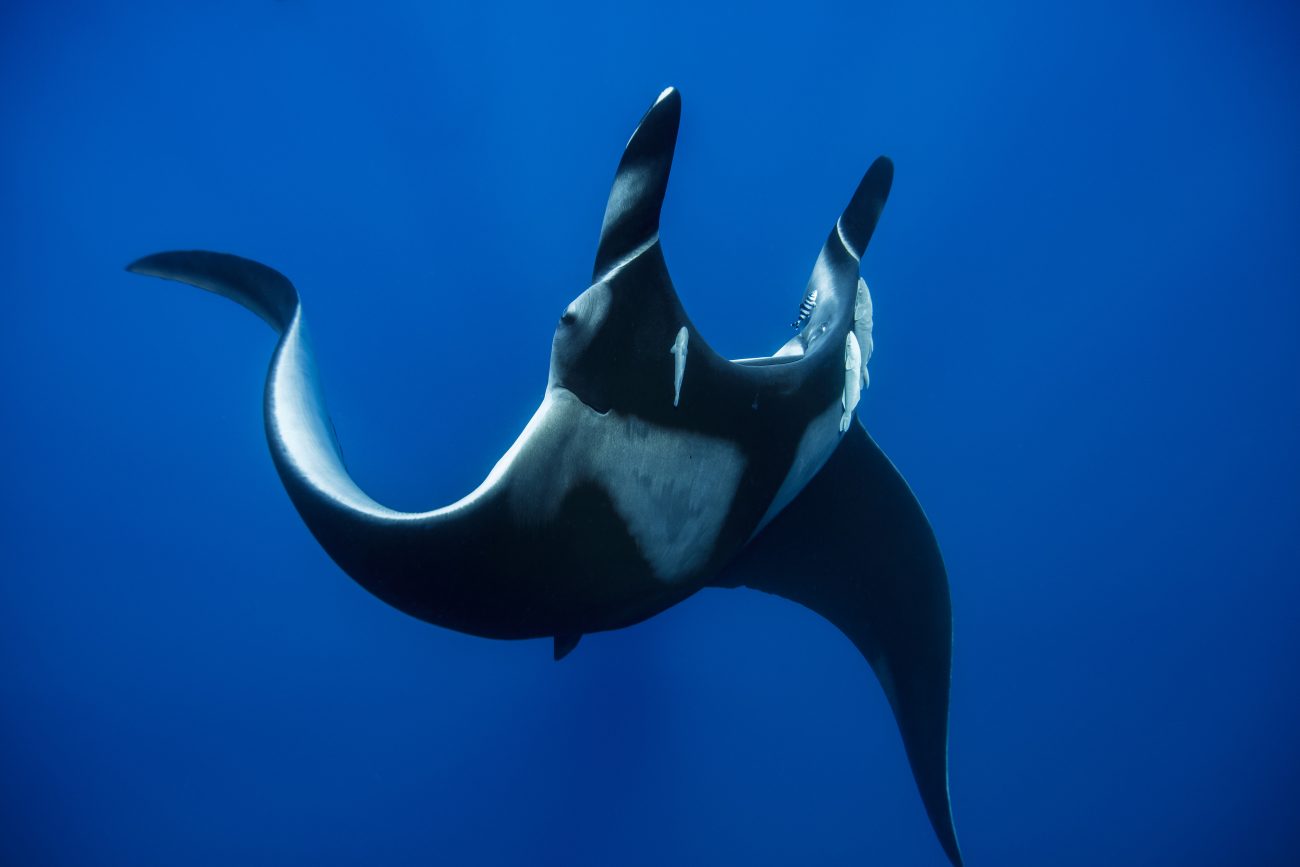
If you happen to spot a manta ray off the New Zealand coastline—which is surprisingly difficult given that they're several metres wide—you can now report the sighting at the new Manta Watch website. The site also maps all the sightings so far (and talks about typical manta ray behaviour).
Over the summer, New Zealand Geographic spent time with the scientists behind Manta Watch and documented their quest to learn more about New Zealand's manta rays. Keep reading...
|
|
|
| |
Subscribe and support local journalism
While advertising and retail income goes up and down, it is subscriptions from readers like you that power long-term journalism projects from around New Zealand and help us keep the lights on.
It's not as much as you think—$8.50 every two months for digital, $12 for print or $16.50 for both... a gold coin a week. Check out the options.
|
|
|
|
| |
Illegal fishing decreasing in Pacific
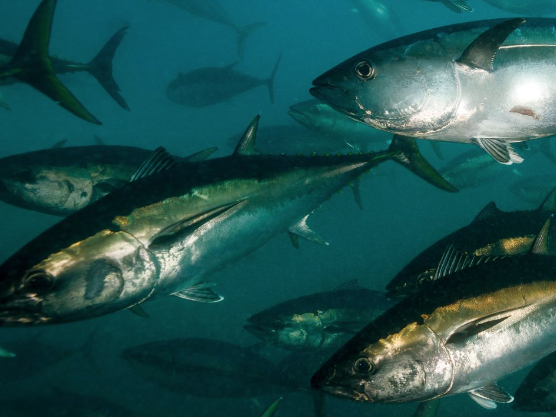
A study by the Pacific Islands Forum Fisheries Agency of illegal, unreported and unregulated tuna fishing has found that the problem may not be as bad as was feared. It estimated that between 2017 and 2019, 192,000 tonnes of tuna worth more than US$300 million was caught each year in the Pacific Islands region by people not following fisheries rules—down from 300,000 tonnes in the 2016 estimate. Keep reading...
|
|
|