|
February 6 in pictures; a declaration of independence; stories from our country's past and present.
|
The Weekender |

|
|
|
Free newsletter
|
FEBRUARY 9, 2024
|
|
 |
Senior editor, digital |
|
I’ve never been to Waitangi on Waitangi Day, and so all I know about what takes place on the Treaty Grounds is what ends up in the news. This week, we sent photojournalist Cornell Tukiri and reporter Myjanne Jensen to Waitangi, and their story below tells us what was like to attend what was likely the largest Treaty commemoration in history. People came from around the country to express their support of the Treaty in the form of their physical presence. The day looks celebratory—almost like a summer festival—but what drew people there, through traffic jams and record summer heat, was deep concern: the worry that the government is turning its back on the intent of our founding document. |
|
|
|
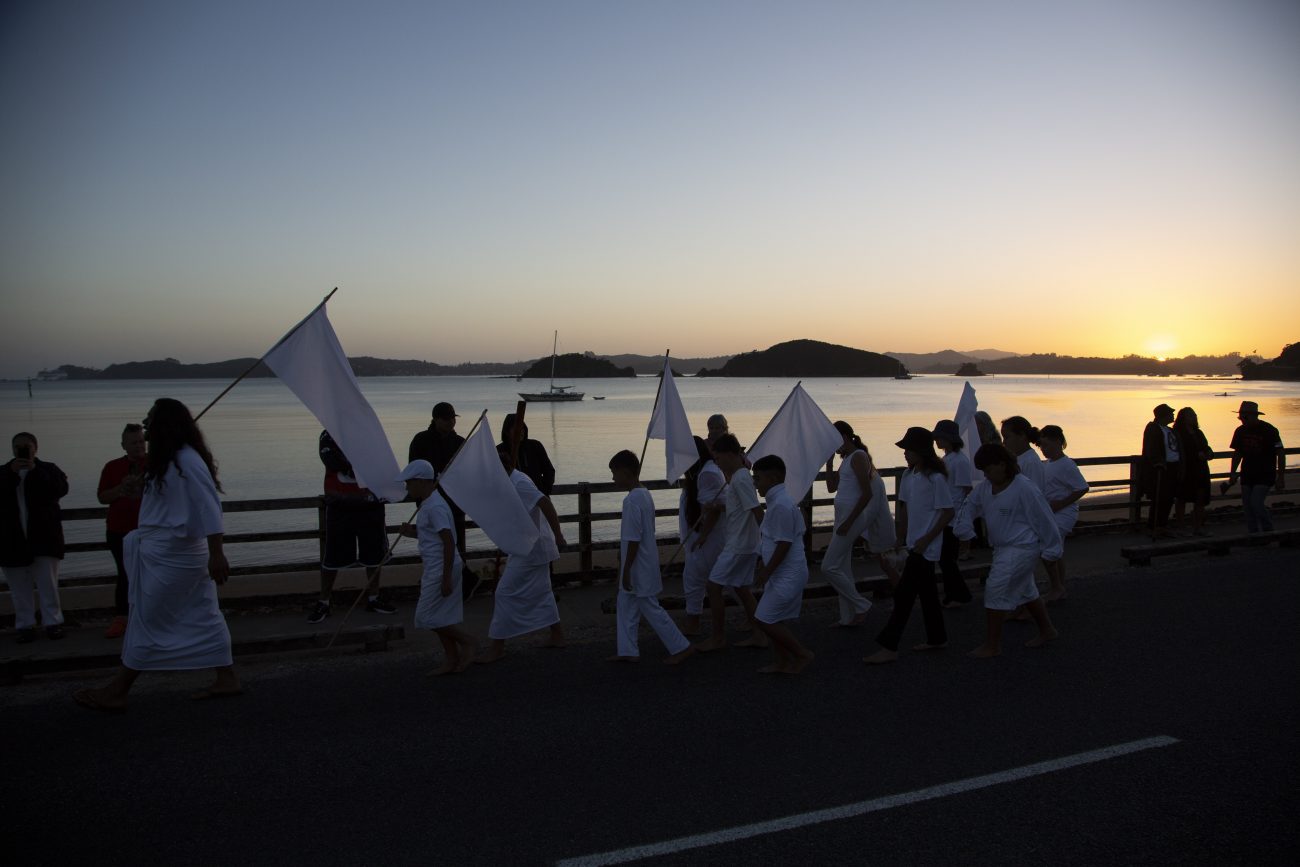
NEWS What happened at WaitangiDriving south on State Highway 1 in the middle of the night, the crescent moon above, I wonder what this year’s Waitangi Day will hold. My friend, Mikky, who’s Danish-Māori-Australian like me, says she’s eager to soak it all in, whatever the day brings. My 11-year-old daughter Audrey is groggy from our 2.30am start. Māori from all over the motu have been calling for this year’s event to be big. Tension filled the previous days, and protest interrupted political speeches: “E noho,” the crowd told Deputy Prime Minister Winston Peters. Sit down. A waiata also drowned Act Party leader David Seymour’s speech—a song which contained the lyrics “Whakarongo, e noho”. Listen, sit down. Launching into waiata is the accepted mode of informing a speaker that the audience does not share their views—or that it’s time to stop talking. The stars are still out when we arrive at Te Whare Rūnanga marae. People are scattered along the grass on picnic mats and blankets, quiet in the darkness. The air is cool and crisp, but I feel warm with manaakitanga—the feeling of welcome. |
|

|

|
HISTORY Before Waitangi, a coalition of chiefs declared independenceEvery New Zealander has heard of the Treaty of Waitangi. Many even have a rough idea what it says, in its English translation, at least. But perhaps only one in a thousand has heard of the Declaration of Independence. The majority of New Zealanders would be surprised to learn that we have one. There’s a simple reason for this knowledge gap. According to the conventional story of the country’s early years, the Treaty is our founding document, and in the Treaty Māori relinquished their political independence when they ceded their sovereignty. So whatever a Declaration of Independence might have meant in 1835, when it was written, it became irrelevant in 1840, and remains so today. That is not Ngāpuhi’s view. |
|
|
|
SOCIETY Two peoples, one country:
|
|
||
|
SUBSCRIBE TO SUPPORT OUR WORK New Zealand Geographic is a Kiwi-owned family business striving to celebrate and investigate our environment and society. While advertising and retail income goes up and down, it is subscriptions from readers like you that power long-term journalism projects from around New Zealand and help us keep the lights on. It's not as much as you think—$8.50 every two months for digital, $12 for print or $16.50 for both... a gold coin a week. Check out the options. |
||