|
Why you should care about an orange fish at the bottom of the ocean that you will never see
|
The Weekender |

|
|
|
Free newsletter
|
FEBRUARY 28, 2025
|
|

|
Publisher |
|
I'll be honest with you. This time yesterday afternoon I was scratching for a lead story in this newsletter. Then I hit rich seam. A real gusher. New Zealand was once a promoter of sustainability on the High Seas, then opposed a proposal to ban destructive bottom-trawling in vulnerable marine ecosystems, suggesting the ban should apply to just 70% of the vulnerable area, then opposed its own proposal. Then, last week, opposed the proposal a second time and introduced an amendment that would allow New Zealand boats to fish the allocation that Australia refused to bottom-trawl. Heads were spinning. My only reluctance is that, for the second week running, we are covering yet another story about fisheries. Why? Because we just can't get it right, and it reflects the difficult relationship we have with the environment we depend on. Check out the story below. If you prefer a more game-ified framing, trying voting for the humble orange roughy in Fish of the Year, polls open 9am Saturday. |
|
|
|
|
Is journalism about our environment important to you? If so you can support our work with a subscription—either print or digital or both— please check out the options.The more subscribers we have, the more great work we can produce. |
||
|
|
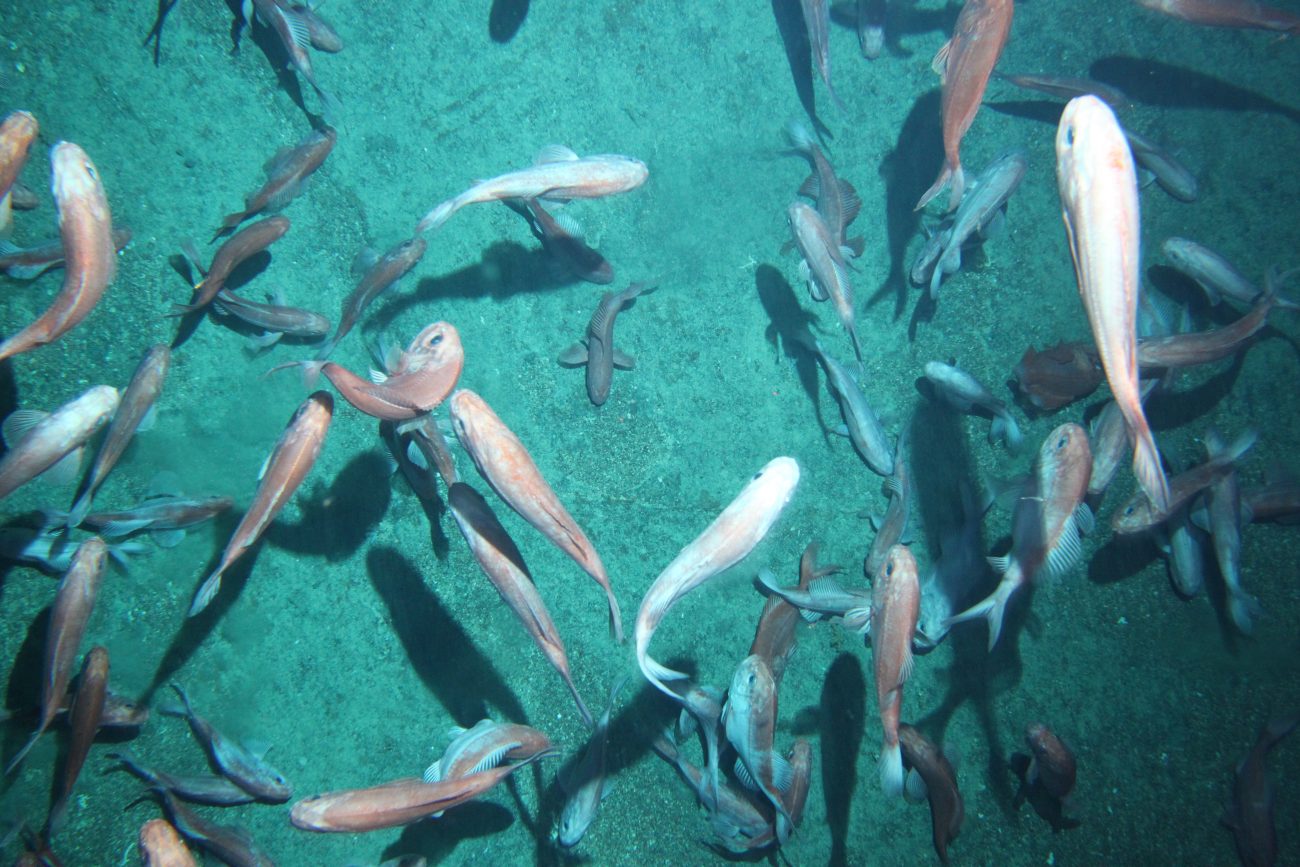
FISHING Why you should care about an orange fish at the bottom of the ocean that you will never seeOn the cover of issue 4 of New Zealand Geographic is a close up of an orange roughy, eyeballing photographer Kim Westerskov from inside a trawl net. It was dragged up from the rolling shoulder of a seamount, through 1000 metres of dark water to be landed on the roiling deck of a monster fishing trawler, more than 20 tonnes in a single set. On this trip it took just 43 hours to fill the boat—200,000 kilograms of fish, then back to port to unload. The accompanying cover story, written by Warren Judd in 1989, highlighted rapid industrialisation of the fishery and concerns over its sustainability. It raised a critical eyebrow at gargantuan catches made possible by joint ventures with foreign vessels. Judd, a scientist, noted the common trajectory of fish stocks—the gold rush to catch as much as you can as fast you can, until the quota system kicked in with just 20% of the species remaining… then fishers chip away at the long tail, bound by a total allowable catch that attempts to maintain a fishery teetering on the edge of collapse. “Industry loves the large hauls of the knock-down phase, but is reluctant to switch to the small catches of sustained yield,” he wrote, “especially if it has invested in plant during the boom.” The feature also highlighted that orange roughy are a slow-growing species, living longer than humans, and as a result were vulnerable to overfishing. Judd cited Ministry of Agriculture and Fisheries surveys that indicated orange roughy populations had declined by 50% in just a few years. Despite this, fishers insisted that stocks remained abundant, leading to conflicts over quota reductions. The story pointed to significant gaps in knowledge about behaviour of the species, spawning and movements, making management decisions more uncertain. And issued a grim forecast: that unless strict conservation measures were enforced, the orange roughy fishery risked total depletion. Check that date again. 1989. A generation ago. And very regrettably, New Zealand Geographic’s long-range forecast has come true. |
MORE STORIES ABOUT ORANGE ROUGHY: |
|

|
|
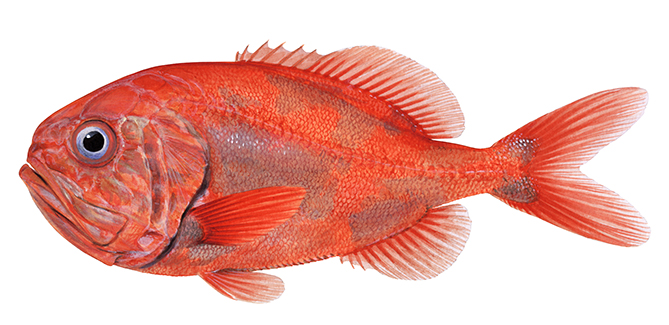
FISH OF THE YEAR A vote for the orange roughy is a vote for the environmentYou may not have heard of Fish of the Year, obsessed as we are by celebrity birds, but this year's aquatic popularity contest deserves your participation. Voting opens at 9am Saturday morning in this election run by the Mountains to Sea Conservation Trust. To gather support around their judicial review, Environmental Law Initiative are managing the orange roughy campaign. If the fate of this fish concerns you, cast a vote in support. (There were only 1000 votes cast last year, so you can swing this election.) |
|

|
|
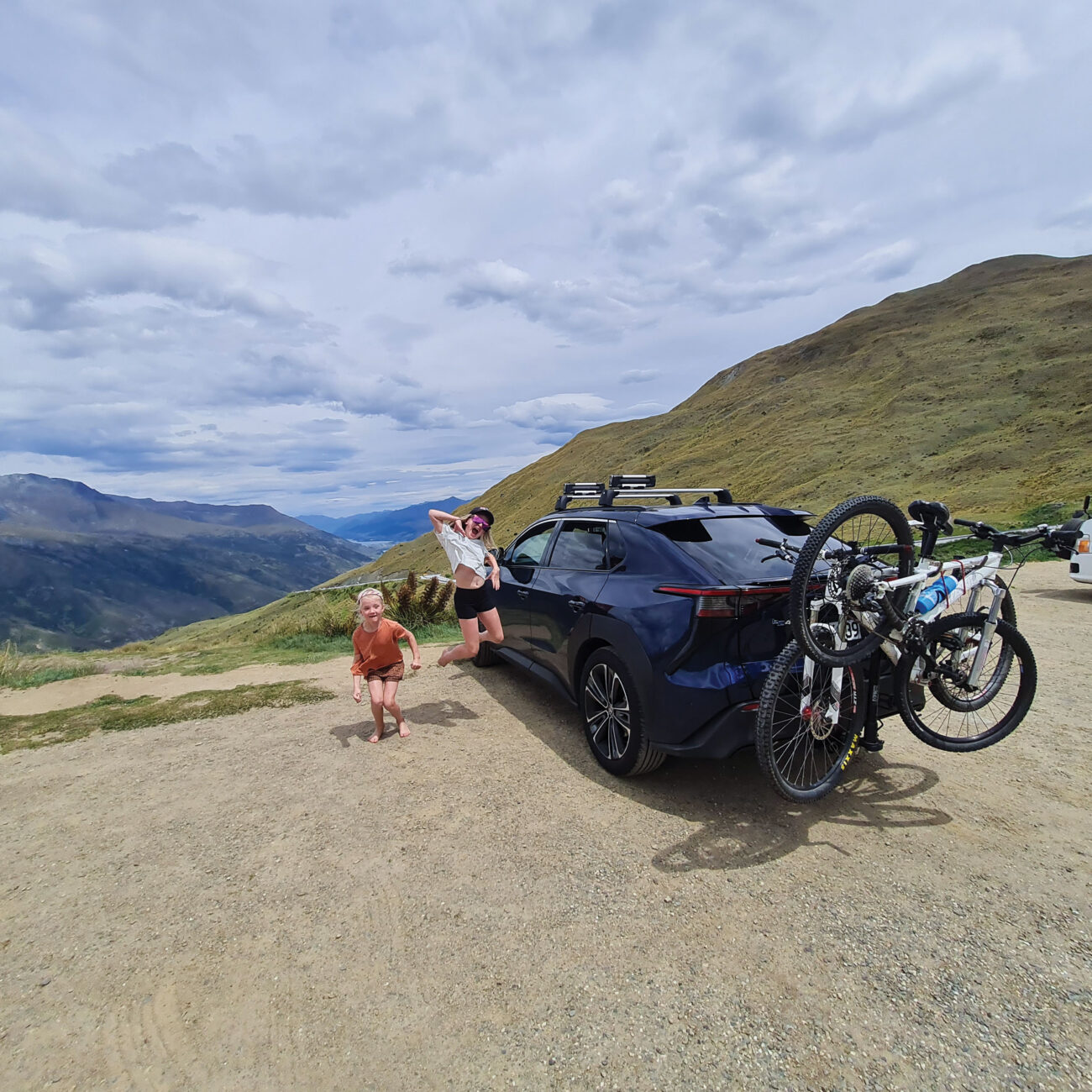
PARTNER CONTENT Home on the rangeThree pot plants, a barbecue and four bikes—we load up Toyota’s fully electric car for a classic southern summer roadie and discover that electric road tripping is getting much easier—and that the bZ4X can do pretty much everything the petrol equivalents can do, at lower cost, and without the emissions. |
|