|
Not everything burns the same; how firenados form; the wicked problem of Mt Iron.
|
The Weekender |

|
|
|
Free newsletter
|
FEBRUARY 16, 2024
|
|
 |
Senior editor, digital |
|
One of the many ways in which we as New Zealanders are lucky is that very little of our country is on fire at any given time. This week’s Port Hills blaze is an irregular tragedy rather than an average February. For now. To glimpse the future, we only have to look overseas, where fire is an ever-present threat—even in places far from forests. Last June, wildfire smoke blanketed New York City so thickly that spending a day outdoors without a respirator was equivalent to a couple of cigarette packs’ worth of lung damage. Few things are under our control when it comes to preventing fires, aside from demanding global action on climate change. But one of the things we can do is a little bit surprising: we can control what types of trees we plant in high-risk places. Happily, the trees that fight fire are our native species. |
|
|
|
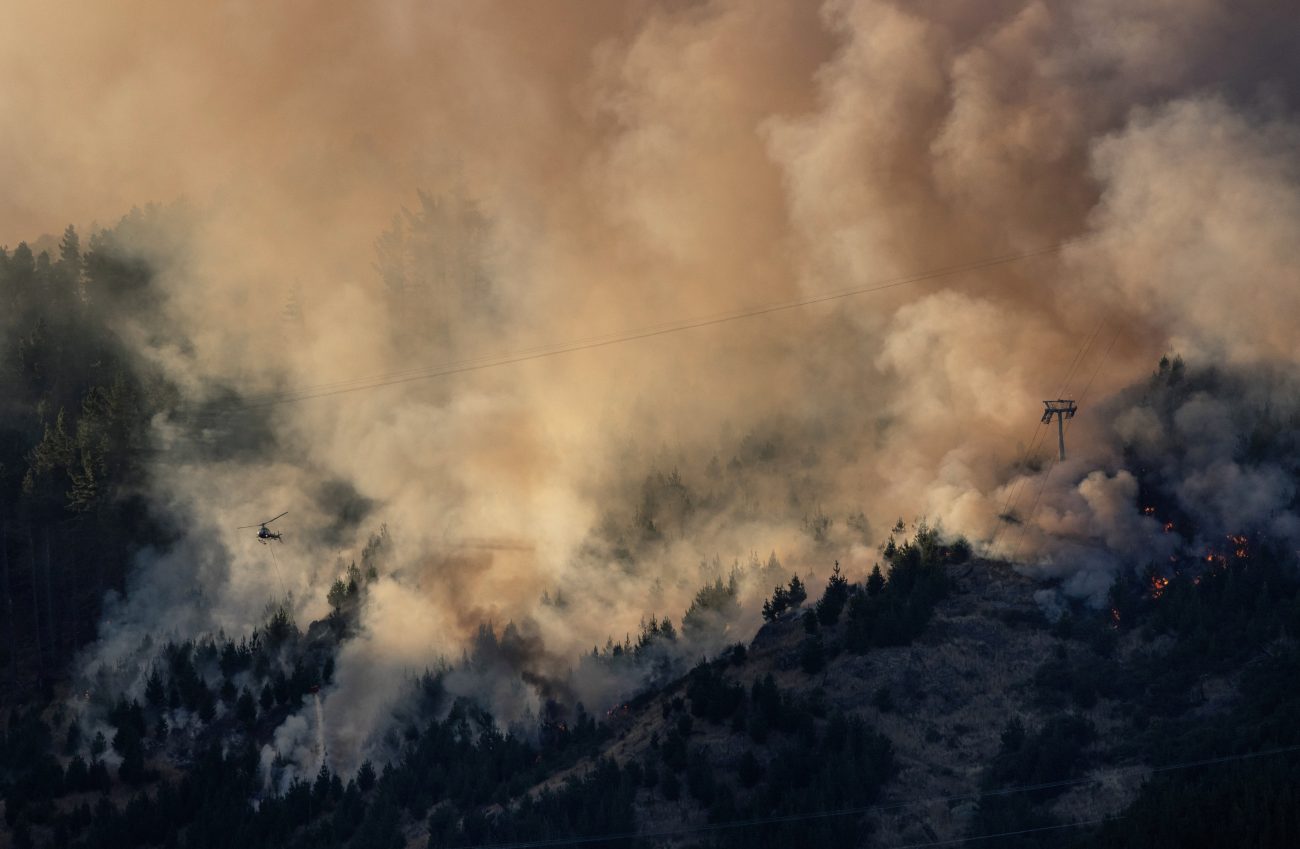
ENVIRONMENT Why do some trees fight fire—while others spread it?This week, on Valentine’s Day, ecologist Tim Curran was out on Kaitorete Spit when he saw a column of smoke rising from the Port Hills. It grew, turned darker, and spread over Banks Peninsula. That’s not good, he thought. Seven years ago, in 2017, a fire started in roughly the same place, almost on the same day—February 13. It burned for more than two months. Afterwards, Curran, who is an associate professor at Lincoln University, helped guide the local council on how to replant the area. Curran studies how easy it is for different trees and shrubs to catch fire—he’s been systematically testing New Zealand plants for their flammability for years, and he’s found dramatic differences between them. A video of his plant barbecue shows gorse igniting like a torch while broadleaf/kāpuka doesn’t even smoulder. |
|

|
|
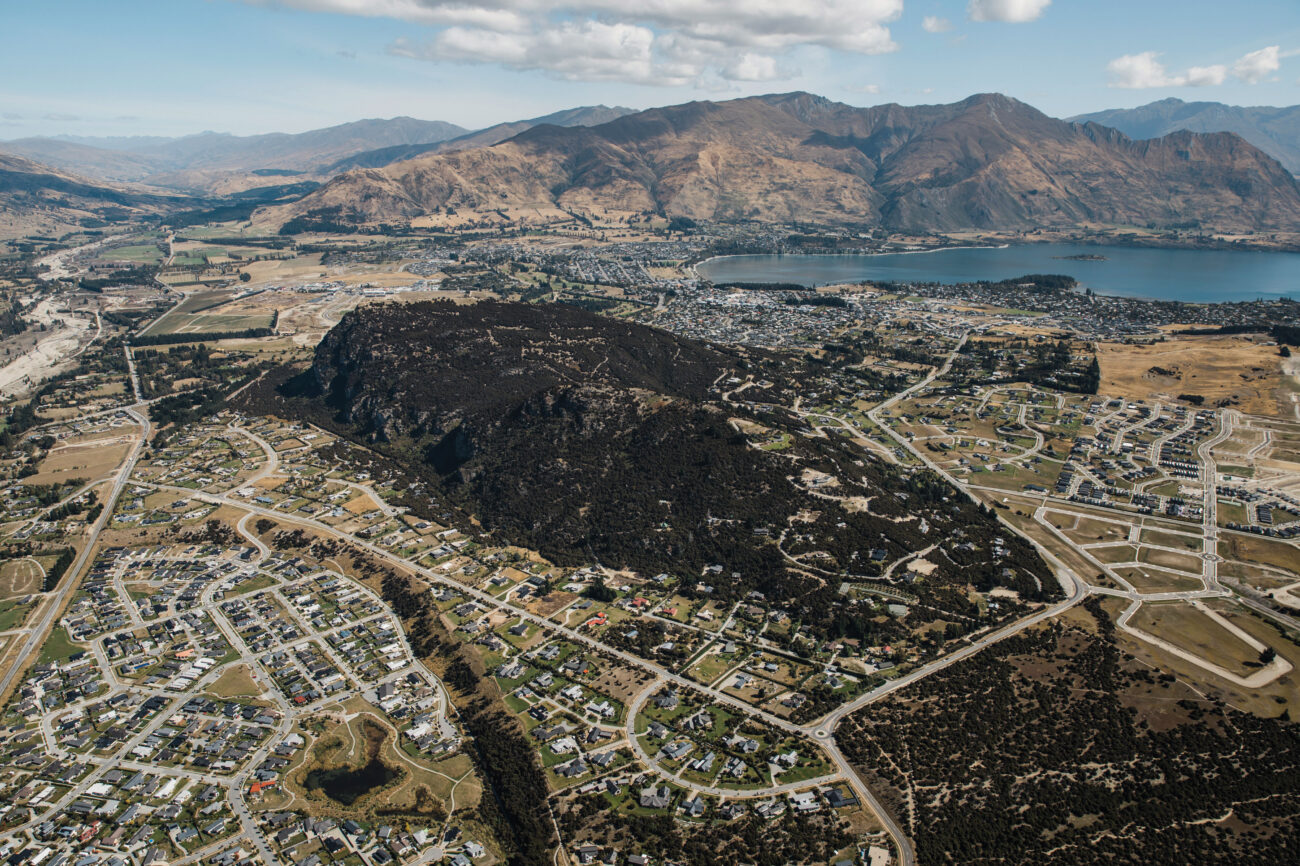
SOCIETY The wicked problem of Mt IronIf there’s a spark, Mt Iron will go up like a torch. The hill near Wānaka is a case study of the challenges facing communities around the country: when residential homes sit on the fringe of wild land, fire risk increases dramatically. Naomi Arnold explores the situation in this feature from our archives. One of the risk factor on Mt Iron is its large kānuka forest. Kānuka is highly flammable, but it also plays a crucial role in forest restoration, and eventually it will give way to bigger, less flammable trees. If only we didn’t have so long to wait—and increasing numbers of fire- weather days in the interim. |
|

|
SUBSCRIBE TO SUPPORT OUR WORK New Zealand Geographic is a Kiwi-owned family business striving to celebrate and investigate our environment and society. Subscriptions from readers like you that power long-term journalism projects from around New Zealand. It's not as much as you think—$8.50 every two months for digital, $12 for print or $16.50 for both... a gold coin a week. Check out the options. |
||
|
|
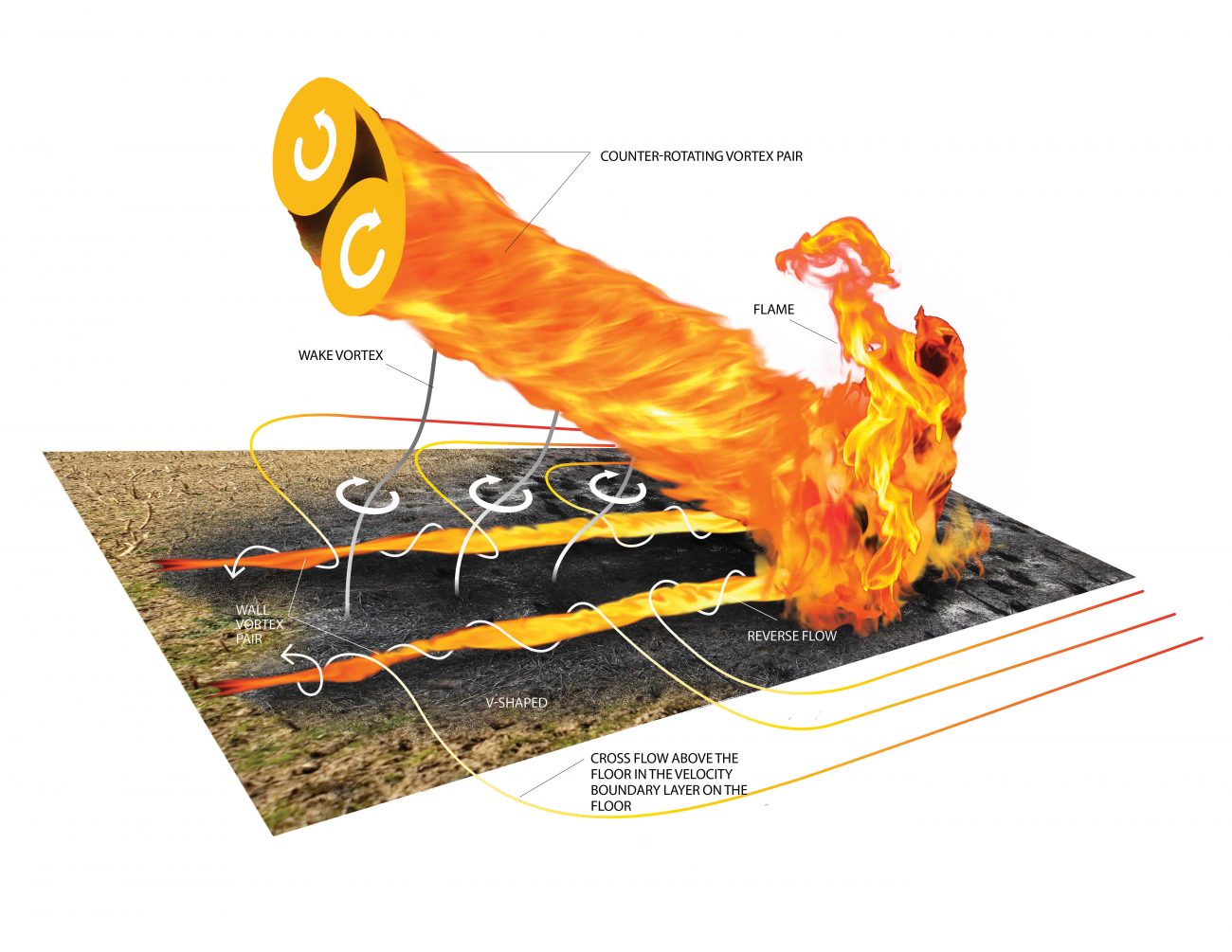
SCIENCE How a firenado formsA wildfire, once it’s big enough, becomes its own self-sustaining meteo-physical phenomenon. As it consumes more biomass, it needs vast amounts of oxygen, such that it creates its own fanning winds. These ‘in-drafts’ rush from all points of the compass at once into the base of a fire at close to 100 kilometres per hour. |
|
|
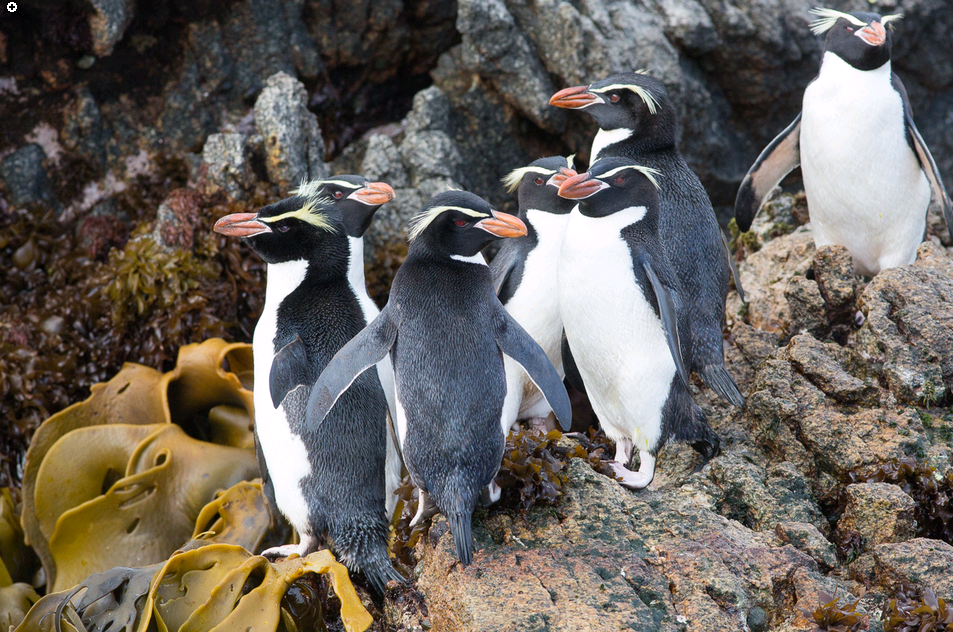
READER EXPEDITIONS All aboardNew Zealand Geographic and Heritage Expeditions are partnering up to offer readers the chance to visit some of the more remote corners of New Zealand with special expeditions featuring expert guests.The next voyage is departing very soon and there are only a few berths remaining, so why not take a last-minute opportunity to visit three amazing destinations—Stewart Island, Fiordland and the Snares—across one eight-day itinerary, with ex-director general of DOC and renowned conservationist Lou Sanson as the onboard expert. Voyage: To Distant Shores Dates: 1st March—8th March, 2024 Find out more about all our reader expeditions and book your tickets. |
|
|
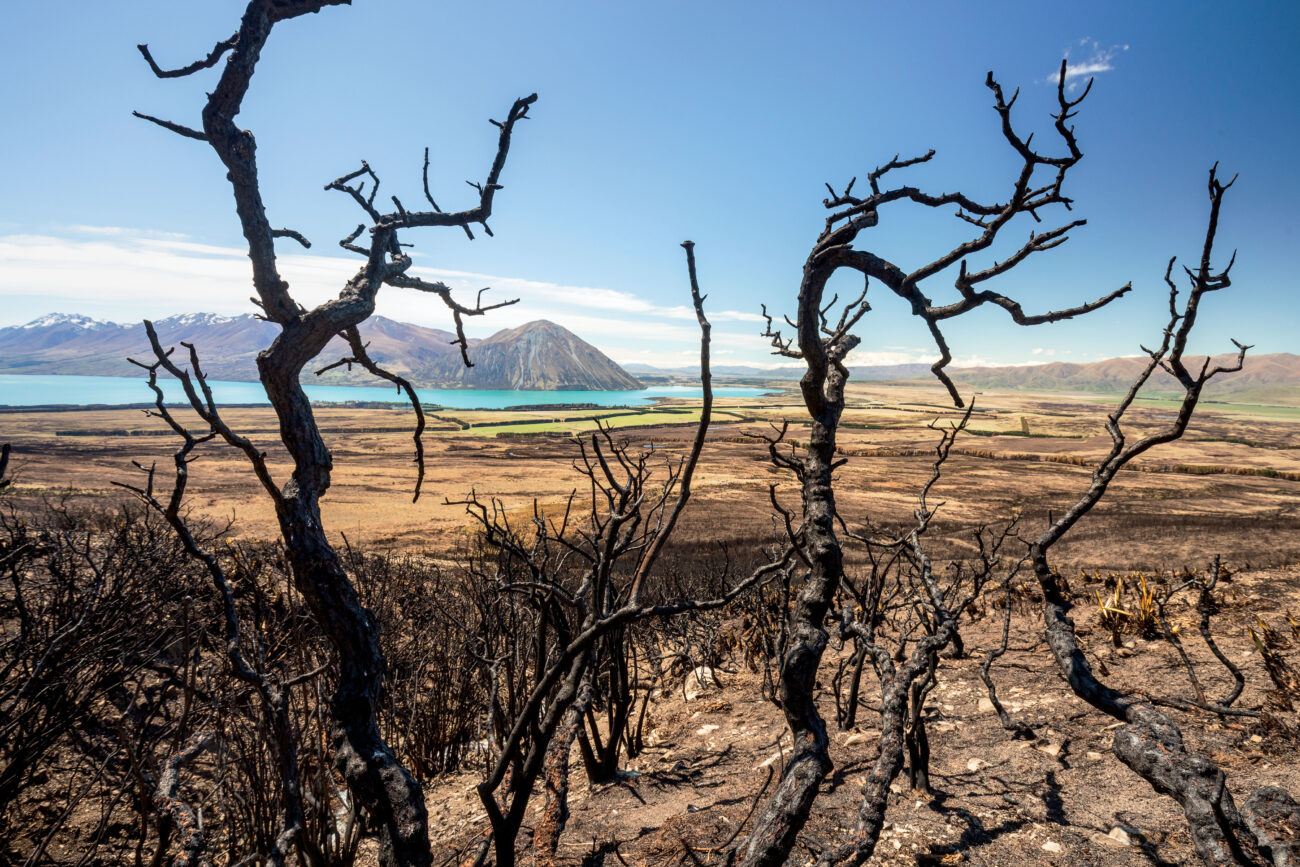
ENVIRONMENT What grows back after wildfire isn’t the same as it was beforeIn 1980, a fire destroyed 300 hectares of beech forest at Mount Thomas, not far from Oxford in north Canterbury. Despite people sowing thousands of seeds, and fertilising those that germinated, the restoration project was stifled by a hard fact of fire ecology: introduced plants are much better at filling the vacuum left by a blaze. “Weeds like gorse, and pines, and hakea,” says ecologist Tim Curran, “have all come from fire-prone landscapes overseas. They’re much better adapted for fire, and often, they’re more flammable than native plants. So after a fire, you get these weeds invading the landscape, and that increases the likelihood of more frequent, more intense future fires.” |