|
| |
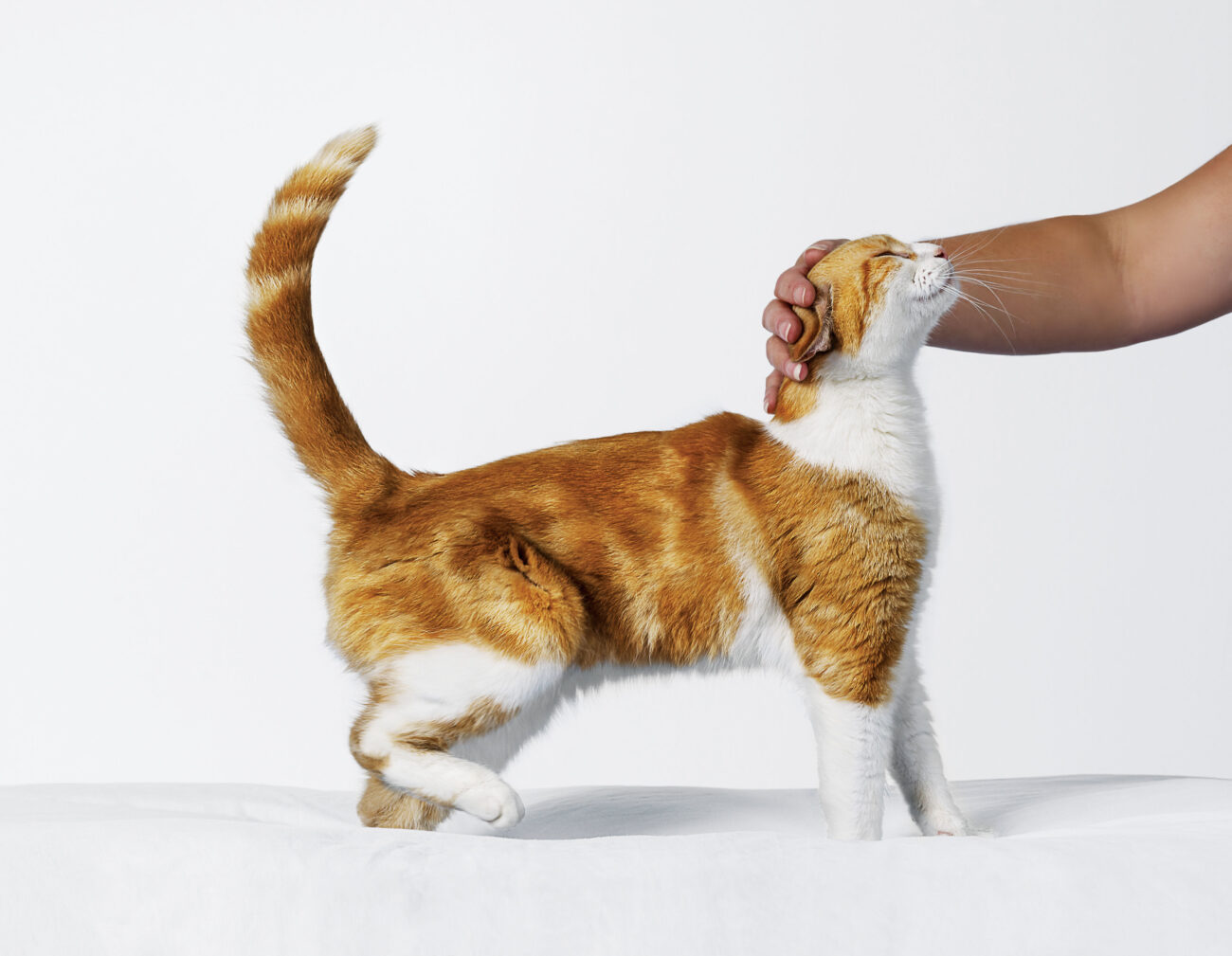
What cats get up to after dark
Cats provide comfort, companionship and connection to the wild. Nearly half of all New Zealand households include a feline member. At the same time, it's nesting season, and right now, rangers looking after tara iti, New Zealand's most endangered bird, are trying to capture a cat roaming the beach near one of the birds' nesting sites.
Should we introduce stronger rules governing how we look after our most beloved companion animal? Keep reading...
|
|
|
| |
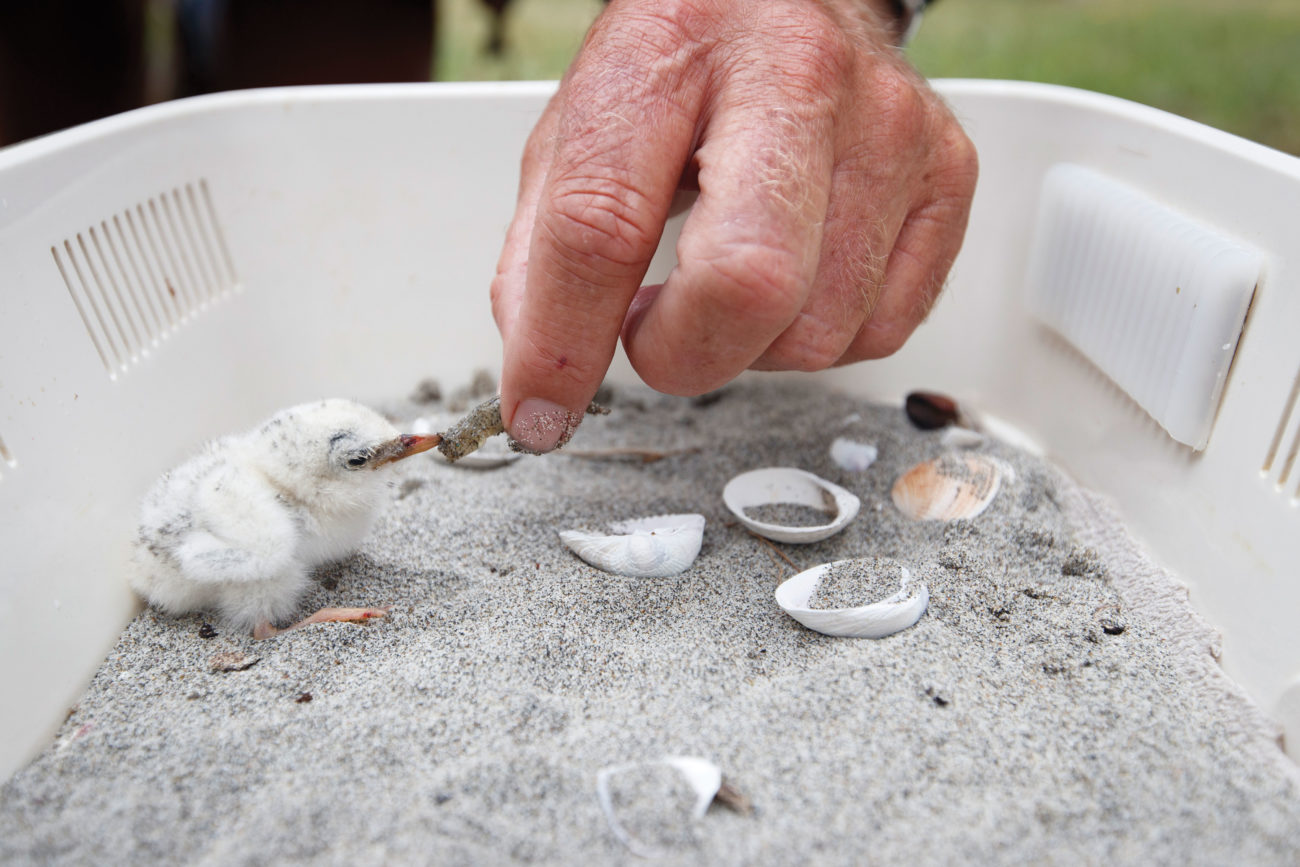
Our most endangered bird tries again
The rarest bird in this country is the fairy tern, with perhaps 36 adults left in existence. It’s got everything going against it: weather, cats, its own DNA, and the fact that humans love the white-sand beaches where it raises its young. Only a small group of people, many of them volunteers, stand between it and oblivion. What will we lose if it vanishes altogether? Keep reading...
|
|
|
| |
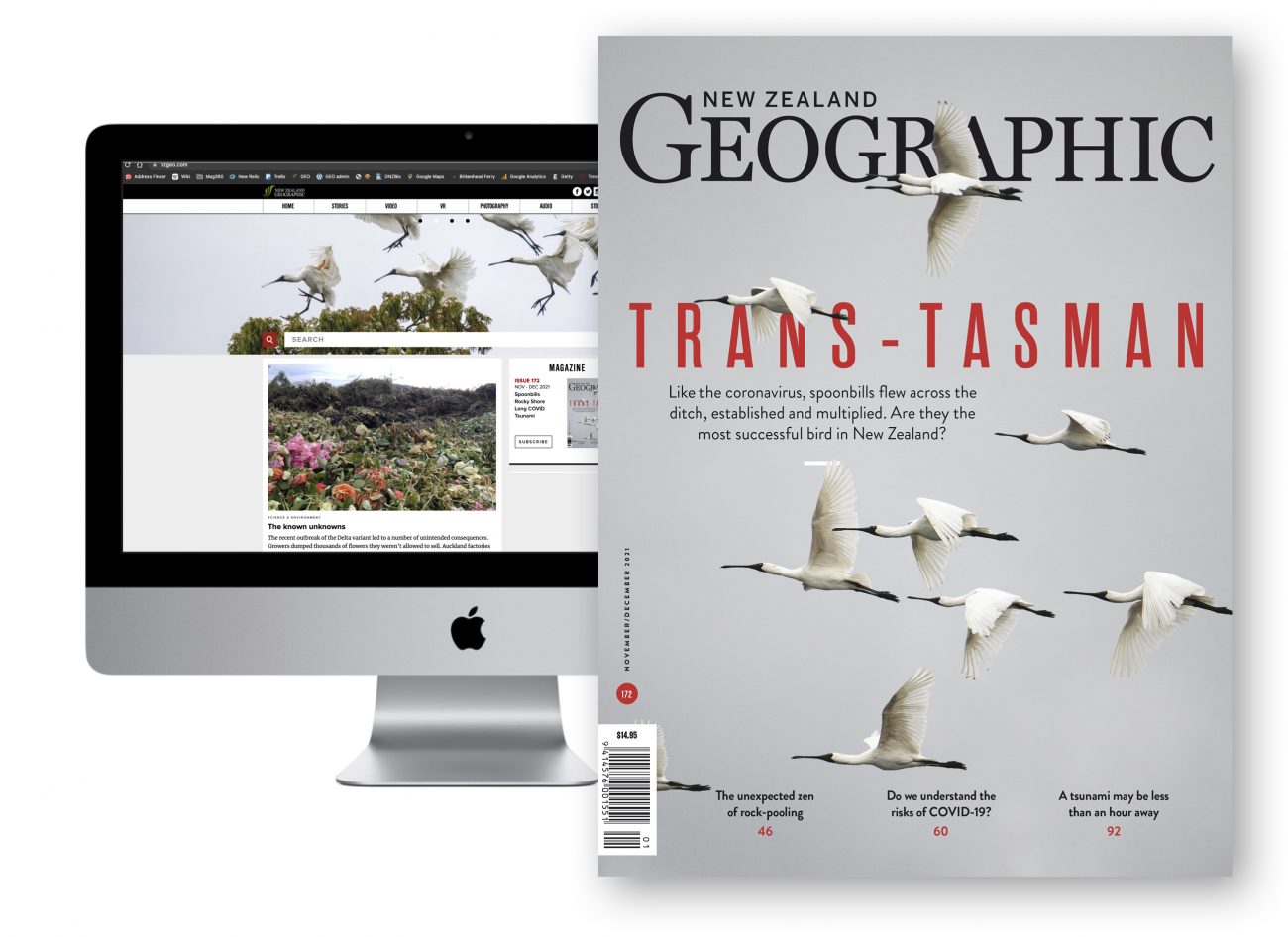
Give NZGeo this Christmas
A subscription to New Zealand Geographic is a gift for the whole family, and it arrives six times a year! The donor's name is even printed on the address sheet. You can choose to start with the Jan/Feb issue—which comes with a free calendar—arriving either before or after Christmas, or you can ship the issue to your own address to pass on personally on Christmas day. All the options are in the NZGeo store. Alternatively give us a bell on 0800 782436 during business hours and we'll help. Check out the options >
|
|
|
|
| |
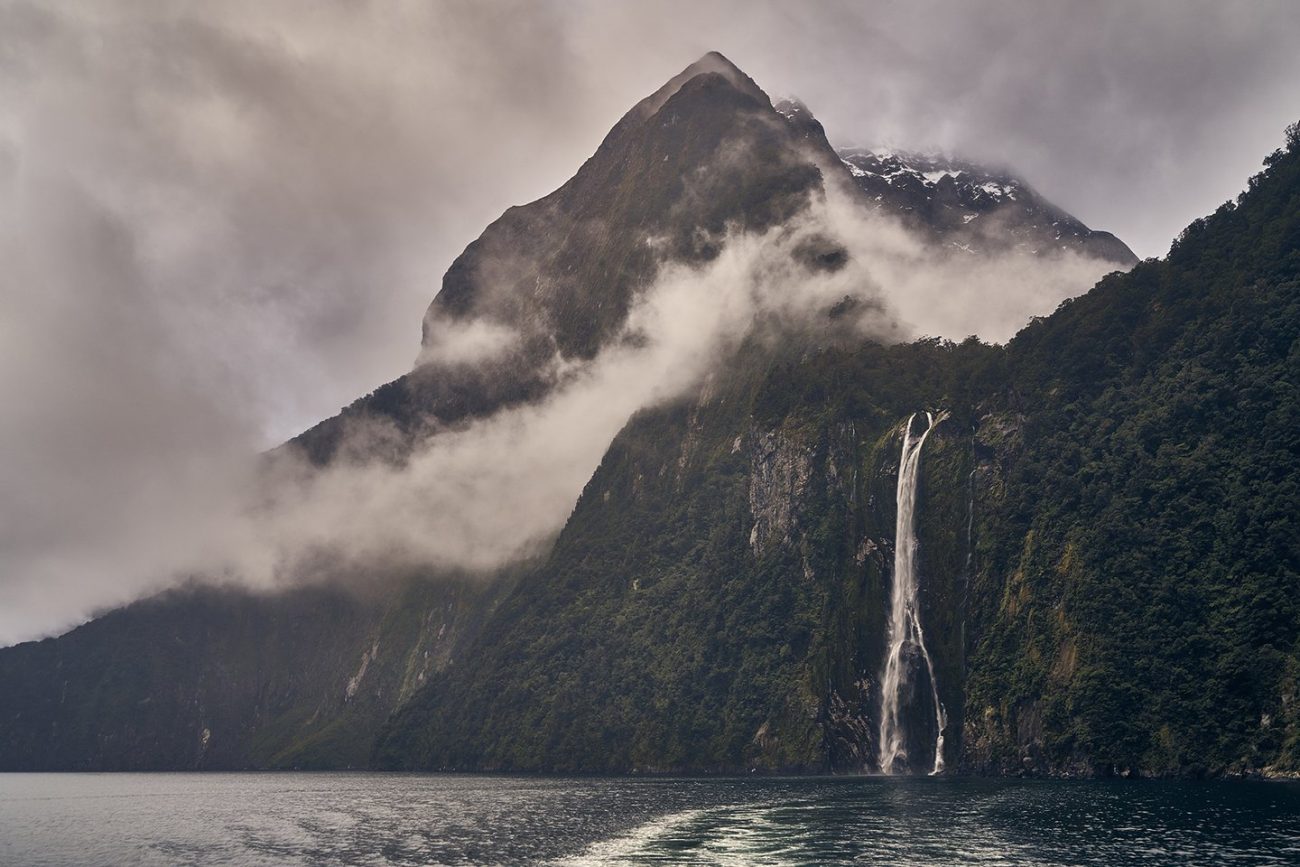
Southern sights
New Zealand Geographic and Heritage Expeditions are pleased to announce their second premium adventure, a 10-day journey through Fiordland with New Zealand conservation stalwart, award-winning author, photographer and natural history filmmaker Rod Morris. Find out more...
|
|
|
|
| |
Win an overnight cruise in Fiordland
New Zealand Geographic and RealNZ are offering readers the chance to wake up in one of the most beautiful places on earth. To enter the draw to win an overnight cruise for two on the Milford Navigator, send an email to partnerships@nzgeographic.co.nz with the subjectline 'Milford giveaway'.
|
|
|
|
| |
Travel in the time of COVID
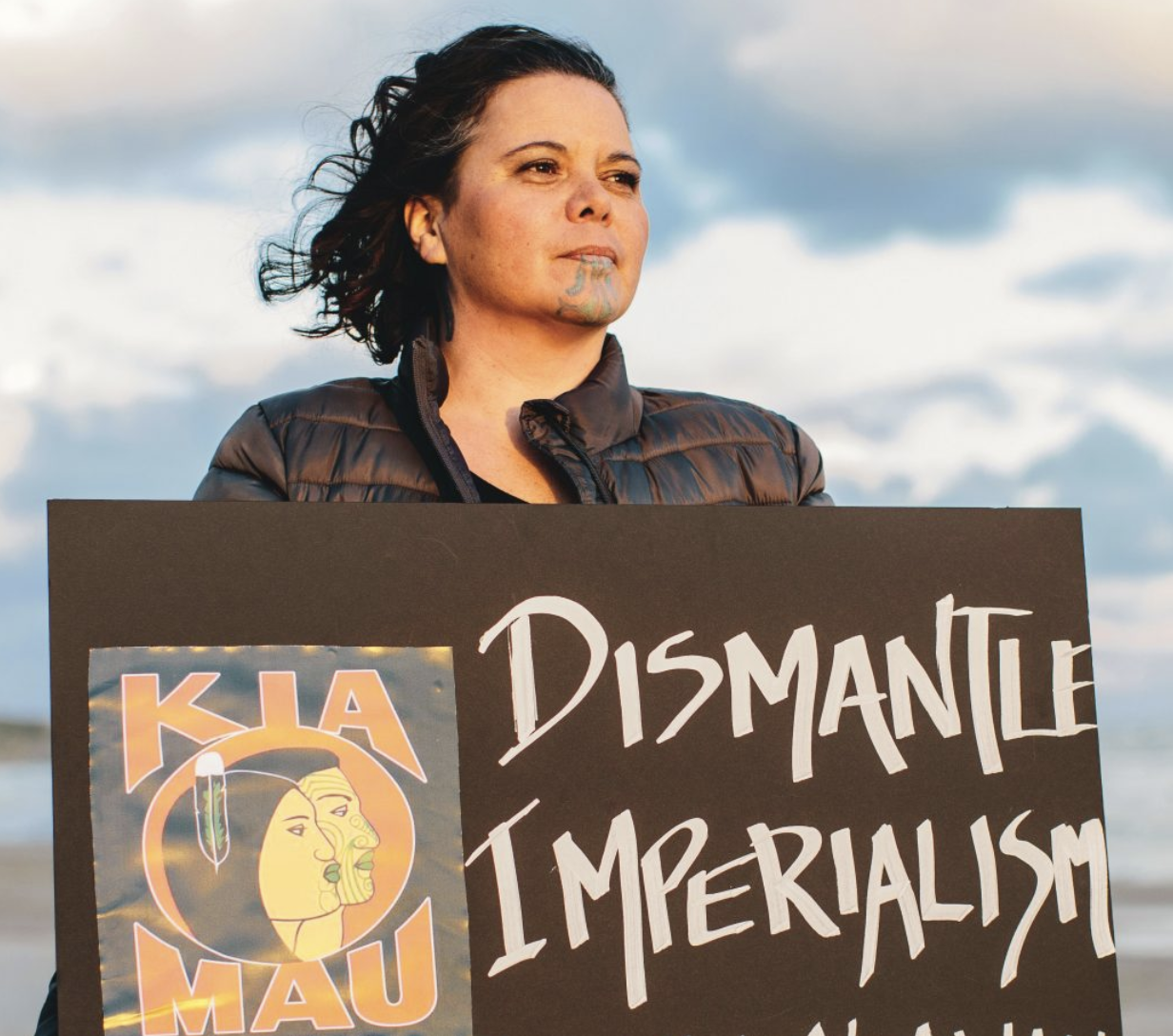
Returning home over summer, writes Tina Ngata, is not just a holiday but a form of rongoā—medicine. Yet, she writes, iwi need people to stay away this summer. Iwi on the East Cape have issued a plea to their whānau not to return home over the Christmas holidays, citing the region's remoteness, lack of hospital service and low vaccination rates as a disaster waiting to occur. Read more about Tina here.
|
|
|
| |
Anatomy of an earthquake
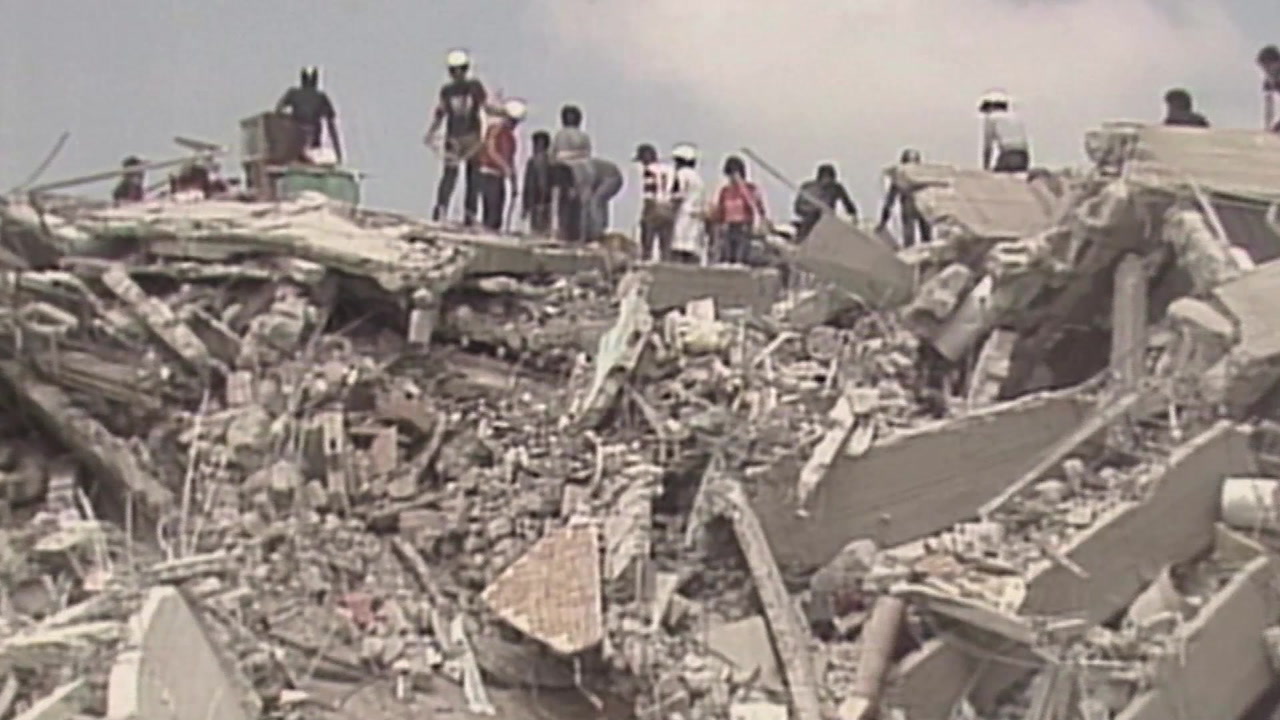
Earthquakes are one of the most unpredictable and destructive forces in nature and can transform a busy city into a scene of devastation and chaos in a few seconds. Half the world’s population live within striking distance of a major fault line and as the world’s cities grow so too do the chances of casualties. This NHNZ documentary circles the globe, examining significant earthquakes of our time – each more powerful that the last, each with its own compelling mysteries, each propelling us towards a monster quake that could rock the world. Watch the video...
|
|
|
| |
Better Ancestors: Blowing minds to save our oceans
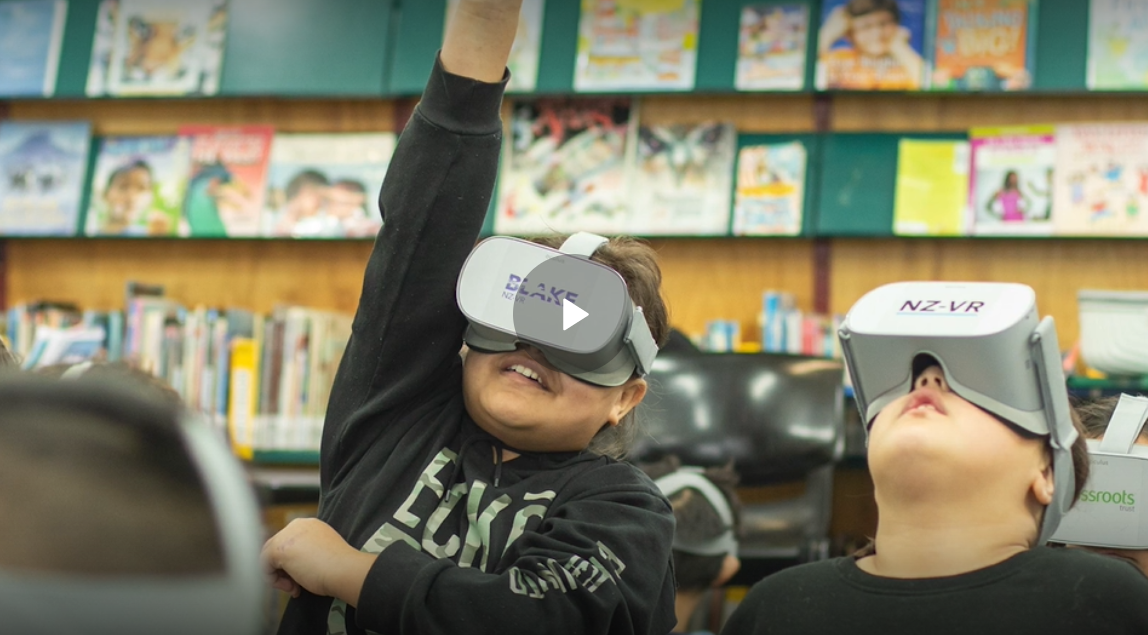
After Sir Peter Blake’s death, The Blake Trust was set up to continue his work educating people about the state of our oceans and getting them to do more to protect the marine environment. NZVR, a partnership between Blake and New Zealand Geographic, does just that by bringing the ocean to our country’s classrooms. It uses virtual reality to show rangatahi what it’s like under the surface, introducing them to issues like over-fishing and pollution and, ideally, inspiring them to take action. As Blake’s Alice Ward-Allen says: “Often they ask us stuff that I have never thought of. Kids just think in such different ways. The reactions we get every day are completely different. The questions we get are always different as well. They’re the next generation, the ones who are going to have to step up and take care of our environment.” Watch the video...
|
|
|