|
They’ve been here 300 million years. They grow on rock, or in deserts, or underwater, or on dead animals—and they can survive for centuries. In short, mosses are super cool.
|
The Weekender |

|
|
|
Free newsletter
|
DECEMBER 13, 2024
|
|

|
Publisher |
|
Have you even really seen a moss? I guess not everyone is going to ask you that question this weekend... but I am. Like, down on your hands and knees and felt the damp soak through your trouser legs to peer into a Lilliputian world where the forests are a centimetre high, yet just as magnificent and diverse as the trees above your head. This has been the world that our editor Catherine Woulfe and photographer Adrian Malloch have inhabited for the past four months. Vascular plants are a thing of the past for them—they're now moss nerds, as totally infatuated with the shaggy green arm of life as any of the scientists they covered for the feature. This is part of the joy of producing a story for NZGeo. It is a unique invitation to be part of a world and a community you wouldn't ordinarily stumble upon. And now this invitation is extended to you, dear reader—see their feature below. |
|
|
|
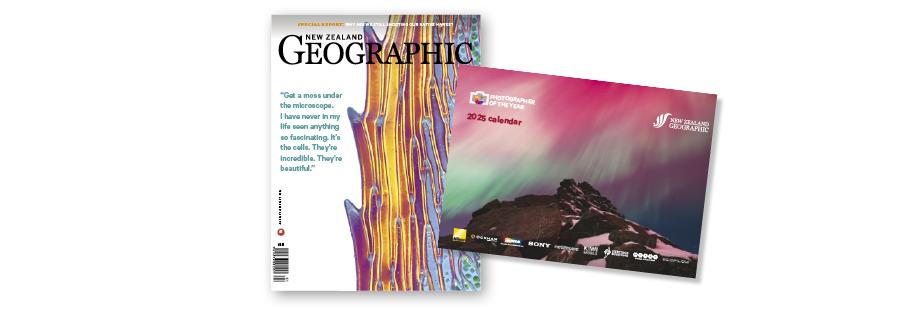
A GIFT FOR THE WHOLE FAMILY New Zealand Geographic makes a terrific Christmas gift, if we do say so ourselves :) There are subscription options at every price point and the print magazine arrives six times a year for your lucky recipient, with your name as the donor printed right on the carrier sheet to remind them what a generous and tasteful individual you are. Not only that, your subscription powers our journalism—making everyone smarter, more responsible, perhaps even more grateful to live in this wonderful place. Check out the options. |
||
|
|
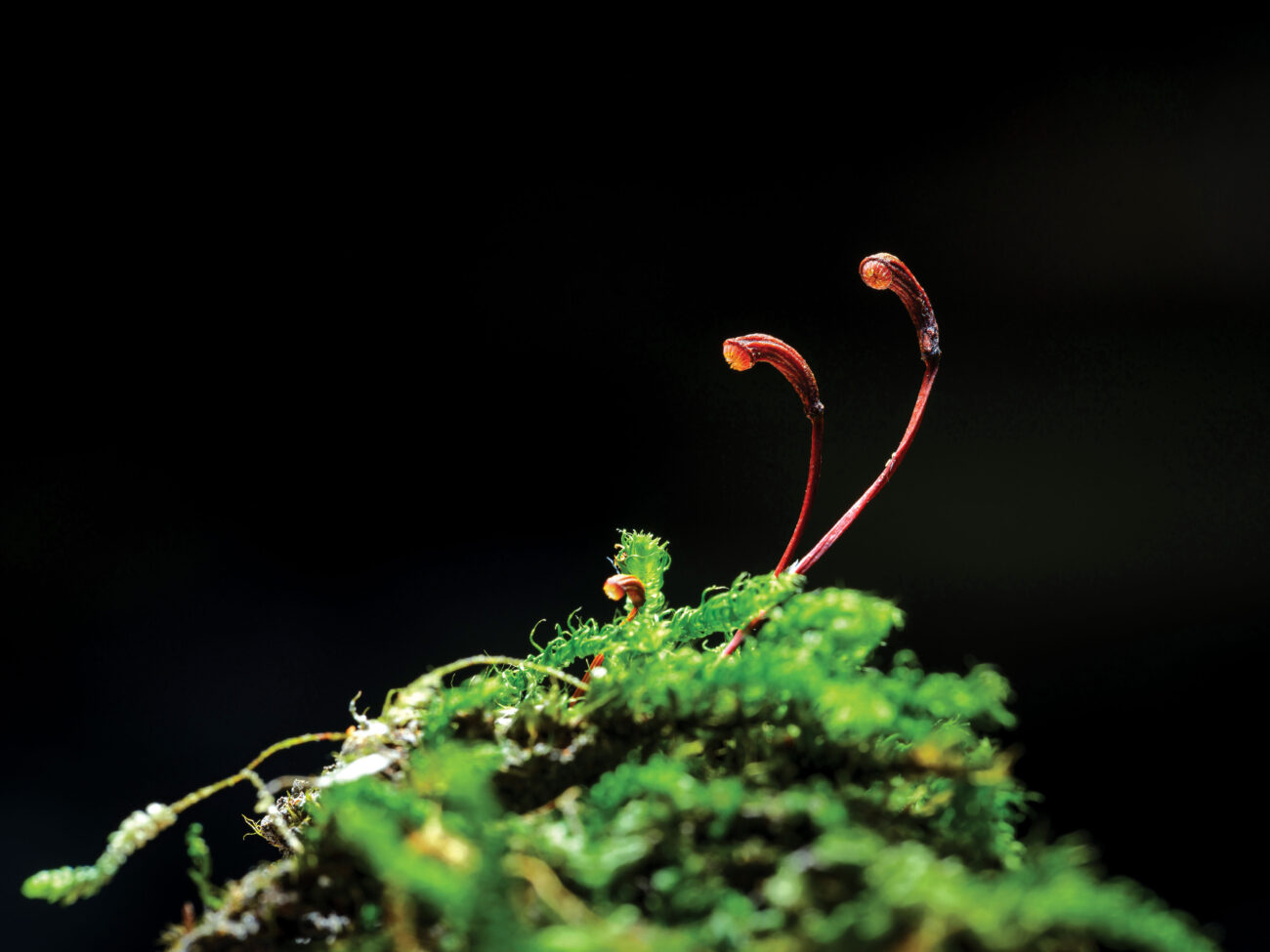
Living world The possibility of mossesAimee Pritchard was 17 when she saw the light. Working on a botany project about cell structure, she slid a sprig of moss under a microscope and was greeted by a gaudy mosaic of shapes, strange and non-uniform, like sea glass arranged in bubbles. “Nobody knows about this,” she thought, elated. “I’m the only one who knows.” Sixteen years on, we pick our way down a steep track on the outskirts of Whangārei’s Pukenui Forest, a lone pīwakawaka in tow. Above us rustle kahikatea, tōtara. As the track flattens out we pass through a grove of nīkau. “Everyone’s like, ‘Oh, look at the forest!’,” Pritchard says. “And you’re like, ‘Yeah, but look at this.’” She gestures at a leg-sized log on the edge of the track, quilted with greens. Now a research assistant at the University of Otago, she has a young son and another child on the way. She often walks at toddler speed, eyes down, stopping now and then to peer at a furry root or trunk. She gets dizzy sometimes, so focused on the small and low. “I look up and I’m like, ‘Whoa’.” Three years working to identify samples for the Department of Conservation—staring down a microscope at moss after moss—failed to kill the buzz. So did two years of field work at a bog in the Catlins. It must have been muddy, and cold, and hissing with mozzies, but Pritchard talks only about the mosses: they hung from the trees and built cushions on the ground, she says, and the whole gang was there—all the big moss families, except those that prefer clean rock. Most astonishing of all was the Sphagnum. The top layer of this moss is green and tender, a dense constellation of star-shaped growing tips. But part the stars and you’ll see the stems underneath are dead and brown. Further down still are the base layers, inexorably compressing into black mats of peat and, eventually, coal. Probing this mat, Pritchard found that in patches it was 18 metres thick. “Really deep,” she says. “Insane.” |
MORE STORIES ABOUT AMAZING PLANTS: |
|

|
|
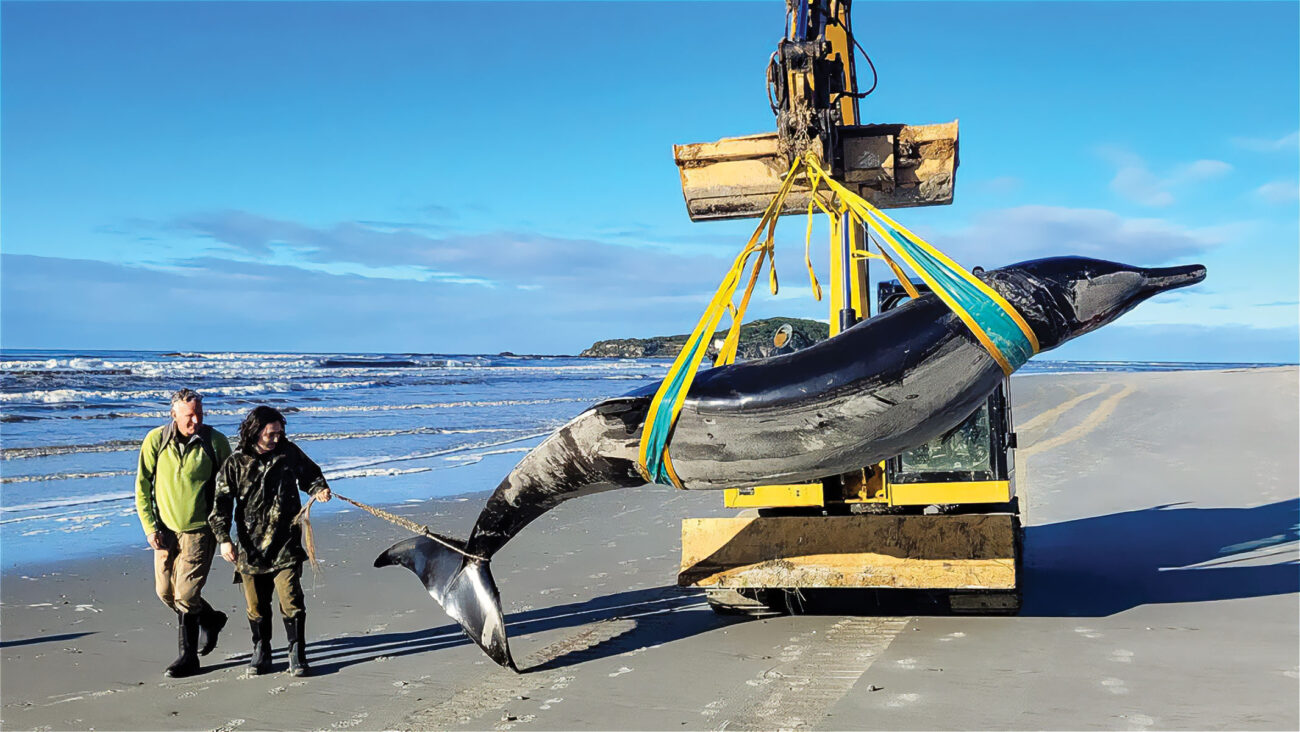
NEWS The world’s rarest whale—never examined by scientists—just washed up on a beach in OtagoLast week scientists and kaitiaki set to work to necropsy the rarest whale ever discovered—a spade-toothed beaked whale that washed up at the mouth of the Taieri River, south of Dunedin. The five-metre-long male was found on the beach in July. Local Department of Conservation (DOC) staff and rūnanga members worked quickly, getting the 1.3-tonne animal into a freezer at a research institute near Mosgiel, so they could plan for the delicate, world-first dissection. The species was previously known only from skull fragments. A mother and calf washed up at Opape, in the Bay of Plenty, in 2010 but were initially misidentified and buried. By the time they were correctly identified via genetic testing, they and many of their secrets had long decomposed. |
|
|
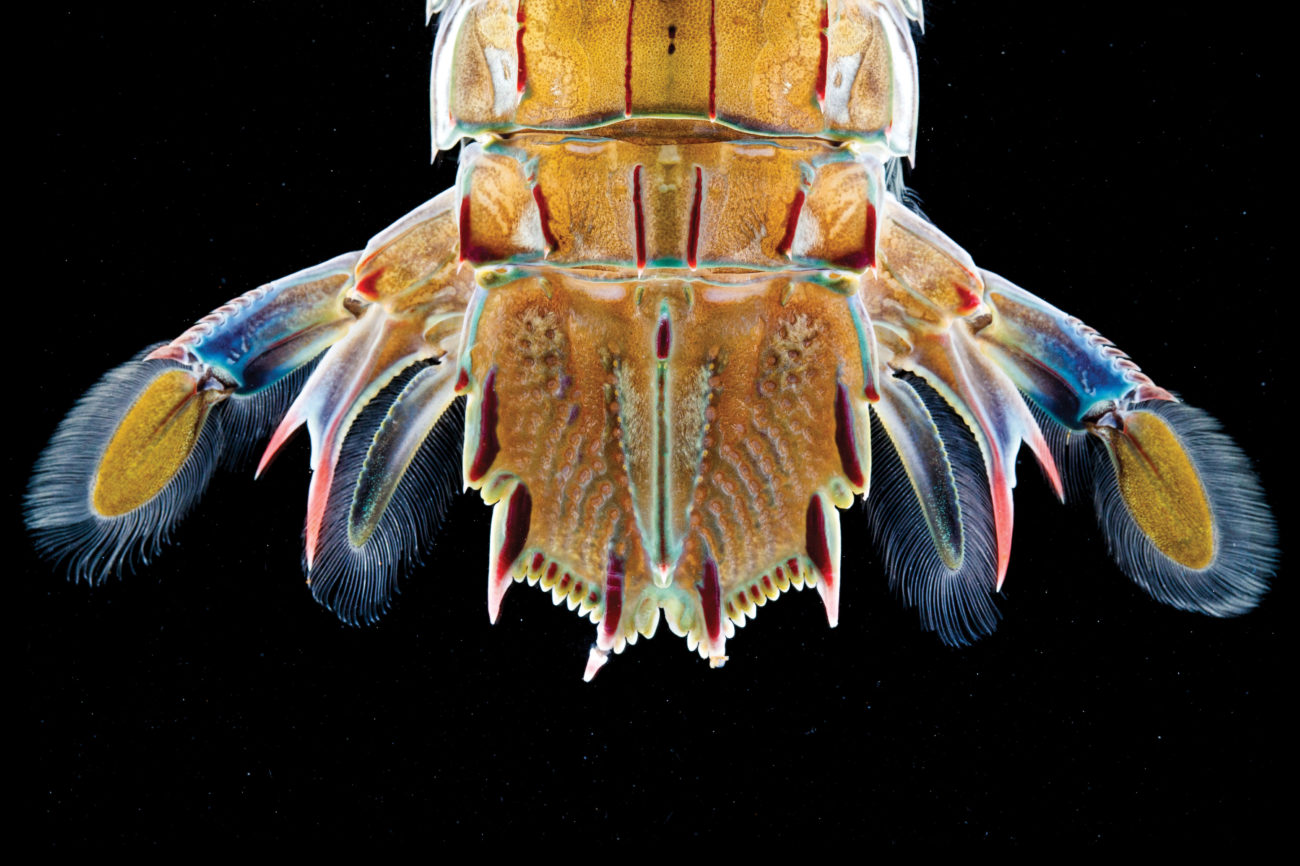
ENVIRONMENT The Japanese mantis shrimp has been detected for the first time in the Bay of PlentyA single Japanese mantis shrimp has been captured near Ōmokoroa in Tauranga Harbour. It was hauled up in a trap, laid as part of the council's Asian paddle crab trapping programme, currently being undertaken by Manaaki Te Awanui. The species were first reported in New Zealand in Kaipara Harbour, Northland, in late 2009, perhaps brought here as larvae in the bilge water of ships. Their presence could be a problem, feeding on shellfish that are part of fragile benthic communities in our harbours or displacing the 19 know species of native mantis shrimps. They're remarkable critters, able to land a 150-kilogram blow to smash their prey. You can read more in our recent feature story... |
|
|
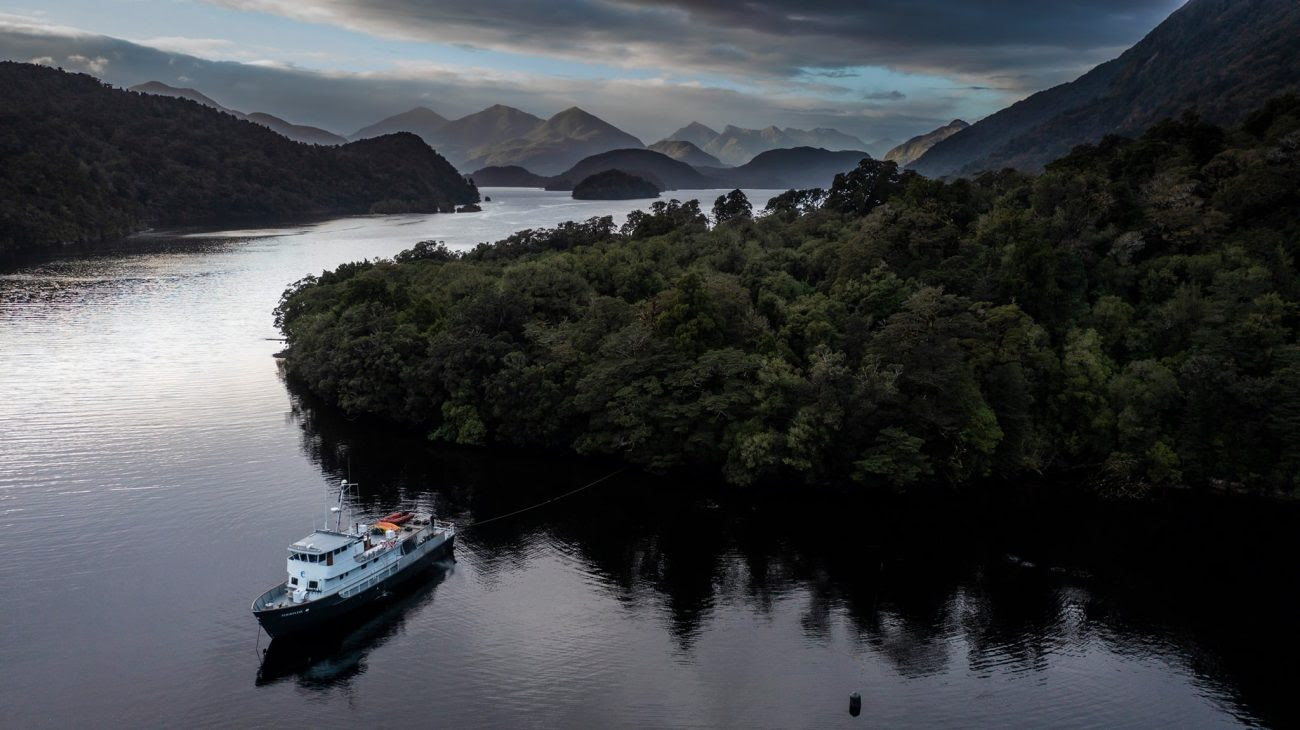
GIVEAWAY Be part of the storyPure Salt has been a long-time supporter of New Zealand Geographic—and a long-time protector of Fiordland—and they're offering subscribers a unique opportunity to join a research trip taking place next year. NZGeo writers and photographers will be aboard, searching for the elusive hāpuka, which were once abundant enough for midwater trawling in the fiords and regularly seen by scuba divers. Now, numbers are growing and they are returning to shallow waters, so the team will be exploring two of the 14 marine reserves in Fiordland as part of an editorial assignment. Paid berths are available for this excursion on 2nd - 6th of June 2025. As well as seeing the story up close, there will be plenty of time for all the regular activities. But anyone who has a subscription to NZGeo and fills in the entry form on the Pure Salt website will be in the draw to win a free berth worth almost $5000. |
|

|
PARTNER CONTENT A year of balletThe Royal New Zealand Ballet 2025 season brings you to lands near, far and fantastical, and celebrates Aotearoa New Zealand and beyond. From the cosmic wonder and hope of The Firebird to the gentle sparkle of The Nutcracker, this is a new season for everyone to share. Subscribe to a year of beautiful ballet; purchase your ticket packages now to save 20% on full price tickets and get the best seats in the house for the 2025 season! |