|
| |
A reprieve for the deep—for now
Intense negotiations to hammer out international rules for deep-sea mining wound up in Jamaica last week—and to the surprise and delight of environmentalists, the upshot is essentially an agreement to hit pause.
On top of that, reports the Guardian, a crucial topic that was kept off the table this time will be on the agenda at next year's meeting. The topic? The need to protect the marine environment.
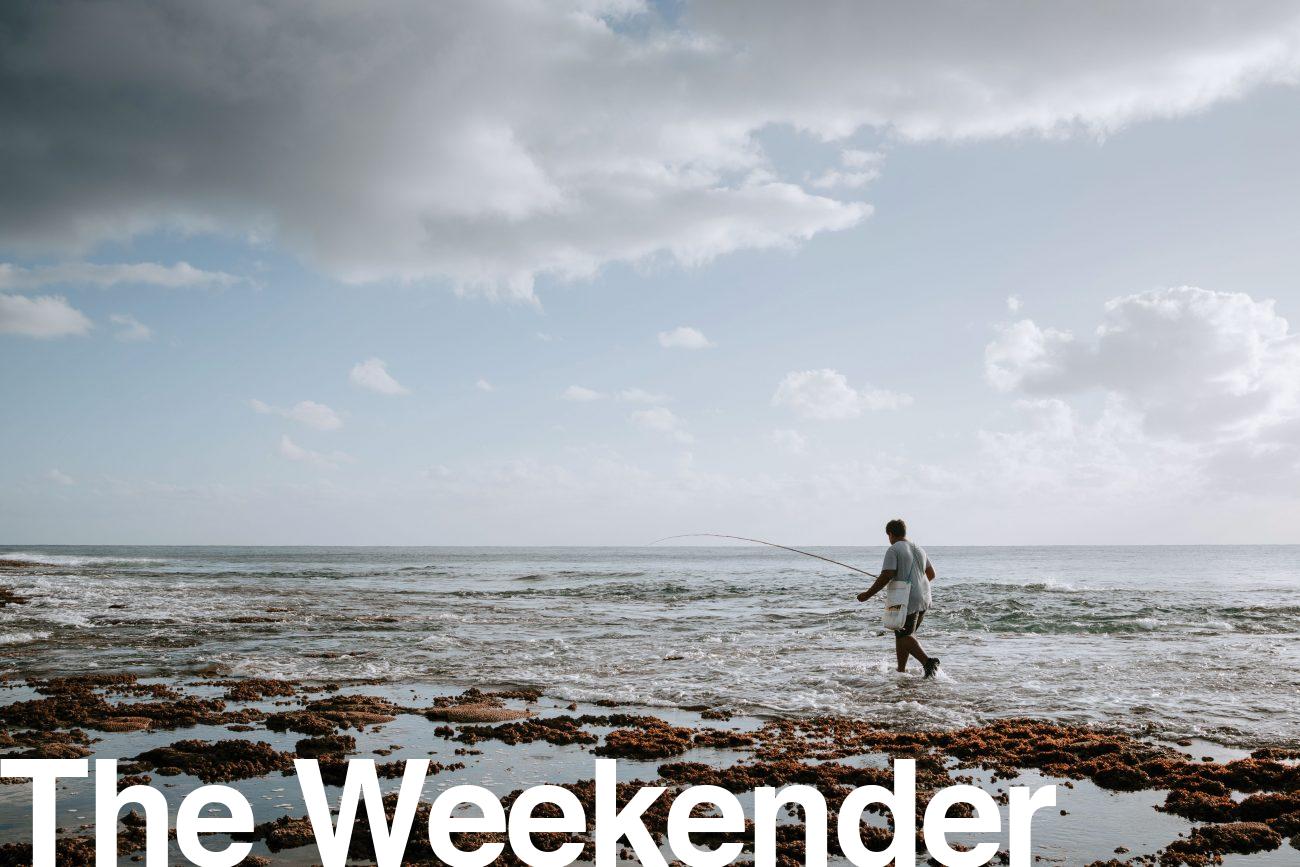
Meanwhile, in the Cook Islands, Hakai magazine reports that three mining companies are quietly getting on with scoping out the seas. In Issue 174, Rachel Reeves documents the pressures in play: the fragile economy of the Cooks, what mining might mean for the ocean and the people who depend on it—as well as the big climate picture—and the rocks at the centre of it all. “See this?” Paul Lynch, an affable middle-aged lawyer, asks the schoolkids gathered around him. He holds up a baseball-sized rock—a polymetallic nodule, so called because it contains multiple metals, among them cobalt, copper, manganese, nickel, and rare earth elements. “This is our oil,” Lynch says. His eyebrows are raised, excited. “This is gonna make us rich. Like how oil made Saudi Arabia rich.” Keep reading...
|
|
|
| |
"I will break barriers."
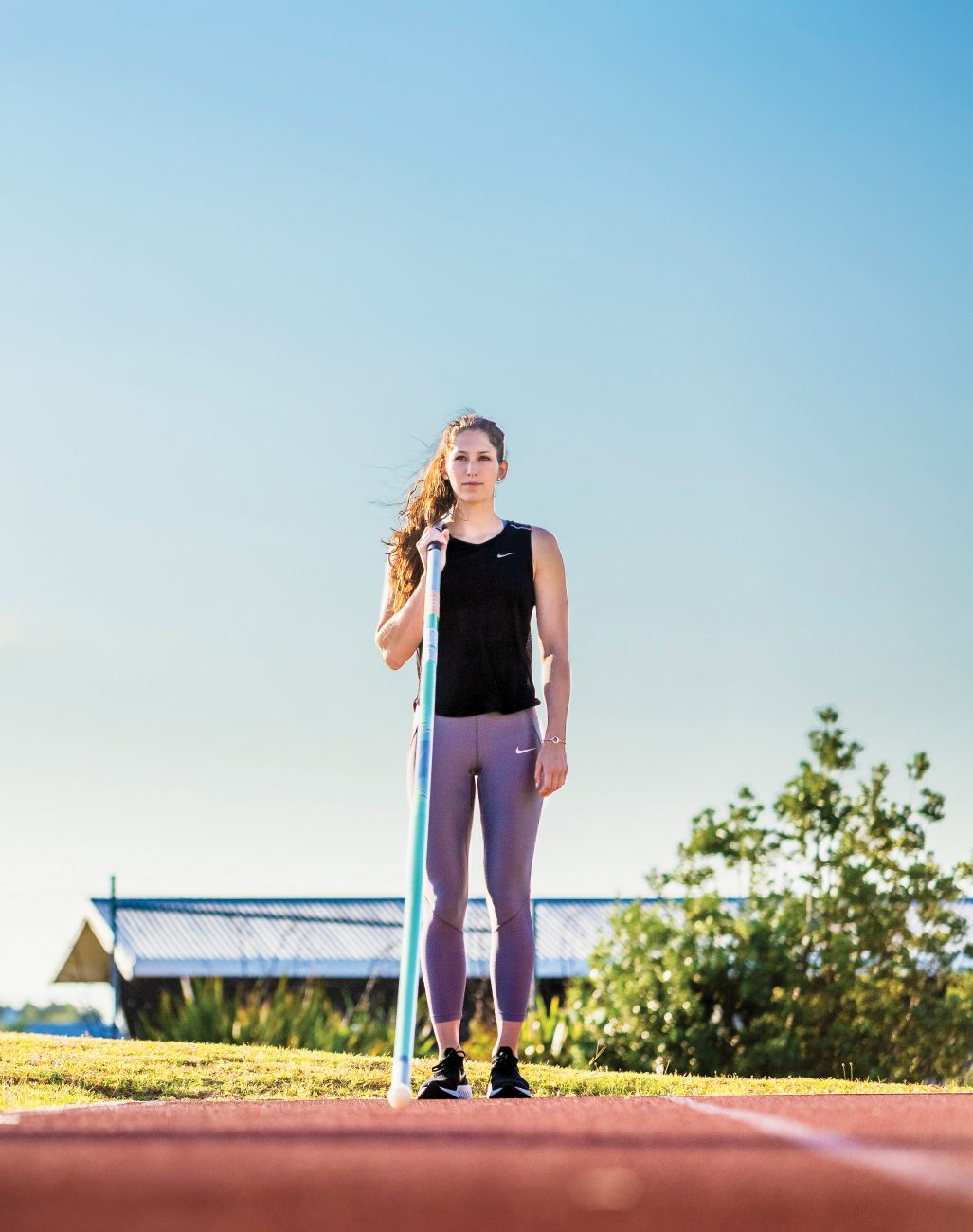
After years of injuries and not vaulting quite as high as she used to, Eliza McCartney this week cleared 4.85 metres—her best jump since 2019.
What makes a sweet jump? The length of the run-up, McCartney tells us. The length of the pole. The human body and how fast it can run. The way you plant the pole in the box. Now this you want to do as smoothly as you can. No jolts, no jarring. Two steps out and you’ll know whether you’ve nailed it. And plant. Here comes the air. It’s the bit McCartney’s best at: takeoff. And it is like a plane on a runway—you must avoid the temptation to jump and instead, kiss goodbye to the ground with a quick, flat stamp and a straight leg. You want to be rigid. You want to be the pole.
Keep reading...
|
|
|
| |
Picture perfect
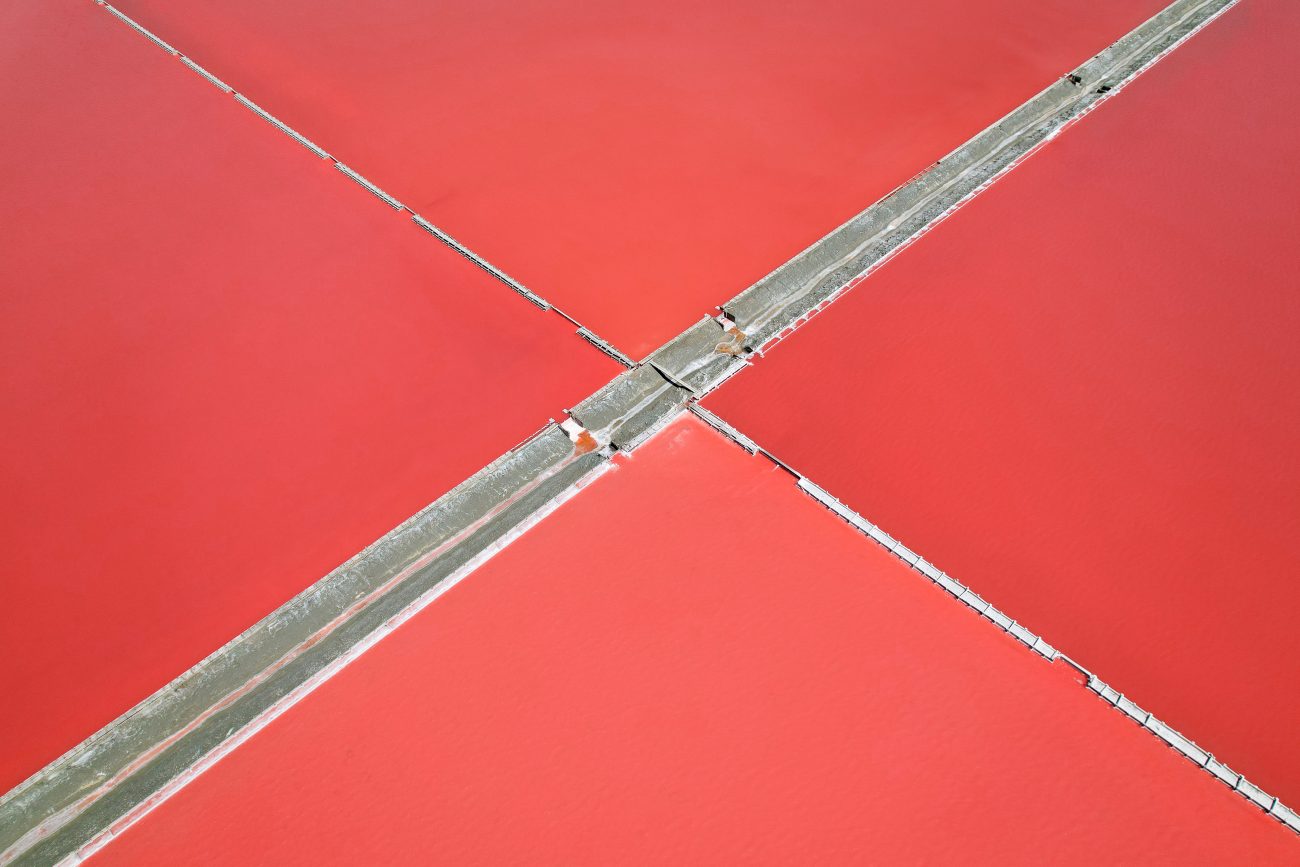
The New Zealand Geographic Photographer of the Year judges have been scrutinising pixels this week and they certainly had their work cut out for them: there were some 8000 entries, a huge increase on last year's total and a record for the competition.
With Metlifecare's Senior Photographer of the Year, Electric Kiwi's Mobile award, RealNZ's Environmental Impact award and the Sony Portrait category added to the existing categories and awards in 2023, there were more chances than ever for photographers to show us their skills and share the moments that make our society and environment unique.
Finalists will be announced in early September and the public will vote for their favourite images to decide the Ockham Residential People’s Choice award. The finalists will be exhibited in Britomart, Auckland, from September, and winners will be announced at an awards night in Auckland on October 27. Stay tuned ...
|
|
|
| |
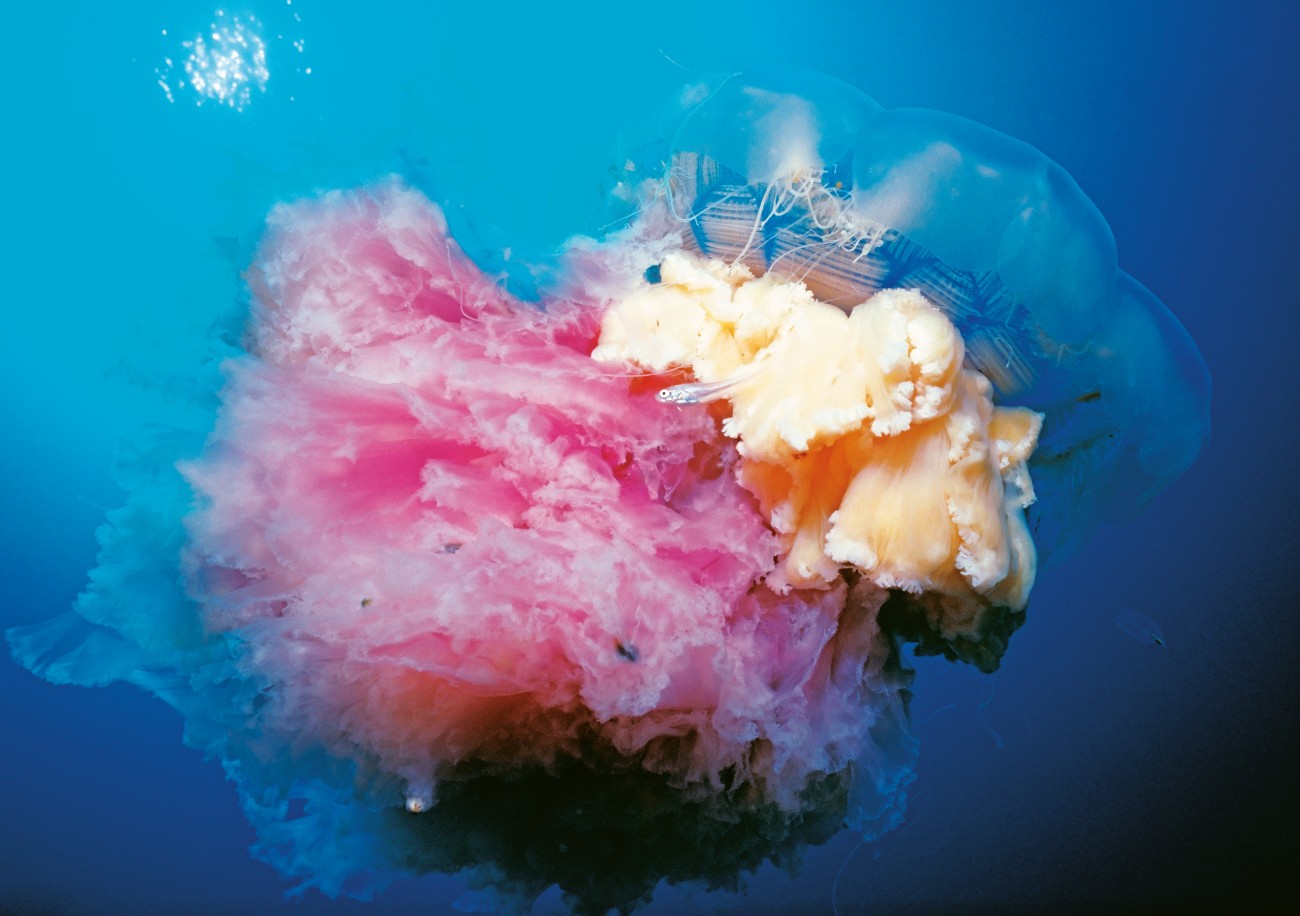
That's a jolly old jelly
Scientists have found 182 fossilised jellyfish high in the Canadian Rockies—a new species, and at some 550 million years old, they're the oldest swimming jellyfish we know about.
As Margo White writes in Issue 102, jellyfish are on the ascendant once again. In recent years, there have been reports from all over the world of uncommonly large blooms of jellyfish driving people out of the water, suffocating commercial fish farms and clogging up fishing nets and the intakes of ships and power plants. In 1998, an invasion of moon jellyfish resulted in the deaths of thousands of salmon farmed in the waters of Rakiura / Stewart Island. The deaths were probably the result of jellyfish mucus coating the gills of the fish and suffocating them, and their nematocysts irritating the fish’s skin and causing them to hyperventilate. “They basically slimed the salmon to death,” says jellyfish expert Dr Lisa Gershwin. “They lost 56,000 salmon in 30 minutes. It was horrific.” Keep reading...
|
|
|
| |
Subscribe and support local journalism
While advertising and retail income goes up and down, it is subscriptions from readers like you that power long-term journalism projects from around New Zealand and help us keep the lights on.
It's not as much as you think—$8.50 every two months for digital, $12 for print or $16.50 for both... a gold coin a week. Check out the options.
|
|
|
|