|
| |
Inside our seabirds' incredible journeys
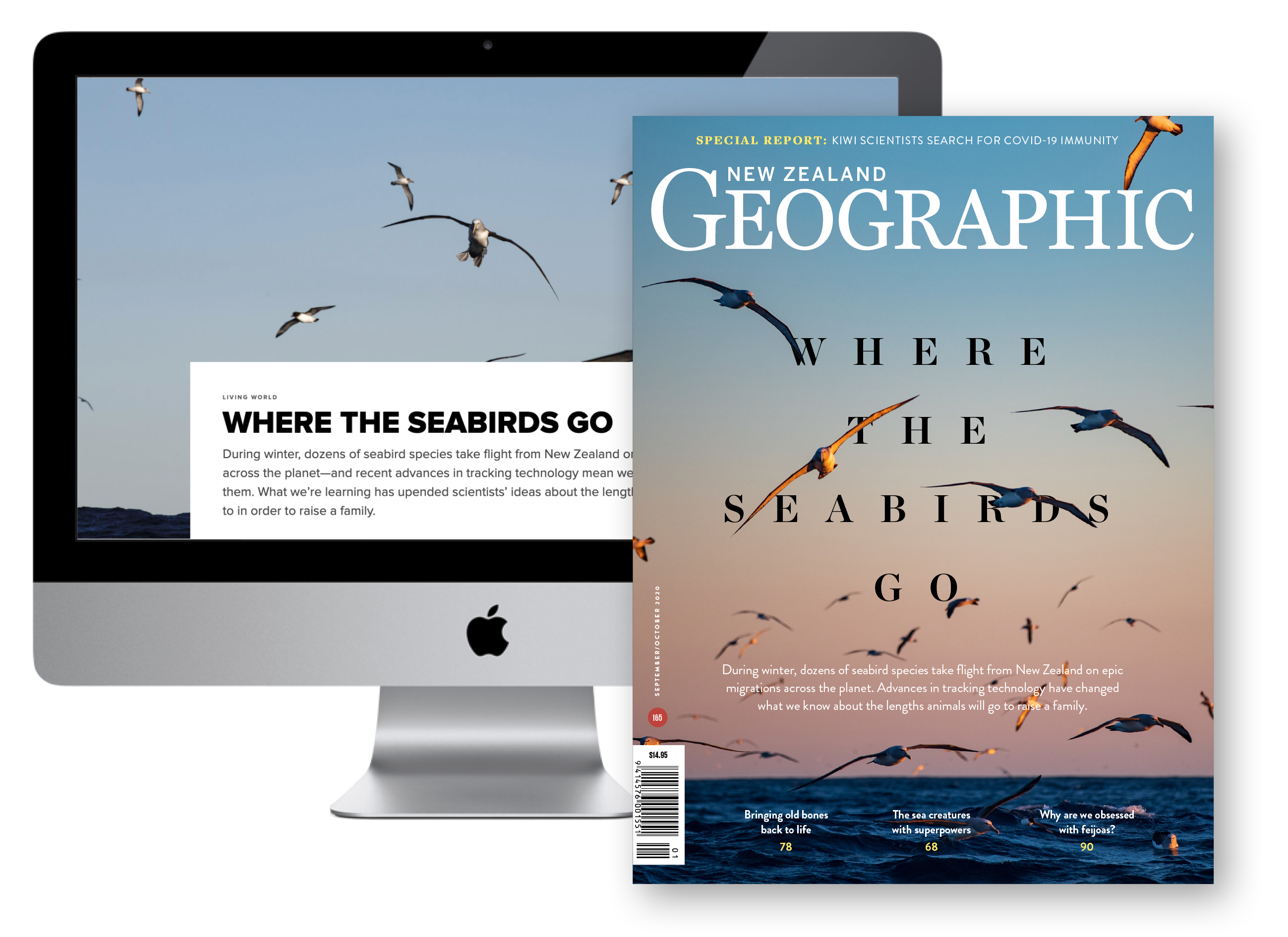
A hundred kilometres north of Auckland, perched on the edge of the continental shelf, is a small collection of rugged volcanic islands: the Mokohinau group. They are home to common diving petrels, or kuaka. These burrowing seabirds with short wings and blue feet aren’t much larger than tūī, and forage nearby in the Hauraki Gulf.
In 2010, a group of seabird scientists attached trackers to 12 birds to follow their migrations for the first time. In the hut the scientists were staying in was a blackboard, and on it they drew a map of New Zealand, then guessed where the birds were going. The theory was that the birds finished breeding and then disappeared out to deeper water to moult, then returned. The scientists were expecting them to stay around northern New Zealand. Once the first lot of data was downloaded, the team had to quickly redraw the map. The birds were travelling to the Antarctic polar front, and two-thirds of the way to Chile. Keep reading...
|
|
|
| |
How Meng Foon plans to tackle racism
Meng Foon didn’t properly register that he was Chinese until he was eight years old. When children at his tiny Mākaraka primary school, west of Gisborne, started chanting, “Ching chong Chinaman”, Foon joined in, not realising it was directed at him and his brother. “That’s when Dad gave us a bit of whakapapa regarding who we are, why we’re here and what we came here for.”
Perhaps the other children thought it was just a harmless rhyme. But, a year into his new role as New Zealand’s Race Relations Commissioner, one of Foon’s primary messages has been that racism isn’t a joking matter. Keep reading...
|
|
|
| |
Have your say.
Are you reading more or less media during the COVID-19 era? Are you preferring to read more trusted sources of news? More local news? The Magazine Publishers Association (of which NZGeo is a member) is running a short survey into media behaviour. The survey should take less than five minutes. It's anonymous, but respondents can go in the draw to win a Countdown voucher—there's $250-worth to give away. Let us know what has changed for you...
|
|
|
|
|
|
| |
What it's like to be Muslim in Aotearoa
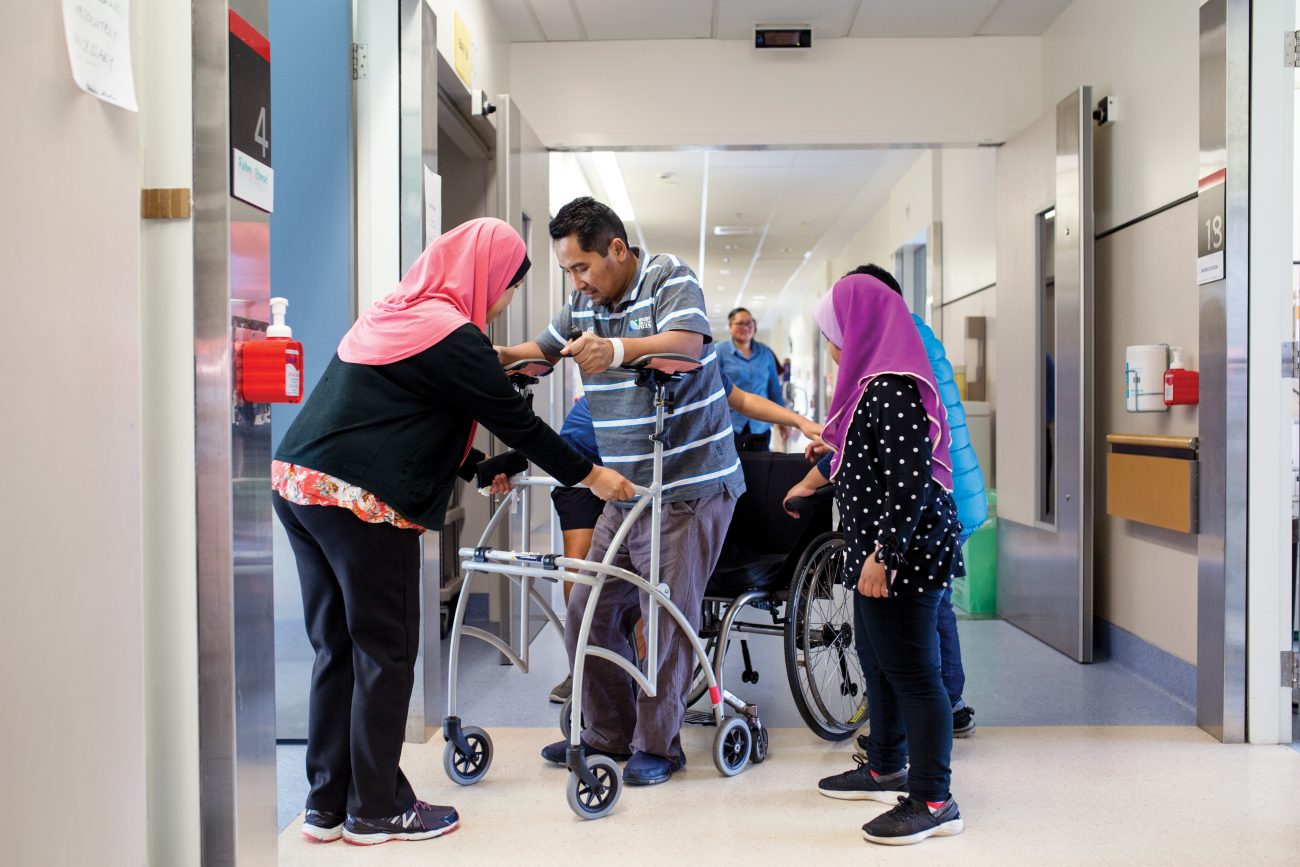
Nor Azila Abd Wahid (above left) and Rahimi Ahmad (centre) moved to Christchurch from Malaysia with their two children so that Nor could complete her PhD in electrical engineering. Nor successfully defended her PhD on March 14, 2019, and the following day, Rahimi was shot in the stomach and spine during the terrorist attack at Al Noor mosque. Their 11-year-old son Ahmad escaped the mosque.
This week, the terrorist was sentenced to life in jail without parole, the first time such a sentence has been handed down in this country.
Meanwhile, for New Zealand's Muslim community, life goes on in a country that hasn't always been welcoming of their faith. Last year, New Zealand Geographic journalists Kate Evans and Anke Richter and photographer Lottie Hedley spoke to members of the community about their lives and what religion means to them. Keep reading...
|
|
|
| |
Subscribe and support local journalism
While advertising and retail income goes up and down, it is subscriptions from readers like you that power long-term journalism projects from around New Zealand and help us keep the lights on.
It's not as much as you think—$8.50 every two months for digital, $12 for print or $16.50 for both... a gold coin a week. Check out the options.
|
|
|
|