|
| |
Firefighters sound the alarm
Today, professional firefighters walked out on strike for just the second time in New Zealand as part of a long-running dispute over outdated equipment, bad pay and working conditions, and unsafe staffing levels.
Firefighters say they're suffering from over-work due to staff shortages. Sometimes, there aren't enough staff to operate trucks. Sometimes, the trucks break down en route to emergencies. Reports show that firefighting equipment is overdue for replacement.
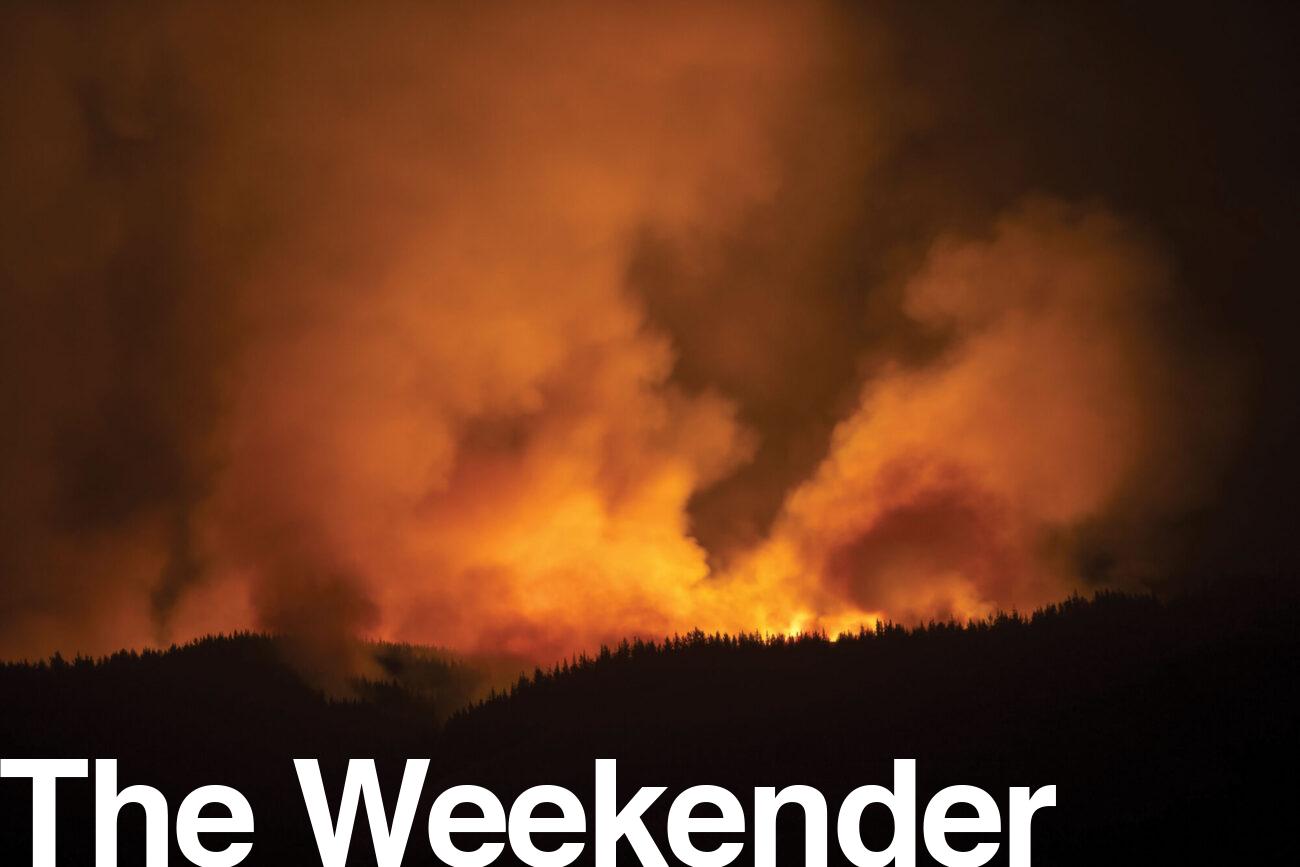
At the same time, fire seasons are becoming longer and more intense. Three of our most significant wildfires took place in recent years: 2017 (the Port Hills), 2019 (Pigeon Valley) and 2020 (Lake Ōhau).
Extinguishing the Port Hills fire alone took 66 days, 14 helicopters, three fixed-wing planes, and hundreds of firefighters and members of the Defence Force. It burned 1660 hectares, forced the evacuation of 1400 people from 450 households, destroyed nine house and damaged five—the biggest loss of people’s homes to fire in 100 years. A helicopter pilot was killed fighting the blaze.
What is New Zealand’s risk from fire, and how can we better protect ourselves? Keep reading...
|
|
|
| |
Volunteer firefighters to the rescue
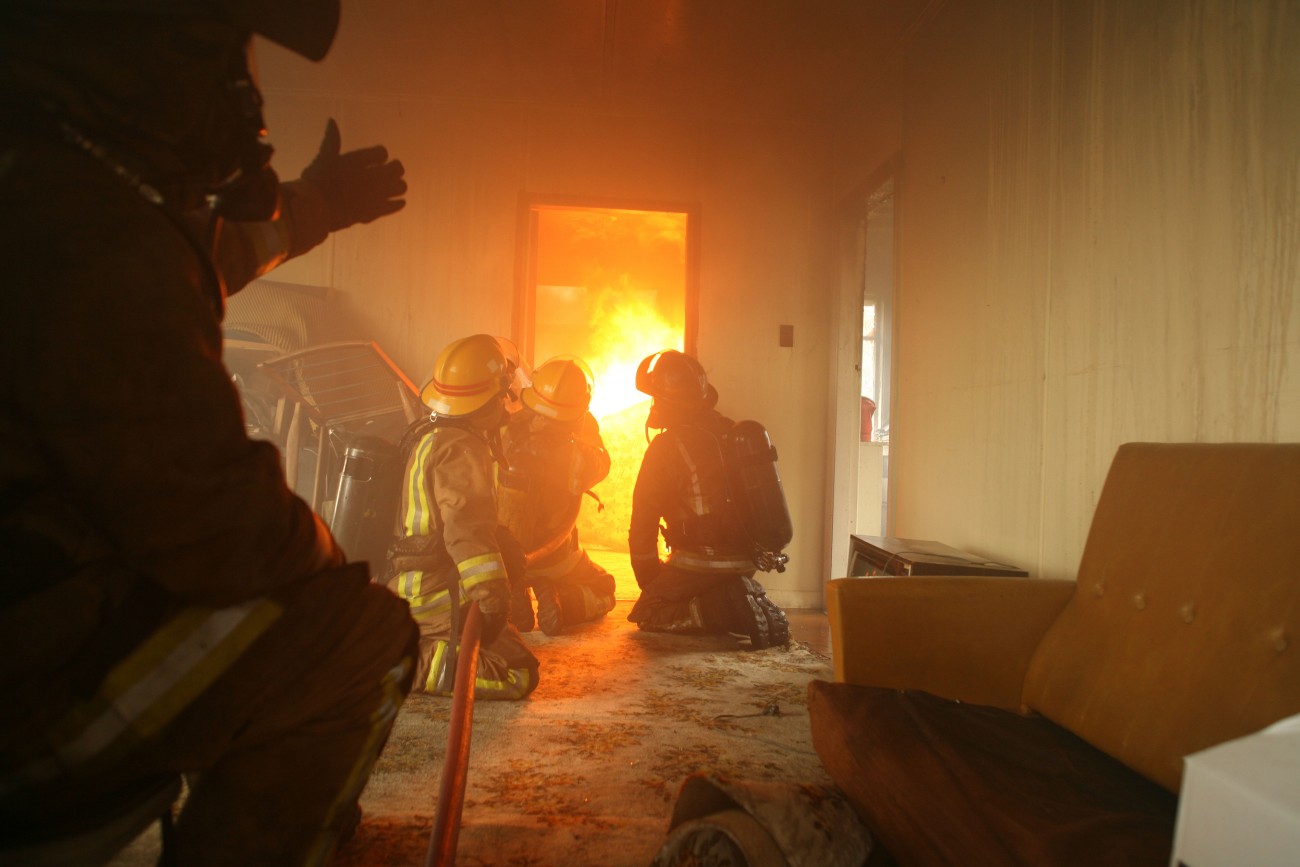
During the two firefighters' strikes, volunteer firefighters kept an eye on urban areas that were usually covered by professional crews.
Like the pros, volunteer firefighters are medical first responders as well as the front line of defence in towns and communities around the country.
Among them are builders, butchers, seamstresses, publicans, IT whizzes, truck drivers, baggage handlers, and the unemployed. Yet their jobs and families and everything else become secondary the moment their pagers go off, when the station siren howls its summons. Then they down tools, drop whatever they have been doing and race to the rescue of complete strangers. Keep reading...
|
|
|
| |
Subscribe and support local journalism
While advertising and retail income goes up and down, it is subscriptions from readers like you that power long-term journalism projects from around New Zealand and help us keep the lights on.
It's not as much as you think—$8.50 every two months for digital, $12 for print or $16.50 for both... a gold coin a week. Check out the options.
|
|
|
|
| |
A healthy balance
Many KiwiSaver members now expect their money to be invested responsibly. MAS has the credentials to ensure that’s the case, and its unique model means it can take responsibility a step further through the efforts of its charitable foundation (partner content). Keep reading...
|
|
|
| |
Light it up with Ledlenser
Whether you need to light up the hut on a Great Walk, or light up the trail on a night-time mission, Ledlenser has you covered. Since the company started in Germany in 1993, it has developed a reputation for producing some of the world’s best LED headlamps and torches and New Zealand Geographic has two of those fine headlamps to give away. Just email partnerships@nzgeographic.co.nz with the subject line ‘Ledlenser giveaway’ and we’ll put you in the draw to win either the H7R Signature, worth $350, or the H5R, worth $200. Entries close at 11.59pm on September 4th. Find out more...
|
|
|
|
| |
After the wildfire, what grows back?
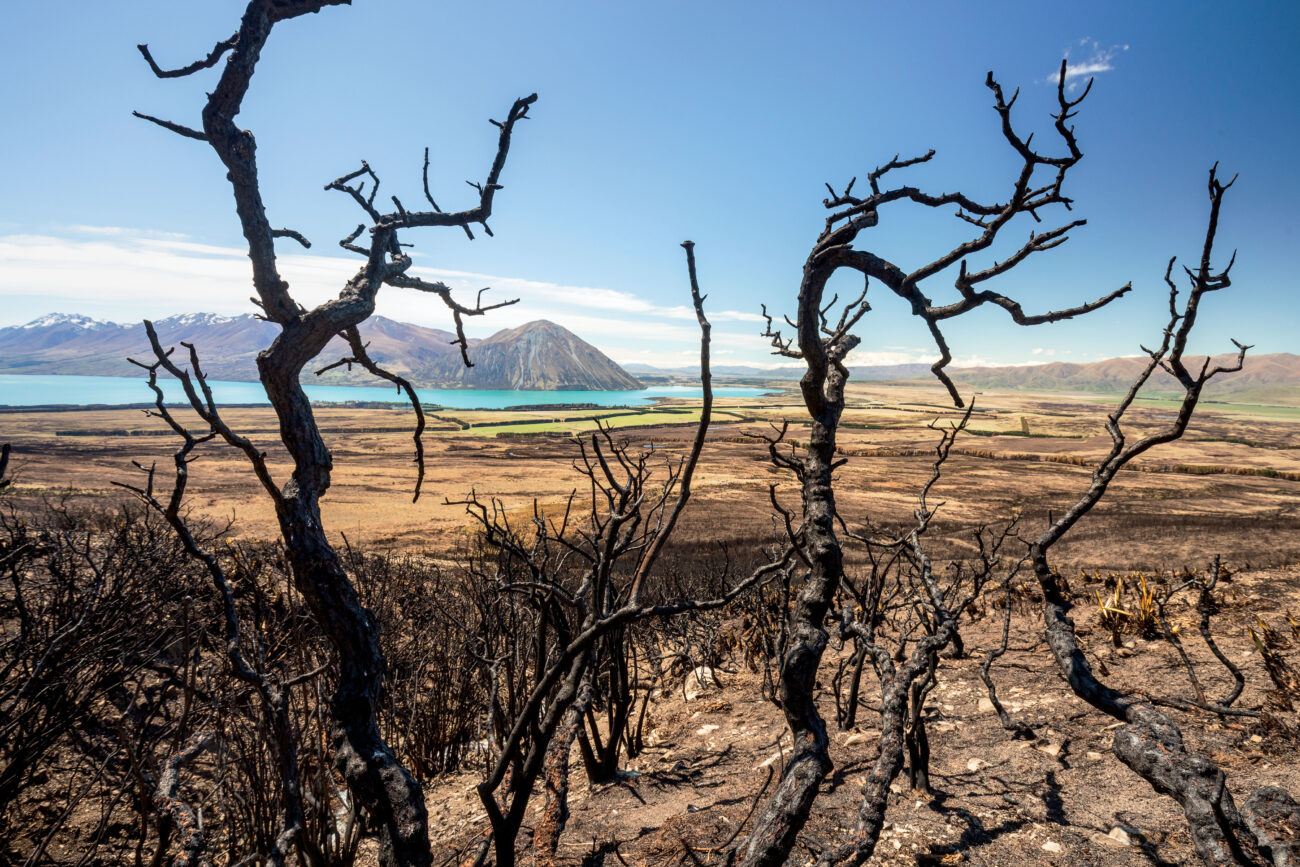
Not our native species, it turns out. Introduced plants are more accustomed to fire than native plants and grow back more readily, meaning that wildfires could fundamentally change ecosystems around New Zealand.
“Weeds like gorse, and pines, and hakea,” says Tim Curran, a plant ecologist at Lincoln University, “have all come from fire-prone landscapes overseas. They’re much better adapted for fire, and often, they’re more flammable than native plants. So after a fire, you get these weeds invading the landscape, and that increases the likelihood of more frequent, more intense future fires.” Keep reading...
|
|
|