|
| |
Your summer forecast: very hot, and very wet. Again.
We're in for a third go-round of the La Niña weather cycle, meteorologists said last week—which means another summer of bumped-up heat and rain.
It also means we're set for a continuation of the marine heatwave that last year had December swims feeling like February's.
As RNZ reported last year, fish get thrown out of whack by the higher temperatures. Their metabolisms speed up, making them hungrier, and they tend to breed more. They also undergo a habitat reshuffle, shifting to the water temperature they're best suited to.
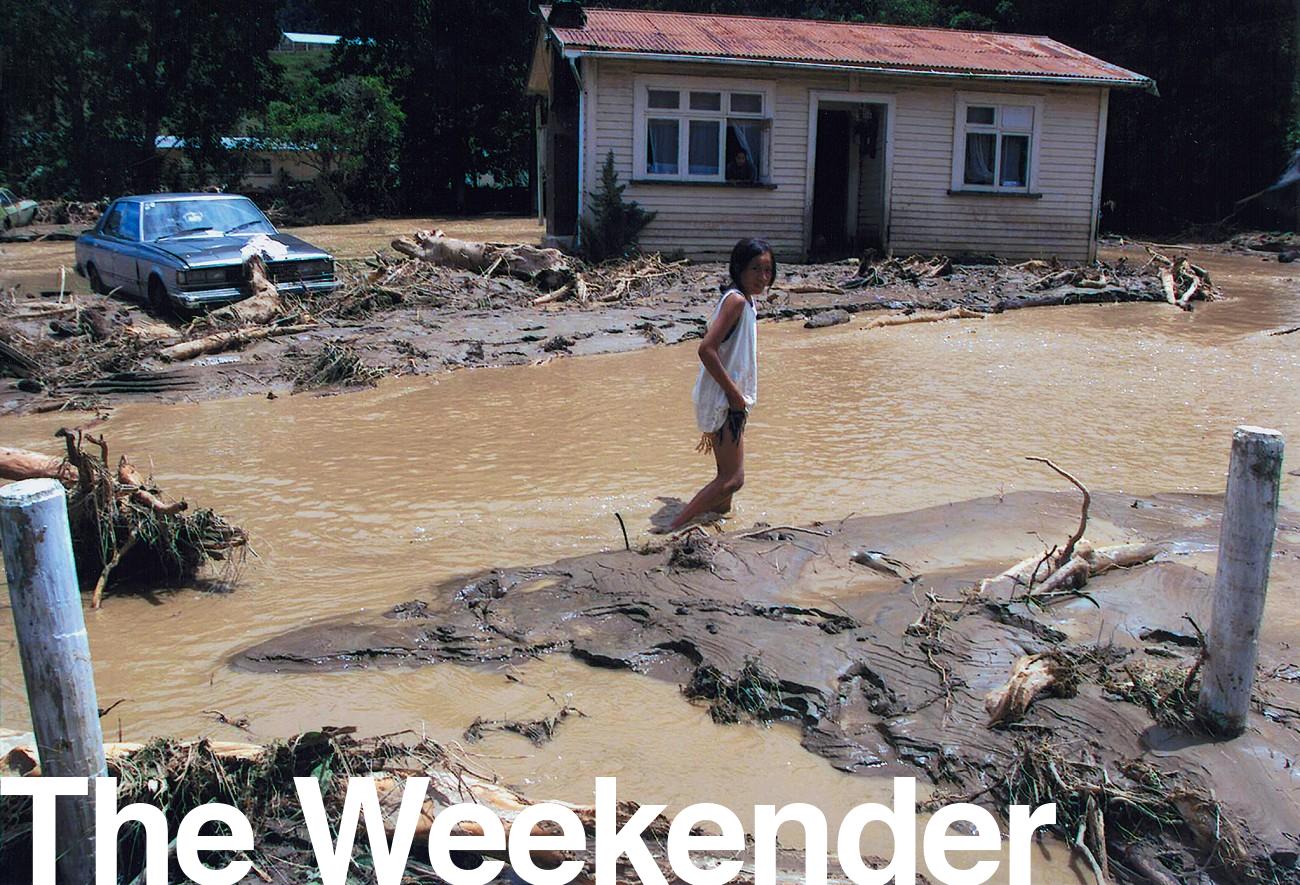
La Niña can have dramatic effects on land, too. In issue 042 we covered the Waikato droughts of 1999, as well as flash floods the weather pattern caused in the Hokianga. These floods, shown in the photograph above, were the worst in living memory: huge boulders bounced "like tennis balls", large trees were swept up and became battering rams, a river changed course and flowed through a school. In one home, 30 people sheltered in the upstairs floor of a two-storey house, as flood waters charged through beneath them.
Keep reading...
|
|
|
| |
Remember polio? It remembers us.
Polio is back. Last month the United States reported its first case in almost a decade. Now London is finding mutated versions of the virus, which could cause severe disease, in its sewage. The trajectory is a familiar one: it's likely that areas of very low vaccine coverage operated like petri dishes for the virus. It's also vaccines that authorities are turning to now—as the New York Times reports, a campaign is underway to get booster doses of the polio vaccine to all London children aged between one and nine.
In a story about vaccines, we remembered the polio epidemic that swept Aotearoa in 1948, killing 52 people and bringing the country to a standstill. The beaches, in particular, were deserted—the virus spreads through faeces (as well as saliva) and no-one dared swim near a sewage outlet. Still, the virus spread. Keep reading...
|
|
|
| |
Conservation in action
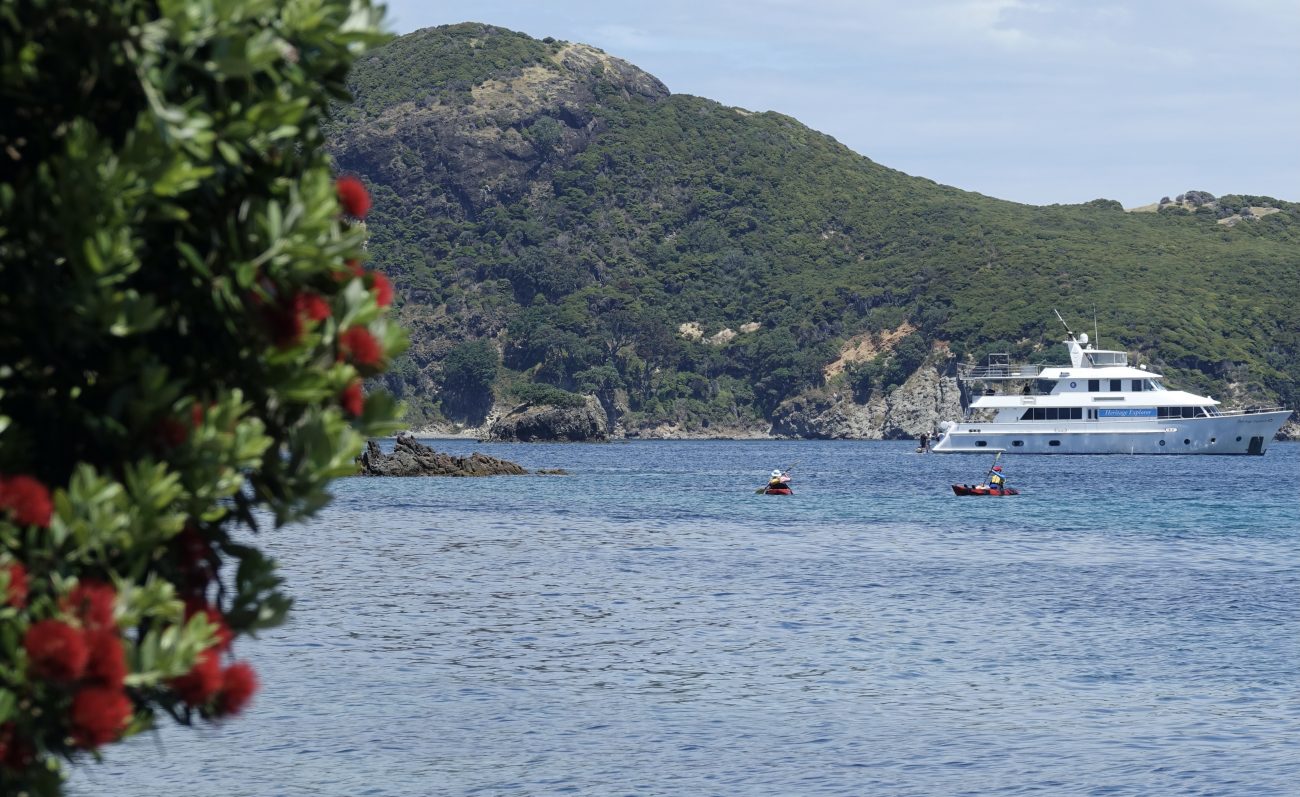
New Zealand Geographic and Heritage Expeditions have announced their next partner voyage: an eight-day expedition through the Hauraki Gulf and Bay of Islands with Island Conservation’s Richard Griffiths as the special guest.
You’ll hear about Griffiths’ conservation success stories on Te Hauturu-o-Toi / Little Barrier, Rangitoto and Motutapu Islands and learn about his inspiring work with the Stitchbird Recovery Group and the rediscovery of the thought-to-be extinct New Zealand Storm Petrel. You'll also take part in a photography masterclass on Tiritiri Matangi Island with a New Zealand Geographic Photographer of the Year winner.
Spots on this special partner voyage from February 12th–19th, 2023, will sell quickly, so reserve your place now.
|
|
|
|
| |
Subscribe and support local journalism
While advertising and retail income goes up and down, it is subscriptions from readers like you that power long-term journalism projects from around New Zealand and help us keep the lights on.
It's not as much as you think—$8.50 every two months for digital, $12 for print or $16.50 for both... a gold coin a week. Check out the options.
|
|
|
|
| |
So, how do you guys know each other? The secret history of our wattlebirds.
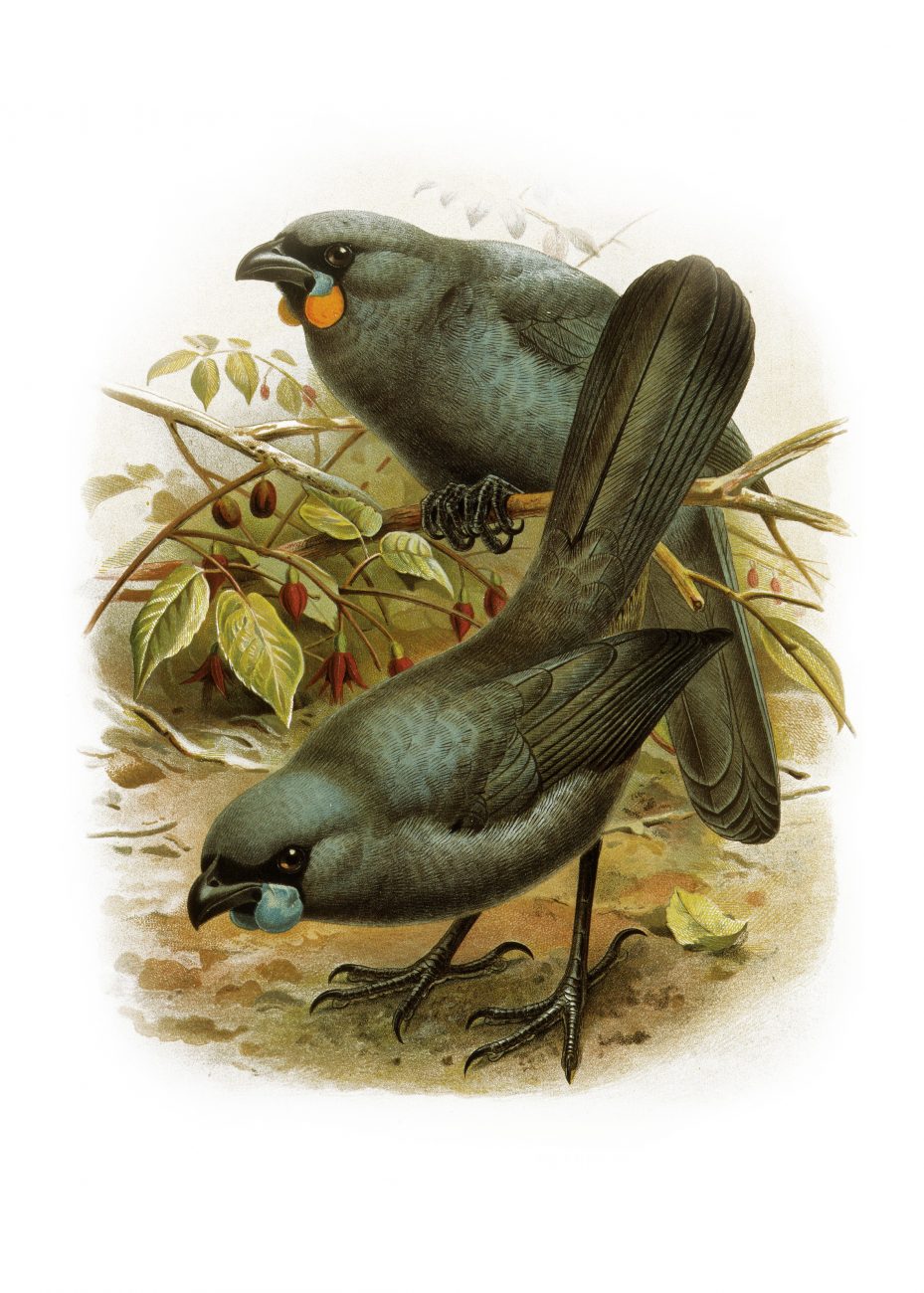
Scientists have untangled some of the previously-murky whakapapa of Aotearoa's wattlebirds: the kōkako, huia and tieke.
The Otago Daily Times reported this morning that researchers at the University of Otago used mitogenome analysis to figure out how the wattlebird family, whose tupuna arrived in Aotearoa about 20 million years ago, split into the branches we know today.
The answer? Sea. Several marine straits originally separated the North and South Islands, and the researchers believe these resulted in the northern forms of kōkako and tieke diverging from their relatives roughly three million years ago. "We do not yet know if the tupuna of kōkako and tieke were present on both main islands and became separated by marine straits, or if they occurred on one island and flew across the straits to the other," said lead researcher Pascale Lubbe. "Future fossil discoveries may hold the key to distinguishing between these competing hypotheses." As for the huia – Lubbe said the birds split away from tieke about eight million years back, but it's not clear why. In issue 140 Kate Evans wrote about another saddleback mystery: the search for the elusive South Island kōkako. Declared extinct in 2008, some committed birders swear the "grey ghost" is still out there, somewhere. For Rhys Buckingham, it began in 1977, 10 years after the last confirmed sighting. He was intrigued by “an ethereal tolling bell call” at Lake Monowai. Seven years later he was walking at dusk in heavy rain, on Te Punga o Te Waka a Maui, and heard a lone tūī. A short time later, it flew right over his head—and he realised it wasn’t a tūī. It was a large grey bird, with a long tail and a slow, laboured wingbeat: “the blessed thing was a kōkako!” Keep reading...
|
|
 |
|