|
| |
A toe on the start line
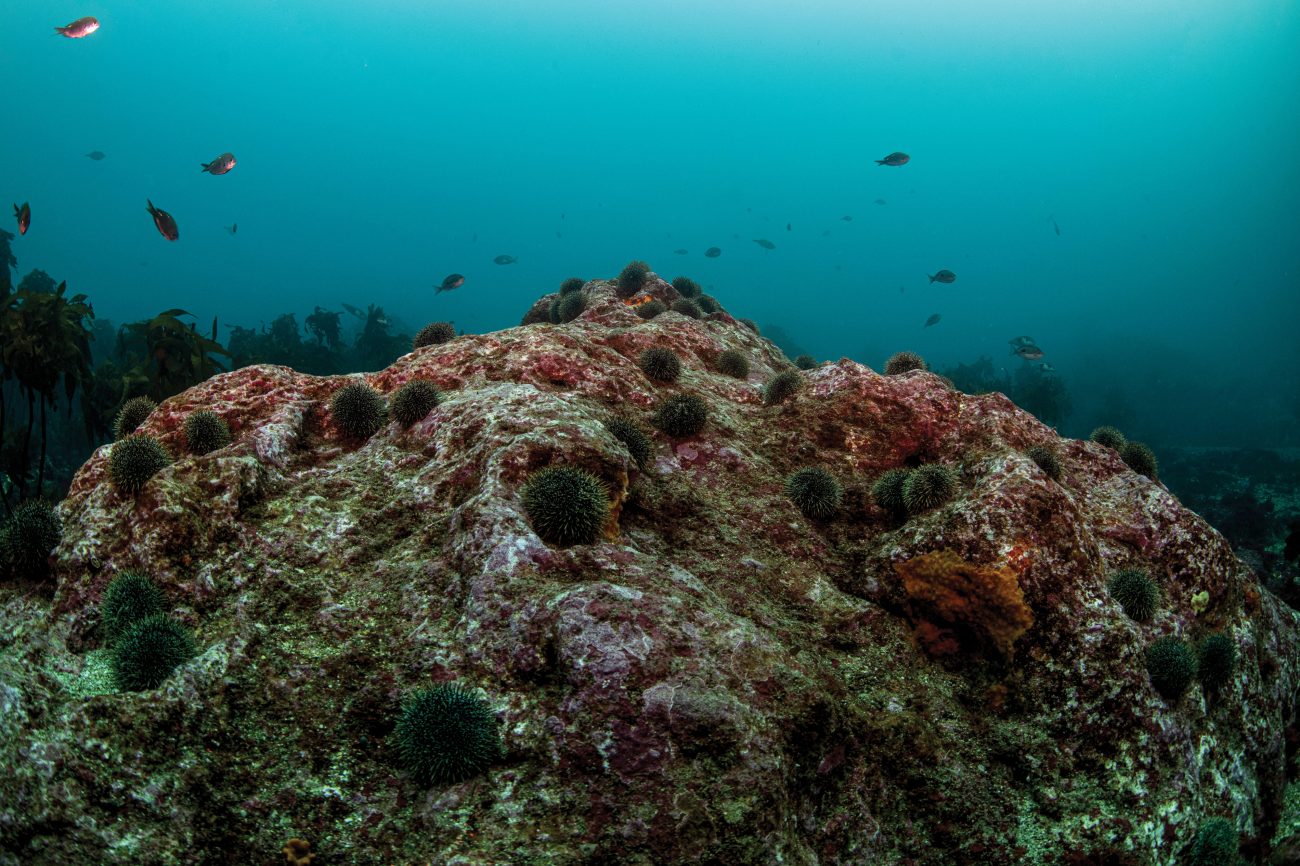
Tonight, iwi, scientists, conservationists, fishers and others gripped by existential dread gather to contemplate the latest tri-annual report on the State of the Hauraki Gulf. “Seabirds struggling to feed their young, the near loss of our last scallop beds, uncontrolled kina devouring our kelp, and the rise in milky-flesh snapper are just some of the stories that have emerged over the past three years since the last report in 2020, pointing to continued ecological collapse,” writes Hauraki Gulf Forum co-Chair Toby Adams. With that billing you might expect a fairly sober affair, but tonight took on a completely new complexion after government's announcement this week of new marine protected areas and a new fisheries management plan for the Gulf. What will this mean for Hauraki Gulf? Is it enough to halt the decline? What about bottom-trawling? Invasive Caulerpa? Gather round all who care about the state of our seas, and let’s figure out what just happened...
|
|
|
| |
Understanding the stakes
New Zealand Geographic has followed the plight of the Hauraki Gulf for 35 years, not only because it is one of our sentinel sites for marine biodiversity, but also because it reflects the challenges faced in every other corner of the country. Economy is falsely pitched against environment, the threats are multifarious, and often those with a stake in the status quo would rather retain that claim than improve outcomes for all. We have written about this 'tragedy of the Commons' in the context of the gulf, as well as the barriers to marine protection, the decline in work-ups, collapse of seabird populations, the threat of bottom-trawling, the structure of our fisheries, even a step-by-step plan on how to fix it. If it feels like we're banging away on the same old drum, it's because we are. The problems are the same everywhere, and so are the solutions.
|
|
|
| |
Subscribe and support local journalism
While advertising and retail income goes up and down, it is subscriptions from readers like you that power long-term journalism projects from around New Zealand and help us keep the lights on.
It's not as much as you think—$8.50 every two months for digital, $12 for print or $16.50 for both... a gold coin a week. Check out the options.
|
|
|
|
| |
How to fix the Hauraki Gulf
The ecosystem at the doorstep of our largest city, Auckland’s Hauraki Gulf, was once one of the most abundant on the planet. It was a Yellowstone National Park, a Great Barrier Reef, a marine park that should have been preserved in the same way we protect and preserve our national parks on land. Instead, we clear-felled it, like a kauri forest. Today, only four of the most commonly caught fish species in the gulf are doing okay.
The good news is that we know exactly how we can turn this around. Keep reading...
|
|
|
| |
To distant shores
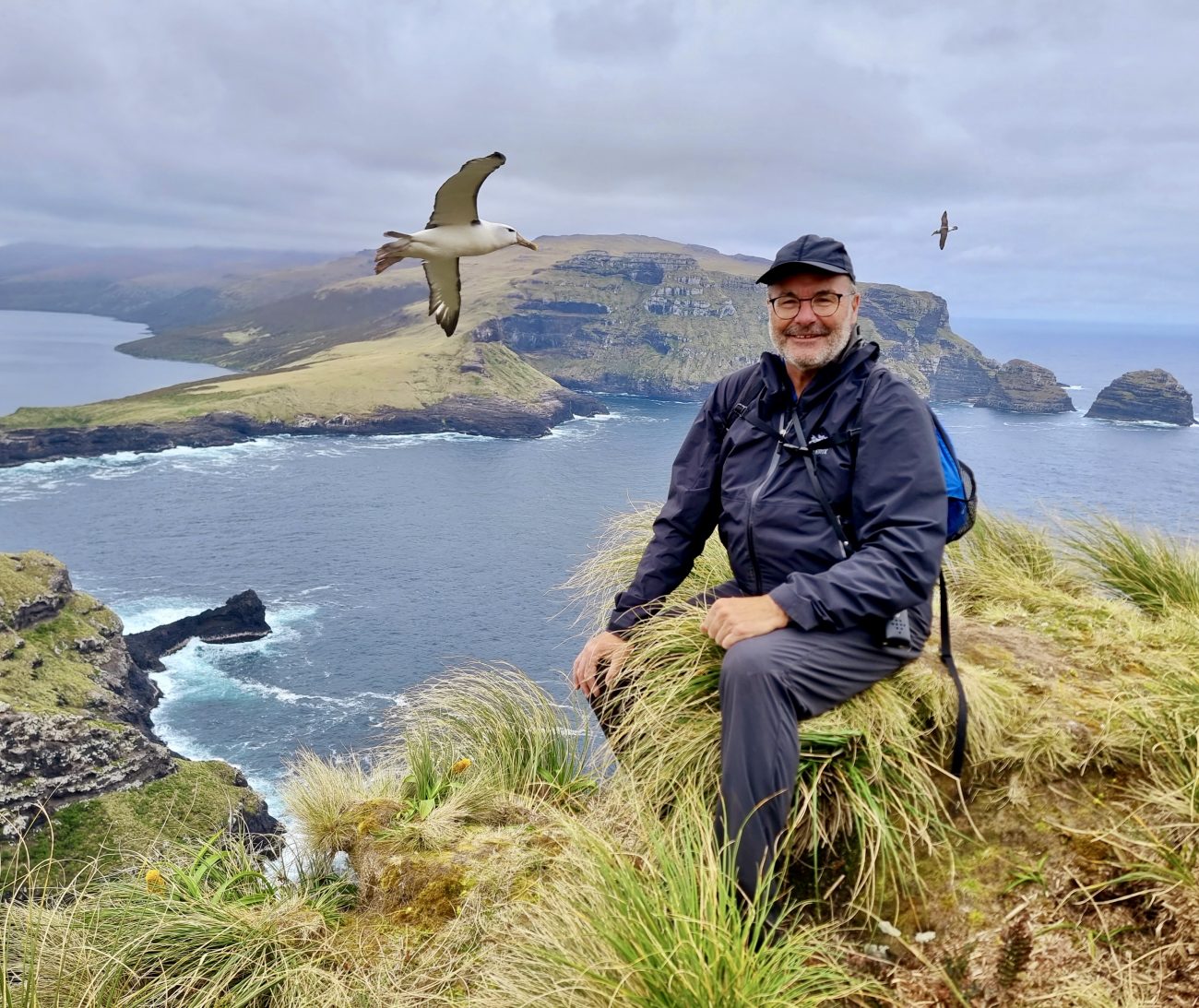
New Zealand Geographic and Heritage Expeditions invite readers to experience some of New Zealand’s most remote southern shores on our next special voyage. Departing on March 1 2024, the eight-day itinerary combines three amazing destinations – Stewart Island, Fiordland and The Snares – into one journey, with ex-director general of DoC and renowned conservationist Lou Sanson (above) joining as our onboard expert.
There are two other special expeditions this year: an eight-day voyage around Stewart Island with Kennedy Warne and the 12-day 'Galapagos of the Southern Ocean' voyage to the Subantarctic Islands with Prof. Murray Potter.
Find out more about all our reader expeditions and book your spot now.
|
|
|
| |
Let's talk about bottom trawling
Every year, New Zealand vessels drag trawl gear across nearly 100,000 square kilometres of our seafloor. We are the only nation still trawling on the high seas of the South Pacific.
The problem is that bottom trawling takes more than fish. Can we make it better? Or should we ban it altogether? Keep reading...
|
|
|