|
We found some weird things in the deep ocean; protecting some of it might be a great idea; a photographer's love of trees
|
The Weekender |

|
|
|
Free newsletter
|
APRIL 5, 2024
|
|
 |
Senior editor, digital |
|
If you’ve been feeling out of joint these past few days, you’re not alone—the weeks just before daylight savings in autumn put us out of sync with the sun. Humans need light in the mornings to feel awake, just like we need hours of darkness in the evenings to feel sleepy. I was curious about whether there had been any more research about whether daylight savings is bad for people, or good for us. There are a couple of oft-cited studies about how losing an hour in spring is connected to more car crashes and heart attacks. But it’s not quite as simple as that—and if you're interested in a very deep dive as to why, I enjoyed this article. There isn’t an obvious solution as to how to make daylight hours fit around our lives. We could be on permanent daylight savings time, and deal with getting up in the dark for work and school all winter long. Or we could follow the lead of Te Anau, the one town in New Zealand to reject daylight savings entirely. They won’t need to change any clocks this weekend. Whatever we choose, our bodies will still be tuned to the sun. We respond to solar radiation on a primeval level, one that transcends electric lighting and workplace norms and all the other accoutrements of modernity. The more I think about it, the more I feel comforted by the fact that this, at least, remains constant. |
|
|
|
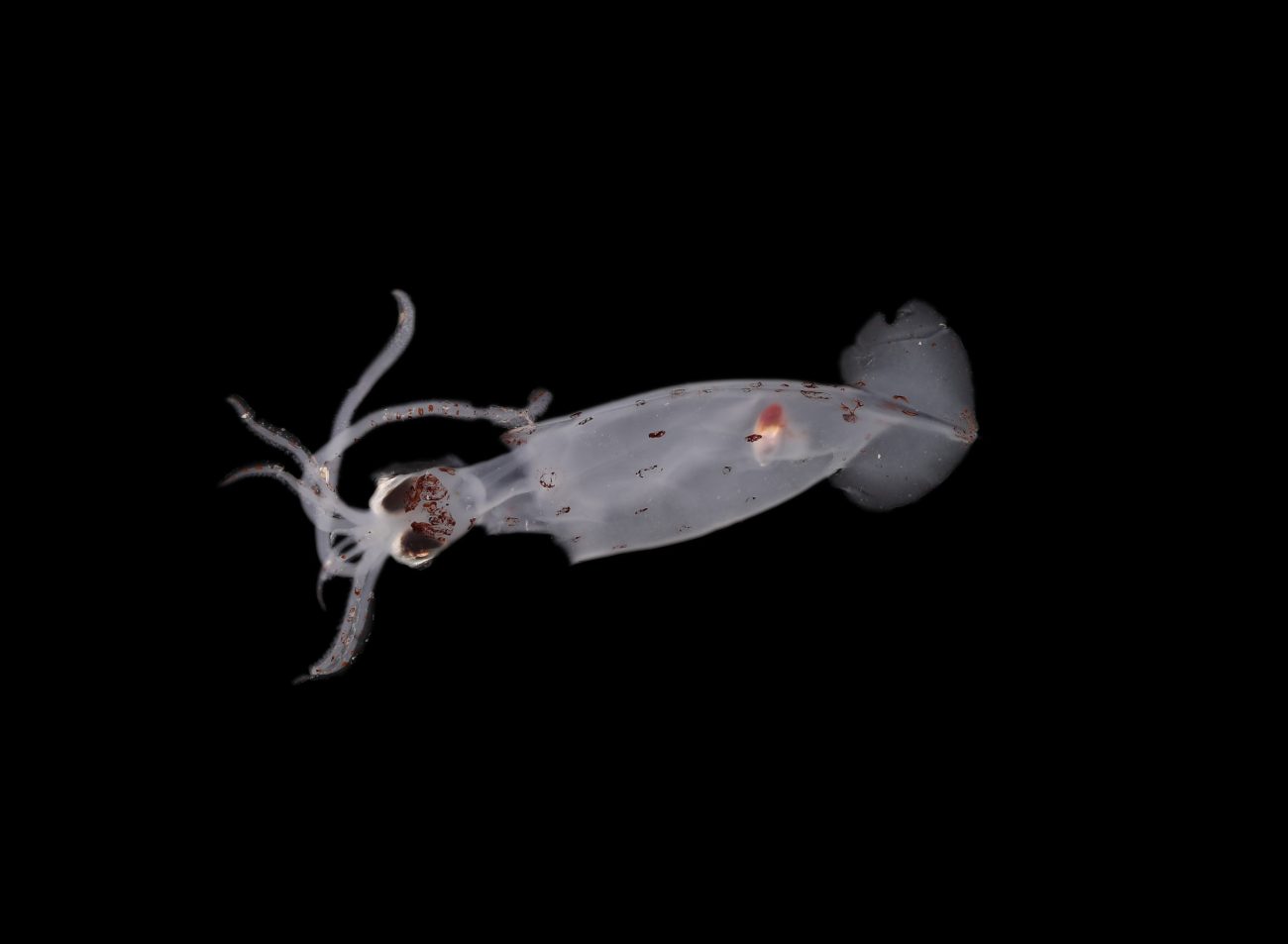
WILDLIFE What lives down in the deepAn expedition to the Bounty Trough off the coast of Otago, which reaches five kilometres down, added bucketfuls of new species to science, from the slimy to the transparent. Three weeks at sea was enough for a team of Te Papa and NIWA scientists to return with possibly hundreds of new species—even a creature that has so far defied known taxonomic categories. New eelpouts, amphipods, chitons, black coral, and translucent squids, like the one pictured above, were hauled up from the deep. |
|

|
|
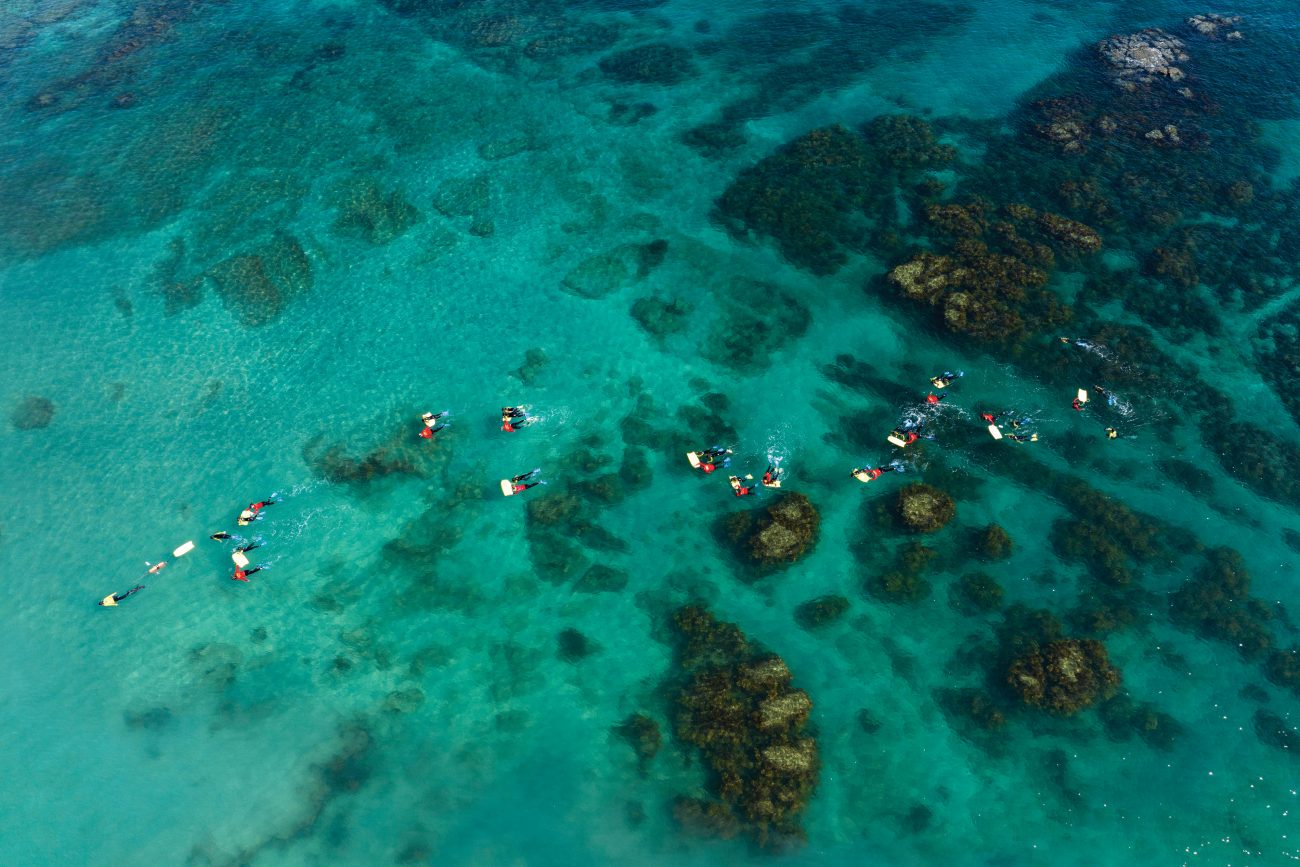
OCEANS Latest podcast episode: the debate over marine protectionIn 1975, five square kilometres from Cape Rodney to Okakari Point was made a marine reserve, the first in New Zealand, and possibly, the world. “Nothing to do at Goat Island anymore,” declared the local newspaper. Three hundred thousand people now visit every year, and this small, protected patch is helping to contribute fish to surrounding areas. New Zealand once led the world in marine protection; now, it looks like we will fail to meet our international promise to protect 30 per cent of our ocean estate by 2030. Right now, we protect less than 0.5 per cent, and with the government squashing plans for a sanctuary in the Kermadecs last week, that doesn’t look like it’s going to change anytime soon. Listen to the podcast episode here, then read the story here to see photographer Richard Robinson’s pictures. |
SOME PREVIOUS PODCAST EPISODES |
|

|
SUBSCRIBE TO SUPPORT OUR WORK New Zealand Geographic is a Kiwi-owned family business striving to celebrate and investigate our environment and society. Subscriptions from readers like you that power long-term journalism projects from around New Zealand. It's not as much as you think—$8.50 every two months for digital, $12 for print or $16.50 for both... a gold coin a week. Check out the options. |
||
|
|
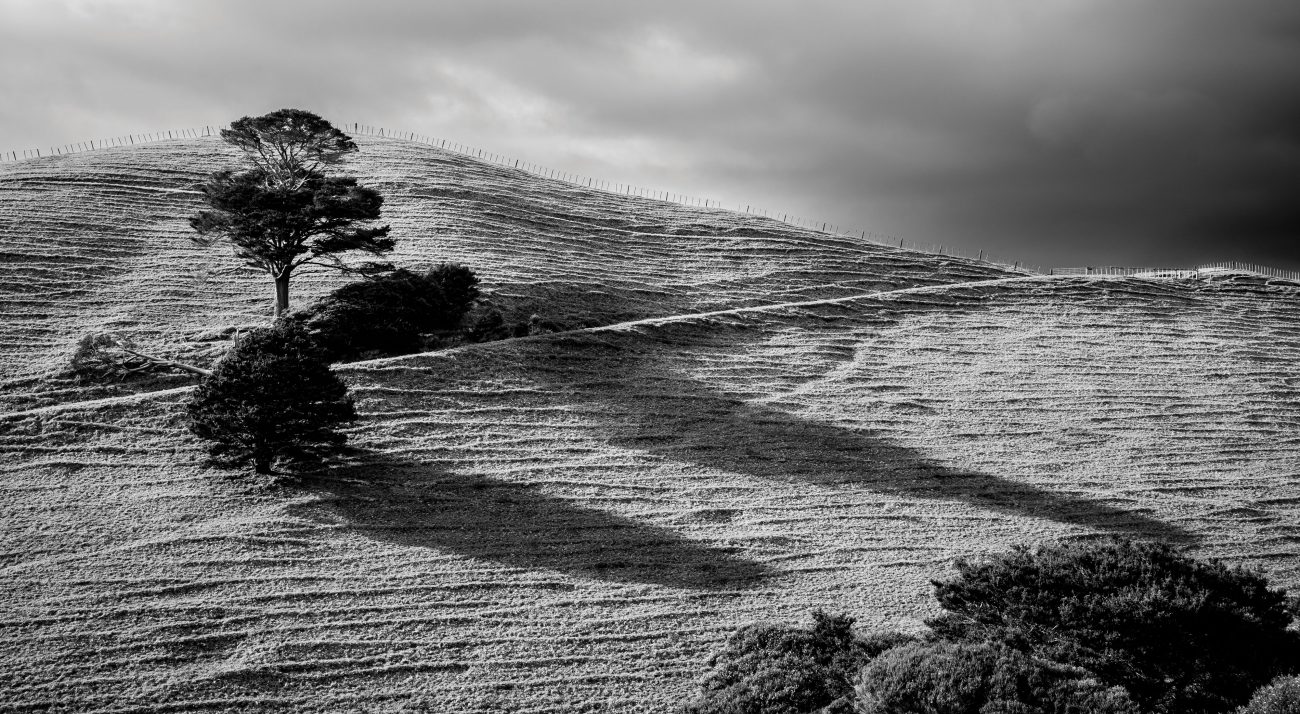
FROM THE LATEST ISSUE Walking the length of Aotearoa, photographing its treesWhen he was a child at primary school, Dirk Nayhauss read a poem about a tree taking 100 years to grow and one minute to cut down. The memory endured: transfixed by trees, he’s spent months photographing them in Switzerland, Germany and now, the length of New Zealand. The 58-year-old Berliner, a professional photographer for 30 years, started walking the Te Araroa Trail at Cape Reinga in August 2022 and wound up six months and 1200 kilometres later. He’s rarely felt so alive. “When I’m out in nature with my camera, everything falls away from me in the best moments,” he says. “Then all I am is movement and an alert eye for a good motif. It’s like a meditation in which all my senses are open.” There was never any doubt: this project would be completed in monochrome. Black and white, to Nayhauss, “is more basic” and “more to the point”. He sometimes feels overwhelmed by the gaudiness of social media—and by the real world, which he finds is full of speed and colours. |
MORE STORIES ABOUT TREES |
|

|
|
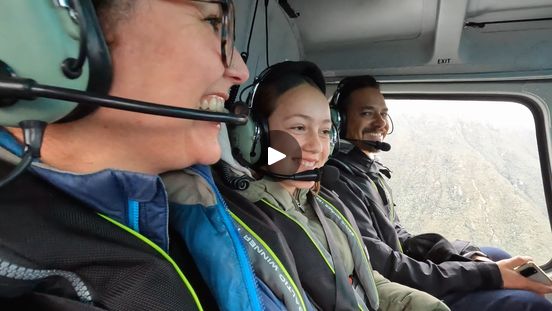
EXPEDITION FIORDLAND A field trip to FiordlandConservation has been brought into classrooms with the launch of a new teaching resource based on footage shot during an expedition to Tamatea Dusky Sound. |