|
| |
Citizen science: Spotting species in your backyard
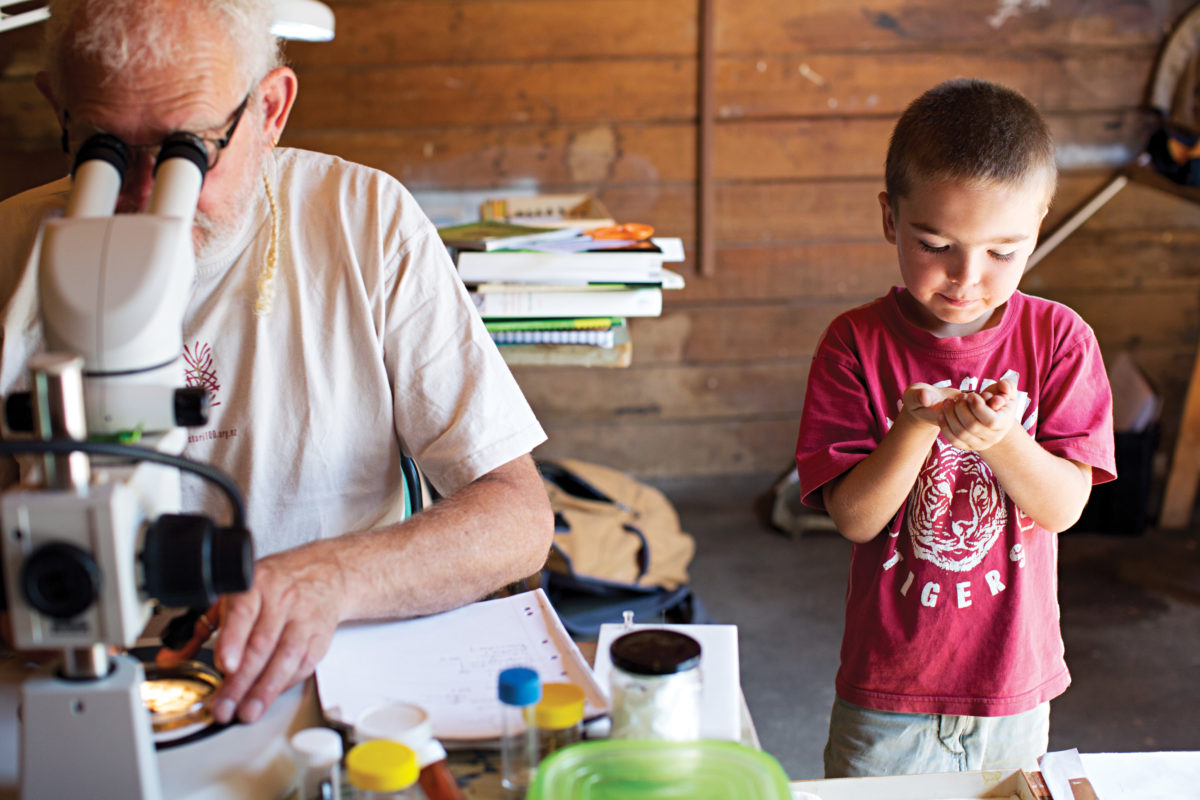
New Zealanders with no specialist training are contributing to scientific research by monitoring streams, spotting rare plants, counting the birds visiting their back gardens, and putting GPS trackers on their cats. Here's how you can contribute to scientific knowledge from home.
|
|
|
|
| |
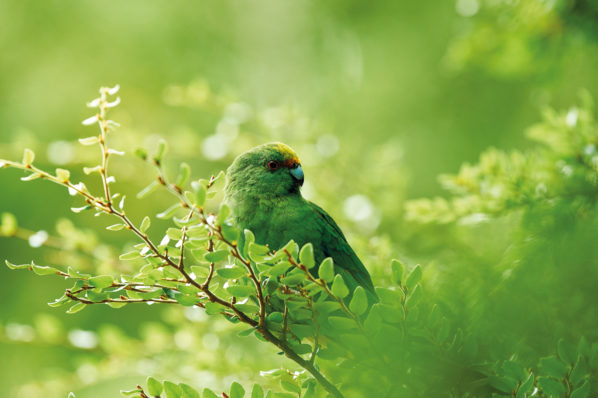
Good news for our rarest parakeet: the kākāriki karaka
Twice the kākāriki karaka has returned from the dead. Orange-fronted parakeets were declared extinct in 1919 and again in 1965, but each time, the birds were found again. Now, reports Stuff, it's had its best breeding season in more than a decade.
Where can you see orange-fronted parakeets, and what's special about them?
|
|
|
|
| |
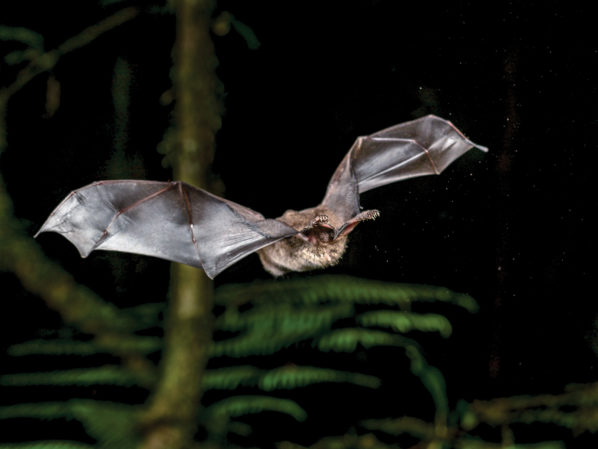
Get to know our pekapeka: our native bats
Bats are getting a bad reputation at the moment—they're potentially one of the sources of the virus that causes Covid-19.
New Zealand has just two species of bat, and researchers are only just beginning to learn about them. What they’re finding out is pretty weird.
|
|
|
|
| |
From our bubble to yours...
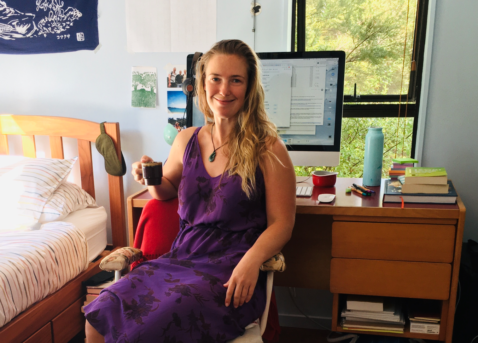
New Zealand Geographic is working from home, like everyone else. I'm spending the lockdown in the house I grew up in, which means the view from my desk is all too familiar. I spent hours and hours sitting here when I was a homeschooling teenager, looking out at the bush reserve behind our house. Today, there are more tūī than I remember and the hum of traffic from the Northern Motorway has completely stopped.
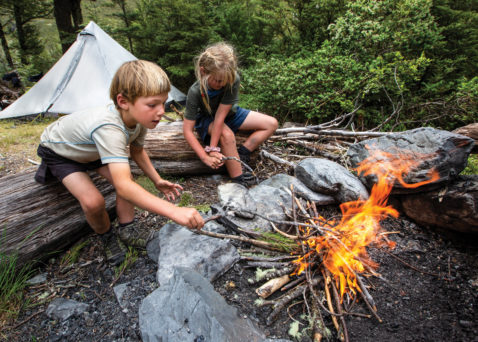
We might be all confined indoors, but we—myself and our journalists and photographers around the country—are busy working on stories for the magazine. (If you use Instagram, you might enjoy seeing the daily updates from our photographers under lockdown.) We'll be bringing you a new issue, as usual, to nzgeo.com by the end of the month. I'm looking forward to showing you what we've made.
Rebekah White, editor
|
|
|
|