|
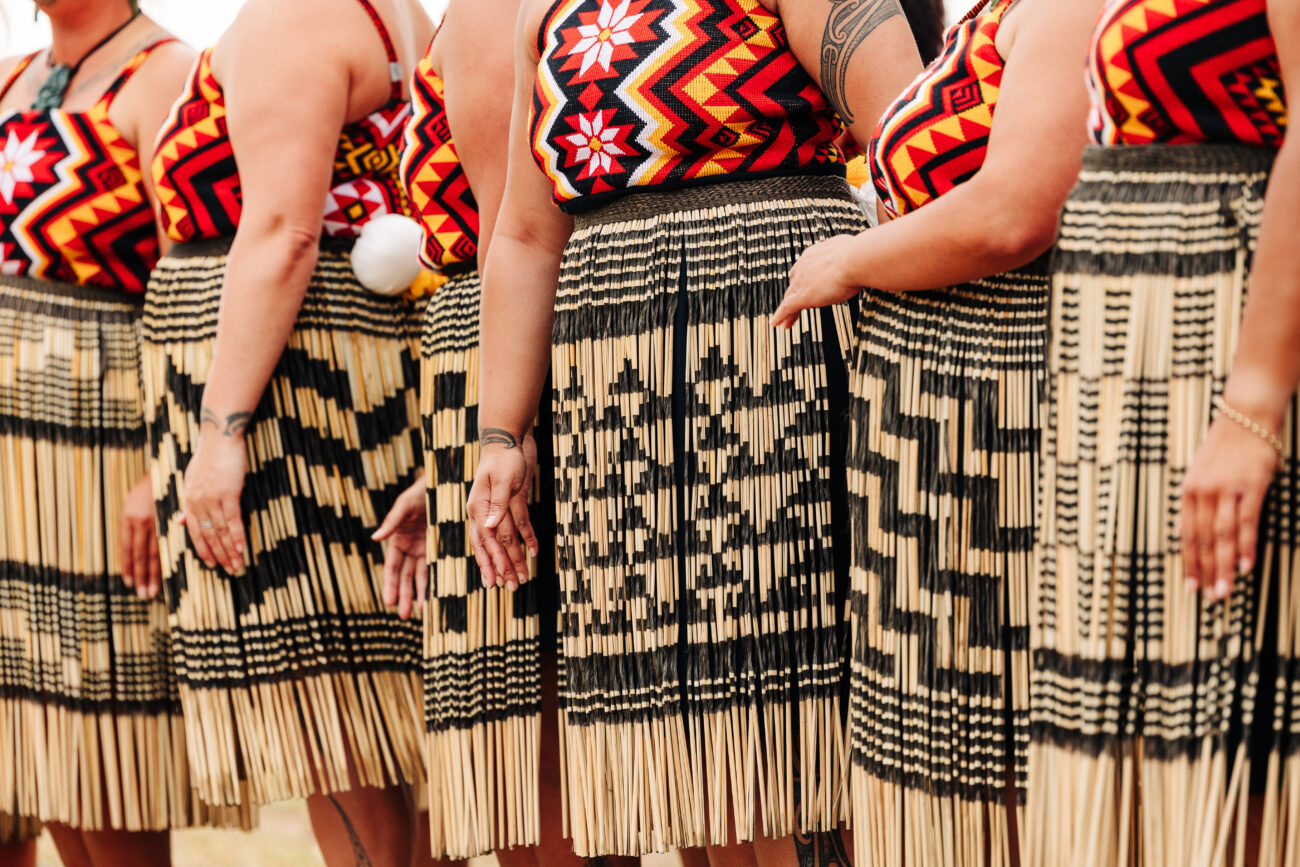
A newbie kapa haka team from the East Cape decided to make 40 piupiu, all with individual designs, and debut them on the biggest stage in the country.
|
The Weekender |

|
|
|
Free newsletter
|
APRIL 25, 2025
|
|

|
Publisher |
|
Today marks 110 years since the fateful landings in Gallipoli, where 2,779 young New Zealanders lost their lives, and left another 8500 wounded. It was a tragic precursor to a conflict that ultimately claimed 18,166 New Zealand lives. This year, Prime Minister Christopher Luxon will join the annual pilgrimage of Kiwis to mark the commemoration on the shores of Türkiye. It comes as we witness the global rise of authoritarianism and nationalist rhetoric—reminders that peace, which has cost this country so much, should never be taken for granted. |
|
|
|
|
Is journalism about our environment important to you? If so you can support our work with a subscription—either print or digital or both— please check out the options.The more subscribers we have, the more great work we can produce. |
||
|
|
VIEWFINDER Dress rehearsalWairūrū marae is cross the road from the beach, so if anyone looks out of the windows of the hall, they’ll see Waiau Bay sparkling through the waharoa, the gateway, and the forest-covered hills beyond. Inside, though, people are bent over their work, focused on scraping the edge of a mussel shell along a blade of flax. The pressure has to be just right: hard enough to lift the thick green outer layer, but not so much that the fibres within snap, or the mussel shell scrapes too much of the green away, ruining the pattern. It’s difficult work, and Erica Sinclair is getting frustrated. She puts down her kuku—her mussel shell—and picks up one of her cameras instead. Scattered around the room are the members of the kapa haka team Te Taumata o Apanui, outnumbered by their whānau. Sinclair has been documenting the team since day one, almost a year ago; her partner is one of the performers. This wānanga, a cross between a whānau meet-up and a working bee, is to create their outfits for the national championships, Te Matatini. |
MORE STORIES about māoritanga: |
|

|
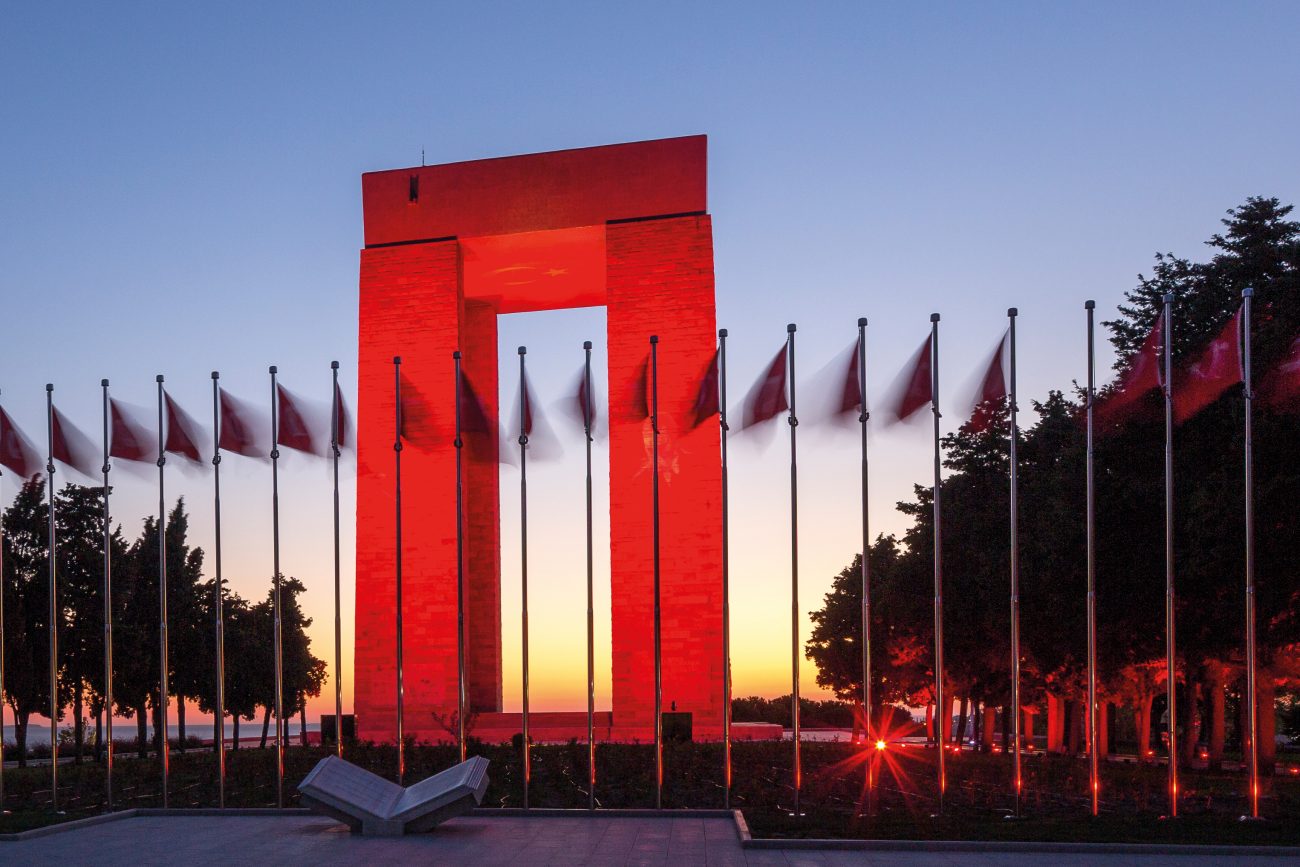
HISTORY Gallipoli: a hill too farRotting flesh, its fetid perfume corrupts the Turkish air. It is August 1915, and British, French and Dominion troops have been hanging on at Gallipoli for over three months. Conceived as a swift, decisive blow against an enfeebled adversary, the campaign has ground to a halt. In the stifling heat, both sides shelter in trenches and tunnels, sniping and shelling. Deadlock exerts its murderous grip. Tormented by thirst, racked with dysentery and plagued by flies and lice, good keen men are wasting away. But something is afoot at Anzac. Fresh troops are coming ashore under cover of dark. There are rumours of a new offensive to the north of the perimeter, with feints to the south and in the British sector at Cape Helles. A new force is to land at Suvla Bay. Troops are issued with ammunition, rations and field dressings and ordered to rest. Rifles and bayonets are checked, bombing parties organised. On the afternoon of the 5th, every man sews three pieces of white calico to his uniform for identification at night. |
|
|
HISTORY Monumental memoryThere was no avoiding war when I was at primary school. Every morning, we entered the playground through ornate memorial gates, on either side of which were brass plaques bearing the names of old boys who had fought in World War I. The small crosses next to many of the names, I soon learned, signified they had been killed. Occasionally we might inspect the lists, perhaps find someone with our own surname. But mostly those gates functioned less as a reminder—lest we forget—than as a kind of confirmation that otherwise hazy ideas of war and loss and honour and sacrifice were just part of the architecture, the bricks and mortar of nebulous national identity. Every New Zealander has their own version of this. There is barely a town or suburb in New Zealand without some form of war memorial—those gateways, cenotaphs, monuments, statues and town halls dedicated to the memory of the fallen can seem almost as numerous as corner dairies or pubs. Unsuspecting visitors could be forgiven for thinking the land had been swept by some appalling catastrophe that left no village or hamlet unscathed. |