|
|
Richard Robinson
|
|
|
|
Is journalism about our environment important to you? If so you can support our work with a subscription—either print or digital or both— please check out the options.The more subscribers we have, the more great work we can produce.
|
|
|
|
|
Giselle Clarkson
|
|
|
JUST SO
The enviable upsides of having something sticking out of your backside
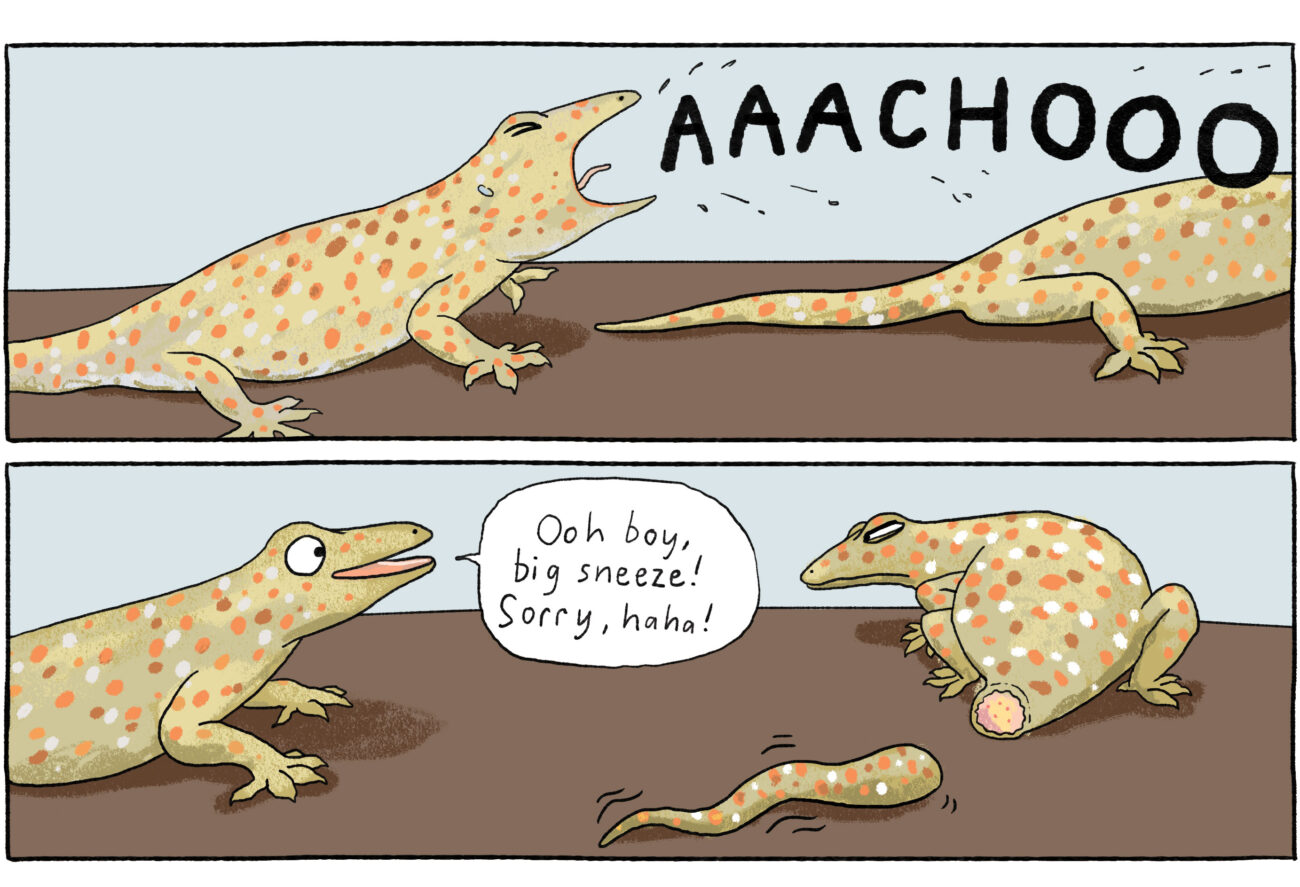
Cats use theirs for balance, canines for communication. The tails of marine creatures propel them through the water, while those of pīwakawaka help the birds to change direction mid-flight. Monkeys and possums use their prehensile appendages to swing through the trees. Foxes and squirrels wrap their fluffy, bushy tails around their bodies to keep warm, and kangaroos use their muscular ones as a kind of fifth leg to rest on as they graze, and to propel them when they walk. Some scientists theorise that tails even helped the first fish to colonise the land, via a rear-end shimmy that propelled them up sandy sloping shallows onto shore. Cows, horses, bison and giraffes deploy their swatting tails against insects, while other animals are equipped with more aggressive weapons. Picture the bommy-knocker club of an ankylosaurus, or the venomous barbs embedded in a stingray or scorpion’s deadly tail. More insulting than injurious, hippopotamuses spin their stubby tails like a whirligig while defecating, flinging poo in all directions. It seems to be about marking territory: in a recent study in Mozambique, hippos responded to recordings of the “wheeze honk” calls of strangers with this flamboyant signature move.
Female rats, on the other hand, use their tails during lovemaking—when scientists surgically removed them, they found that the lady rodents’ male partners “seemed to have trouble finding their way and completing the mating process”. Tails, in fact, have entwined with our thinking about animal sex all the way back to Charles Darwin. Keep reading...
|
|
|
EDUCATION
One hundred years ago, we thought IQ tests could predict the future
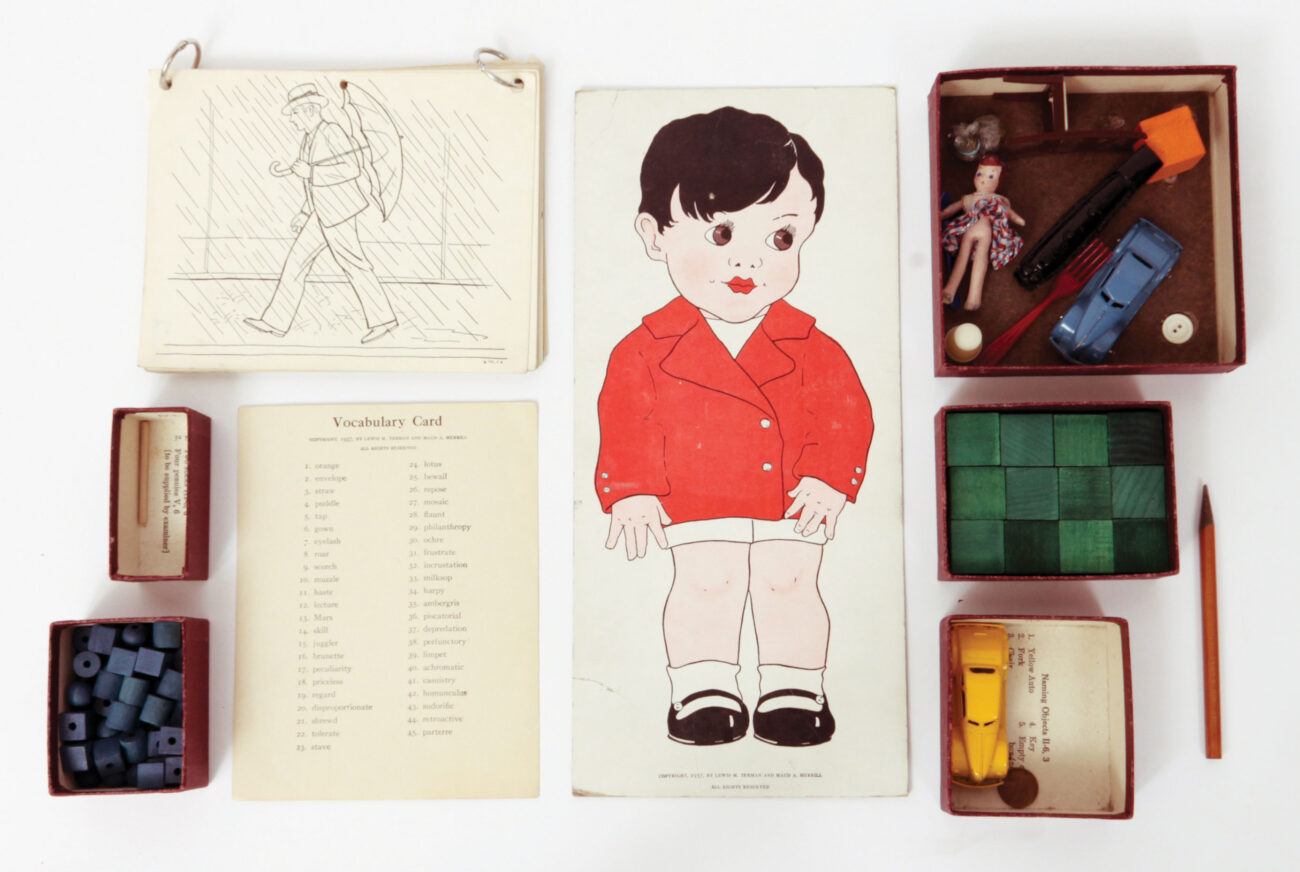
When schools opened in the summer of 1924, thousands of tweens around New Zealand were faced with an exotic and potentially life-defining new hurdle. The Education Department, caught up in the international vogue for intelligence testing, had adopted the Terman Group Test of Mental Ability, an American conception. All first-year post-primary students were required to sit the test: half an hour, 240 questions, covering such areas as maths and logic, reading comprehension and general knowledge. This was the first time any such test had been rolled out to a whole country. Light-hearted newspaper articles suggested that our politicians should also be tested. A rather spiteful opinion piece in the Wanganui Chronicle claimed that intelligence testing had proved America was a nation of morons. Sample questions were printed in the papers, so that adult readers could play along. For example: As a monk is to a man, a is to a soldier. (The answer, frustratingly, was not supplied.) Keep reading...
|
|
|
Partner content
Dollars and sense
Economic development is a major focus of the coalition government. Reforms purport to remove ‘red’ and ‘green’ tape. But at what cost? Improving regulatory settings is one thing, but New Zealanders will be concerned with changes that enable more freshwater pollution, loss of indigenous species and questionable developments. The Environmental Defence Society’s 2025 environmental summit will reframe the narrative. How can we improve economic welfare while not harming the environment? Can development fund restoration? Where are the synergies? And how can such an approach frame the Government’s proposed reform of resource management law and policy? The 2025 summit includes a full day dedicated to the ocean, where economic opportunities interface with nature in a highly dynamic way. How can we restore ecosystem health while harnessing wealth from our oceans?
When: 12-14 May 2025
Where: Grand Millennium Hotel, Tāmaki Makaurau Auckland
Get your tickets...
|
|
|