|
| |
Remembering royalty
With the passing of Queen Elizabeth II, New Zealand has lost a head of state, gained a new one, and descended into memory, memorial and reflection of a monarch who ruled with the softest touch. Media have been quick to publish moving obituaries that reflect on her calm and stillness in the face of political chaos, her humanity and decency in her interactions with the public and her life-long devotion to family and duty. Queen Elizabeth first visited New Zealand in 1953 where she felt “completely and most happily at home”. It was an ambitious royal tour, in which she was seen by two-thirds of the population. Her Christmas Day broadcast from Government House, however, was laced with sadness, as she announced to the world the Tangawai rail disaster—the country's worst—which had just claimed 151 lives, and “brought tragedy into many homes and sorrow into all…” Keep reading...
|
|
|
| |
How an island pushes back
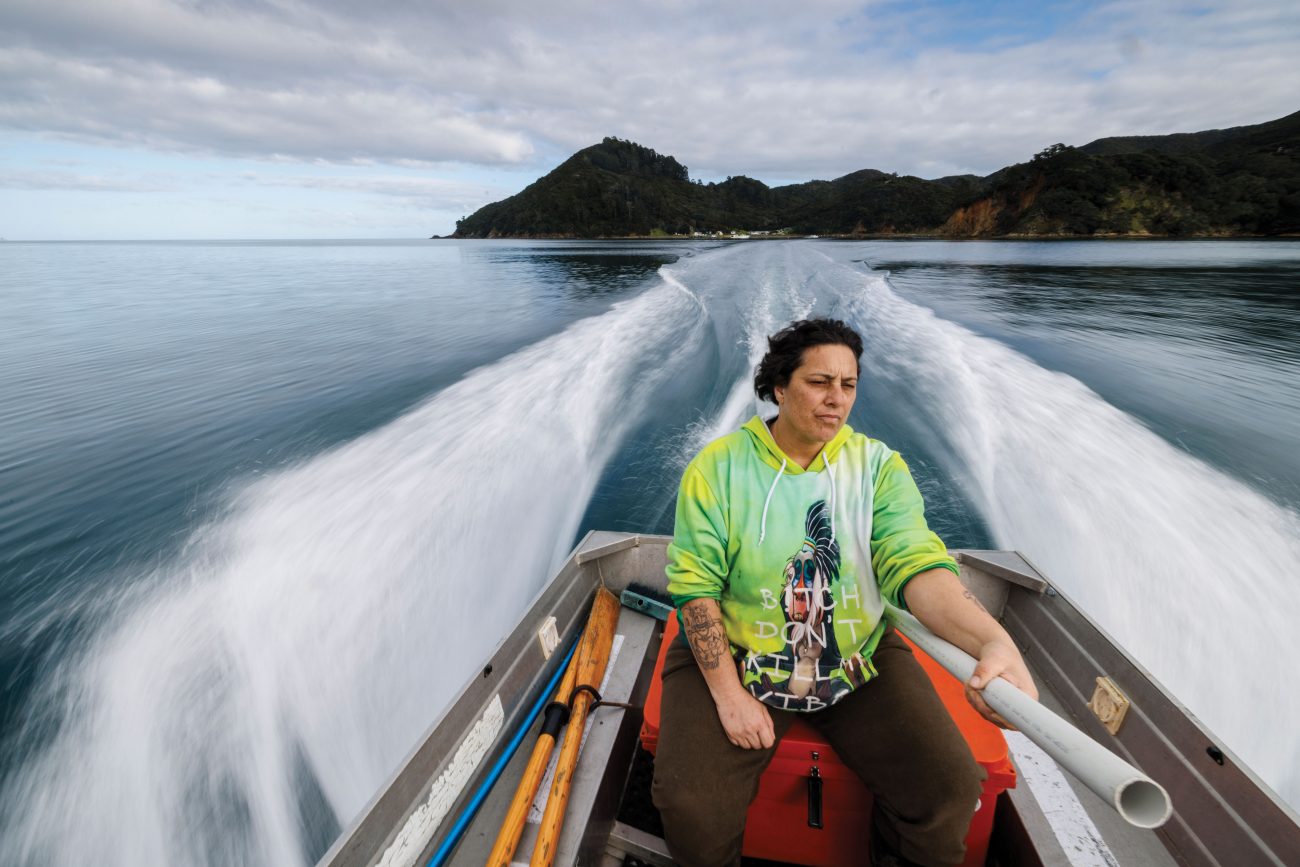
At first, New Zealand Geographic journalist Kate Evans sees nothing on the sea floor but white sand and young snapper. Then a small green tuft appears, resembling a tangled bundle of steel wool. Soon, she spots larger mats, folded on the sand like the freshly shorn fleeces of neon-green sheep: the invasive seaweed Caulerpa brachypus.
An ecologist on a fishing trip with his dad spotted this tauiwi kino—"bad visitor"—in June 2021. Now, Aotea/Great Barrier is choking in it. The invasion is far worse than the scattered clumps Kate sees during her snorkel. Caulerpa's tendrils have spread across Okupu and infiltrated two others on the western side, the Tryphena and Whangaparapara harbours. As this issue went to press, NIWA divers found small patches of the weed at four more locations on Aotea's west coast.
It carpets areas the size of rugby fields. Caulerpa climbs over rocks and the sandy bottom alike, attaches itself to scallop shells, smothers sponges. It has the potential to transform vast areas of coastline from the tip of Northland to the Bay of Plenty—displacing native species, altering ecosystems that are already under pressure, and draining the mauri from the moana.
Such a dystopian future is unthinkable for mana whenua on Aotea, and they say they'll do anything to eradicate the invader.
Keep reading...
|
|
|
| |
How UC's environmental science students are making an impact
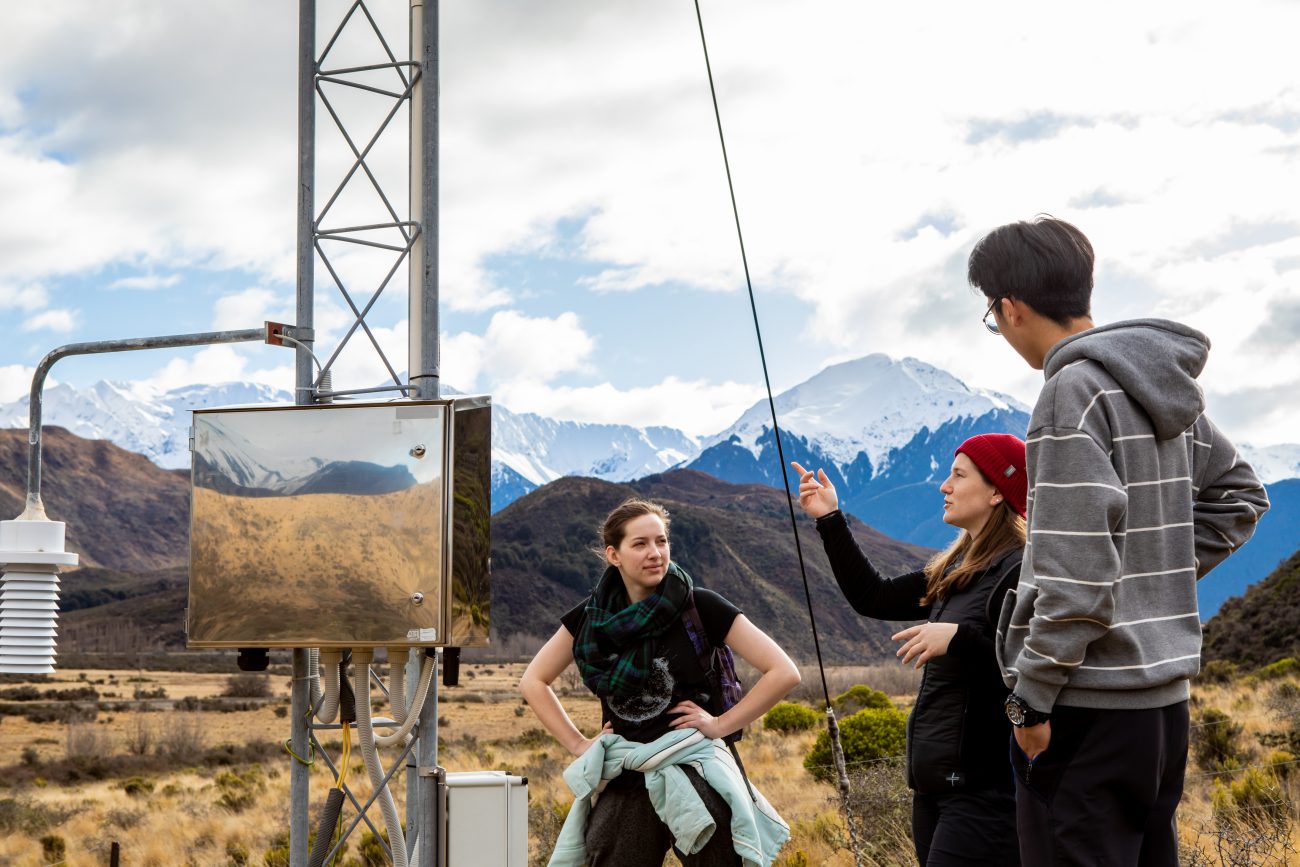
The University of Canterbury's Bachelor of Environmental Science with Honours degree focuses on opening students up to a world of knowledge and opportunity. The broad degree offers excellent teaching and research facilities, field stations, industry connections and ‘mountains to sea’ environmental science in a region known for its diverse geographic terrain. Current PHD student Alex Aves chose to study environmental science because she wanted to work every day on issues that matter. And her work as a UC student has already made an impact. In 2019 she travelled to Antarctica where she collected snow samples as part of a continuing UC research study into airborne microplastics. “Travelling to Antarctica felt like a dream,” she says. “You step out of the plane onto a thin strip of ice and everything around you is absolutely still and quiet. It brings all your senses alive.” Keep reading...
|
|
|
|
| |
You be the judge (and you, and you)
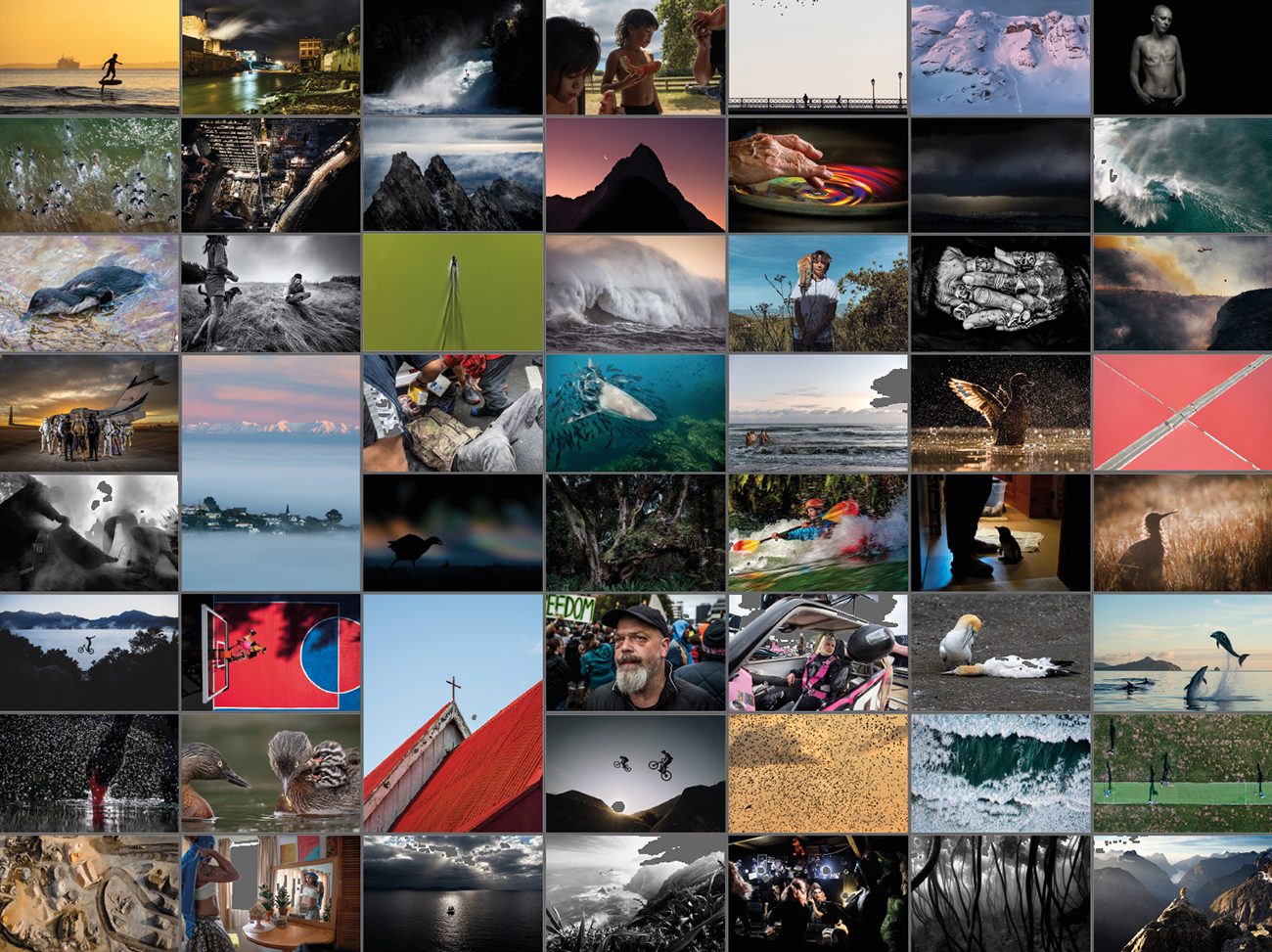
Our photographer of the year competition is well underway—finalists were announced last week.
To reach this point the judges spent many hours debating the merits of leaping dolphins versus protestors versus precise rooflines versus a rockwren perched—for all the world like an influencer—on an Instagram-worthy peak.
Now it's your turn: voting has opened in the people's choice section. And believe us—even if you're not feeling judgy, it's a pleasure to simply scroll through these finalists. Keep reading...
|
|
|
| |
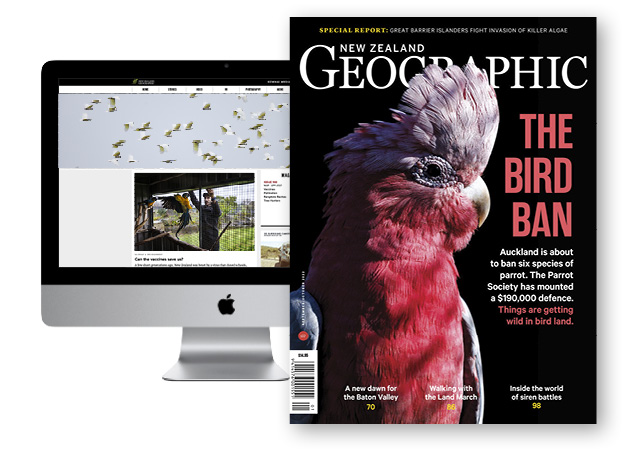
Subscribe and support local journalism
While advertising and retail income goes up and down, it is subscriptions from readers like you that power long-term journalism projects from around New Zealand and help us keep the lights on.
It's not as much as you think—$8.50 every two months for digital, $12 for print or $16.50 for both... a gold coin a week. Check out the options.
|
|
|
|
| |
The giving tree
Eva Corlett at The Guardian wrote this week about the Sitka spruce on Campbell Island. It could well be the world's most remote tree—but now the lonely old conifer is getting plenty of attention from climate scientists keen to understand carbon sinks in the Southern Ocean.
They've taken a small plug sample using a hand drill, and are examining carbon trapped in the tree's growth rings as a proxy for air samples way back when. (Lucky it wasn't a pūriri: the truly old ones are hollow, so their rings tend to confound rather than enlighten.)
Pinning down how carbon behaves in the Southern Ocean has long been a wicked problem: as we reported in issue 144, the IPCC has flagged data weaknesses in the region as one of the most pressing issues, because they limit confidence in climate models.
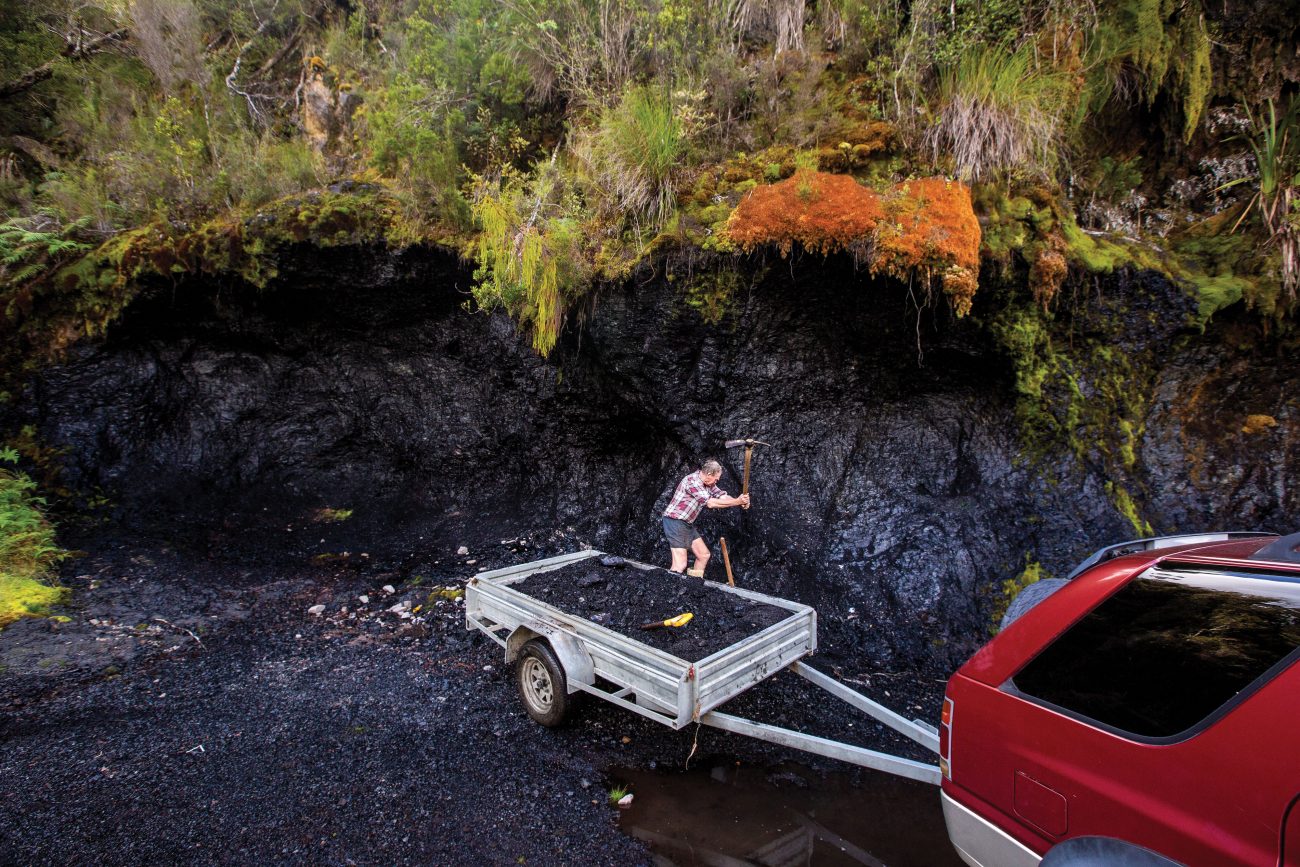
Whatever the intricacies at play in the Southern Ocean, it's clear that we need to stop pumping carbon into the atmosphere. In issue 175, Dave Hansford wrote about why on earth New Zealand is still burning coal—and how we might extricate ourselves from its clutches.
|
|
 |
|