|
| |
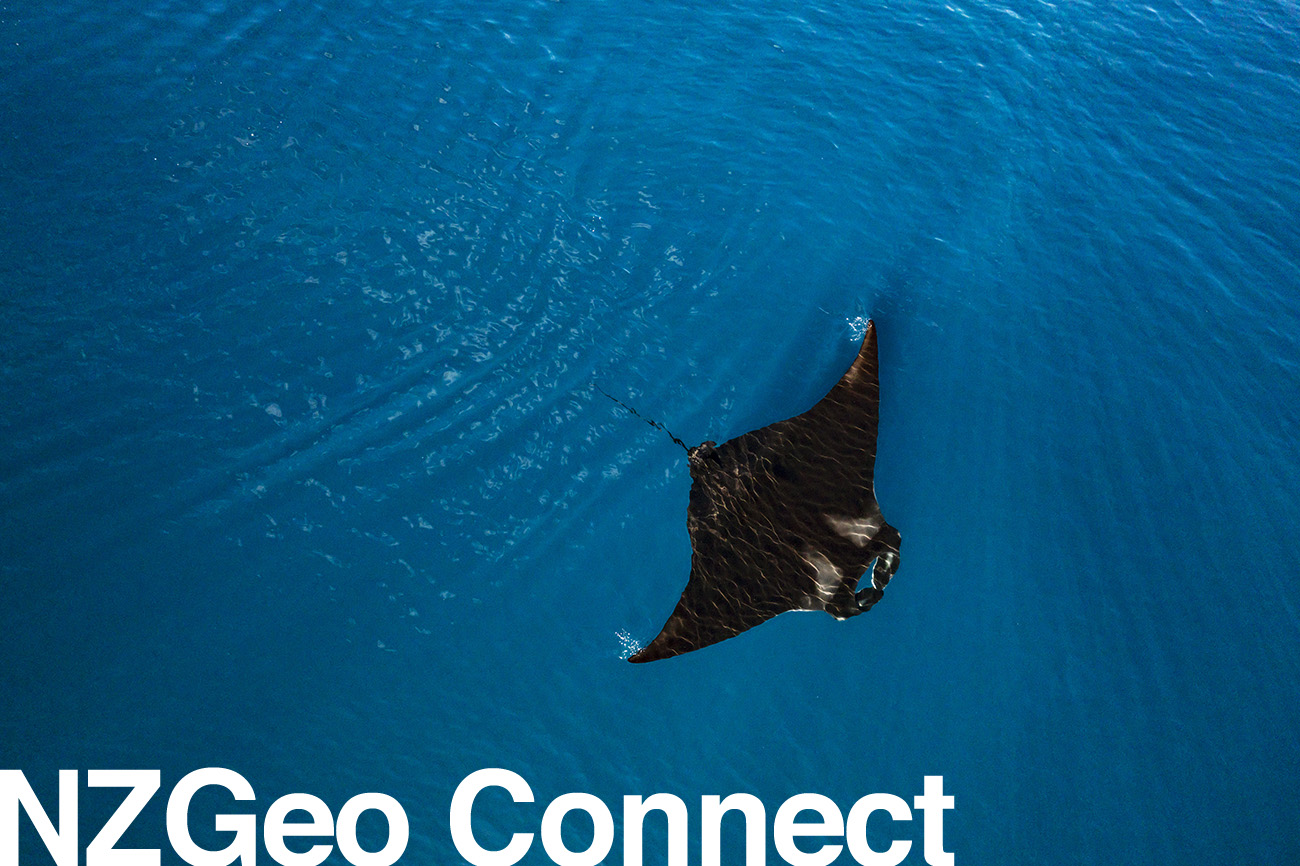
How hard can it be to find a manta ray?
The sky is a glossy midsummer blue as the motorboat rounds Omaha Spit and heads out into the shimmering waters of the Hauraki Gulf. The animal we’re looking for is as wide as the boat is long—6.3 metres—and is part of the pantheon of New Zealand marine megafauna, along with whales and dolphins and great white sharks.
But few people know that oceanic manta rays are even here. Keep reading...
|
|
|
| |
Gone fishing
If you had looked in the New Zealand Geographic office fridge in the summer of 2018 you would have found, next to the beer and the old film, a carefully wrapped plastic bag containing half a dozen transmitting GPS tags. Each one was worth thousands of dollars, and each was destined to be attached to a manta ray. Except no one knew where to find a manta ray. Keep reading...
|
|
|
| |
Great huts of New Zealand: Ivory Lake Hut
This alpine hut on the West Coast was originally set up to house glaciologists, but as the ice has melted, it has been sought out by intrepid trampers and has become one of those Shangri-La places that anyone serious about tramping on the western side of the Southern Alps wants to get to. Keep reading...
|
|
|
| |
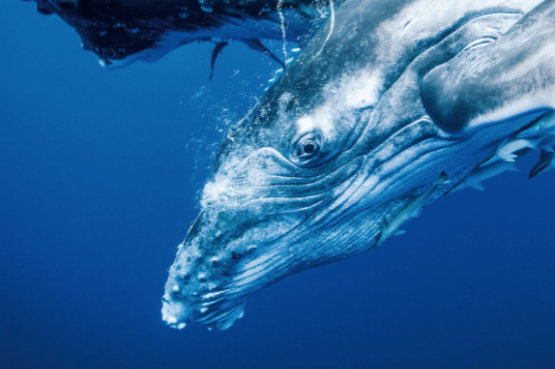
Hungry, hungry humpbacks
Baleen whales eat three times as much food as we previously thought they did, according to a nine-year-long study published in the journal Nature. This means whales poo a lot more, too, with important implications for ocean ecosystems. Keep reading...
|
|
|