|
| |
Lessons from Tupaia
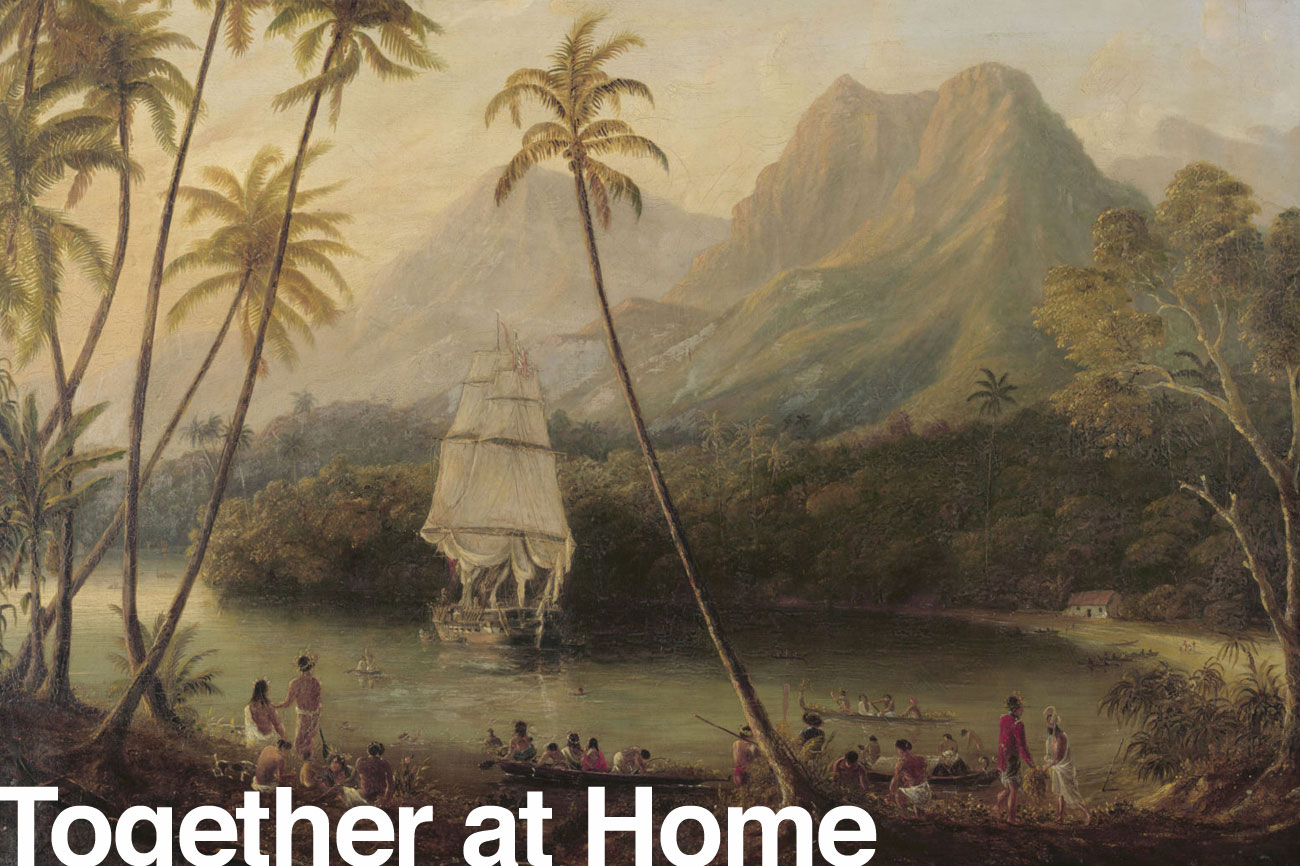
Prime Minister Ardern has just released a road map out of lockdown, but escape may be a ways off. We've been producing Together at Home as a free service for families enduring lockdown, and will keep producing it as long as we're at level 3 with kids at home—a service as important for the big people in the house as the little people. So as we navigate this course out of lockdown, let's consider one of the most important people in Pacific history. Tupaia was a man of many talents: high priest, artist, diplomat, politician, orator and celestial navigator. After fleeing conflict on his home island of Ra’iātea for Tahiti, he befriended botanist Joseph Banks, and joined the onward voyage of James Cook’s Endeavour. Arriving in New Zealand in 1769, Tupaia discovered he could converse with Māori. He became an interpreter, cultural advisor and bringer of news from islands that Māori had left long ago. 250 years on, we are barely beginning to know who he was.
Read more...
|
|
|
|
| |

|
Talking points
Discuss the ideas presented in the story with your family—at home or over video conferencing. Find ways to involve as many people as possible, especially those who you know are isolated by the lock-down. - From whose point of view are the opening few paragraphs told? How does this influence how we read about the events? Why might the writer have chosen to tell the story this way?
- In the picture of the Tahitians meeting the crew of The Endeavour, how do you think each party is portrayed? Does it seem to be a meeting of equals? Why or why not? In what ways do you think this depiction could be accurate and inaccurate?
- Captain James Cook was instructed to sail to Tahiti to observe the Transit of Venus. Do you know what the Transit of Venus is? Visit this story to find out more about why Cook was sent on this mission: https://www.nzgeo.com/stories/transit-of-venus/
- What strikes you about Tupaia’s chart of the Pacific Islands, and/or the illustration of the two men trading? Is there anything that intrigues you about Tupaia, that you would like to know more about?
- In Tahiti, Cook opened sealed instructions from the British Admiralty to find any Southern lands and “observe the Nature of the Soil, and the Products thereof; the Beasts and Fowls that inhabit or frequent it, the fishes that are to be found”. What does this reveal about what the British believed they could do with any land they might become aware of? How did that belief come to influence the way they approached colonisation?
|
|
|
|
|
|
| |
Activity: Grow a Kūmara House Plant
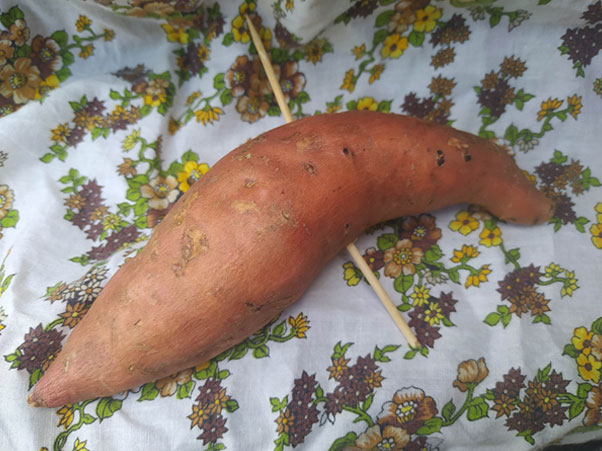
Get a kūmara started in water today and over the next few weeks, you can watch it develop into a stunning house plant! You will need: - A kūmara
- Two tooth picks, or a kebab stick broken in half
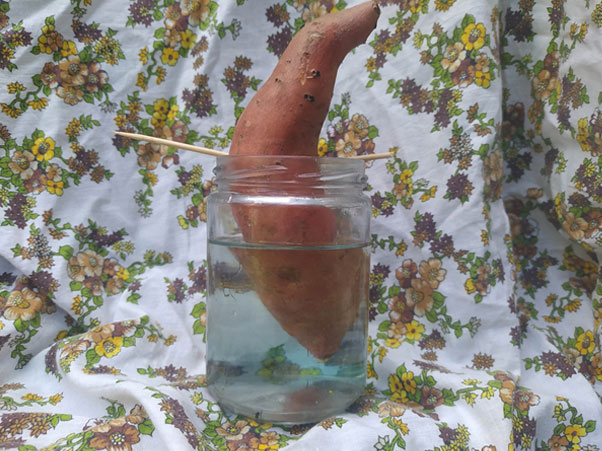
- A jar of water
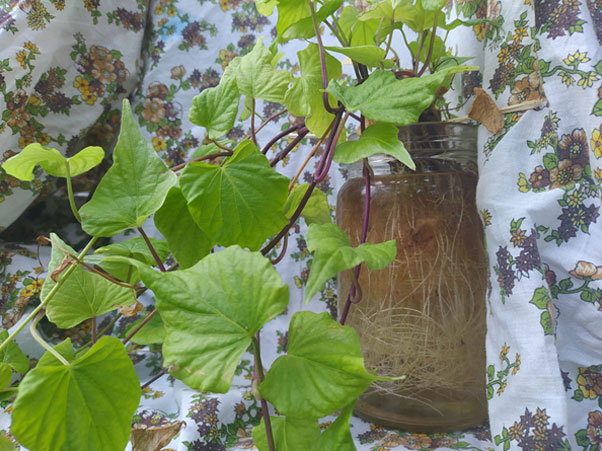
Step One: Take a kūmara and insert a toothpick on each side, about 1/3 or just above halfway down. Step Two: Place the kūmara in a jar of clean water and put it on a windowsill or a shelf where you can enjoy watching it sprout roots and leaves. Within about two weeks you will have a budding house plant. Step Three: Keep the water topped up and move it into a bigger jar once it has a full root system. Your kūmara house plant will cascade beautifully by itself, but you can also experiment with training it to climb up or along. It should last around six months if you keep the water topped up. Send us a picture of your kūmara house plant!
|
|
|
|
|
|
| |
Spotting Silvereyes
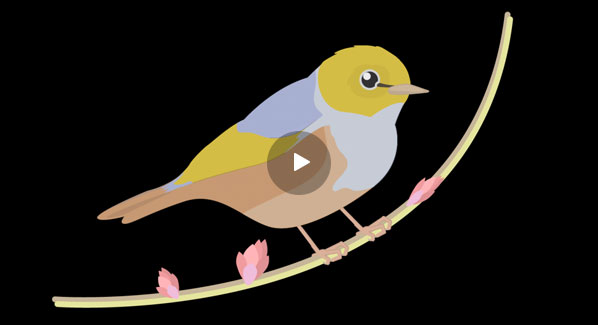
Tim Lovegrove describes the kete-like, cup-shaped nest and small blue eggs of this relatively recent Australian migrant. Watch the video, then ask yourself; how often have you seen silvereyes, also called wax-eyes, in your neighbourhood? What might attract them to an urban garden?
|
|
|
|
| |
What is Together at Home?
New Zealand Geographic started Together at Home at the beginning of the first lockdown in 2020. It was hit with parents, and also for grandparents who felt isolated and wanted to join in. It also gave parents themselves some welcome escape. If you're not into it, just hit unsubscribe. If you like it, then send us pictures of what you make and encourage others to join the list on the Together at Home hub. It will be coming your way every day of the lockdown.
As the rest of the country is no longer in lockdown we filtered the list to include only email addresses in Auckland, or for which we could not verify the location. If you're not in Auckland or do not want it, no worries, just hit unsubscribe. |
|
|
|
| |
How do NZGeo digital subs work?
You can access three items per month totally free on NZGeo.com, and thereafter it costs $1 per week for a digital subscription. (We bill $8.50 every two months to a credit card, or $50/year if you prefer.) A digital subscription gives you access to more than 10,000 stories and 400 hours of natural history documentaries on-demand, on any device.
|
|
|
|
|
|

![145_Viewpoint_shutterstock_227311084-[Converted]](https://cdn.nzgeo.tv/2017/04/145_Viewpoint_shutterstock_227311084-Converted-336x336.jpg)