|
| |
Three chords and a story
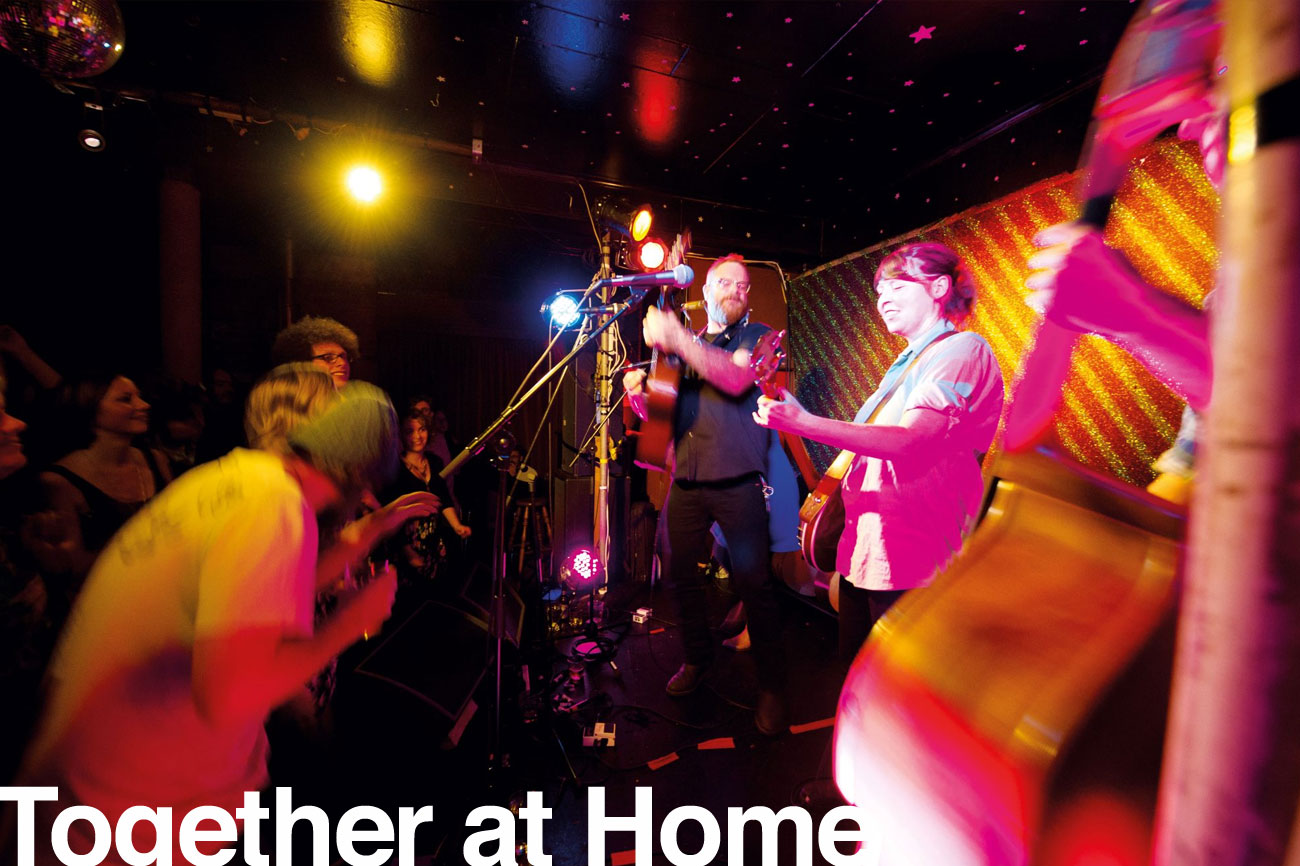
Country music resonated in 1940s rural New Zealand, and its legacy burns here still, no more so than at the annual Gold Guitar Awards in Gore.
Read more...
|
|
|
|
| |

|
Talking points
Discuss the ideas presented in the story with your family—at home or over video conferencing. Find ways to involve as many people as possible, especially those who you know are isolated by the lock-down. - Do you think you’ve ever heard any Country music? If not, you could google some of the artists mentioned in this article – a video of Steve Earle singing “Copperhead Rd” would be a good place to start, or try a famous Country singer like Johnny Cash.
- Country music is described as “people’s music…about connections…about stories…(performing it) takes a lot of heart.” Looking at the photos, how do you think you can relate these ideas to the performances and audiences that you see? How does it seem different to a genre like rock or pop?
- Gore in Southland hosts an annual “Freeze Ya Bits Off” busking competition. A lot of the competitors in this competition are described as families, dressed in costume. What might be fun about busking as a family? If your family was busking, who would sing and play which instruments?
- There’s a great story in this article about a band member who couldn’t find the cowboy boots she needed in New Zealand. To solve the problem she added high heels to a pair of gumboots and painted them white. What does this anecdote tell you about New Zealand in the 1950s, or New Zealand culture in general?
- The writer profiles Jenny Mitchell who in 2014 was a 14 year old competing in the Gold Guitars. Can you work out how old Jenny would be now? (If you google “Jenny Mitchell singer” you can see what she’s been up to and hear some of her music.) As a 14 year old, she was singing for at least an hour a day, receiving intensive vocal training and entering competitions, which often involved disappointment as well as excitement. What else might you have to be or do to pursue success as a Country musician?
|
|
|
|
|
|
| |
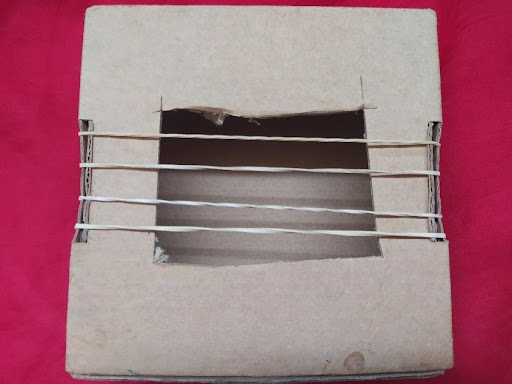
Activity: Make a box guitar
It’s amazing what great sounds you can get out of a box and rubber bands! This incredibly basic musical instrument is a lot of fun. You will need: - A cardboard box – any size or shape will do but you must be able to fit rubber bands around the width of it
- Rubber bands – around four
- A craft knife or scissors
Step One: Gather your materials and check the rubber bands fit around the box.
Step Two: Cut a rectangular shape in the top of the box. Using a craft knife works well for this but scissors will also do the trick.
Step Three: Stretch your rubber bands over the open rectangle shape. Have a play with the different notes and resonances created by different rubber bands. If you’re lucky enough to have a range of thick and thin rubber bands, you might find these create different notes. Are you able to play a tune like Twinkle Twinkle Little Star? Have a go at tightening up the rubber bands to make different notes.
Send us a picture of your box guitar!
|
|
|
|
|
|
| |
The nitrate experiment
In this interesting video, ecologist Dr Mike Joy explains how New Zealand farming was industrialised at the time of oil and gas discovery, as Urea fertiliser was made on a large scale. He explains how most of the nitrogen in cow urine falls onto plants that can only metabolise a small fraction of it. The rest goes into the ground, and the groundwater that feeds our drinking water supplies. We also learn about the correlation between high rates of colorectal cancer and nitrates in drinking water – both particularly evident in our dairy farming regions. Watch the video, then ask yourself; how can we understand and care for our water better, either in terms of political action or shifts in people’s behaviour and choices?
|
|
|
|
| |
What is Together at Home?
New Zealand Geographic started Together at Home at the beginning of the first lockdown in 2020. It was hit with parents, and also for grandparents who felt isolated and wanted to join in. It also gave parents themselves some welcome escape. If you're not into it, just hit unsubscribe. If you like it, then send us pictures of what you make and encourage others to join the list on the Together at Home hub. It will be coming your way every day of the lockdown.
As the rest of the country is no longer in lockdown we filtered the list to include only email addresses in Auckland, or for which we could not verify the location. If you're not in Auckland or do not want it, no worries, just hit unsubscribe. |
|
|
|
| |
How do NZGeo digital subs work?
You can access three items per month totally free on NZGeo.com, and thereafter it costs $1 per week for a digital subscription. (We bill $8.50 every two months to a credit card, or $50/year if you prefer.) A digital subscription gives you access to more than 10,000 stories and 400 hours of natural history documentaries on-demand, on any device.
|
|
|
|
|
|

![145_Viewpoint_shutterstock_227311084-[Converted]](https://cdn.nzgeo.tv/2017/04/145_Viewpoint_shutterstock_227311084-Converted-336x336.jpg)