|
| |
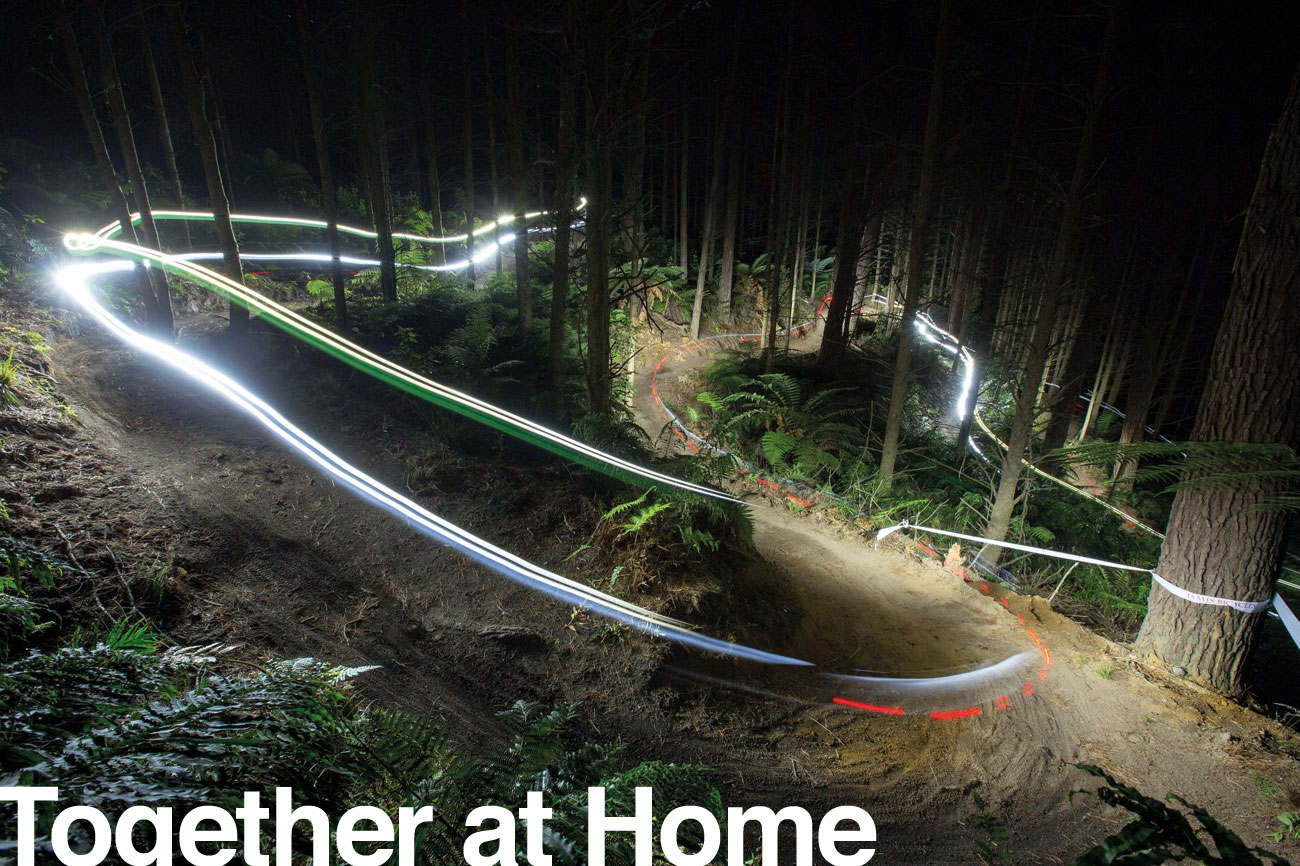
Blazing a trail
In 1994, the first Moonride mountain-bike race was held in Rotorua, an event which has followed the growing popularity and evolution of the sport.
Read more...
|
|
|
|
| |

|
Talking points
Discuss the ideas presented in the story with your family—at home or over video conferencing. Find ways to involve as many people as possible, especially those who you know are isolated by the lock-down. - Looking through the photos, does it look like fun to ride through the forest? Do the trails look like something you’d want to ride on in the daytime? What about in the dark?
- The 1886 eruption of Mt Tarawera resulted in a layer of tephra being deposited on the ground that is now the Whakarewarewa forest. If you don’t already know, find out what tephra is. Why do you think it made a good base for forest to grow from?
- Adam King started helping to dig trails in the forest when he was 10 years old. Why do you think physical work like this can sometimes be enjoyable? Would it change the way a 10 year old felt about riding the trail if they had helped to build it?
- The original Moonrides were held in July - the “coldest, baddest month of the year… the meanness of it was part of the attraction.” Why do you think that in a strange way the cold, harsh weather made the ride more popular?
- One rider says the competition is “meditative…When you’re riding the trails you can’t think about anything else.” What does he mean by ‘meditative?’ What activities have you experienced that allow you to experience the kind of feeling where you can’t think about anything else?
|
|
|
|
|
|
| |
![145_Viewpoint_shutterstock_227311084-[Converted]](https://cdn.nzgeo.tv/2017/04/145_Viewpoint_shutterstock_227311084-Converted-336x336.jpg)
|
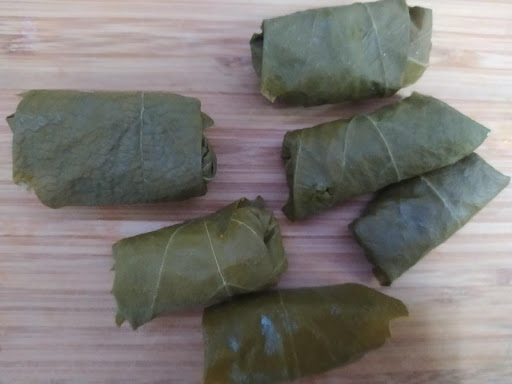
Activity: Make stuffed grapevine leaves
At this time of year, grapevines are sending forth massive amounts of new growth. Their edible and nutritious leaves can be harvested to make a Greek dish called dolmades. You will need: - Grape leaves (about 30)
- ½ cup rice
- A chopped onion
- ½ cup olive oil
- 1 cup warm water
- 1 lemon
- A frying pan or large pot
- A dinner plate
Step One: Gather some leaves from a grapevine. At this time of year there will be baby bunches of grapes. Pick any of the leaves that are growing beyond the bunch. Step Two: Rinse and blanch the leaves (cook briefly in boiling water.) Saute the onion in olive oil. Add the rice and saute for one minute. Pour in the warm water and a squeeze of lemon juice. Once the rice has absorbed the water you can add some salt and pepper if you want to. Set aside to cool. Step Three: Place a teaspoonful of the rice and onion mixture on a blanched grape leaf and fold the bottom ends of the leaf up over the rice. Wrap the sides in over the rice one at a time. Roll from the bottom up until you have neat parcels. Put all your dolmades into a frying pan or large pot and cover them with water and a drizzle of olive oil. Place an upside-down dinner plate on top of the dolmades to hold them in place and bring them to the boil. Let them simmer for 30 minutes then drain and let cool. Drizzle with more olive oil and a squeeze of lemon juice and enjoy as finger food. Step Four: Fold the sides of the grape leaf over, one on top of the other. Roll the dolmade up from the bottom to the top. Send us a picture of your stuffed grapevine leaves!
|
|
|
|
|
|
| |
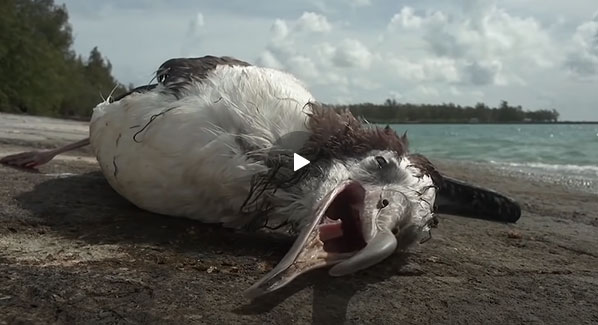
Tears of the albatross
Imagine finding an ailing Southern Albatross washed up on your local beach. When this happened to a North Island family they took it to the vet, who was unable to save the bird. A water bottle, like the ones we see littering our kerbs every day, was found in its stomach. The bare incongruity of a hard plastic bottle inside the stomach of such a majestic bird makes this video a compelling, if confronting watch. Watch the video, then ask yourself; what cultural shifts need to happen to move our society away from our convenience-first mindset? What do you see as the primary drivers – political or personal decisions? What kind of experiences or information will impel people to change their consumption habits?
|
|
|
|
| |
What is Together at Home?
New Zealand Geographic started Together at Home at the beginning of the first lockdown in 2020. It was hit with parents, and also for grandparents who felt isolated and wanted to join in. It also gave parents themselves some welcome escape. If you're not into it, just hit unsubscribe. If you like it, then send us pictures of what you make and encourage others to join the list on the Together at Home hub. It will be coming your way every day of the lockdown.
As the rest of the country is no longer in lockdown we filtered the list to include only email addresses in Auckland, or for which we could not verify the location. If you're not in Auckland or do not want it, no worries, just hit unsubscribe. |
|
|
|
| |
How do NZGeo digital subs work?
You can access three items per month totally free on NZGeo.com, and thereafter it costs $1 per week for a digital subscription. (We bill $8.50 every two months to a credit card, or $50/year if you prefer.) A digital subscription gives you access to more than 10,000 stories and 400 hours of natural history documentaries on-demand, on any device.
|
|
|
|
|
|