|
| |
Deep trouble
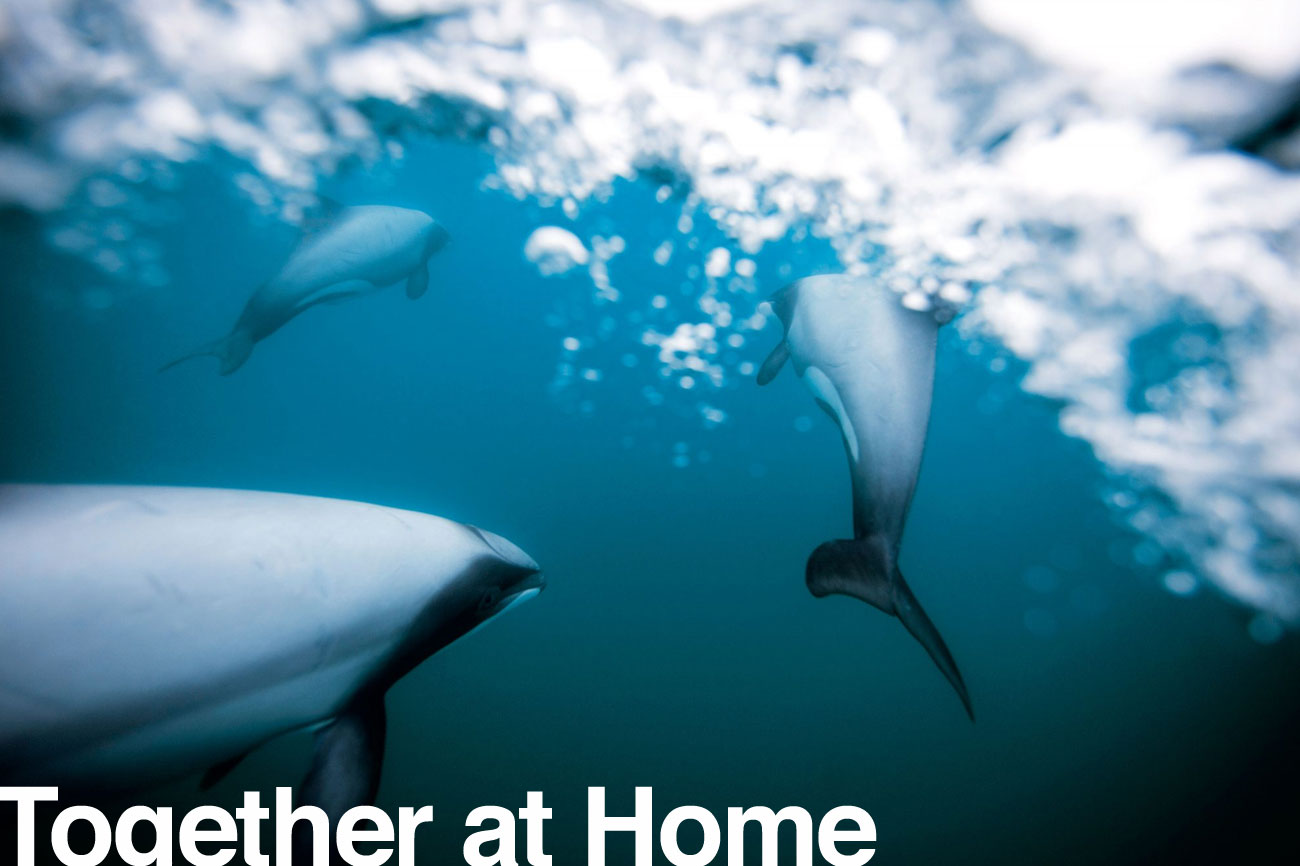
The world’s smallest, rarest dolphin lives in New Zealand. After the expansion of gill-netting in 1970, the population and range of Hector’s dolphin diminished rapidly. One extremely isolated subspecies, Māui dolphin, now numbers barely 100 individuals. Yet science has revealed that the species may yet recover, even from the brink of oblivion.
Read more...
|
|
|
|
| |

|
Talking points
Discuss the ideas presented in the story with your family—at home or over video conferencing. Find ways to involve as many people as possible, especially those who you know are isolated by the lock-down. - Before reading the article, did you know where Hector’s and Maui’s dolphins live? Had you heard of Hector’s and Maui’s dolphin or know that they are among the world’s smallest, rarest dolphins? What other dolphin species do you know of?
- Looking at the photos, what do you notice about how the dolphins look different to other species of dolphin you may have seen, or seen photos of, such as common dolphins?
- How would you describe the effect of seeing the four dolphins caught in nets? Did you know that dolphins are caught in nets around the New Zealand coastline? How do you think this ends up happening?
- The article says that human New Zealanders share more genetic material with dolphin than any other endemic species. Can you explain why this might be?
- “In a world without nets inside the known range of Hector’s dolphins, the entire population, every group nationwide, would recover to around 15,000 individuals—half of the population size before gill-netting became widespread. And it would take just 39 years.” Banning gill-netting seems like a good idea - what might slow down legislative changes to ban it?
|
|
|
|
|
|
| |
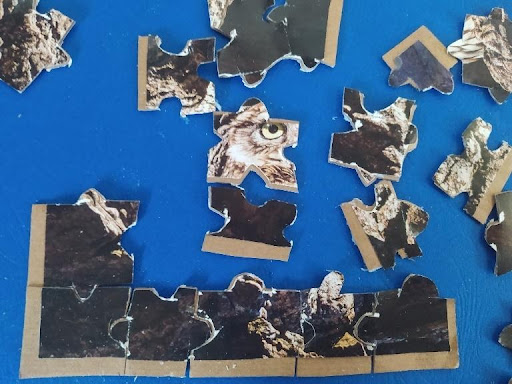
Activity: Home-made Jigsaw
Have you ever tried making your own jigsaw puzzle? You could make one for a friend and drop it into their letterbox for a surprise. You will need: - A magazine picture
- Medium-weight cardboard
- Scissors or craft knife
- Glue
- Pencil
- Eraser
Step One: Find a picture you like and carefully cut around it. Glue it onto cardboard. Make sure you put glue over the entire back of the picture as when you cut out your jigsaw, you want it to stay stuck down on every piece. Step Two: Turn the cardboard over and draw on puzzle pieces with a pencil. The bigger you make the pieces, the better it will turn out. Step Three: Cut carefully around your pencil markings, using scissors or a craft knife. Put all the pieces into a ziplock bag and give the puzzle to someone else to do! Send us a picture of you jigsaw puzzle!
|
|
|
|
|
|
| |
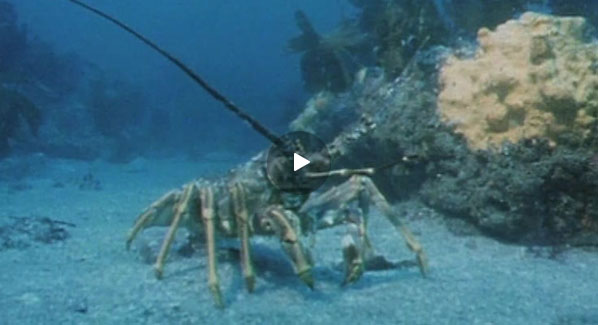
Tale of the Crayfish
The crayfish comes to life as a lovable, intelligent, bristly-armoured character in this Wild South documentary. We learn about their hauntingly beautiful breeding rituals and the long marches of the adults. Watch the video, then ask yourself; how do you see crayfish as a resilient species in this documentary? How do you see them as vulnerable? In the time since this documentary was made, do you think crayfish populations have fared better or worse?
|
|
|
|
| |
What is Together at Home?
New Zealand Geographic started Together at Home at the beginning of the first lockdown in 2020. It was hit with parents, and also for grandparents who felt isolated and wanted to join in. It also gave parents themselves some welcome escape. If you're not into it, just hit unsubscribe. If you like it, then send us pictures of what you make and encourage others to join the list on the Together at Home hub. It will be coming your way every day of the lockdown.
As the rest of the country is no longer in lockdown we filtered the list to include only email addresses in Auckland, or for which we could not verify the location. If you're not in Auckland or do not want it, no worries, just hit unsubscribe. |
|
|
|
| |
How do NZGeo digital subs work?
You can access three items per month totally free on NZGeo.com, and thereafter it costs $1 per week for a digital subscription. (We bill $8.50 every two months to a credit card, or $50/year if you prefer.) A digital subscription gives you access to more than 10,000 stories and 400 hours of natural history documentaries on-demand, on any device.
|
|
|
|
|
|

![145_Viewpoint_shutterstock_227311084-[Converted]](https://cdn.nzgeo.tv/2017/04/145_Viewpoint_shutterstock_227311084-Converted-336x336.jpg)