|
| |
A tale of two currents
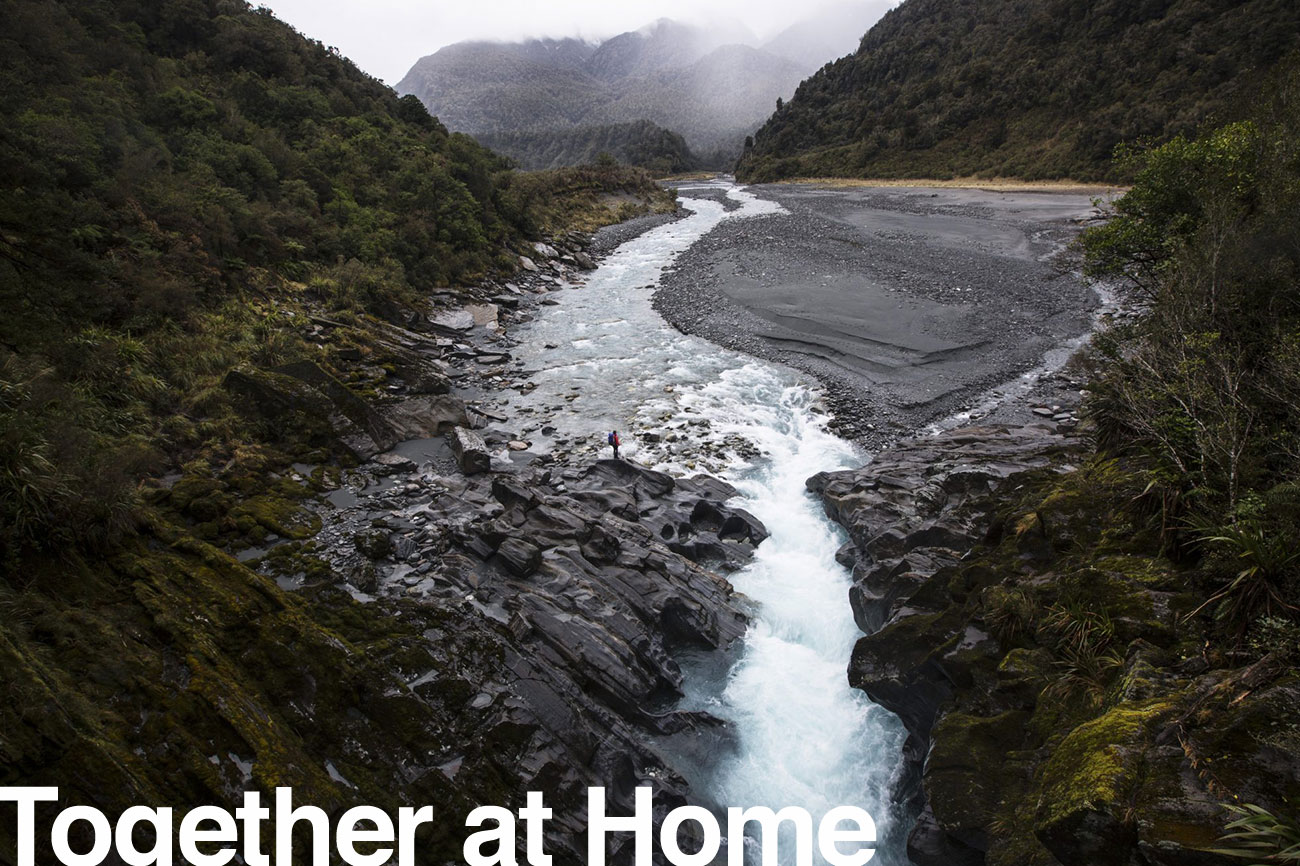
Morgan Gorge, a spectacular chasm on the South Island’s West Coast, is a showpiece of whitewater power. Although it has been paddled by fewer than a dozen people, it is the aspiration of kayakers here and around the world to tackle its supreme challenge. If the Minister of Conservation grants a concession to electricity company Westpower to build a hydro-generation scheme on the Waitaha River—as she says she intends to do—Morgan Gorge will become an emaciated trickle for much of the year. Opponents say this would be an environmental tragedy and a cultural loss, tantamount to building a windfarm on the summit of Aoraki/Mt Cook.
Read more...
|
|
|
|
| |

|
Talking points
Discuss the ideas presented in the story with your family—at home or over video conferencing. Find ways to involve as many people as possible, especially those who you know are isolated by the lock-down. - Looking through the photos, does this look like the kind of place you would like to go? What kind of risks would you have to be prepared for? What would you most look forward to? What would you be apprehensive about?
- Looking at the standfirst (the words under the title) check your understanding of vocabulary. What is a chasm? What is meant by an ‘emaciated trickle?’ What does it mean to be ‘tantamount to’ something?
- If the hydropower scheme went ahead, the river would be reduced to 10% of its flow – a “remnant trickle” that would “provide life support for aquatic creatures.” Does 10% sound like it would be adequate to you? What do you know about the habitat preferences of the blue duck/whio? Would this species cope with a 90% reduction in water?
- Only one percent of the world’s rivers remain in their natural state. What might be advantages to New Zealand protecting the rivers that are not yet altered by technology? Would the personality of a river change after it was impacted by a hydro-dam? Do you think we have any kind of moral obligation to allow natural places to retain the form and personality they had before humanity began to interact with them?
- The writer says that for kayakers, removing the flow of the Morgan Gorge would be like “ripping the last chapter out of a thriller.” What do you think he means by this comparison?
|
|
|
|
|
|
| |
![145_Viewpoint_shutterstock_227311084-[Converted]](https://cdn.nzgeo.tv/2017/04/145_Viewpoint_shutterstock_227311084-Converted-336x336.jpg)
|
Activity: Nature Journaling
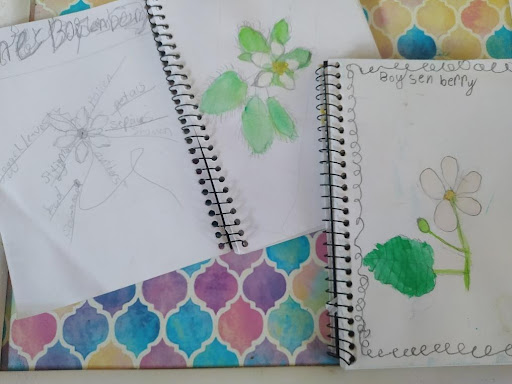
It’s great fun to go outside with a pencil and paper to do some careful observation and sketching. If you have some watercolour paints, coloured pencils or crayons you can take these too and add some colour. You will need: - Paper (either loose paper, or a journal-sized blank book)
- A pencil
- An eraser
- Something to press on while you’re outside
- Coloured pencils, crayons or a palette of watercolours and a brush (optional)
Step One: Collect your materials and head outside. Find a plant or animal to look closely at and draw. It could be anything –even a clump of daisies or some grasses in the pavement would be perfect. If you choose something big like a bush or tree, it works well to choose one small part, such as one sprig of leaves or one flower, to draw. Step Two: Make a drawing that is as detailed as you can make it. Add some colour and a title if you want to. Step Three: Add any notes that you can. Are the leaves serrated or smooth? Hairy or shiny? If it’s a plant, are there any insects on it? If it’s an animal you’re drawing, what is it doing? You might like to add a border or find out the Latin name for what you were drawing. Send us a picture of you nature journaling!
|
|
|
|
|
|
| |
Small Business and the Environment
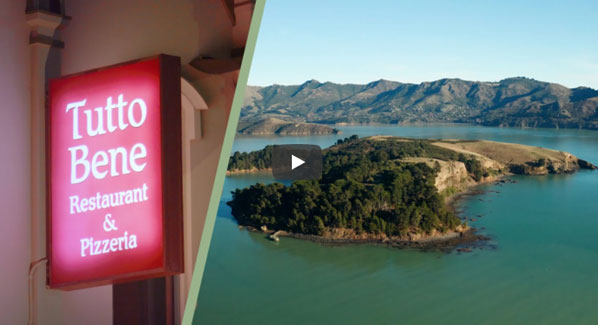
Warren Begley and his family are proud the proud kaitiaki of two Otautahi/Christchurch restaurants – Tutto Bene and Formaggio’s. Their restaurants are carbon neutral and they are significant donors to a restoration project on Quail Island. Begley urges us to think about legacy; to figure out what’s important to us and to be ambitious. Watch the video, then ask yourself; thinking about what Warren Begley calls “the future beyond your life,” what are one or two ambitions that could be a good fit for the things you are passionate about?
|
|
|
|
| |
What is Together at Home?
New Zealand Geographic started Together at Home at the beginning of the first lockdown in 2020. It was hit with parents, and also for grandparents who felt isolated and wanted to join in. It also gave parents themselves some welcome escape. If you're not into it, just hit unsubscribe. If you like it, then send us pictures of what you make and encourage others to join the list on the Together at Home hub. It will be coming your way every day of the lockdown.
As the rest of the country is no longer in lockdown we filtered the list to include only email addresses in Auckland, or for which we could not verify the location. If you're not in Auckland or do not want it, no worries, just hit unsubscribe. |
|
|
|
| |
How do NZGeo digital subs work?
You can access three items per month totally free on NZGeo.com, and thereafter it costs $1 per week for a digital subscription. (We bill $8.50 every two months to a credit card, or $50/year if you prefer.) A digital subscription gives you access to more than 10,000 stories and 400 hours of natural history documentaries on-demand, on any device.
|
|
|
|
|
|