|
| |
Thick and thin
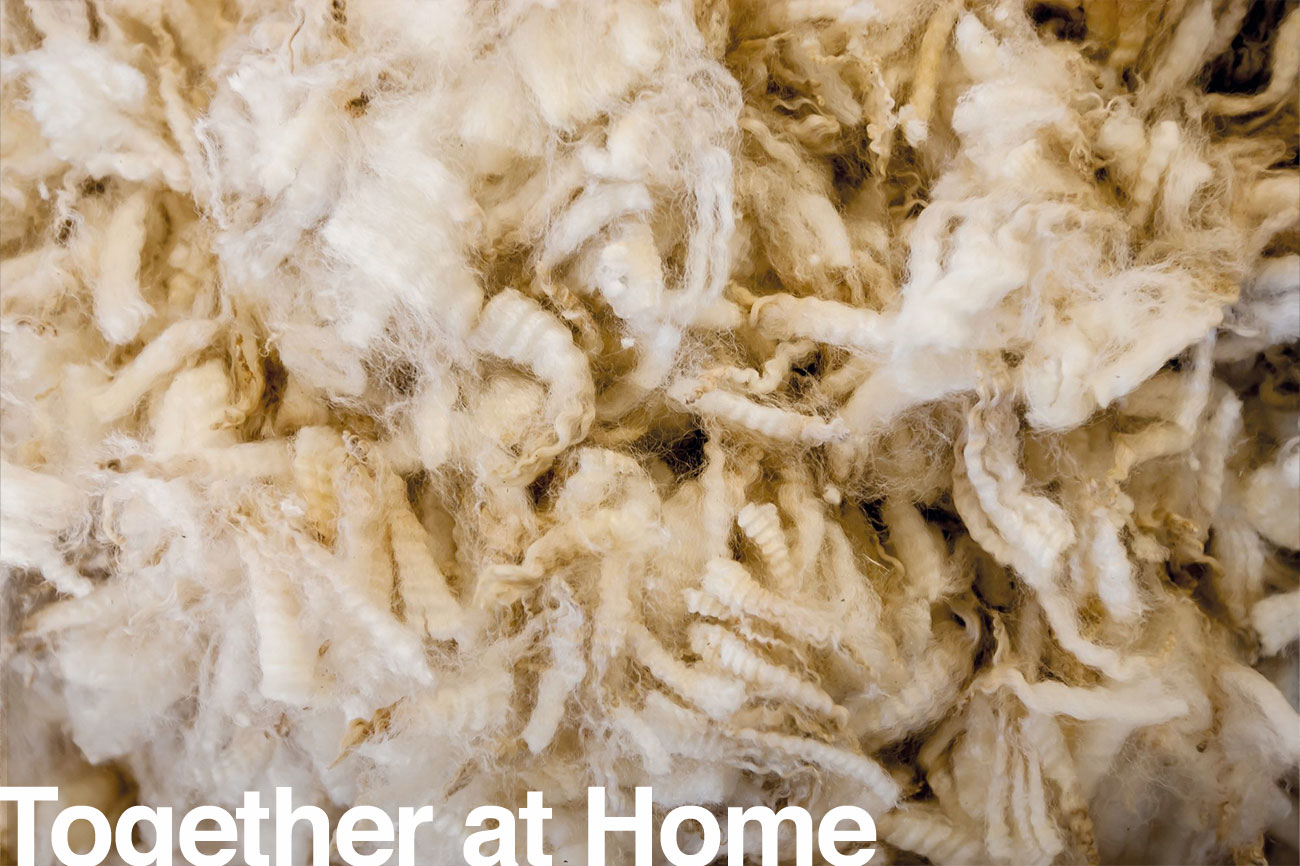
New Zealand’s economy was built on ‘the back of a sheep’, but in recent decades, the fortunes of wool have been largely eclipsed by the dairy industry. The twin strands of the fine- and coarse-wool industries have taken diverging paths, focusing on the economic challenge of adding value in New Zealand, rather than exporting the raw material. Will wool rebound?
Read more...
|
|
|
|
| |

|
Talking points
Discuss the ideas presented in the story with your family—at home or over video conferencing. Find ways to involve as many people as possible, especially those who you know are isolated by the lock-down. - Are you lucky enough to own any merino clothing? Did you know that “merino” is a type of sheep and that merino clothes come from sheep’s wool? What makes merino sheep’s wool more expensive than other types of sheep’s wool?
- After reading about the origins of merino sheep, can you say in your own words how the merino breed originally came from Africa but ended up in New Zealand?
- In South Island high country, “expanses of native grasses provided an ideal beachhead for sheep to get established.” With the benefit of hindsight, today we might think twice before allowing animals to graze on native grasses. What might have been some of the consequences of mass grazing on tussock grasslands?
- The article says that wool is marketed as a premium product in most countries but undervalued in New Zealand because for so long, we were so surrounded by wool (and sheep) that we thought little of it. Do you think we are starting to value wool again? Do you think our attitude to it will change?
- What ideas do you have for new ways we could use wool, given that it is warm and light, doesn’t hold odours, is relatively waterproof and totally compostable?
|
|
|
|
|
|
| |
![145_Viewpoint_shutterstock_227311084-[Converted]](https://cdn.nzgeo.tv/2017/04/145_Viewpoint_shutterstock_227311084-Converted-336x336.jpg)
|
Activity: Have a Foot Bath
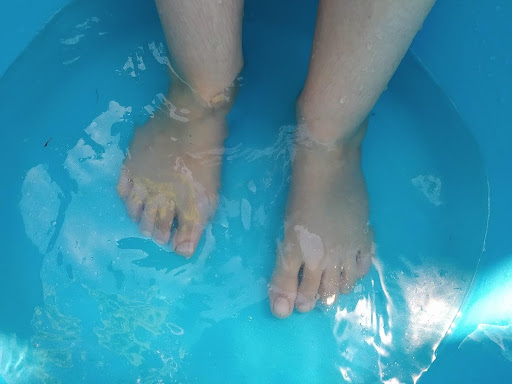
Enjoy some luxury by spending a few minutes with your feet in an Epsom Salts foot bath. You’ll feel fantastic! This is a lovely thing to do for a hard-working person in your family, too! Epsom salts sooth aching, tired feet and reduce swelling. You will need: - Epsom salts (you can buy a bag of these at the supermarket or pharmacy for about $3)
- Warm water
- A bucket or tub you can put your feet in
- Something fragrant – mint, lemon, rosemary or essential oil will all work
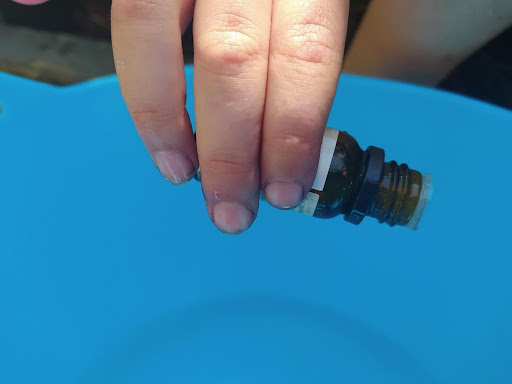
Step One: Pour ¼ cup Epsom salts into the basin, then add several litres of warm water. Swish the Epsom salts around with your hand to dissolve them. Add something that will release a relaxing fragrance into the water. You might like to try lavender flowers, a sprig of rosemary or mint, chopped lemon rinds or 8-10 drops of an essential oil. Step Two: Put your feet in the tub and relax! Put on some relaxing music or sit outside in the shade where you can listen to the birds if you want to. You can also place a rug or towel over your knees while you soak your feet to give you an added feeling of comfort, even if it’s a warm day. Step Three: If you’re giving someone else a foot bath, maybe you could offer to give them a hand massage or scalp massage while they have their foot bath, for maximum relaxation! Send us a picture of you having a foot bath!
|
|
|
|
|
|
| |
Refill Nation
Jackson Mulligan started Refill Nation, a bulk bin store in West Auckland. In this video he reflects on how his shop acts as a place of connection and empowerment for ordinary people who are not necessarily eco-warriors but who are on a journey to reducing waste. Watch the video, then ask yourself; how do you see Refill Nation functioning as a place of connection for its community? Are there discernible differences between a shopping experience like this and that at the larger supermarket? What kind of change might these differences inspire? Are stores like this something that could impact all socio-economic groups or are they the preserve of the privileged?
|
|
|
|
| |
What is Together at Home?
New Zealand Geographic started Together at Home at the beginning of the first lockdown in 2020. It was hit with parents, and also for grandparents who felt isolated and wanted to join in. It also gave parents themselves some welcome escape. If you're not into it, just hit unsubscribe. If you like it, then send us pictures of what you make and encourage others to join the list on the Together at Home hub. It will be coming your way every day of the lockdown.
As the rest of the country is no longer in lockdown we filtered the list to include only email addresses in Auckland, or for which we could not verify the location. If you're not in Auckland or do not want it, no worries, just hit unsubscribe. |
|
|
|
| |
How do NZGeo digital subs work?
You can access three items per month totally free on NZGeo.com, and thereafter it costs $1 per week for a digital subscription. (We bill $8.50 every two months to a credit card, or $50/year if you prefer.) A digital subscription gives you access to more than 10,000 stories and 400 hours of natural history documentaries on-demand, on any device.
|
|
|
|
|
|