|
| |
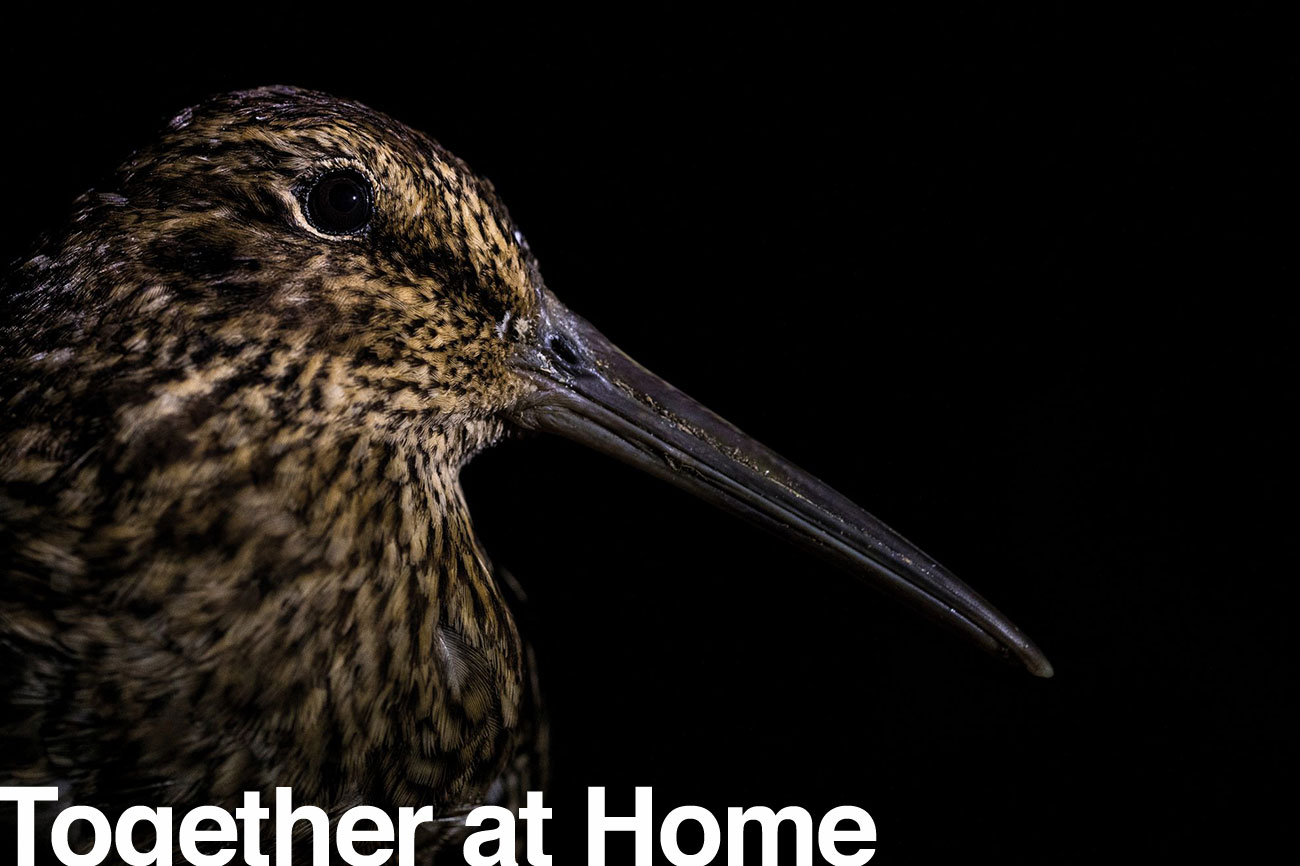
The hunting of the snipe
An unlikely crew is given the assignment of catching birds in butterfly nets on a weather-beaten subantarctic island.
Read more...
|
|
|
|
| |

|
Talking points
Discuss the ideas presented in the story with your family—at home or over video conferencing. Find ways to involve as many people as possible, especially those who you know are isolated by the lock-down. - Did you know there was a family of birds called ‘snipe’ in New Zealand? Looking at the pictures, what birds do they remind you of? What do you find interesting or appealing about them?
- How does sailing over six-metre swells for several days sound to you? What might six metre waves look like from a small vessel? Can you think of anything that’s six metres, to compare the size of these waves to?
- Snipe “beetle around on the ground like a mini-kiwi” and they must be chased through the bush with a butterfly net in order to be caught. Looking at the photo of the man in the tangle of trees, can you imagine what a difficult job “snipe hunting” is?
- Are you surprised by the stress which is caused by a shortage of mealworms, or the ways which this problem is resolved? How might the story of Don Merton and his team’s failure to find enough invertebrates to feed their translocated snipe have weighed heavily on the team’s minds?
- Do you like the photo of the pouwhenua, Hinekete, watching as DOC ranger Ros Cole carries the translocated snipe to their new home? What kinds of thoughts or actions or beliefs do you think pouwhenua might help people to connect with?
|
|
|
|
|
|
| |
![145_Viewpoint_shutterstock_227311084-[Converted]](https://cdn.nzgeo.tv/2017/04/145_Viewpoint_shutterstock_227311084-Converted-336x336.jpg)
|
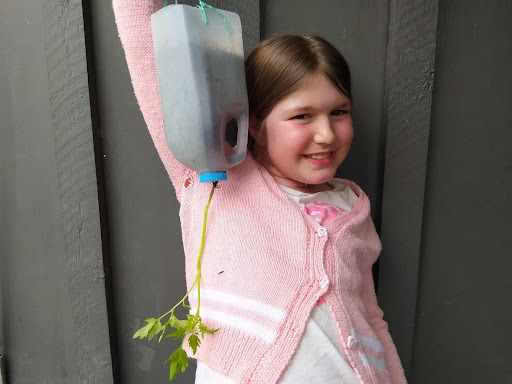
Activity: Make an Upside-Down Planter
If you’re running short on space to plant vegetables, you might find it useful to try a method of planting that uses the air instead of ground space –upside down planters! Tomatoes, cucumbers and many other vegetables will grow happily upside down, so long as you keep their roots from drying out, as you would with any other potted plant. You will need: - A vegetable seedling such as a tomato
- An empty milk or drink bottle
- Strong scissors
- String
Step One: Cut a keyhole-shaped hole in the bottle lid. Cut the flat bottom from the milk bottle. Step Two: Carefully place the seedling into the mouth of the bottle, roots first. Put the bottle lid onto the bottle, taking care not to damage the seedling’s fragile stem as you do so. Step Three: Cut slits in two sides of the bottle and thread string through these to form a handle. Knot them securely. Carefully fill the bottle with potting mix. Give your new hanging plant a good water and hang it somewhere sunny. Remember to water it daily! Send us a picture of your upside-down planter!
|
|
|
|
|
|
| |
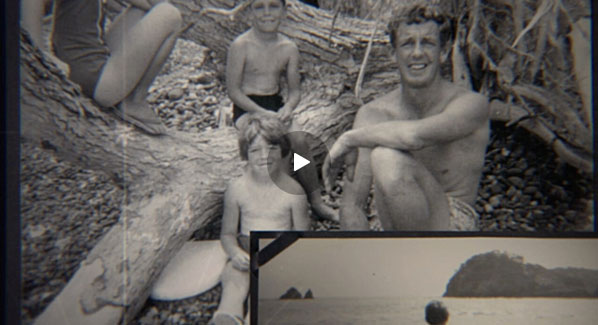
A song for the Noises
Sue Neureuter’s family has holidayed on the Hauraki Gulf’s Noises Islands since the 1930s. Her mother’s diaries and family stories reveal a Gulf that was once brimming with life and a shift, in three generations, toward almost none. Sue describes a now-empty rock pool in which there were once “lots of crabs and all sorts of fish in there – seaweed and kelp and sponge.” Watch the video, then ask yourself; does this image of the empty rock pool strike a chord with you? Do you remember rock pools with life in them and have you experienced any disappointment in looking for this in recent years? Do rock pools seem particularly emblematic of a loss of diversity, because of their association with childhood discovery?
|
|
|
|
| |
What is Together at Home?
New Zealand Geographic started Together at Home at the beginning of the first lockdown in 2020. It was hit with parents, and also for grandparents who felt isolated and wanted to join in. It also gave parents themselves some welcome escape. If you're not into it, just hit unsubscribe. If you like it, then send us pictures of what you make and encourage others to join the list on the Together at Home hub. It will be coming your way every day of the lockdown.
As the rest of the country is no longer in lockdown we filtered the list to include only email addresses in Auckland, or for which we could not verify the location. If you're not in Auckland or do not want it, no worries, just hit unsubscribe. |
|
|
|
| |
How do NZGeo digital subs work?
You can access three items per month totally free on NZGeo.com, and thereafter it costs $1 per week for a digital subscription. (We bill $8.50 every two months to a credit card, or $50/year if you prefer.) A digital subscription gives you access to more than 10,000 stories and 400 hours of natural history documentaries on-demand, on any device.
|
|
|
|
|
|