|
| |
The 147th year at Castlepoint
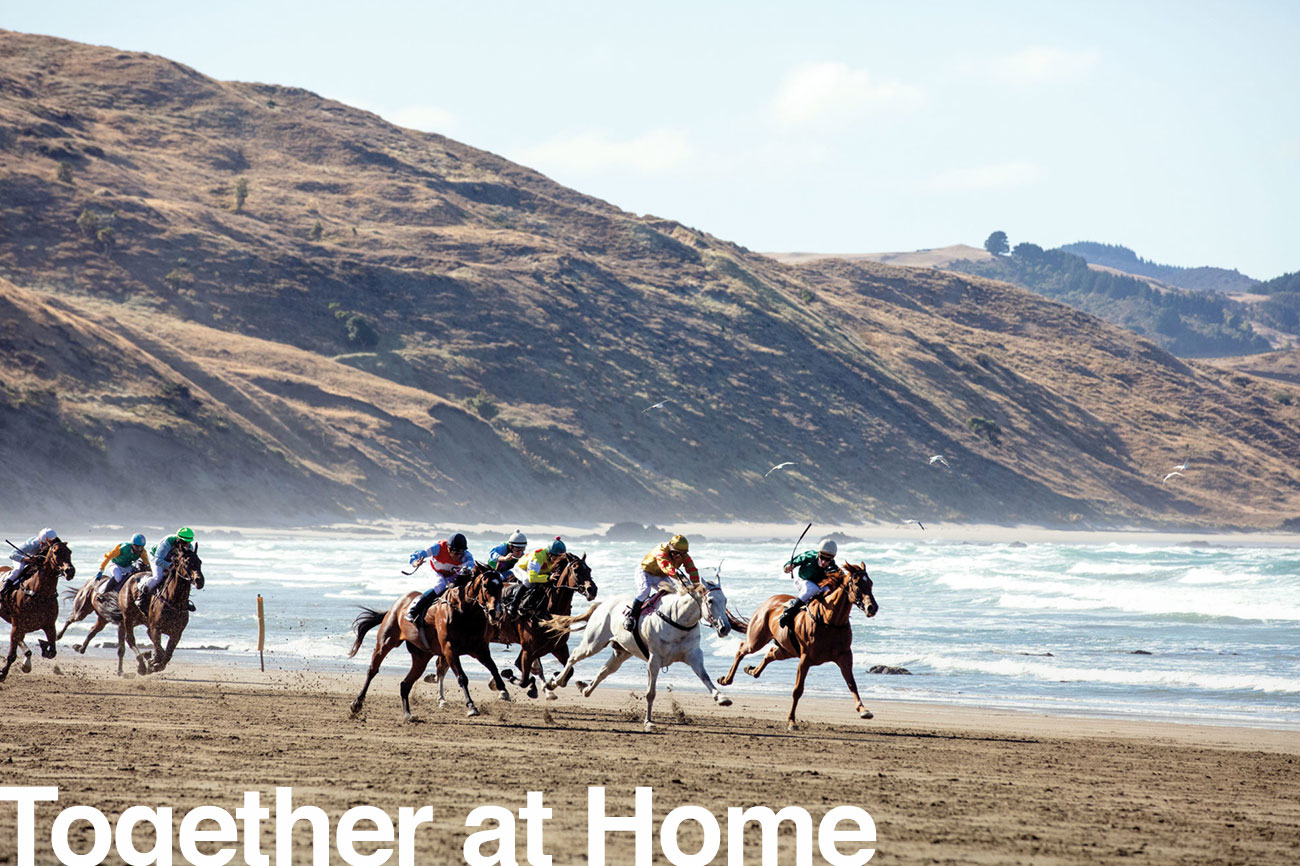
Freelance jockeys, keen spectators, farming families with station hacks and horse trainers with thoroughbreds descend on the Wairarapa every autumn to take part in one of New Zealand’s longest-running events.
Read more...
|
|
|
|
| |

|
Talking points
Discuss the ideas presented in the story with your family—at home or over video conferencing. Find ways to involve as many people as possible, especially those who you know are isolated by the lock-down. - Looking at the top photo, what can you deduce about the annual horse-races at Castlepoint Beach in the Wairarapa? What might be exciting about riding a horse at this event? What might be fun about watching the races?
- The article lists some of the calamities that have taken place at the Castlepoint races. What are some of the variables that planners and riders should consider before they decide whether it’s safe enough to go ahead?
- “Hoofs pummel the wet beach. Sand flies. Nostrils flare. Riders hover over saddles. The easterly wind flattens colourful silk shirts against lithe bodies.” How does the writer use words cleverly to make this description of the race come alive for us?
- We learn that when the races first started in the 19th century, riding horses was “a way of life. There weren’t any vehicles. Horseback was how you got to school, work, anywhere really.” Do you think you would have liked to live in this time in history? What would be some of the advantages and disadvantages of life before vehicles?
- In the photos and in the description of the races, we learn about people of all ages who enjoy the event. Lots of people come back year after year and adults return having been taken there as children. What could be a good thing about events that include children, rangatahi, adults and elderly people? Do you think we have many opportunities to mingle together like this in our society or would you like to see more?
|
|
|
|
|
|
| |
![145_Viewpoint_shutterstock_227311084-[Converted]](https://cdn.nzgeo.tv/2017/04/145_Viewpoint_shutterstock_227311084-Converted-336x336.jpg)
|
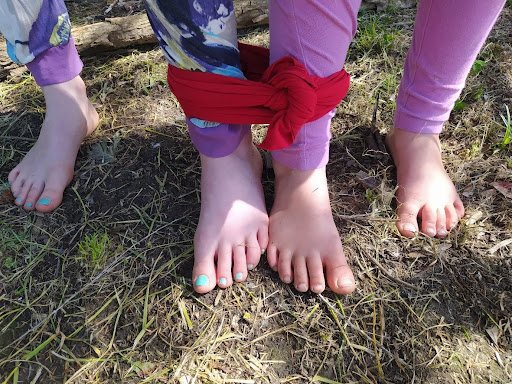
Activity: Three-Legged Race
On your marks, get set, go! Try one of the events that kids love at Castlepoint – a three-legged race! Even if you only have one other person to run with you can hone your skills and have a great time. You will need: - A strip of old t-shirt or something stretchy like it
- Two people
- Some flat ground – grass is best (in case you fall over)
- A start and finish line
Step One: Stand beside the other person in your pair. Tie your inside legs together with your stretchy fabric strip. Put your arms around each other’s shoulders or waists.
Step Two: Try walking, then running together. You need to move your inside legs at the same time. Keep practicing until you have a good rhythm.
Step Three: If you have four or more people, you can race another pair of three-legged runners. You could also have a go at an egg and spoon race. Each person gets a golf ball or similar-sized ball (the ‘egg’) and a spoon. Hold it out while you race each other to the finish line, trying to keep the ball on your spoon.
Send us a picture of you in a three-legged race!
|
|
|
|
|
|
| |
Spotting Rosellas
In this video we learn about the colourful Rosella that was introduced to New Zealand as a caged bird in the 19th century, becoming established throughout much of the North Island. Watch the video, then ask yourself; are you a fan of the chatty, bright Rosella or would you be happy if they’d remained in their native Australia?
|
|
|
|
| |
What is Together at Home?
New Zealand Geographic started Together at Home at the beginning of the first lockdown in 2020. It was hit with parents, and also for grandparents who felt isolated and wanted to join in. It also gave parents themselves some welcome escape. If you're not into it, just hit unsubscribe. If you like it, then send us pictures of what you make and encourage others to join the list on the Together at Home hub. It will be coming your way every day of the lockdown.
As the rest of the country is no longer in lockdown we filtered the list to include only email addresses in Auckland, or for which we could not verify the location. If you're not in Auckland or do not want it, no worries, just hit unsubscribe. |
|
|
|
| |
How do NZGeo digital subs work?
You can access three items per month totally free on NZGeo.com, and thereafter it costs $1 per week for a digital subscription. (We bill $8.50 every two months to a credit card, or $50/year if you prefer.) A digital subscription gives you access to more than 10,000 stories and 400 hours of natural history documentaries on-demand, on any device.
|
|
|
|
|
|