|
| |
Run for your life
In the 1960s, New Zealander Arthur Lydiard introduced the concept of jogging to the world and sparked a global revolution towards fitness and well-being. Running became the most popular participation sport on the planet, but also the cause of numerous preventable injuries. Now, new scientific evidence and an emerging movement of ‘natural running’ serve to reinforce Lydiard’s original vision of the sport—the ultimate regimen for “a healthy, vigorous life”.
Read more...
|
|
|
|
| |

|
Talking points
Discuss the ideas presented in the story with your family—at home or over video conferencing. Find ways to involve as many people as possible, especially those who you know are isolated by the lock-down. - Did you know that running / jogging has not always been a recreational activity? Did you know that a New Zealander, Arthur Lydiard, came up with the idea and made it popular? When / why might people have run prior to the 1960s when jogging “started?”
- Have you heard of “the runner’s high”? The writer describes enjoying “the sensations of running—the cooling breeze against the skin, the views, the whiffs of sun-dried wild thyme, the mesmeric rhythm of my footfalls.” Can you relate to this or imagine why people might enjoy running, or does it all sound crazy to you?
- If you don’t already know some of these names from the “golden era of New Zealand running” – see if you can find out about Murray Halberg, Peter Snell and Barry Magee.
- Arthur Lydiard started jogging clubs which were popular with unfit middle-aged people. From reading about these clubs, what do you think made them such a success?
- Reading about the way running shoes have both changed the way we run and caused an epidemic of injuries, do you feel inspired to try barefoot running?
|
|
|
|
|
|
| |
![145_Viewpoint_shutterstock_227311084-[Converted]](https://images.nzgeo.com/2017/04/145_Viewpoint_shutterstock_227311084-Converted-1300x1300.jpg)
|
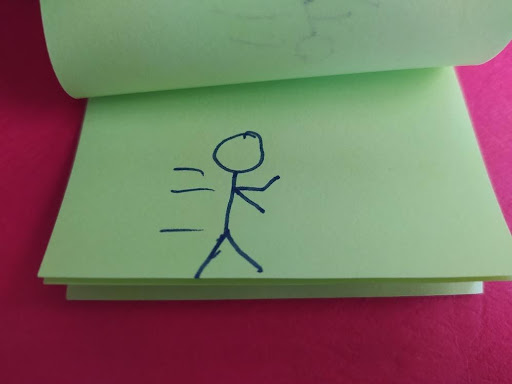
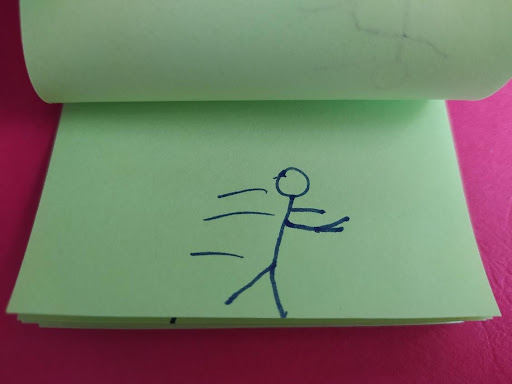
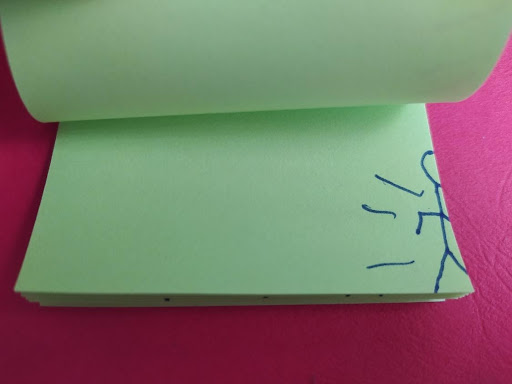
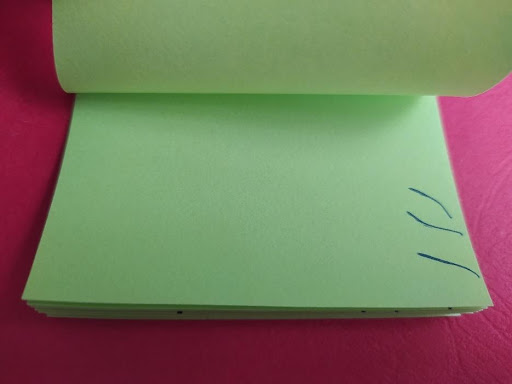
Activity: “Running Kid” flip book
A flip book creates the illusion of a moving image when you “flip” through the pages. Have a go at this simple “movie” on paper! You will need: - A wad of post-it notes, or a stack of small papers stapled together at one side
- A pen or pencil
Step One: Starting at the bottom of the wad of papers (on the last paper) draw a stick person in a crouched position, as if they are at the starting line of a running race. Draw close to the bottom of the page. Step Two: Continuing to draw along the bottom of each page, continue to draw a stick person on each page, showing the person standing up then moving along the page to the right, as if they are running off the page. By the time you get to about the 8th page they should have “run off” the page and you can just draw some “speed signs” to show the air rushing by where they’ve run. Step Three: Find someone to show your “movie” to. Ask them to train their eyes on the bottom of the page as you flip so that their eyes are tricked into seeing movement. It should look as though you are watching a simple cartoon of a person running. Send us a picture of your "Running Kid" flip book!
|
|
|
|
|
|
| |
Virtual Reality: Miranda
This beautiful footage takes you much closer than you normally get to the godwits gathered on a sandspit at Miranda. We see a number take off and circle back to the sand.
Watch the video, then ask yourself; what must the Hauraki Plains have been like when there were kahikatea forests, extended wetlands and enormous natural mussel beds in the Firth of Thames?
|
|
|
|
| |
What is Together at Home?
New Zealand Geographic started Together at Home at the beginning of the first lockdown in 2020. It was hit with parents, and also for grandparents who felt isolated and wanted to join in. It also gave parents themselves some welcome escape. If you're not into it, just hit unsubscribe. If you like it, then send us pictures of what you make and encourage others to join the list on the Together at Home hub. It will be coming your way every day of the lockdown.
As the rest of the country is no longer in lockdown we filtered the list to include only email addresses in Auckland, or for which we could not verify the location. If you're not in Auckland or do not want it, no worries, just hit unsubscribe. |
|
|
|
| |
How do NZGeo digital subs work?
You can access three items per month totally free on NZGeo.com, and thereafter it costs $1 per week for a digital subscription. (We bill $8.50 every two months to a credit card, or $50/year if you prefer.) A digital subscription gives you access to more than 10,000 stories and 400 hours of natural history documentaries on-demand, on any device.
|
|
|
|
|
|