|
| |
The black and the green
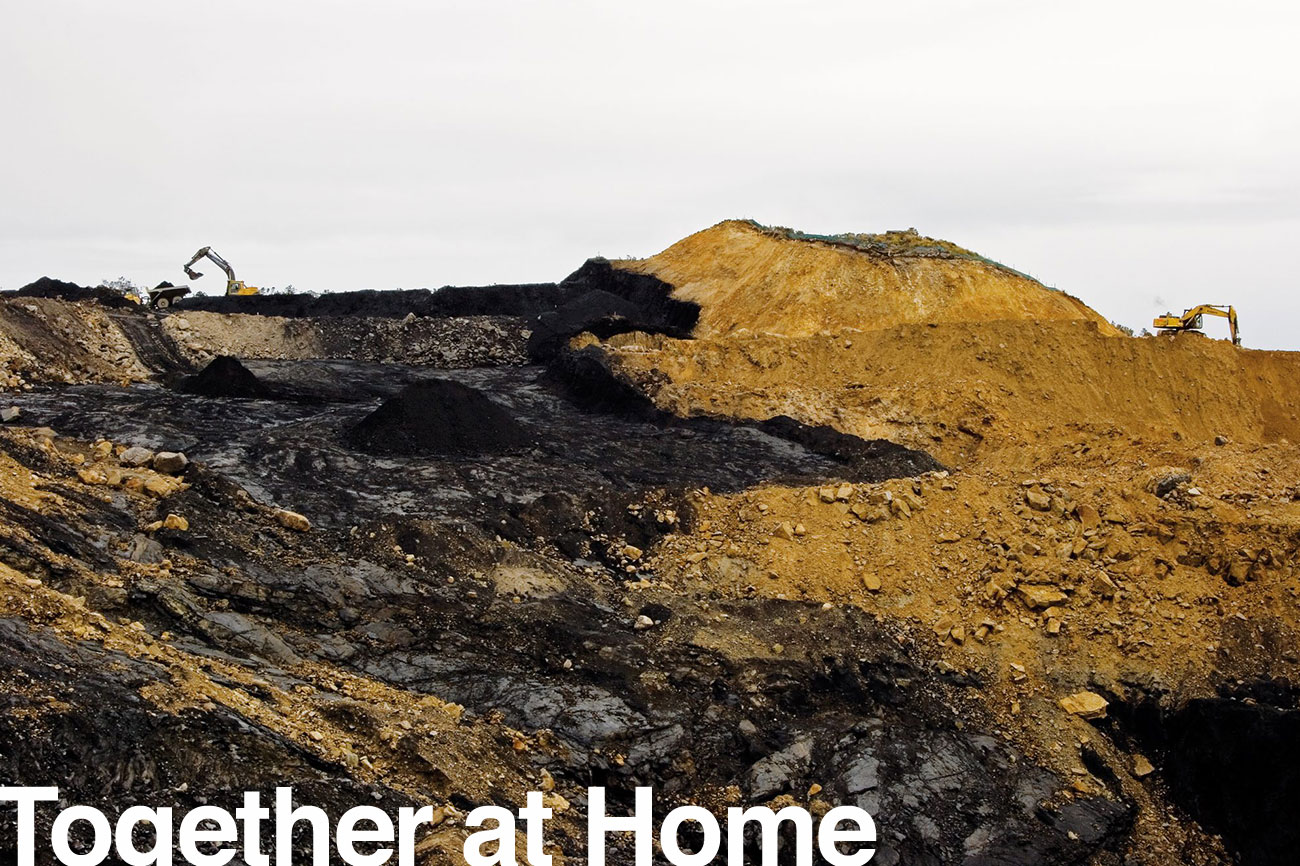
A proposal by Australian-based Bathurst Resources to strip-mine a swathe of conservation land inland of Westport, on the West Coast of the South Island, has once again sparked a clash of cultural priorities. Should the ecological and landscape values of the plateau—a dramatic combination of rock, wetland, subalpine forest and tussock—be jeopardised for the economic benefits of extracting the coal that lies beneath? And should a country that trades on its green image be in the business of mining the planet’s most environmentally unfriendly fuel?
Read more...
|
|
|
|
| |

|
Talking points
Discuss the ideas presented in the story with your family—at home or over video conferencing. Find ways to involve as many people as possible, especially those who you know are isolated by the lock-down. - Looking through the photos, which ones do you find beautiful or interesting? How many of the creatures can you name without reading the captions?
- Are you surprised to see a snail hatching out of a hard shell? Did you know that a snail could live up to 20 years, like the powelliphanta species pictured? Do you think many young New Zealanders know that we have a carnivorous snail and if not, would they find it interesting to find out about? (Powelliphanta slurp up worms from the forest floor.)
- The opening paragraph of this article is amazing – the author is “up to his knees in a forest” that despite its short stature may be hundreds of years old. What kind of conditions would produce such a low-growing forest?
- The writer quotes from late local poet Leicester Kyle, who described the landscape as an “untrod field of singing flowers.” What do you learn about the land from this description? What does the word ”untrod” mean and why might the flowers seem to sing?
- “Names should have some zing to them” – the flatworm is an unexciting name, considering that it is an insanely frightening predator. The writer and photographer consider whether the “Sandstone Anaconda” or the “Copperhead Hell Worm” would be better names for the flatworm they are looking at. How might those names change the public’s attitude towards a species?
|
|
|
|
|
|
| |
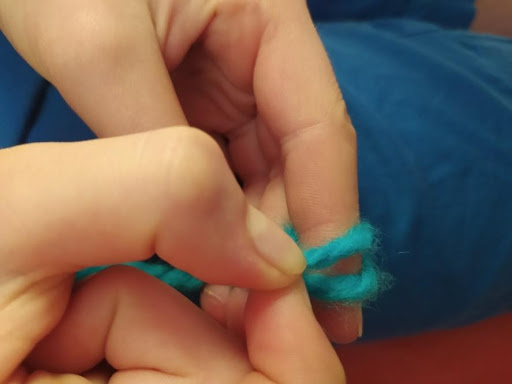
Activity: Finger Knitting
This calm and satisfying form of knitting can be done with only your fingers and a strand of wool! It’s a great way to keep your hands busy while you have to sit still. You will need: - Wool – either real wool or acrylic yarn
- Your fingers
Step One: Tie a slipknot in the wool and slip the loop of the knot over the “pointer” finger on one hand. Step Two: Wind the wool around your pointer in a second loop. Pull the first loop over the top of the second loop and off your finger. Now you should have one loop (the second one) on your finger. Step Three: Repeat the process – making a second loop and dragging/pulling the first one over it and off your finger – until you have a chain of knitting that is a length you are happy with. Tie a knot in the end when you have finished. You can use this knitting to make a belt, a necklace or a thread to hang photos or art from. Send us a picture of your finger knitting!
|
|
|
|
|
|
| |
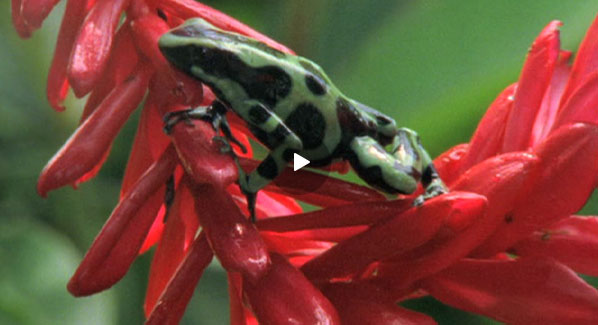
Witches were right about frogs
This video explores the chemicals on a frog or toad’s skin that enable it to live in damp conditions without falling sick or developing fungal infections. Humans have been able to manufacture a synthetic version of these chemicals to assist skin and wound healing.
Watch the video, then ask yourself; why do you think frogs and toads have had such a prominent role in storytelling throughout history? Do they deserve to be thought of as ugly?
|
|
|
|
| |
What is Together at Home?
New Zealand Geographic started Together at Home at the beginning of the first lockdown in 2020. It was hit with parents, and also for grandparents who felt isolated and wanted to join in. It also gave parents themselves some welcome escape. If you're not into it, just hit unsubscribe. If you like it, then send us pictures of what you make and encourage others to join the list on the Together at Home hub. It will be coming your way every day of the lockdown.
As the rest of the country is no longer in lockdown we filtered the list to include only email addresses in Auckland, or for which we could not verify the location. If you're not in Auckland or do not want it, no worries, just hit unsubscribe. |
|
|
|
| |
How do NZGeo digital subs work?
You can access three items per month totally free on NZGeo.com, and thereafter it costs $1 per week for a digital subscription. (We bill $8.50 every two months to a credit card, or $50/year if you prefer.) A digital subscription gives you access to more than 10,000 stories and 400 hours of natural history documentaries on-demand, on any device.
|
|
|
|
|
|

![145_Viewpoint_shutterstock_227311084-[Converted]](https://images.nzgeo.com/2017/04/145_Viewpoint_shutterstock_227311084-Converted-1300x1300.jpg)