|
| |
A delicate balance
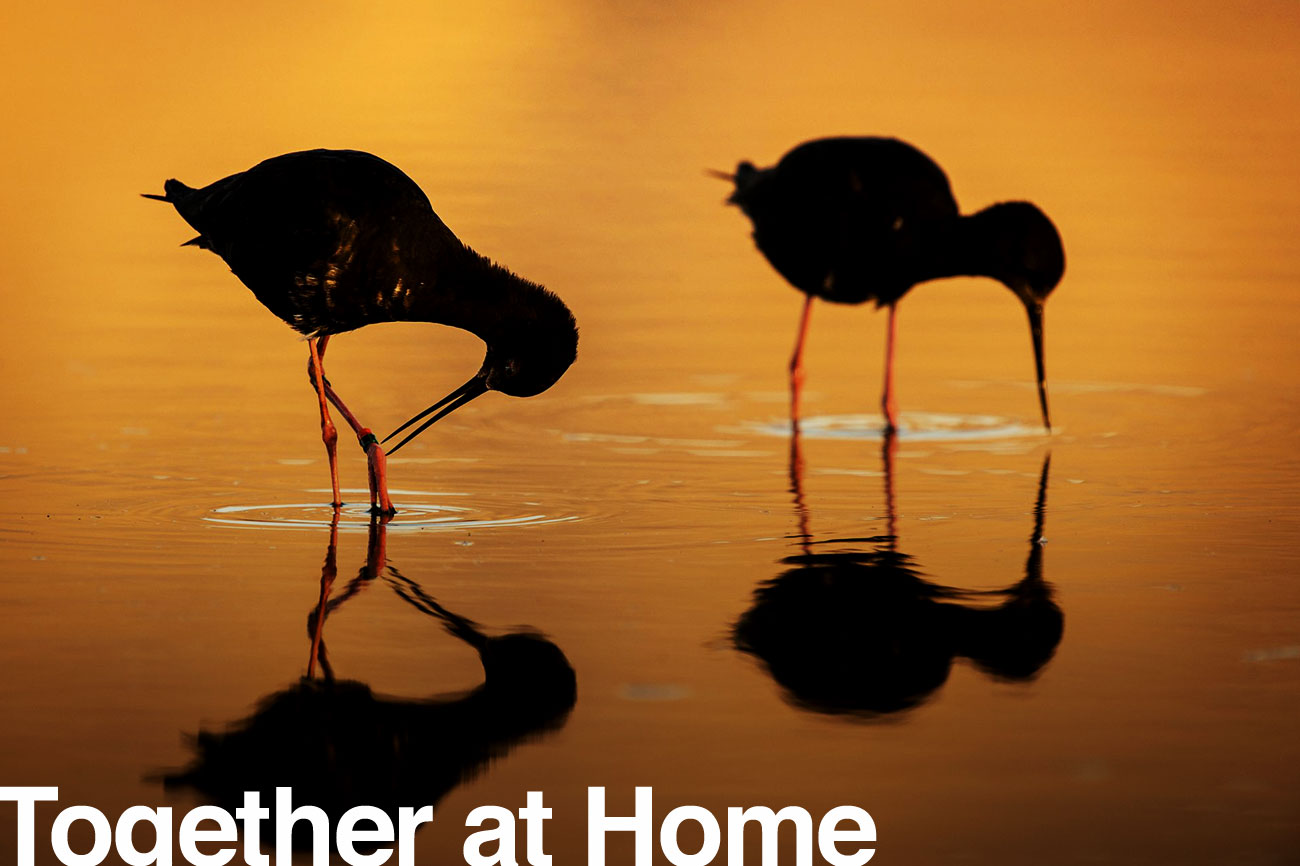
Deep in the Mackenzie Basin, the world’s rarest wading bird roams free in the wild, unaware that behind the scenes, a handful of people are trying to solve a problem: how to protect a species that refuses to be contained?
Read more...
|
|
|
|
| |

|
Talking points
Discuss the ideas presented in the story with your family—at home or over video conferencing. Find ways to involve as many people as possible, especially those who you know are isolated by the lock-down. - Looking through these beautiful photos of kakī, which ones do you find interesting, appealing, funny or sad? Which would be the best photo to use if you were trying to promote kakī conservation to the public?
- Kakī live in braided rivers. Have you ever seen a braided river? How could you describe one to someone who hadn’t? If you haven’t, you could search for images to see what these special rivers look like.
- Kakī are now only found in the Mackenzie Basin. One reason they were killed by predators in every other location is because they freeze when they sense danger. Do you know of any other birds that do this? (The brown teal or Pāteke is one.)
- DOC ranger Cody Thyne reckons kakī are special because they’re a Canterbury icon – like locals they have been through a lot. Do you like the idea of a region “adopting” a native species as their special icon or mascot? What would be a good native species to represent the place you live in?
- You might like to learn more about wading birds - how do wading birds use their long beaks to feed? What kinds of food are kakī likely to be looking for? What other wading birds do you know of?
|
|
|
|
|
|
| |
Activity: Make a bent-legged Kakī
Use split pins to make a kakī with super bendy legs. You will need: - Split pins
- Paper
- A pencil and eraser
- Colouring in pencils or crayons
Step One: Choose one of the photos from the article and use it as inspiration to draw an outline of a kakī. Make the legs a little longer above and below the knee. (The legs must also be big enough at the knees to secure a split pin through them.) Step Two: Cut out your drawing. Cut the legs in two at the knees. Colour in your picture as you would like it to be. (It might be a juvenile or a fully-black adult.) Step Three: Cut a slit through the top of the lower legs and the bottom of the upper legs. Insert a slit pin first through the top leg and then through the bottom leg on each side. Move the legs into a position you are happy with. Mount your kaki onto backing paper if you want to. Send us a picture of your bent-legged kakī!
|
|
|
|
|
|
| |
Pufferfish Propellers
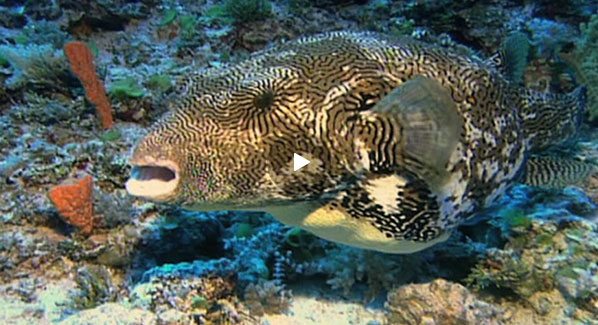
The pufferfish’s array of fins and corresponding ability to deal with wave surges is the subject of this video, which looks at a robotic “pilotfish” that has fins all around its body, just like the pufferfish.
Watch the video, then ask yourself; what ideas do you have about what the “pilotfish” could be used for?
|
|
|
|
| |
What is Together at Home?
New Zealand Geographic started Together at Home at the beginning of the first lockdown in 2020. It was hit with parents, and also for grandparents who felt isolated and wanted to join in. It also gave parents themselves some welcome escape. If you're not into it, just hit unsubscribe. If you like it, then send us pictures of what you make and encourage others to join the list on the Together at Home hub. It will be coming your way every day of the lockdown.
As the rest of the country is no longer in lockdown we filtered the list to include only email addresses in Auckland, or for which we could not verify the location. If you're not in Auckland or do not want it, no worries, just hit unsubscribe. |
|
|
|
| |
How do NZGeo digital subs work?
You can access three items per month totally free on NZGeo.com, and thereafter it costs $1 per week for a digital subscription. (We bill $8.50 every two months to a credit card, or $50/year if you prefer.) A digital subscription gives you access to more than 10,000 stories and 400 hours of natural history documentaries on-demand, on any device.
|
|
|
|
|
|

![145_Viewpoint_shutterstock_227311084-[Converted]](https://cdn.nzgeo.tv/2017/04/145_Viewpoint_shutterstock_227311084-Converted-336x336.jpg)