|
| |
Enraptored
During the two devastating earthquakes of September 2010 and February 2011, land in the suburbs east of Christchurch sank by a metre. What’s a city to do when an apocalyptic landscape appears right on its doorstep?
Read more...
|
|
|
|
| |

|
Talking points
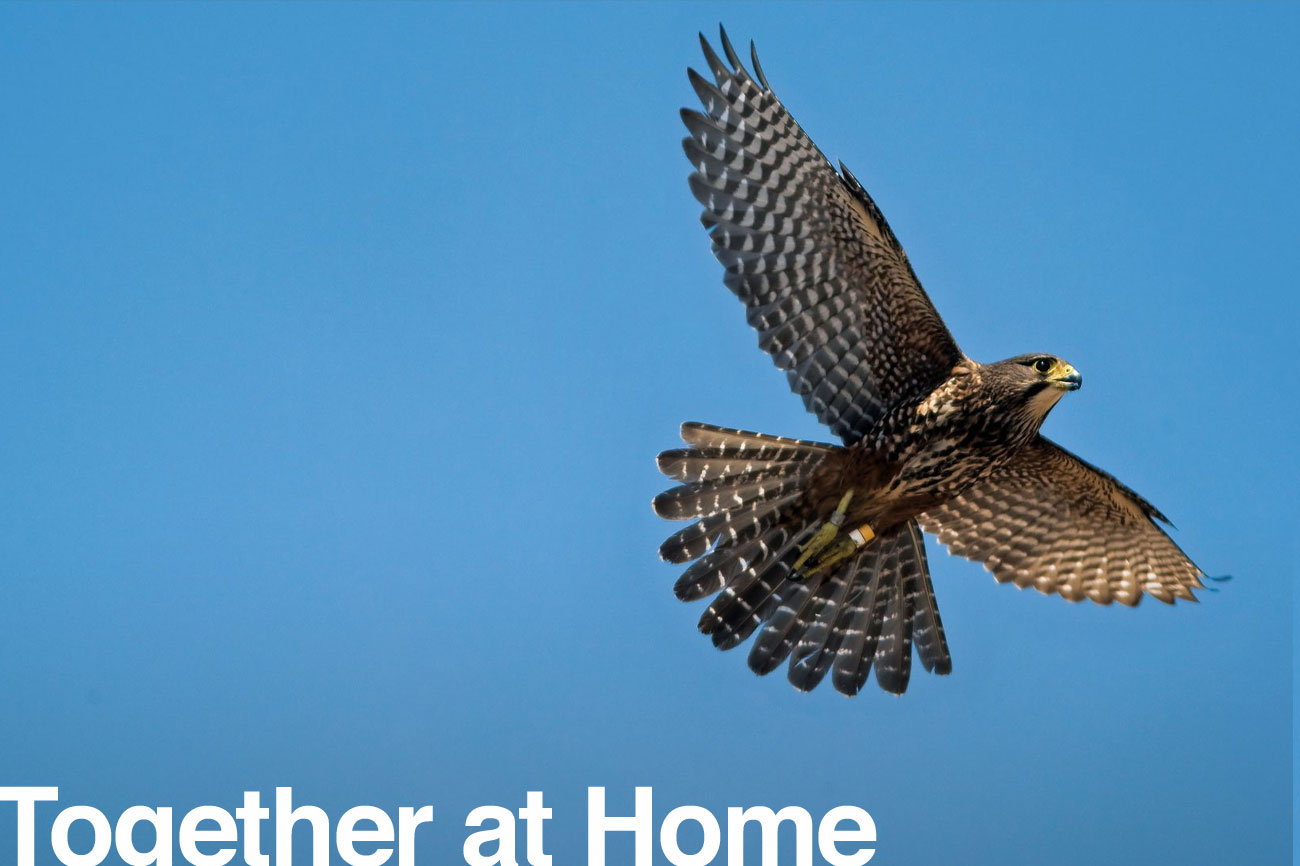
Discuss the ideas presented in the story with your family—at home or over video conferencing. Find ways to involve as many people as possible, especially those who you know are isolated by the lock-down. - The kārearea can take prey up to six times its own weight. Just for fun, multiply your own weight by six. How many kgs did you get? See if you can think of something that weighs about six times as much as you do and imagine being strong enough to lift that object or animal using just your fingers! (Useful animals to compare could include a donkey, which weighs between about 180 – 220kg, or a kunekune pig, which can weigh up to 200kg.)
- Ruby, the tame falcon in the introduction, is “irresistible;” “both handsome and deadly.” What do you like most in the light-hearted description of her?
- If a female kārearea doesn’t kill her prey upon impact at 200km/hr, she uses her specialised beak to bite the prey’s cervical vertebrae – that’s just below the skull. Does this sound like a reasonably merciful way for the prey to go? Does it sound like prey has much advance warning of a karearea’s approach?
- What do you think of the photo of the fluffy chick in a medieval leather hood? Have you seen pictures of nobles “hawking” in illustrations from the Middle Ages? Does the idea of having a tame falcon appeal to you at all - can you see yourself as a potential “raptorphile?”
- Towards the end of the article, there’s a suggestion that tame raptors could help us with problems such as pest control. Having read about this, do you think it’s an idea with potential? What might be obstacles to the adoption of the idea?
|
|
|
|
|
|
| |
Activity: Make your own lollies
Ever get frustrated with your adults’ restrictive attitude to lolly-buying? Get resourceful with this straight-forward homemade lolly recipe and you can make your own! You will need: - 100g sugar
- 1 lemon
- A saucepan
- A teaspoon
- Greaseproof paper
Step One: Stir lemon juice and sugar together. Step Two: Put the mixture in a saucepan and bring to the boil, then stir while it thickens into a syrup or darkens slightly in colour. Watch carefully as it won’t take long - and it won’t taste good if it burns. Remove from the heat. Step Three: Drop the mixture one teaspoonful at a time onto the baking paper. When the drops have hardened they are ready to eat! Send us a picture of your lollies!
|
|
|
|
|
|
| |
Virtual Reality: Eagle Rays
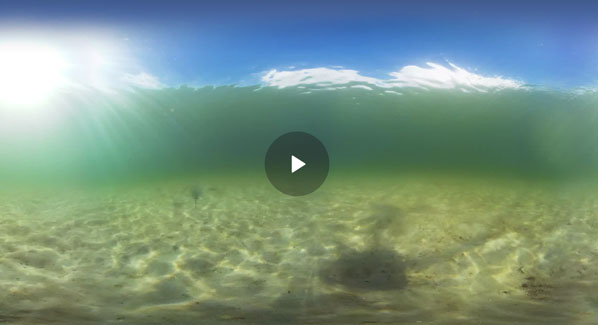
Eagle rays bask in the sand, checking out the human interlopers before taking off rapidly in this video at Parengarenga, where lower-intensity farmland prevents too much pollution from entering the harbour.
Watch the video, then ask yourself; what surprises you about the Eagle rays in this video – the length of their tails? The “grin” on the face of the one which seems to look at the camera? The rapid flick of their wings in flight?
|
|
|
|
| |
What is Together at Home?
New Zealand Geographic started Together at Home at the beginning of the first lockdown in 2020. It was hit with parents, and also for grandparents who felt isolated and wanted to join in. It also gave parents themselves some welcome escape. If you're not into it, just hit unsubscribe. If you like it, then send us pictures of what you make and encourage others to join the list on the Together at Home hub. It will be coming your way every day of the lockdown.
As the rest of the country is no longer in lockdown we filtered the list to include only email addresses in Auckland, or for which we could not verify the location. If you're not in Auckland or do not want it, no worries, just hit unsubscribe. |
|
|
|
| |
How do NZGeo digital subs work?
You can access three items per month totally free on NZGeo.com, and thereafter it costs $1 per week for a digital subscription. (We bill $8.50 every two months to a credit card, or $50/year if you prefer.) A digital subscription gives you access to more than 10,000 stories and 400 hours of natural history documentaries on-demand, on any device.
|
|
|
|
|
|

![145_Viewpoint_shutterstock_227311084-[Converted]](https://images.nzgeo.com/2017/04/145_Viewpoint_shutterstock_227311084-Converted-1300x1300.jpg)