|
| |
Our green heart
Let's learn about something close to home—at the centre of our city... In 1845 Governor George Grey set aside 80 hectares of central Auckland for a park. On the crest of an ancient volcano, it is a memorial, a recreation space, a green heart for the city and its citizens.
|
|
|
|
| |

|
Talking points
Discuss the ideas presented in the story with your family—at home or over video conferencing. Find ways to involve as many people as possible, especially those who you know are isolated by the lock-down. - Have you ever been to the Auckland Museum? If you have, do you remember any of these places—the duck ponds? the winter-gardens? the band rotunda? the cricket pitch? the canons and other war memorials? Do you have any favourite memories of trips to the museum or domain?
- Looking at the photos in the article, what kinds of things do people do at the museum/domain grounds? If the 80 hectares of the domain had never been made into public land, what do you think might be there today?
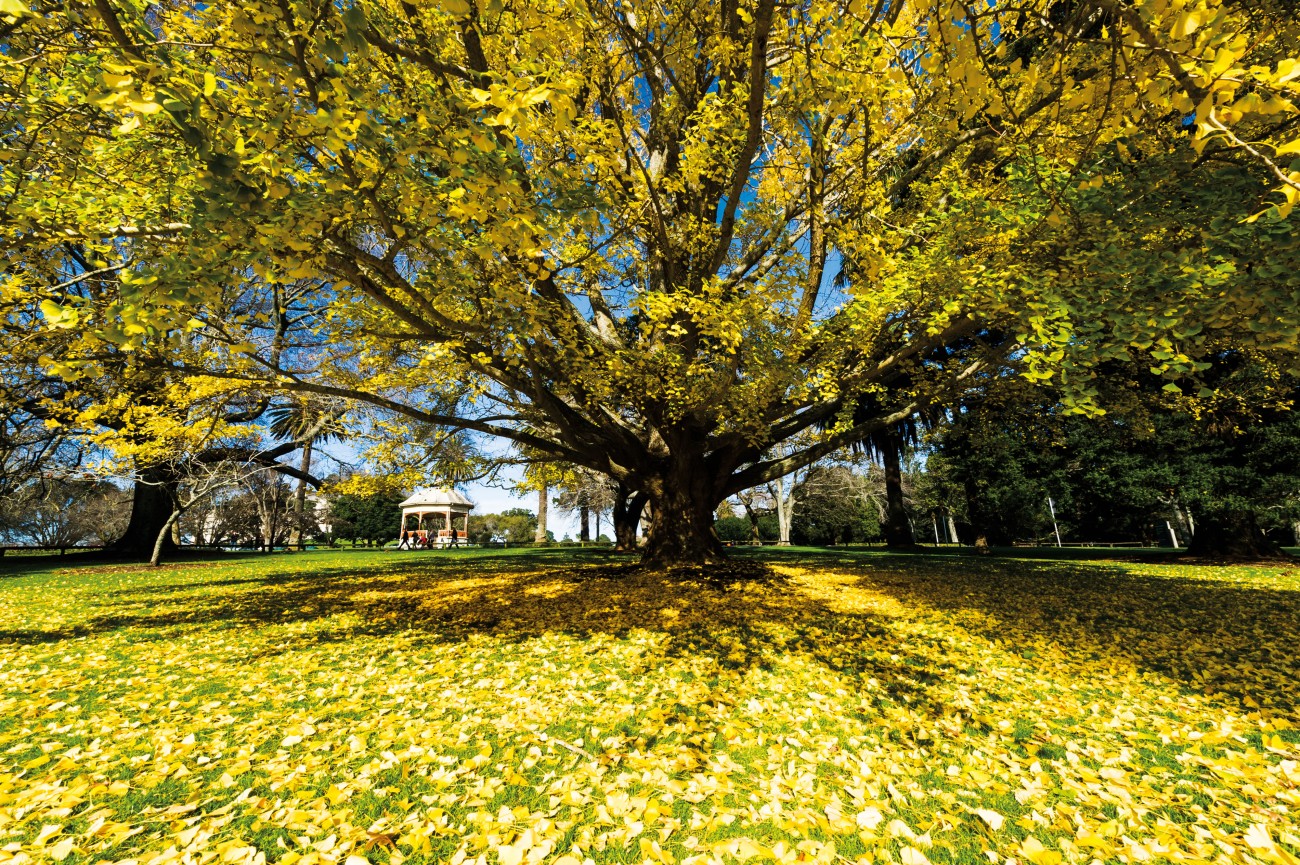
- There is a photo of a huge tree at the top of the article. Its leaves are turning yellow and starting to fall. What do children appreciate about trees like this? What would you do if you could play under (or in) this tree? What could be some of the nice things about this tree in each season—spring, summer, autumn or winter?
- What do you think the author means when he says the domain is "Auckland's heart and lungs?"
- Did you know that the domain is an ancient volcano, or that its name is Pukekawa? Ngāti Whātua lived in a pa on Pukekawa. The volcanic soil was good for growing food, there was a wetland where the cricket fields are now, and water flowed from a spring where the duckponds are now. (The sea was also closer at hand in those times, before the land was extended in harbour reclamation works near Mechanic's Bay.) Do you think it's interesting to learn about how things used to be? Does knowledge of history change how we behave or think about places?
|
|
|
|
|
|
| |
Activity: Bark Rubbing
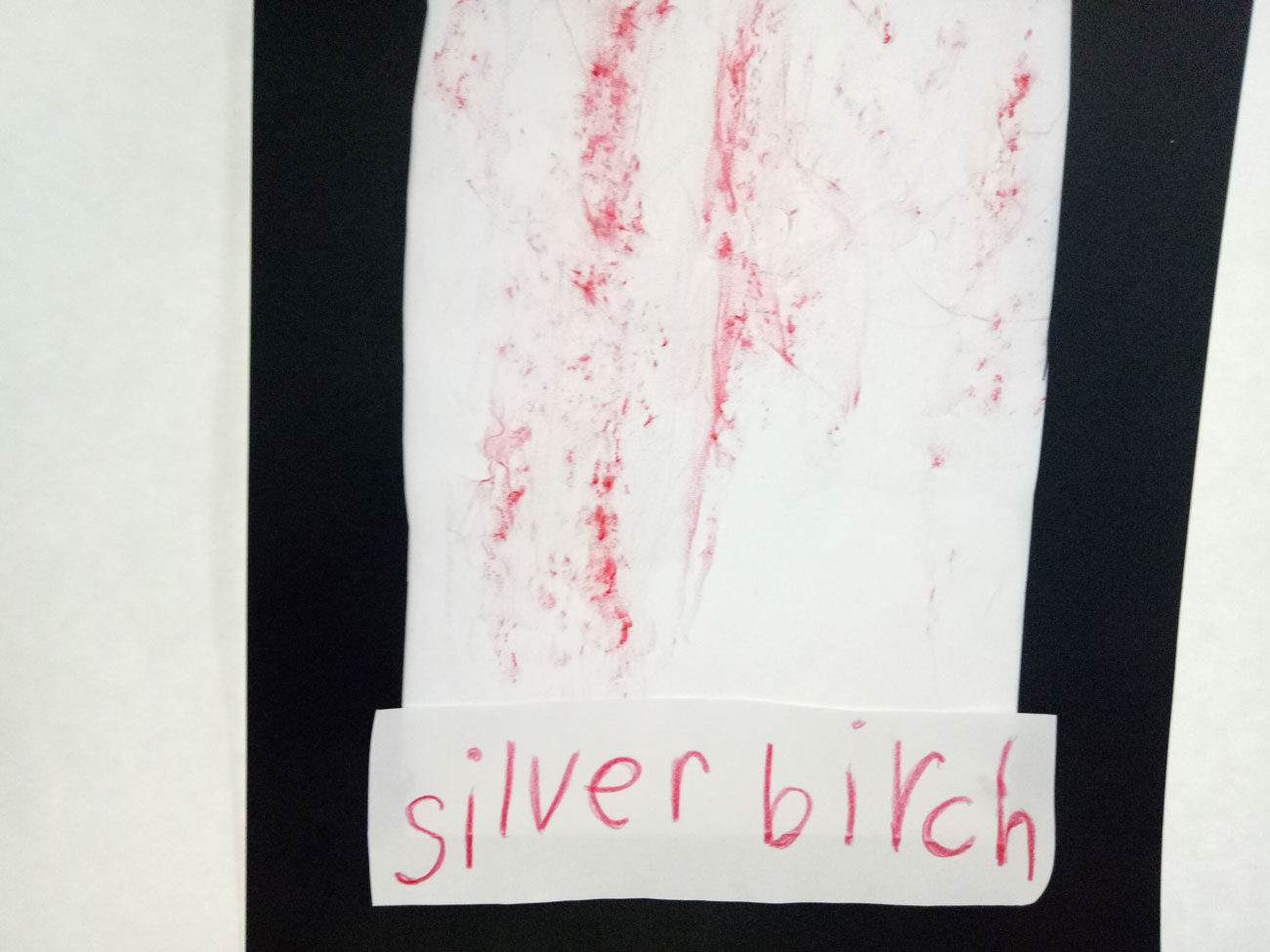
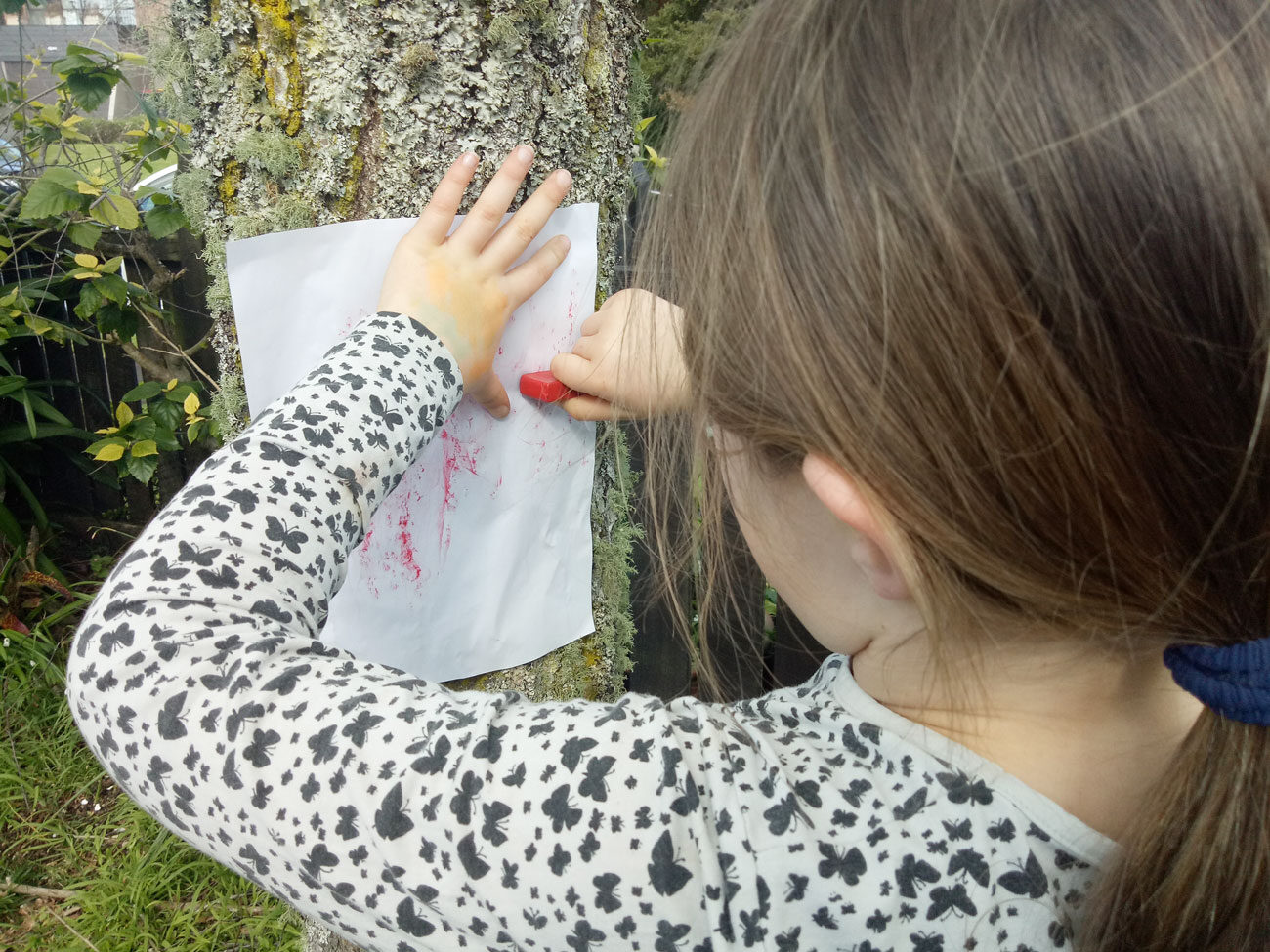
Deciduous trees like the large ones at the Auckland Domain are still bare at the moment—their spring foliage will burst out soon. For now, they are making intricate shadows and we can really pay attention to their bark and the lichens that grow on them. - Take a piece of paper and some crayons.
- Hold the paper up against the trunk of the tree.
- Hold the crayon on its side, rub the crayon up and down.
- Frame your rubbing with a home-made frame and write the name of the special tree underneath it neatly, if you want to.
- Make sure you take some time to look at the beautiful winter shadows that trees are casting on the ground at the moment.
- Send us a picture of your bark drawings!
|
|
|
|
|
|
| |
How do NZGeo digital subs work?
You can access three items per month totally free on NZGeo.com, and thereafter it costs $1 per week for a digital subscription. (We bill $8.50 every two months to a credit card, or $50/year if you prefer.) A digital subscription gives you access to more than 10,000 stories and 400 hours of natural history documentaries on-demand, on any device.
|
|
|
|
|
|

![145_Viewpoint_shutterstock_227311084-[Converted]](https://cdn.nzgeo.tv/2017/04/145_Viewpoint_shutterstock_227311084-Converted-336x336.jpg)