|
| |
Not so safe at home...
The fantail is one of our commonest native birds, loved for its flamboyant tail, acrobatic flight and inquisitive friendliness. Yet life is no bed of roses for these charming little birds. Between August and February each year they pour their energy into reproduction, only to have almost all of their infant offspring devoured by rats and other predators. Let's learn about the pīwakawaka...
|
|
|
|
| |

|
Talking points
Discuss the ideas presented in the story with your family—at home or over video conferencing. Find ways to involve as many people as possible, especially those who you know are isolated by the lock-down. - Do you like fantails? How often would you say you see them? What have you noticed about them—such as the way they fly, the noise they make, or their colouring?
- What surprises or shocks you about the top photo of the rat eating the baby fantail? What can you learn about the capabilities of rats as predators from the photos? Do you trap rats or mice at your house, or at school? Do you know if any of your neighbours do?
- The article says fantails use moss, grass, rotting wood and cobwebs to make their ice-cream cone shaped nests. Can you see any of these materials in the nests in the pictures? Why might cobwebs be useful in nest-building?
- Fantails snap their beaks shut on their prey and swallow them immediately—the article says you can hear their beak snapping if you listen carefully. What would be a good way to try and hear this for yourself. How could you set yourself up in the garden or at a park to do some serious birdwatching?
- Morepork also prey on fantails—what do you think of the photo of a morepork seizing a fantail? Do you feel differently about the morepork as predator versus the rat as predator?
|
|
|
|
|
|
| |
Activity: Origami Fantail
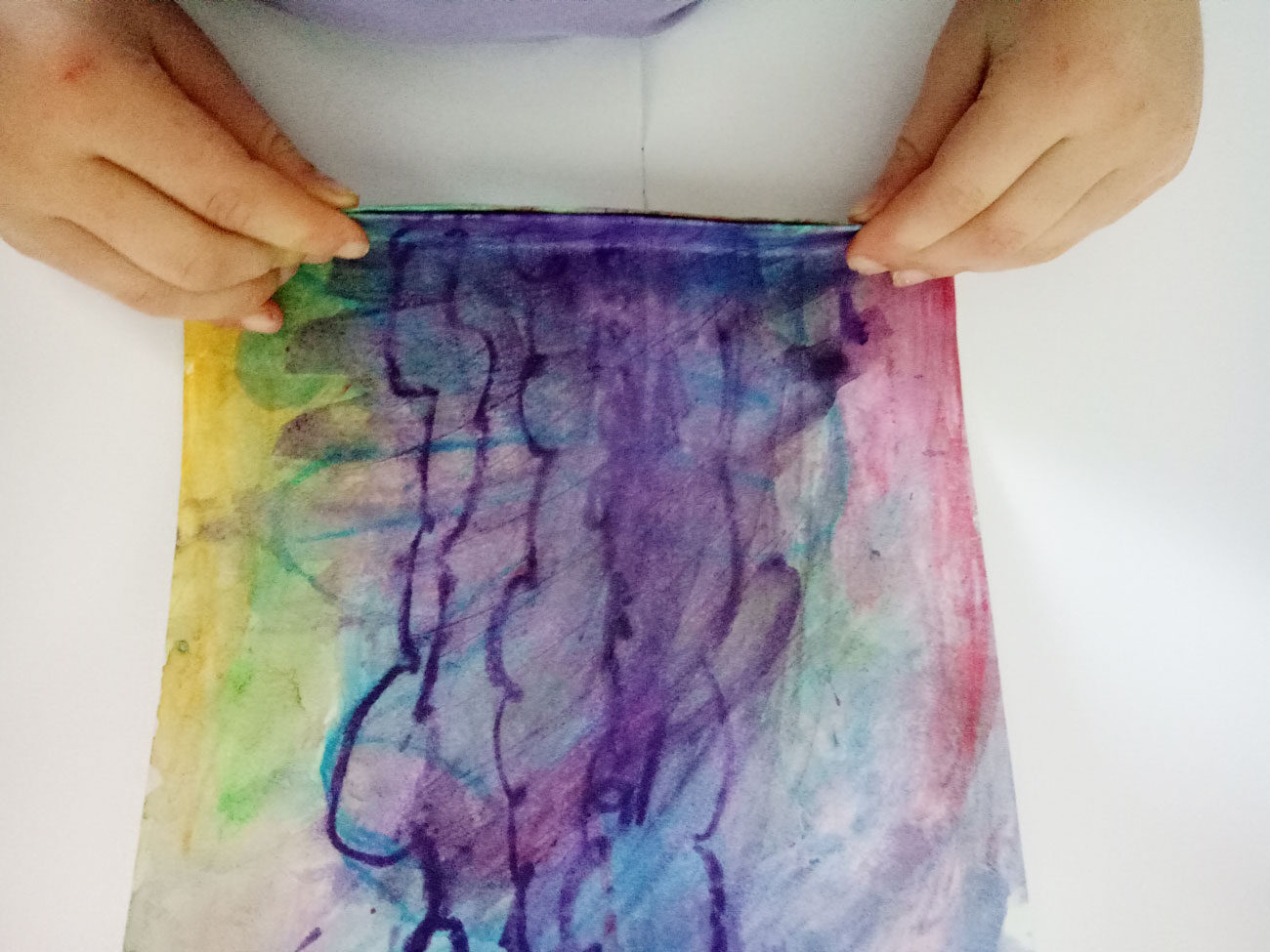
- First, take a piece of paper that will look good in a fan shape. Artwork or a nice piece of sturdy wrapping paper will work well. We also tried using pages from an old book that was headed for the op-shop.
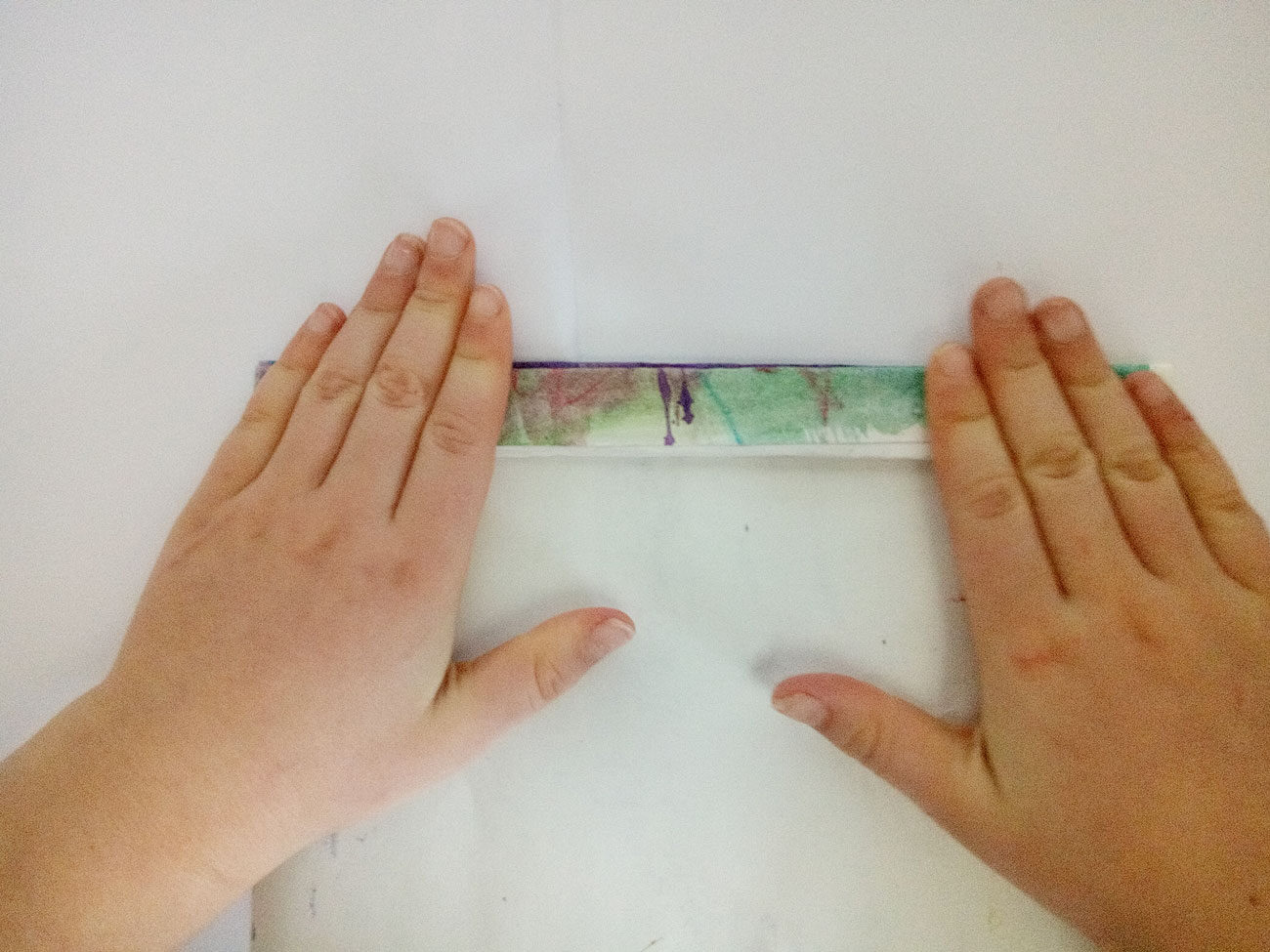
- Fold into small pleats—holding the paper away from you and pressing down, then flipping it over so it faces towards you and pressing down.
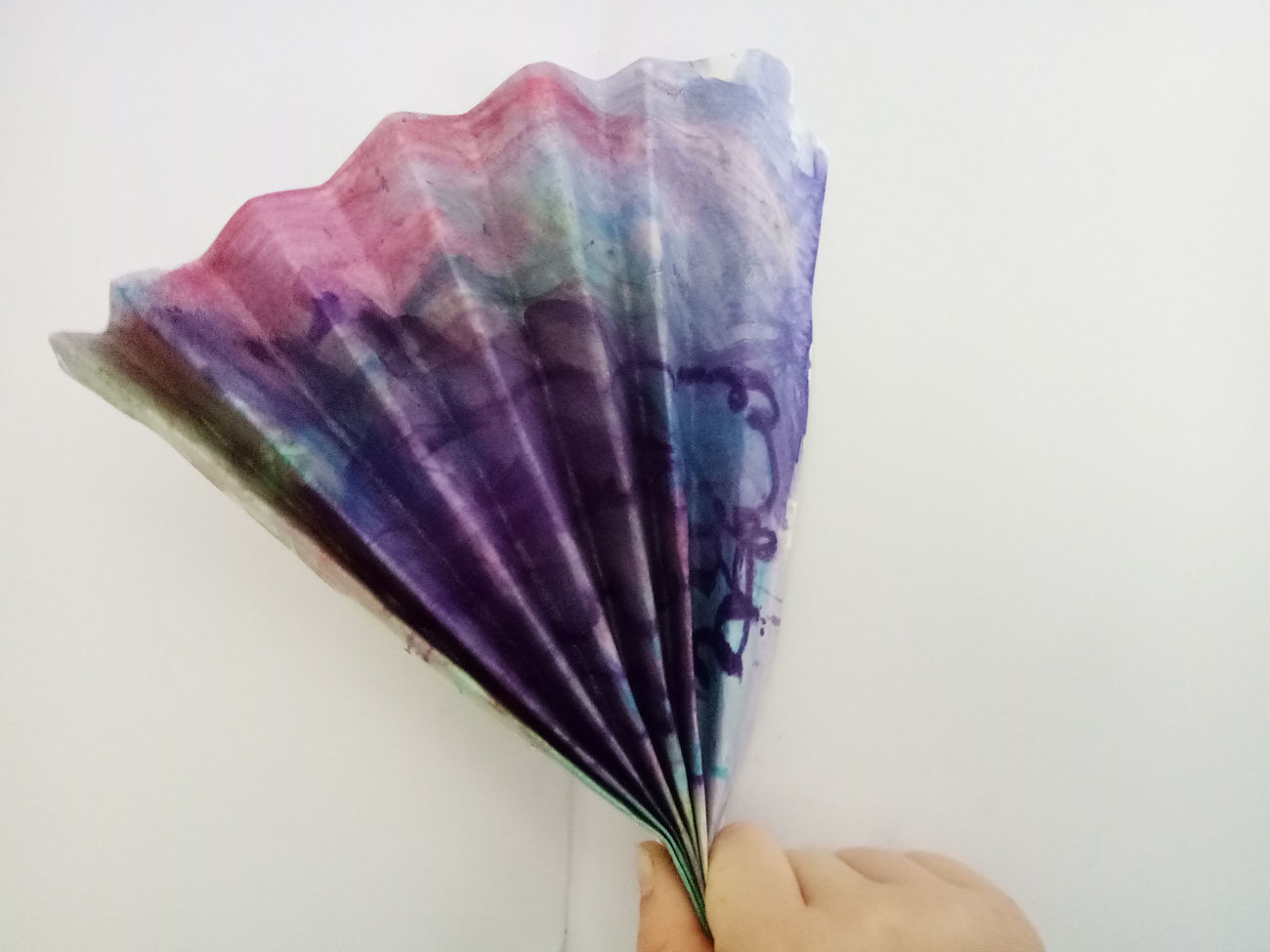
- Unfold the pleats and you have a fan. You can tape the pleats together into a handle at the base.
- Now you need the body of a bird to attach to your fan "tail." Use your imagination—we tried cutting a body shape from an old book to match the fan tail. We also tried balling paper up to make a 3D body with a smaller head.
What might you think of?
Send us a picture of your origami fantail!
|
|
|
|
|
|
| |
How do NZGeo digital subs work?
You can access three items per month totally free on NZGeo.com, and thereafter it costs $1 per week for a digital subscription. (We bill $8.50 every two months to a credit card, or $50/year if you prefer.) A digital subscription gives you access to more than 10,000 stories and 400 hours of natural history documentaries on-demand, on any device.
|
|
|
|
|
|


![145_Viewpoint_shutterstock_227311084-[Converted]](https://cdn.nzgeo.tv/2017/04/145_Viewpoint_shutterstock_227311084-Converted-336x336.jpg)