|
| |
Lockdown works...
... for some. Take our ground-based native bird species, for instance... They'd be lost on the mainland, but have found safety in lockdown on offshore islands. Maybe you've been lucky enough to go to Tiritiri Matangi? If not, journey along with us today...
|
|
|
|
| |

|
Talking points
Discuss the ideas presented in the story with your family—at home or over video conferencing. Find ways to involve as many people as possible, especially those who you know are isolated by the lock-down. - At the beginning of the article, the author describes getting off the ferry at Tiritiri and seeing tui, whiteheads, quail, robins, kingfisher, bellbirds, stitchbirds, kākāriki, kōkako, kererū and takahē. Have you seen any of these birds in real life before? Are there any you'd love to see? Which ones are unusual on the mainland?
- The "loud, ringing," bird song on Tiritiri is compared to what Joseph Banks wrote about when he travelled around Aotearoa with Captain Cook on the HMS Endeavour. Why might bird song have been so much louder before Europeans began to emigrate to New Zealand? Do you hear much bird song at your place?
- Tiritiri was at one stage a "bare island," having been farmed. In the black and white photo of Tiritiri before it was replanted, are you surprised by how little vegetation there is? What would have been the challenges of farming an island so bare of vegetation?
- Birds fly between Tiritiri and other islands in the Hauraki Gulf. Which other nearby islands do you know of where revegetation projects have provided habitat for birds?
- Are there any revegetation projects near your house or school? Have you seen the way planting provides habitat for birds and other creatures? Have you ever wanted to start a "reveg" project of your own? What could you do to get this started?
|
|
|
|
|
|
| |
Activity
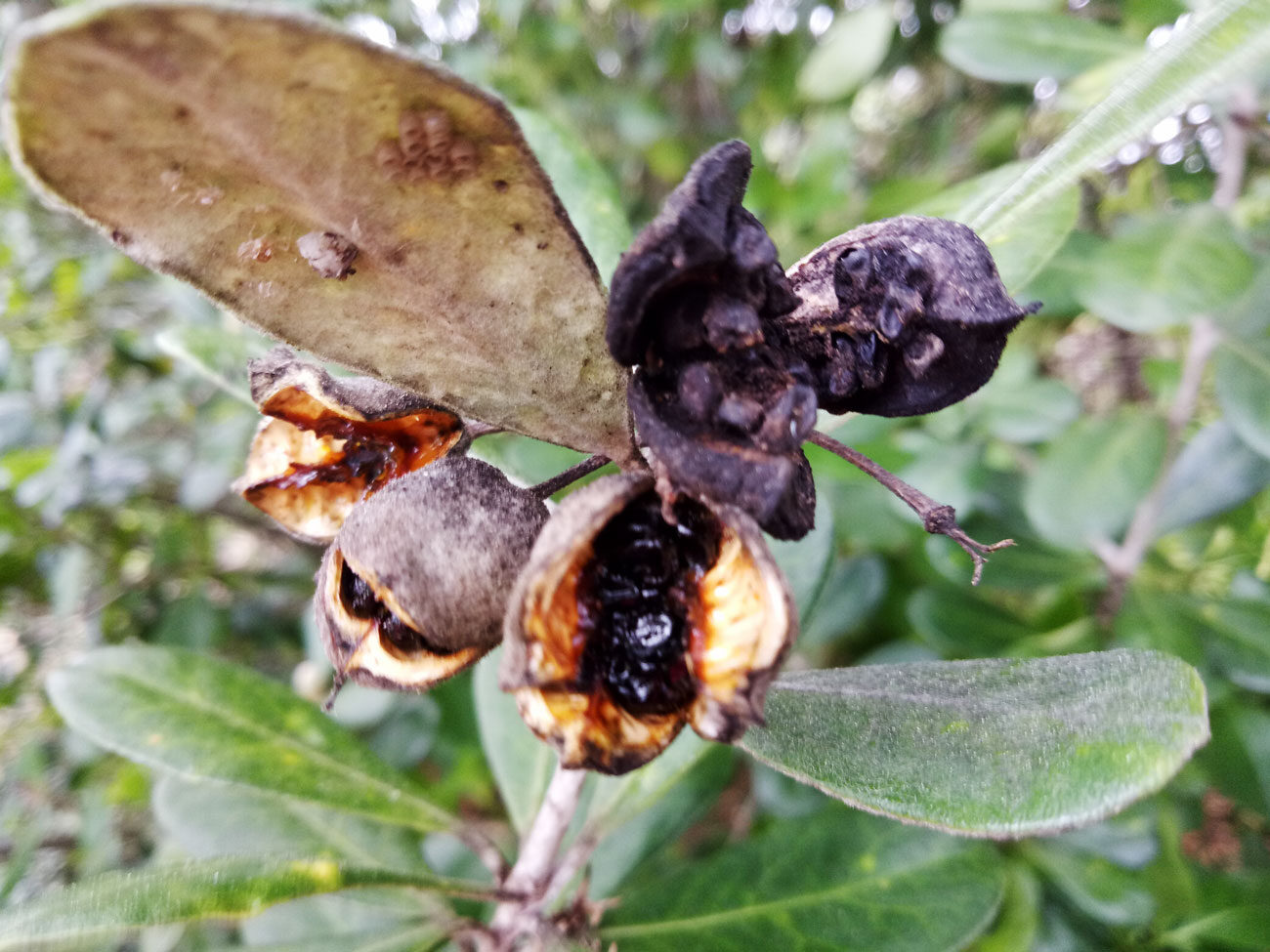
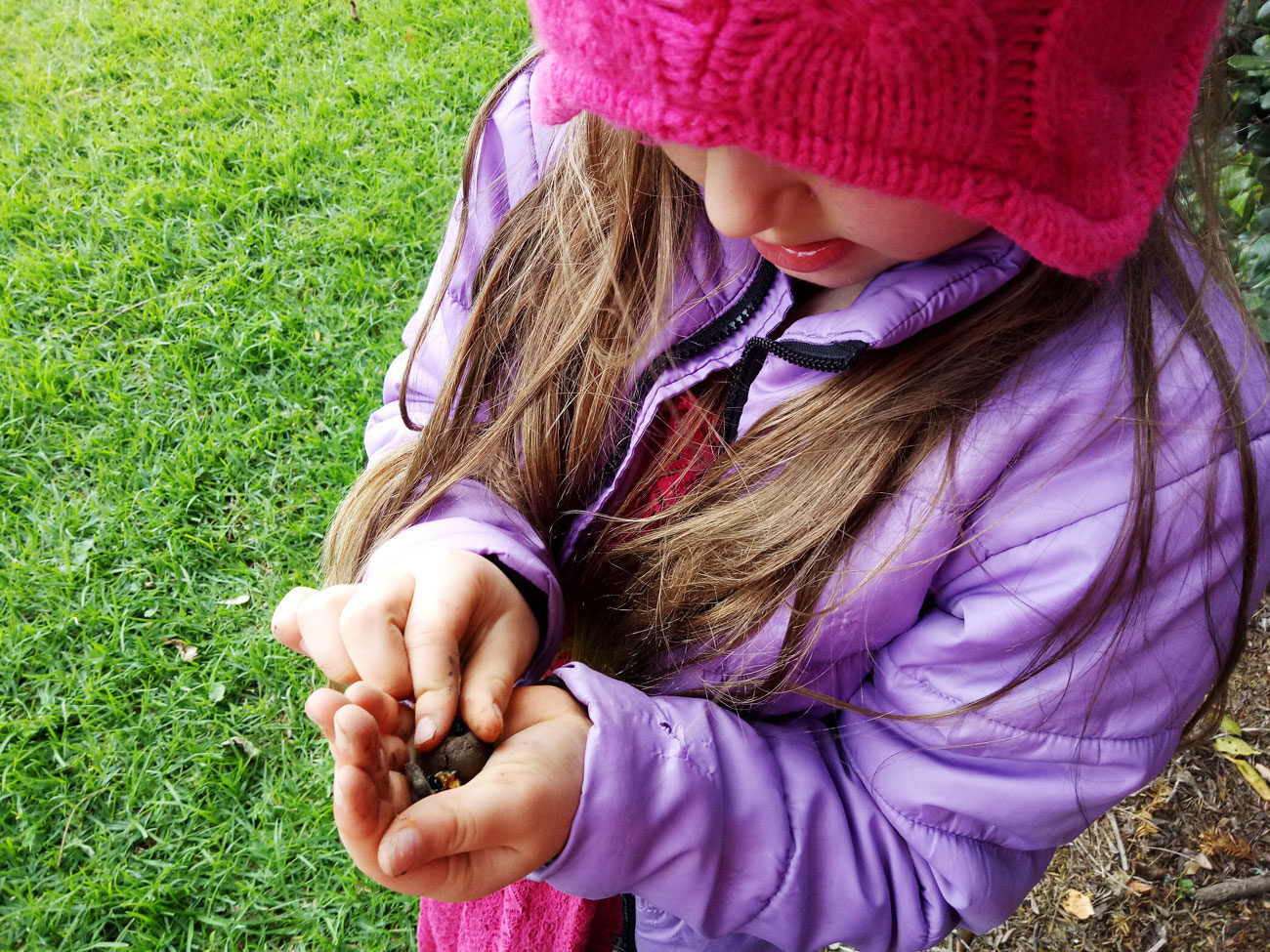
Make a seed-bomb Firstly, you need seeds. Walk around your garden or local reserve and check the native trees and shrubs. You might find some karo or pittosporum seeds, hebe seeds and coprosma berries. Dig up some clay from your garden (about a tablespoonful is plenty.) This is like the glue in the seed bomb. Take a small amount of garden soil or potting mix. (Half a teaspoonful or so.) Squish the soil, seeds together and clay together into a ball. Let it dry for a couple of days. Now you're ready to give it to someone for a gift, or to throw it (hence the name "seed bomb") onto an area that would benefit from native plants. Keep an eye on it and see if any of the seeds sprout up in spring time! Send us a picture of your seed-bomb!
|
|
|
|
|
|
| |
How do NZGeo digital subs work?
You can access three items per month totally free on NZGeo.com, and thereafter it costs $1 per week for a digital subscription. (We bill $8.50 every two months to a credit card, or $50/year if you prefer.) A digital subscription gives you access to more than 10,000 stories and 400 hours of natural history documentaries on-demand, on any device.
|
|
|
|
|
|


![145_Viewpoint_shutterstock_227311084-[Converted]](https://cdn.nzgeo.tv/2017/04/145_Viewpoint_shutterstock_227311084-Converted-336x336.jpg)