|
| |
Another week of lockdown.
Another week or so in lockdown. Some love it, some hate it, but all agree it's better than the alternative. While we consider our land-locked lives, let's consider the state of the seas...
Rolling a fresh cigarette, Bill Ballantine gives a sardonic laugh as he recalls the headline in the local newspaper when New Zealand’s first marine reserve was opened in 1977—“Nothing to do at Goat Island Bay any more.”
Ballantine had fought for 12 years to protect five square kilometres of marine habitat on the Northland coast. That protection was finally in place. To Ballantine it was the start of a new era. To the newspaper, voicing community opposition, it was the end of one. Let's learn about marine protection. |
|
|
|
| |

|
Talking points
Discuss the ideas presented in the story with your family—at home or over video conferencing. Find ways to involve as many people as possible, especially those who you know are isolated by the lock-down. - Have you ever been to Goat Island, north of Auckland? Do you think it looks like a fun place to go for a school trip? How do you think you'd feel seeing lots of fish and seaweed when you put your face in the water?
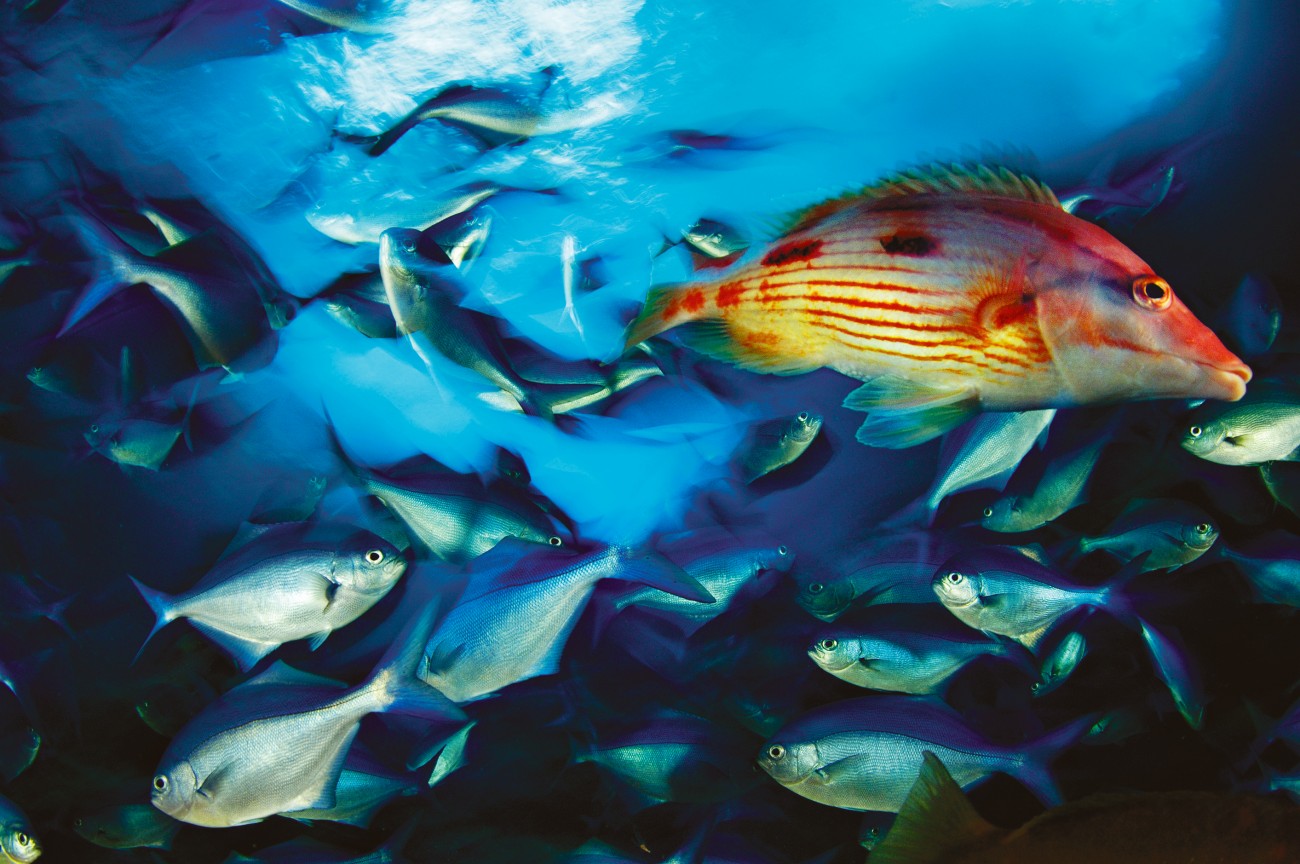
- Goat Island represents a slice of "ordinary" coastline. Looking at the photos, does it seem ordinary to you? What are some of the differences you can see between these pictures, and the average beach? Would your nearest beach look like this if it was a "no take" zone for thirty years? How would you feel about it if it did?
- A lot of people disagreed with Bill Ballantine when he wanted to stop all fishing at Goat Island. Even the newspaper was very negative. Ballantine said it was a "lonely and uncomfortable fight" to keep pushing for the marine reserve. Why were people so angry? Are you glad he didn't give up?
- At the Poor Knights Islands, they tried outlawing only commercial fishing boats to allow recreational fishing to continue. People thought recreational fishing didn't affect fish stocks much. After 17 years, fish stocks were still declining and all fishing was stopped. The Poor Knights became a healthy ecosystem with big fish in it again. Could outlawing all fishing help a place like the Hauraki Gulf, where some fish stocks are close to extinct? What might stop the Government from acting to create more marine reserves?
- The article says that marine reserves help us to remember what the sea looks like when it is healthy. Without them we can forget, and think that low fish numbers are normal. What are some other good things that marine reserves do?
|
|
|
|
|
|
| |
![145_Viewpoint_shutterstock_227311084-[Converted]](https://cdn.nzgeo.tv/2017/04/145_Viewpoint_shutterstock_227311084-Converted-336x336.jpg)
|
Activity: Pretend to have a fire at the beach and cook some damper!
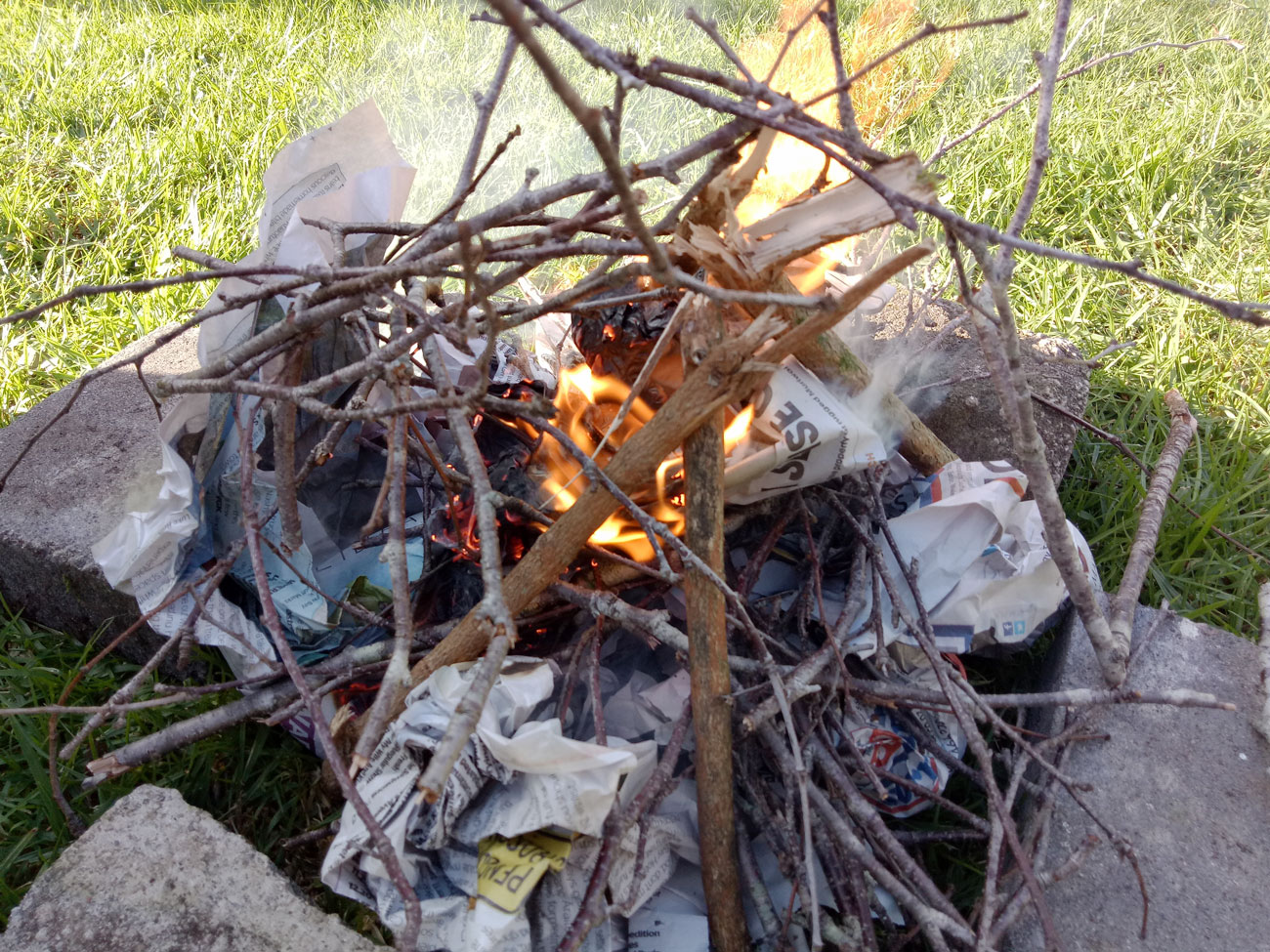
To make damper, rub 1 tsb butter into 1 cup of flour. Add 1 tsp baking powder and 3/4 cup of milk plus a pinch of salt and 1 tsp sugar. Mix it together. Make an outdoor fire (always check your street address on the Auckland Council's website to make sure there is no fire ban before you make a fire.) Have a bucket of water handy so you can put it out. Use bricks to edge the fire so it stays in a small area. You will need newspaper, matches, very thin twigs and medium-sized twigs. Build upwards with scrunched up newspaper at the bottom, small twigs on top of that and medium-sized twigs pointing upwards in a pyramid shape. When the fire has died down to low flames, find some medium-sized sticks and dip them into your batter. Hold the batter over the embers of the fire until it is cooked to a doughnut-like consistency. Do not put the batter into the flames—the heat from the flames will cook the batter if you hold it close. Enjoy your damper and make sure you put the fire out properly before you go back inside! Send us a picture of you enjoying your damper!
|
|
|
|
|
|
| |
How do NZGeo digital subs work?
You can access three items per month totally free on NZGeo.com, and thereafter it costs $1 per week for a digital subscription. (We bill $8.50 every two months to a credit card, or $50/year if you prefer.) A digital subscription gives you access to more than 10,000 stories and 400 hours of natural history documentaries on-demand, on any device.
|
|
|
|
|
|